
1. Solid Wood Dining Tables Built to Last
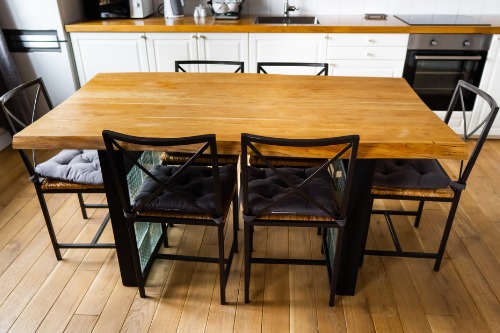
Grandparents often had dining tables made from solid oak, maple, or walnut rather than thin veneers. These tables were heavy, dense, and difficult to move, which was a sign of how much material went into them. The craftsmanship mattered because many were built with traditional joinery instead of screws or glue alone. Modern furniture rarely uses this approach due to cost, time, and material constraints.
There’s also an emotional reason these tables feel impossible to replace. They were designed for decades of daily use, not seasonal redecorating. Scratches, water rings, and dents became part of the table’s identity. Today’s dining furniture is often treated as temporary, not generational.
2. Rotary Dial Telephones
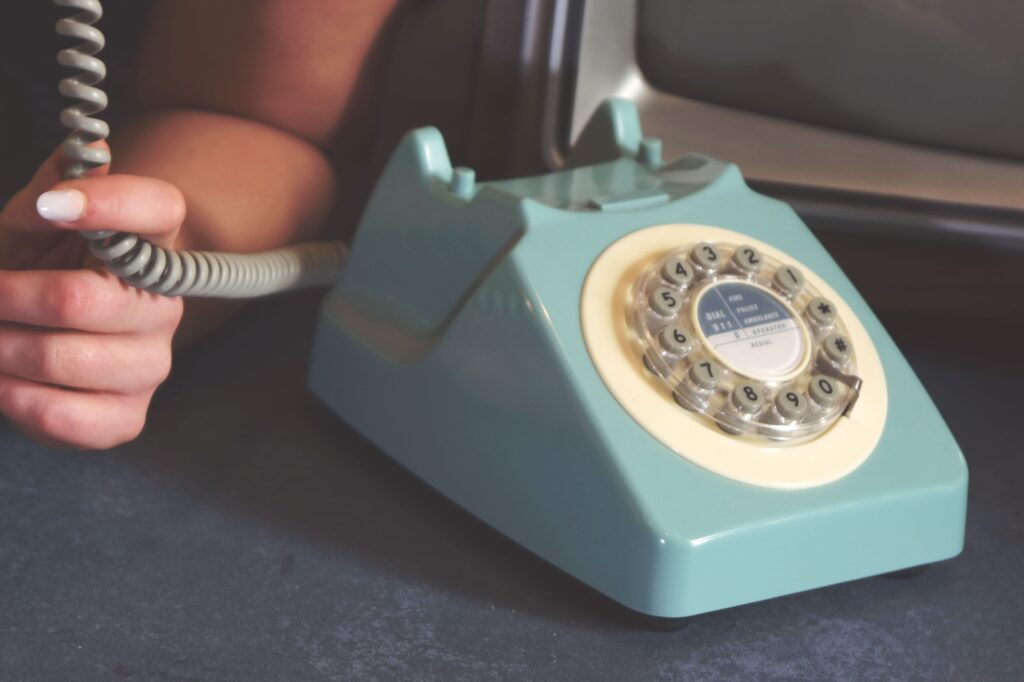
Rotary dial phones required you to physically turn the dial for every number. This made calling someone a slower, more intentional act that discouraged casual use. The phones were wired directly into the wall, making them extremely reliable during power outages. Modern smartphones can’t replicate that level of durability or independence from electricity.
There’s also something tactile that’s been lost. The clicking sound and resistance of the dial made calling feel mechanical and grounded. These phones were rarely replaced unless they broke completely. Now, phones are upgraded long before they stop working.
3. Built-In China Cabinets
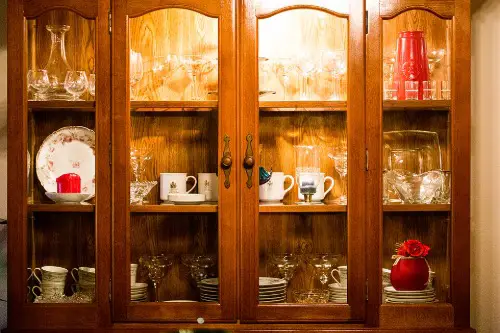
Many grandparents’ homes included china cabinets that were actually built into the walls. These weren’t decorative add-ons but architectural features planned during construction. They stored formal dishes, serving platters, and heirloom glassware safely behind thick wooden doors. Modern homes rarely include them because open floor plans prioritize flexibility over permanent storage.
The reason they mattered is that they protected items meant to last generations. The cabinet itself was often made of the same wood as the home’s trim. It created a visual anchor in dining rooms that furniture can’t quite match. Today, freestanding cabinets are easier, but they lack that sense of permanence.
4. Cast Iron Cookware Used Daily
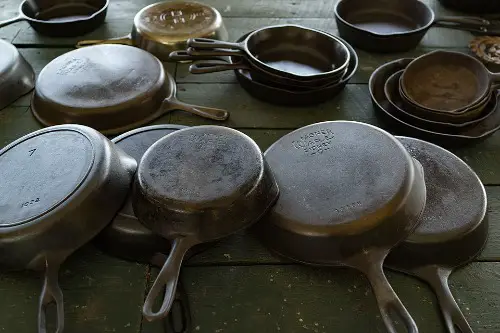
Grandparents often cooked with cast iron pans that were already decades old. These pans were heavy, simple, and nearly impossible to destroy if properly cared for. They retained heat evenly, which made them reliable for stovetop and oven cooking. Modern nonstick cookware can’t match that longevity.
The seasoning on those pans was built over years of daily meals. Each layer told a story of breakfasts, roasts, and family traditions. Cast iron is still available today, but it’s rarely treated as a lifetime companion. Many people now replace pans instead of maintaining them.
5. Linen Closets Designed Into the House
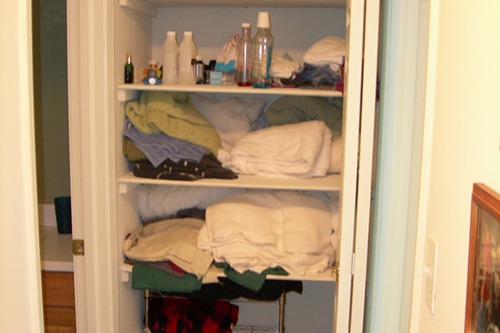
Older homes often had dedicated linen closets with deep shelves and solid doors. These closets were planned specifically to store towels, sheets, and blankets neatly. The shelving was fixed and sturdy, not adjustable wire racks. Many modern homes reduce or eliminate these spaces to maximize square footage elsewhere.
The reason they’re missed is practical, not nostalgic. Having a single place for household linens made organization simple and intuitive. It also assumed households owned multiple sets meant to last for years. Today, storage is often improvised rather than built with purpose.
6. Window Screens Made of Metal
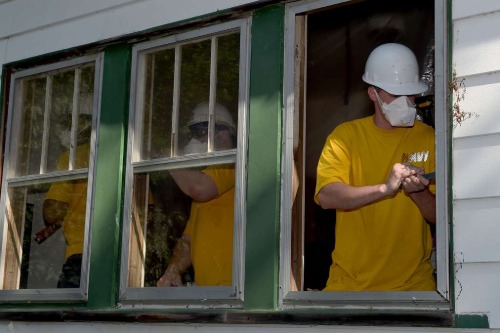
Grandparents’ homes commonly had aluminum or steel window screens. These screens were rigid, repairable, and designed to last decades. If torn, they could be patched instead of replaced. Modern fiberglass screens are lighter but far less durable.
Metal screens also reflected a repair-first mindset. Homeowners expected to maintain parts of the house themselves. The screens stayed with the home through multiple owners. Today’s screens are treated as disposable components.
7. Hardwood Floors Covered by Rugs, Not Replaced
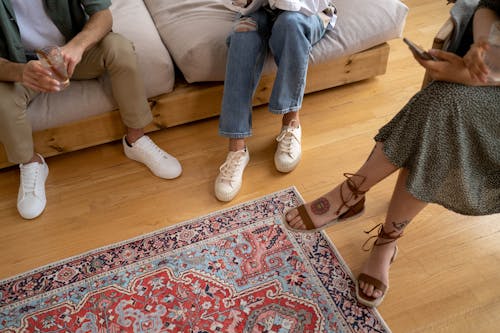
Many grandparents had solid hardwood floors that were installed when the house was built. Instead of replacing them, they covered high-traffic areas with rugs. The floors underneath could be sanded and refinished multiple times. Modern flooring often can’t survive even one refinishing.
The reason these floors feel irreplaceable is their thickness and quality. They were made from old-growth wood that’s no longer widely available. Rugs were used to protect, not hide, the floor. Today, floors are often replaced rather than restored.
8. Radiator Heating Systems
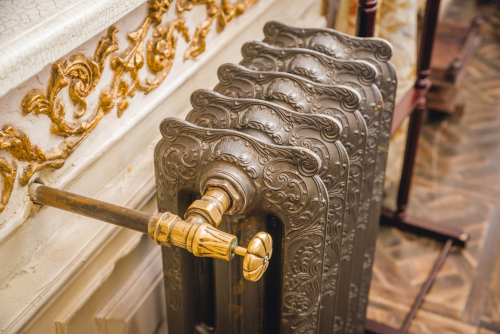
Older homes frequently relied on cast iron radiators for heat. These systems distributed warmth evenly and retained heat long after the boiler shut off. Radiators were built to last and often remain functional after a century. Modern forced-air systems prioritize efficiency but feel less consistent.
Radiators also shaped how rooms were arranged. Furniture placement accounted for heat sources, creating intentional layouts. The system required patience but rewarded it with comfort. New homes rarely include them due to installation costs and design preferences.
9. Handwritten Recipe Boxes
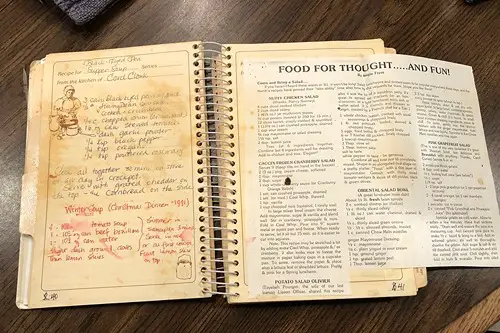
Grandparents often kept recipe boxes filled with handwritten cards. These weren’t curated collections but working documents stained with use. Notes were added over time, adjusting ingredients or cooking times. Digital recipes lack that physical history.
The reason these boxes matter is continuity. Recipes were passed down in the same handwriting, not copied and pasted. The cards aged alongside the cook. Modern apps can’t replicate that sense of lineage.
10. Screened-In Porches
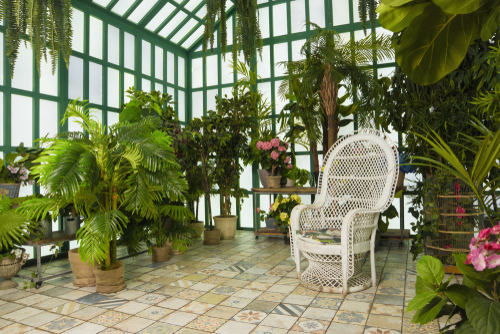
Screened porches were common in older homes as a way to enjoy the outdoors without insects. They were functional spaces used daily, not decorative extras. Families ate meals, read newspapers, and napped there. Modern homes often replace them with decks or patios.
The difference is usability. Screened porches extended living space without full climate control. They worked because people adapted to the seasons. Today’s designs favor year-round interiors instead.
11. Heavy Interior Doors with Real Hardware
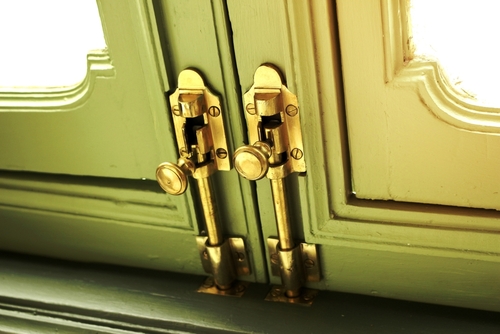
Interior doors in grandparents’ homes were often solid wood. They used real metal knobs and latches that could be repaired or replaced. These doors provided sound insulation and privacy. Modern hollow-core doors don’t offer the same feel or function.
The reason they’re hard to replicate is cost and labor. Solid doors require more material and skilled installation. They were meant to stay with the house indefinitely. Today, doors are often treated as interchangeable parts.
12. Furniture Meant to Be Reupholstered
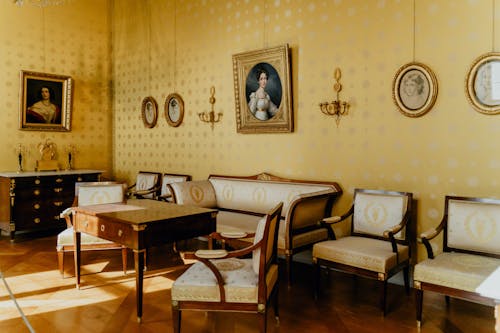
Grandparents owned sofas and chairs built with hardwood frames. When fabric wore out, the piece was reupholstered instead of discarded. This extended the furniture’s life by decades. Modern furniture is rarely designed for this process.
The reason this matters is sustainability and craftsmanship. Upholstery assumed the frame was worth saving. Styles could change without replacing the structure. Today’s furniture often isn’t built to survive a second life.
This post Grandparents Owned These Items That Modern Homes Just Can’t Replicate was first published on Greenhouse Black.
