
1. Clarksdale, Mississippi
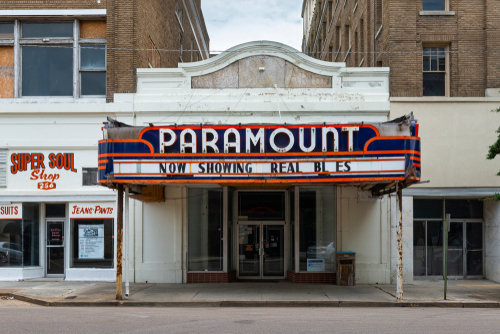
Clarksdale’s cultural significance and affordability make it stand out in the Delta region. The town has seen increased tourism tied to music history and heritage travel. Housing prices remain very low relative to national averages. That kind of gap doesn’t persist forever once outside interest grows.
Buyers often overlook Clarksdale because it’s small and rural. But niche tourism and remote work don’t require large populations to fuel demand. A few dozen outside buyers can dramatically impact a small market. That’s why early movers often see the biggest gains.
2. Brunswick, Georgia

Brunswick sits near the Georgia coast, close to the Golden Isles, but without the resort-town pricing. The port and logistics industries provide steady employment, which gives the housing market real fundamentals. Homes are still affordable compared to coastal Florida or South Carolina. That gap is attracting buyers who want coastal access without coastal costs.
People tend to overlook Brunswick because it lacks the polish of nearby tourist destinations. But affordability plus proximity to beaches is a powerful combination. As nearby markets get pricier, spillover demand is almost inevitable. When that shift accelerates, prices here won’t stay low.
3. New Bedford, Massachusetts
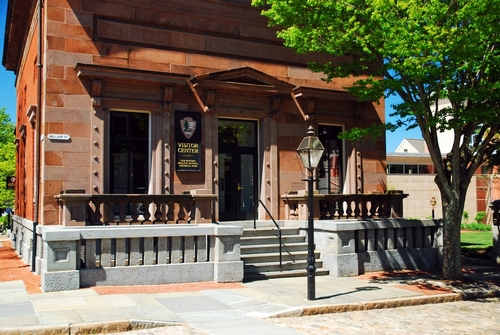
New Bedford has long been overshadowed by Cape Cod and Boston, but it’s increasingly part of the conversation. The city offers historic housing stock and waterfront access at prices that feel unusually low for Massachusetts. Infrastructure investments and renewable energy projects are adding economic momentum. Those changes tend to show up in housing values a few years later.
Some buyers still think of New Bedford as “past its prime,” which keeps demand artificially muted. But younger buyers are starting to see opportunity where others see neglect. As remote work expands the acceptable commuting radius, cities like this gain traction. That slow shift can turn into rapid appreciation.
4. Rome, Georgia

Rome benefits from being affordable while still having a real downtown and local economy. Manufacturing, healthcare, and education provide steady employment. Home prices remain low enough that first-time buyers and retirees both find it attractive. That broad appeal often signals future competition.
Because Rome isn’t near a major metro, it’s easy to dismiss. But that independence also shields it from volatile boom-and-bust cycles. As buyers focus more on affordability and livability, towns like Rome start showing up on shortlists. Once that happens, prices tend to rise steadily rather than explosively.
5. Marquette, Michigan
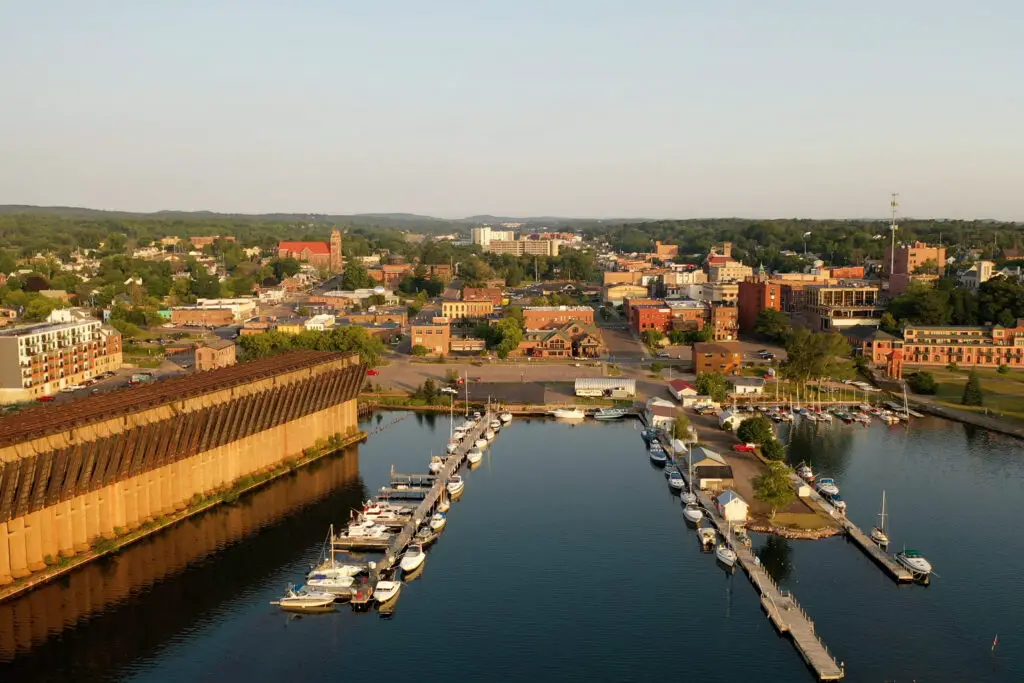
Marquette offers something increasingly rare: access to nature, a walkable town, and still-reasonable housing prices. Lake Superior, hiking trails, and a strong university presence give it year-round appeal. The buyer pool includes retirees, remote workers, and locals competing for limited inventory. That mix usually pushes prices upward.
Cold weather keeps some buyers away, which has kept prices lower than similar outdoor towns out West. But lifestyle-driven buyers are less deterred by climate than they used to be. As outdoor-focused living continues to trend, Marquette’s value proposition strengthens. Cheap doesn’t last long in places with limited housing supply.
6. Pine Bluff, Arkansas
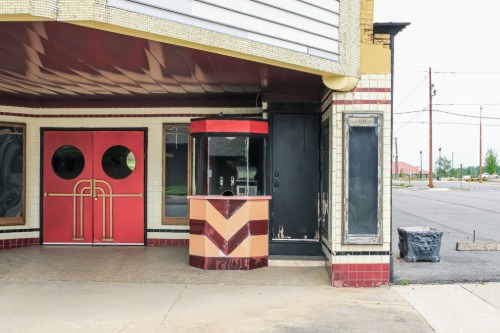
Pine Bluff remains one of the more affordable towns in the South, but that’s beginning to change. Its location within driving distance of Little Rock makes it attractive to commuters and investors. Revitalization efforts and industrial development are slowly reshaping the local economy. Those improvements often precede rising home values.
Many buyers still associate Pine Bluff with past economic struggles. That perception lags behind current reality, which is where opportunity lives. As housing costs rise across Arkansas, attention naturally shifts to nearby lower-cost markets. When sentiment catches up, prices usually follow.
7. Poughkeepsie, New York
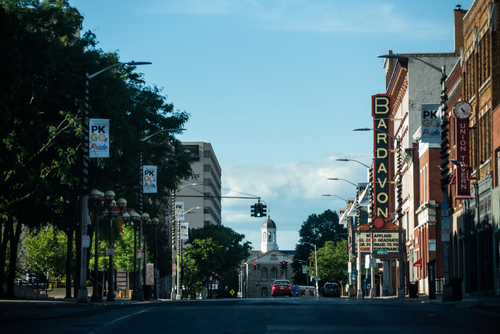
Poughkeepsie still flies under the radar compared to other Hudson Valley towns, but that gap is closing fast. It has Metro-North rail access to New York City, which makes it especially appealing to hybrid and remote workers. Home prices remain noticeably lower than in nearby Beacon or Rhinebeck. That relative affordability is starting to look like a short-term opportunity rather than a permanent feature.
Buyers often dismiss Poughkeepsie as “not as charming,” but that reputation ignores how much development is happening downtown. Restaurants, arts spaces, and riverfront improvements are slowly changing perceptions. Once commuter demand really kicks in, inventory will tighten quickly. When that happens, today’s prices will feel like a bargain in hindsight.
8. Wheeling, West Virginia
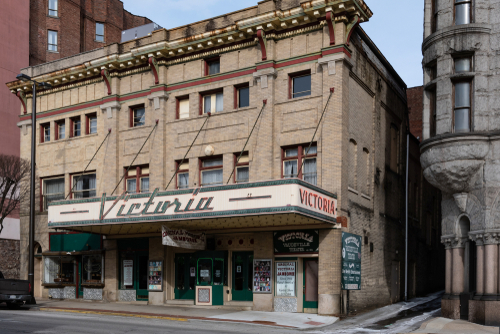
Wheeling offers historic architecture and river views at prices that feel almost outdated. Its proximity to Pittsburgh makes it appealing to commuters who want more house for their money. Employment stability in healthcare and education supports long-term demand. The value proposition is hard to ignore.
West Virginia’s broader reputation keeps many buyers away, which helps keep prices down. But proximity to a major metro changes the equation. As Pittsburgh prices rise, nearby alternatives become more attractive. That kind of spillover demand rarely reverses once it starts.
9. Hot Springs, Arkansas
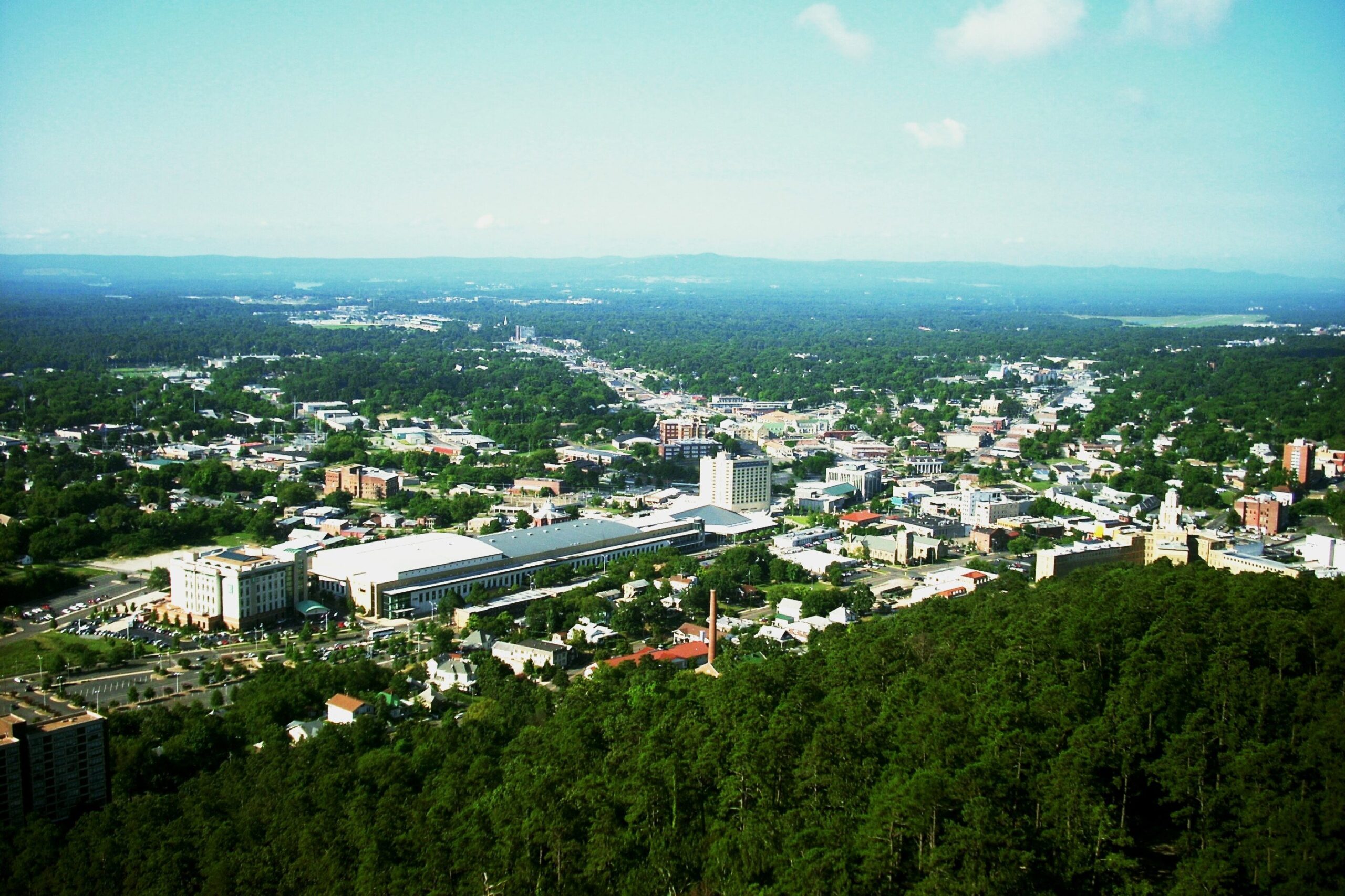
Hot Springs blends affordability with tourism, which is an unusual combination. The national park, historic bathhouses, and lake access draw visitors year-round. That steady flow supports short-term rentals and second-home demand. Meanwhile, full-time residents still benefit from low home prices.
Because it’s a tourism town, some buyers worry about volatility. But diversified demand often stabilizes housing markets rather than destabilizing them. As more buyers look for lifestyle-driven locations, Hot Springs checks a lot of boxes. That increased attention puts pressure on prices.
10. Jamestown, New York
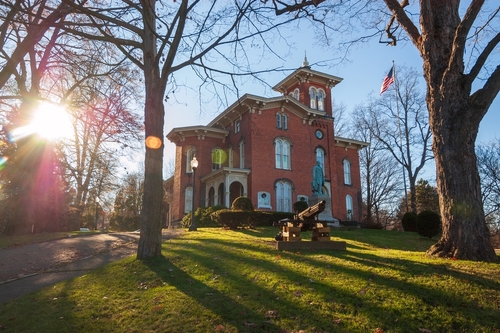
Jamestown is still very affordable compared to other upstate New York towns. Its small size and industrial past have kept it overlooked for years. However, remote workers looking for low-cost living are beginning to notice places like this. Affordability plus decent amenities is a strong draw.
Skepticism keeps demand low for now, which is exactly why prices remain reasonable. But once migration trends favor smaller, cheaper towns, Jamestown fits the profile. Even modest population growth can tighten inventory quickly. That’s how quiet markets turn competitive.
11. Florence, Alabama
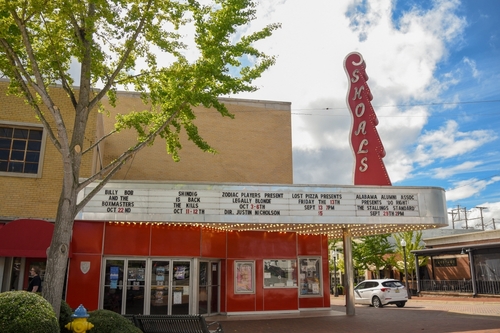
Florence offers a mix of college-town energy and small-city affordability. The presence of the University of North Alabama supports rental demand and local businesses. Housing prices are still accessible to first-time buyers. That combination attracts both residents and investors.
Many buyers overlook Florence because it lacks national buzz. But stable, low-drama markets often perform better over time. As Alabama continues to draw in-migrants, smaller cities benefit first. Once awareness grows, prices usually adjust upward.
12. Elizabethtown, Kentucky
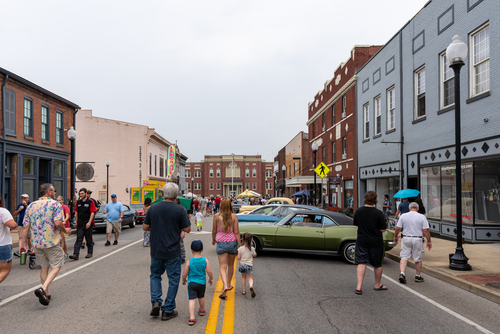
Elizabethtown sits between Louisville and Nashville, making it a strategic location. Manufacturing and logistics jobs provide steady employment. Home prices remain low compared to nearby metros. That gap makes it attractive to commuters and relocating families.
Because it’s not flashy, Elizabethtown doesn’t get much attention. But practical buyers tend to value location and affordability over hype. As housing costs rise in surrounding areas, demand shifts outward. That pressure tends to raise prices steadily rather than suddenly.
13. Redding, California

Redding is one of the last relatively affordable towns in California. It offers outdoor access, warm weather, and a lower cost of living than coastal cities. Buyers priced out of Sacramento and the Bay Area increasingly look here. That migration has already started to influence prices.
Wildfire risk and remoteness keep some buyers away, which tempers demand. But California buyers are accustomed to tradeoffs for affordability. As long as in-state migration continues, towns like Redding won’t stay cheap. Limited inventory makes upward pressure almost unavoidable.
14. Danville, Virginia
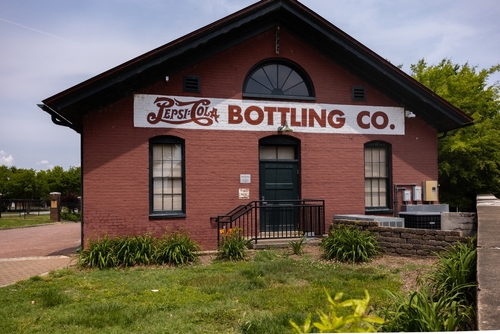
Danville has undergone quiet but meaningful revitalization in recent years. Investments in downtown, education, and manufacturing have improved its economic outlook. Home prices remain low compared to much of Virginia. That discrepancy attracts buyers looking ahead rather than chasing trends.
Past decline still shapes perceptions, which holds prices down for now. But housing markets tend to reward improving fundamentals, not outdated reputations. As regional growth spreads beyond major metros, Danville becomes more compelling. When perception changes, pricing usually follows quickly.
This post 14 Towns Buyers Are Overlooking That Won’t Stay Cheap was first published on Greenhouse Black.
