
1. Learning a Few Local Words
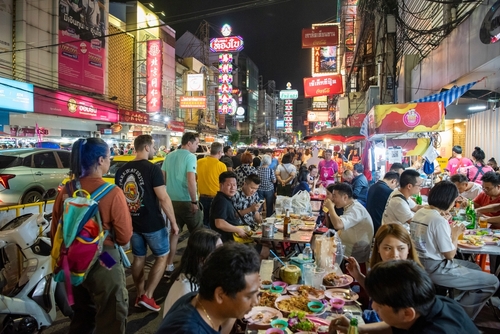
You don’t need fluency, but a sincere hello and thank you go a long way. In many places, opening with the local language signals respect rather than entitlement. It shows you’ve made an effort instead of expecting everyone to adapt to you. That effort is often noticed immediately.
This matters because first impressions shape how locals engage with you. Service workers and shop owners tend to be more patient when they feel acknowledged. In destinations with heavy tourism, people quickly distinguish engaged visitors from detached ones. A basic greeting helps establish goodwill instead of distance.
2. Dressing to Match the Setting

Clothing is one of the fastest visual signals of whether someone belongs. Dressing like locals doesn’t mean copying them exactly or sacrificing comfort. It means paying attention to modesty norms, footwear, and how formal or casual people appear. Even small adjustments can reduce how much you stand out.
This matters because extreme tourist dress can signal carelessness or wealth. In some places, that attracts theft or scams, while in others it reads as disrespect. Locals often judge intentions based on appearance. Blending in helps you move without being constantly evaluated.
3. Understanding Personal Space Norms
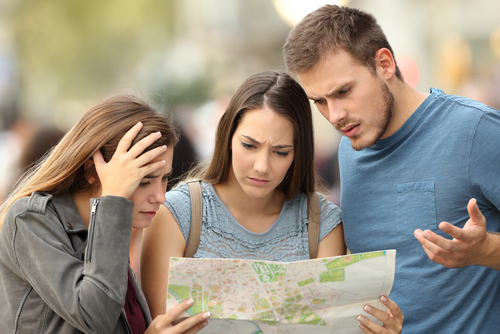
Personal space expectations vary widely by culture. Some societies expect close proximity, while others value physical distance. Watching how locals interact gives immediate guidance. Adjusting your behavior shows social awareness.
This is important because discomfort often gets interpreted as mistrust. Standing too close or too far away can make interactions feel strained. Locals may become guarded if you ignore these cues. Respecting space allows conversations to feel natural.
4. Knowing When Photos Are Not Appropriate
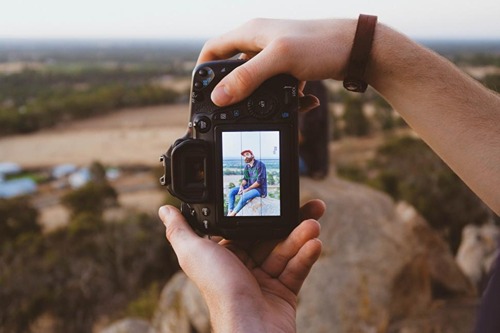
Not everything interesting is meant to be photographed. Markets, religious sites, and private homes often have unspoken rules. Watching what locals photograph is a reliable indicator. Asking permission when unsure shows respect.
This matters because photography can feel invasive or exploitative. People may feel reduced to objects rather than participants in daily life. Communities affected by overtourism are especially sensitive to cameras. Thoughtful restraint makes you feel like a guest, not a spectator.
5. Following Local Rules Even When No One Is Watching
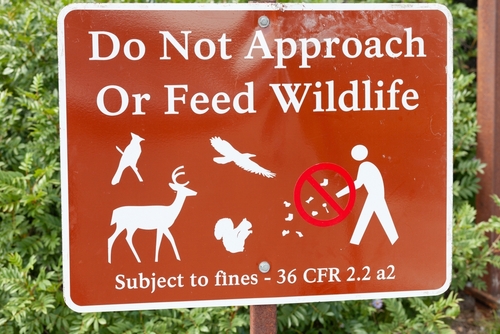
Ignoring posted signs or local regulations is quickly noticed. Locals can tell when visitors treat rules as optional. That behavior signals that you see yourself as outside the community. It creates social distance immediately.
This habit matters because rules reflect shared values and safety concerns. Breaking them can inconvenience or endanger others. In many places, enforcement relies on social trust rather than strict policing. Following rules quietly builds credibility.
6. Eating Where and How Locals Do
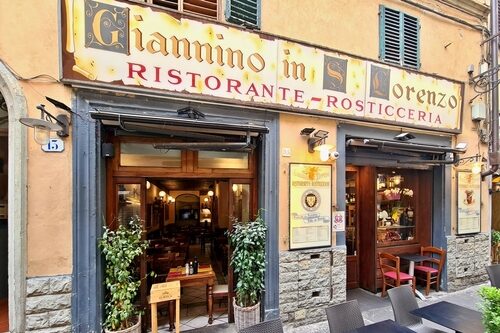
Choosing local eateries instead of tourist-only spots changes how you’re perceived. Observing how people order, eat, and interact with staff is important. Meal times, pacing, and table manners all carry meaning. Mimicking these norms shows attentiveness.
This matters because food spaces are deeply cultural. Acting impatient or overly demanding can read as disrespectful. When you follow local dining rhythms, staff relax around you. Relaxed interactions often lead to warmer service and better experiences.
7. Being Aware of Noise Levels
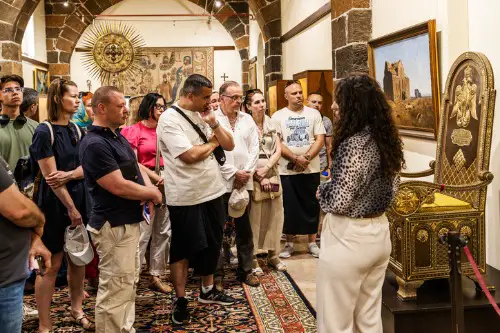
Volume expectations differ widely across cultures. What feels like normal conversation to you may sound disruptive elsewhere. Paying attention to public transit, cafes, and neighborhoods offers guidance. Matching the ambient noise shows consideration.
This is important because loudness draws attention instantly. Locals often associate excessive noise with disorder or entitlement. Quiet awareness helps you blend into everyday life. Blending in reduces scrutiny.
8. Respecting Queues and Turn-Taking

Lines exist everywhere, even when they aren’t obvious. Sometimes they are physical, and sometimes they are implied through eye contact or positioning. Watching how locals wait prevents misunderstandings. Cutting ahead is almost universally resented.
This habit matters because fairness is a social cornerstone. Violating it can cause immediate irritation or confrontation. Even informal systems have an understood order. Respecting that order signals cooperation.
9. Limiting Public Displays of Wealth

Flashy behavior draws attention in any destination. Counting cash openly or wearing highly expensive items signals vulnerability. It can also feel insensitive in places with economic inequality. Modesty reduces unnecessary focus.
This matters because visible wealth shifts power dynamics. Locals may see you as a target rather than a peer. In some regions, it can affect pricing or treatment. Keeping valuables discreet helps interactions stay neutral.
10. Observing Before Acting
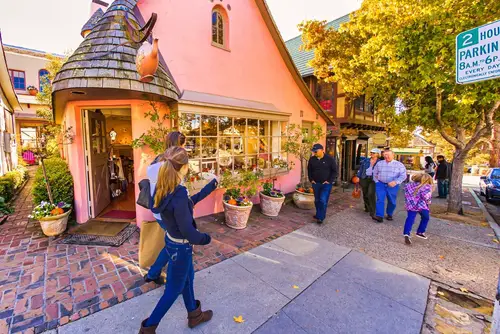
Jumping into unfamiliar situations without watching first can cause friction. Simple things like how to enter a shop or greet someone vary widely. Taking a moment to observe locals provides context. That pause often prevents mistakes.
This habit matters because observation shows humility. Locals tend to be more forgiving when they see you trying to learn. Acting first and correcting later can feel careless. Watching first builds smoother interactions.
11. Treating Places Like Homes, Not Attractions
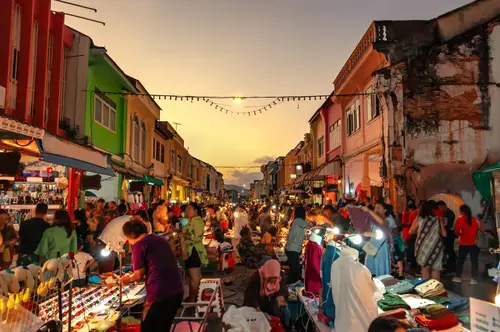
Remember that people live where you’re visiting. Streets, beaches, and neighborhoods are part of daily life, not backdrops. Treating them with care reflects awareness. Small actions like cleaning up after yourself matter.
This matters because repeated tourist behavior shapes local attitudes. Communities that feel disrespected become wary of outsiders. Respectful behavior helps preserve access and openness. Being considerate turns you into a welcome presence rather than a watched one.
This post Travel Habits That Separate Welcome Guests from Watched Ones was first published on Greenhouse Black.
