
1. Vintage Levi’s 501 Jeans with Selvedge Denim
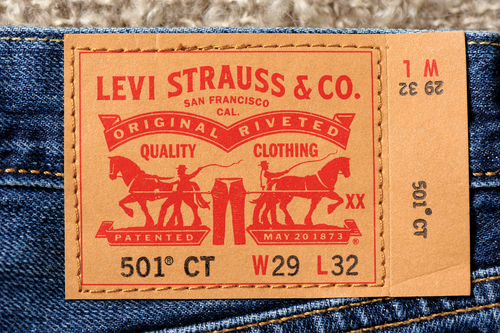
If there’s an old pair of Levi’s folded in a closet, collectors want to know the details immediately. Jeans made before the early 1970s often used selvedge denim from mills like Cone, and that fabric construction matters enormously. A red “Big E” tab, hidden rivets, or single-needle stitching can dramatically change value. These details help date the jeans and connect them to specific manufacturing eras that serious denim collectors track closely.
Collectors prize these because they represent craftsmanship that no longer exists at scale. Many pairs survived only because someone stopped wearing them and tucked them away. Closet storage preserved original fades, fabric weight, and construction features. That makes them historical artifacts of American workwear, not just old pants.
2. First-Generation Video Game Consoles and Boxes
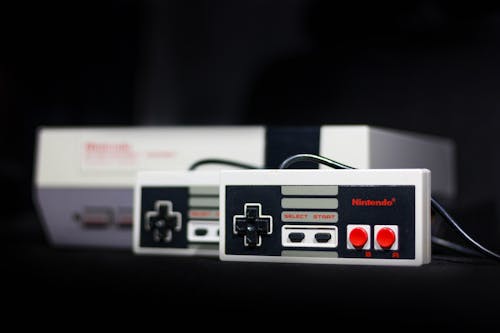
Old game consoles are common, but early versions with original packaging are not. Systems like the Atari 2600, NES, or Sega Genesis gain significant value when the box, manuals, and inserts are present. Collectors care about specific model numbers and even small design changes on labels. A console forgotten in a closet is more likely to have avoided heavy wear and sun damage.
What really matters is completeness and condition. Cardboard boxes were usually thrown away, so surviving ones raise collector interest immediately. Closet storage often protected packaging from moisture and crushing. That preservation turns nostalgia into a serious collecting category.
3. Mechanical Wristwatches from Defunct Brands
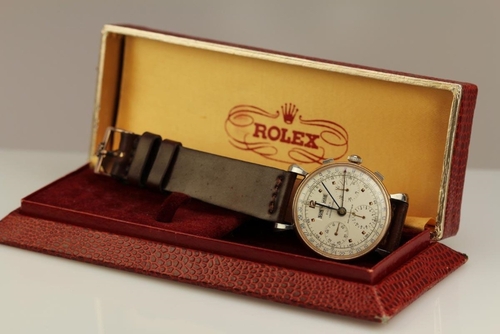
A watch tucked away in a sock drawer might be more important than it looks. Brands like Universal Genève, Enicar, or Benrus once made high-quality mechanical watches that are now highly collectible. Collectors focus on original dials, correct hands, and unpolished cases. Closets often kept these watches safe after quartz models replaced them.
Mechanical watches gain value when originality remains intact. Servicing trends decades ago sometimes replaced parts, but untouched examples are increasingly rare. Closet finds often avoided unnecessary repairs. That makes them especially appealing to horology collectors.
4. Vintage Concert T-Shirts from the 1970s and 1980s
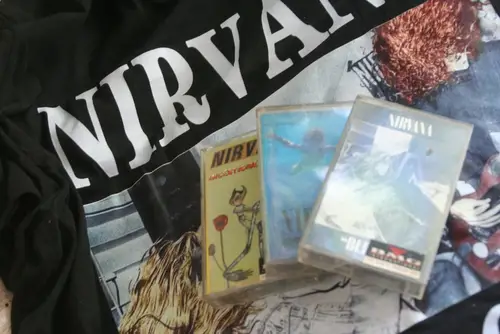
Old band shirts are no longer just souvenirs. Shirts from tours by bands like Led Zeppelin, The Rolling Stones, or Metallica can sell for thousands if authentic. Collectors check single-stitch hems, specific tag brands, and tour dates printed on the shirt. Closet storage helped prevent overwashing and fabric thinning.
These shirts matter because they document live music history. Many were worn until they fell apart, so survivors are scarce. Closet-kept shirts often retain sharp graphics and original sizing. That condition makes them wearable artifacts rather than fragile memorabilia.
5. First-Edition Hardcover Books with Dust Jackets
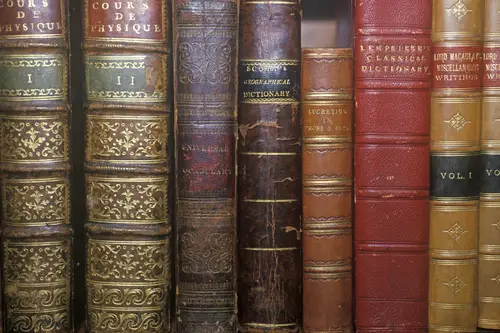
A hardcover book isn’t necessarily valuable, but the right edition can be. First editions of authors like J.D. Salinger, Toni Morrison, or Ray Bradbury matter most when the dust jacket is intact. Collectors verify printing indicators, publisher information, and jacket price markings. Closets protected these books from light and shelf wear.
Dust jackets are critical because they were considered disposable. Many were lost or damaged early on. Closet storage often kept jackets crisp and unfaded. That dramatically affects a book’s desirability and market value.
6. Vintage Cameras and Original Lenses

Film cameras from brands like Leica, Nikon, and Rolleiflex are highly collectible. What collectors care about most is condition, lens clarity, and matching serial numbers. Closet-stored cameras were often retired gently when digital photography emerged. That reduced exposure to dust, humidity, and rough handling.
Original lenses are especially important. Many cameras lost their lenses over time or were mismatched. A complete camera set suggests careful ownership. Closet finds often preserve that original pairing.
7. Mid-Century Costume Jewelry by Known Designers
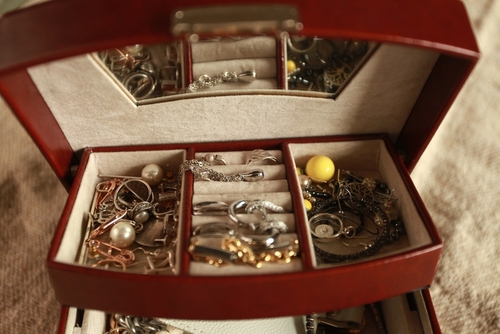
Costume jewelry isn’t automatically disposable. Pieces by designers like Miriam Haskell, Trifari, or Coro are actively collected. Collectors look for maker’s marks, construction techniques, and intact stones. Closets often kept these pieces away from daily wear damage.
These items matter because they reflect design trends and manufacturing techniques. Many were handmade or partially assembled by skilled artisans. Closet storage reduced tarnish and loss. That preservation boosts both historical and monetary value.
8. Vintage Sports Equipment with Player Associations
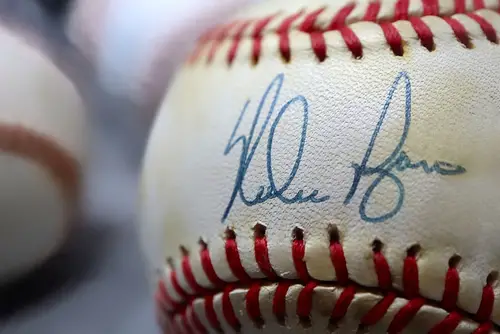
Old sports gear becomes collectible when linked to specific eras or athletes. Items like wooden tennis rackets, early golf clubs, or leather football helmets draw serious interest. Collectors look for manufacturer stamps, model names, and period-correct materials. Closets often stored retired equipment after rule or technology changes.
Condition matters more than people expect. Equipment that wasn’t played with extensively survives better. Closet-kept items often avoided cracking, warping, or excessive wear. That makes them valuable reference pieces for sports history.
9. Original Movie Posters and Lobby Cards
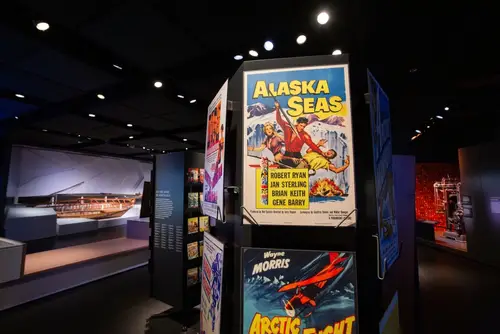
Folded paper in a closet might be cinematic gold. Original movie posters from classic films are highly sought after, especially pre-1980s releases. Collectors care about country of origin, printing size, and original fold lines. Closets often protected posters from sunlight and framing damage.
These items matter because they were meant to be temporary advertising. Most were destroyed after theatrical runs. Closet storage preserved color saturation and paper quality. That turns promotional ephemera into museum-grade collectibles.
10. Early Personal Computers and Accessories
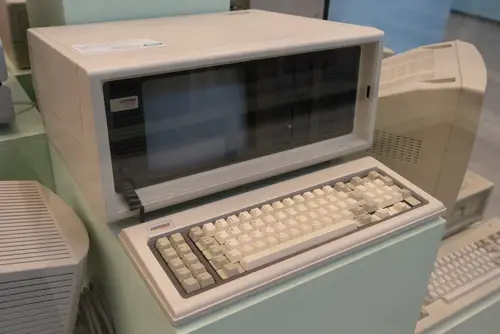
Computers from the late 1970s and early 1980s are now collectible. Models like the Apple II, Commodore 64, or IBM PC matter most when accessories are included. Collectors verify keyboards, disk drives, and original cables. Closets often stored these systems once they became obsolete.
Original packaging and manuals increase value significantly. Many owners kept everything together when storing them away. Closet storage prevented yellowing and component loss. That completeness is rare and valuable today.
11. Vinyl Records with Original Pressings
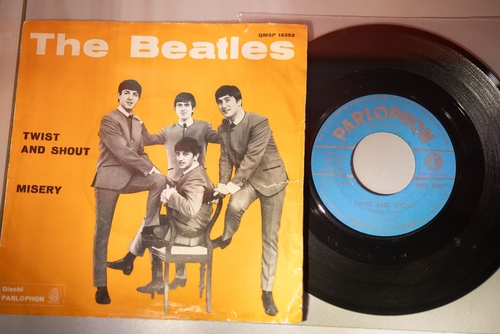
Not all old records are valuable, but early pressings can be. Collectors check label variations, matrix numbers, and cover construction. Albums from artists like The Beatles, Miles Davis, or Pink Floyd are especially scrutinized. Closets often stored records upright and away from heat.
Original pressings capture sound quality and production details later versions lack. Many records were replaced by CDs and forgotten. Closet storage often preserved sleeves and vinyl surfaces. That condition makes a huge difference to collectors.
12. Childhood Toys Still in Original Packaging
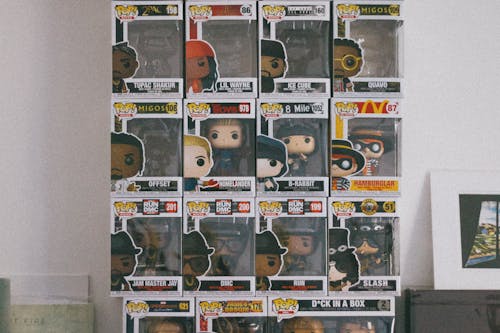
Toys from the 1960s through 1990s are increasingly collectible. Items like Star Wars figures, Barbie dolls, or Transformers matter most when unopened. Collectors inspect packaging seals, graphics, and manufacturing dates. Closets often hid gifts that were never opened.
Packaging is everything in toy collecting. Most boxes were torn open immediately. Closet-kept toys avoided play damage entirely. That untouched state turns nostalgia into serious collector demand.
This post Objects Hiding in Closets That Suddenly Matter to Serious Collectors was first published on Greenhouse Black.
