
1. Rolling In After Quiet Hours Without a Heads-Up
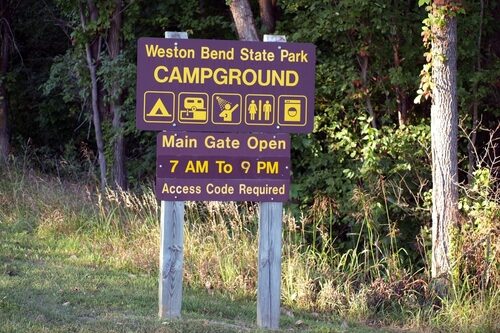
Hosts expect the occasional late arrival, especially when weather or traffic causes delays. What they remember is when headlights sweep across occupied sites and doors slam well after posted quiet hours. Those hours exist to protect sleep, not to create unnecessary rules. One surprise arrival can wake multiple camps and ripple through the loop.
If guests call ahead, hosts can often give instructions for low-impact parking or delayed setup. Many campgrounds have specific protocols for late arrivals that reduce disruption. Skipping that communication signals disregard for everyone already settled in. Hosts may tolerate it once, but the site number sticks in their mind.
2. Treating Quiet Hours Like a Suggestion
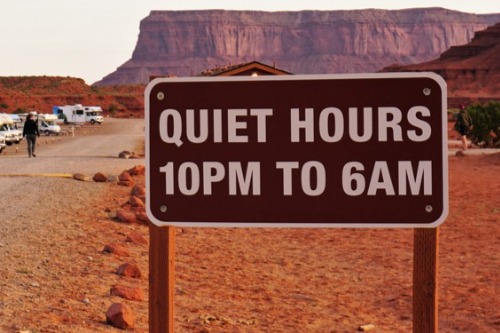
Most campers understand that quiet hours mean voices down and electronics off, not just lower. Hosts notice when laughter, music, or generators continue past the cutoff time. Sound travels far in campgrounds, especially at night. One noisy site can affect dozens of others.
Hosts may issue a friendly reminder the first time. Repeated noise forces them into enforcement mode, which nobody enjoys. Campers who ignore quiet hours are often the same ones who resist correction. That combination is memorable.
3. Letting Kids or Pets Roam Unsupervised
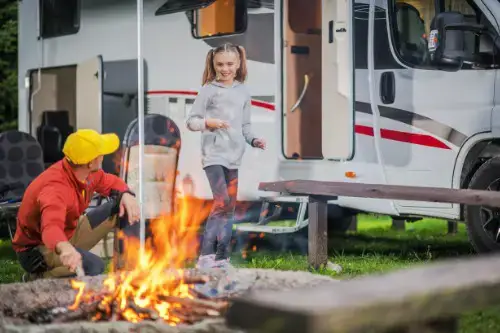
Campgrounds are shared spaces with roads, wildlife, and strangers. Hosts tolerate brief lapses in supervision because parenting and pet ownership aren’t perfect. What stands out is consistent wandering, especially near other campsites. Safety is the core concern, not judgment.
Loose pets can enter other sites, trigger allergies, or provoke wildlife. Unsupervised kids may cross roads or interfere with others’ equipment. Hosts are responsible for overall safety and liability. When boundaries are ignored, it becomes a mental note.
4. Ignoring Fire Ring Rules
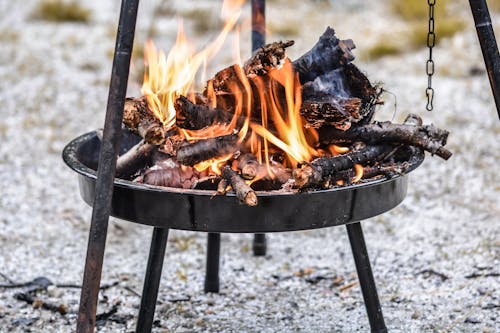
Fire rules are some of the most strictly regulated campground policies. Hosts may allow a small mistake, like using slightly oversized wood, once. What they remember is when fires are built outside rings or left unattended. Those actions raise wildfire risk immediately.
Many campgrounds operate under permits or seasonal fire restrictions. Hosts can be fined or shut down for violations. When a guest disregards fire rules, it puts the entire campground at risk. That seriousness makes the behavior unforgettable.
5. Dumping Gray Water on the Ground
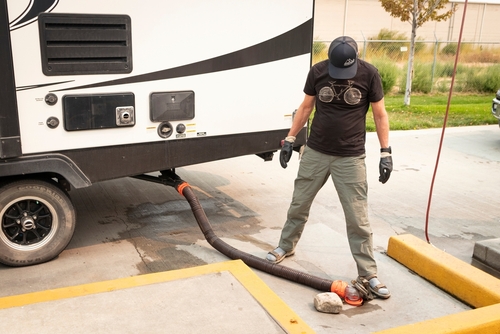
Some first-time campers genuinely don’t understand gray water rules. Hosts might explain proper disposal without frustration the first time. What sticks is when someone continues dumping sink or shower water on the ground. This can attract animals and contaminate soil.
Most campgrounds have designated dump stations or specific instructions. Gray water often contains food particles and soap, even if labeled biodegradable. Improper dumping creates sanitation issues quickly. Hosts remember the site that smells or draws pests.
6. Using Another Site’s Amenities Without Asking
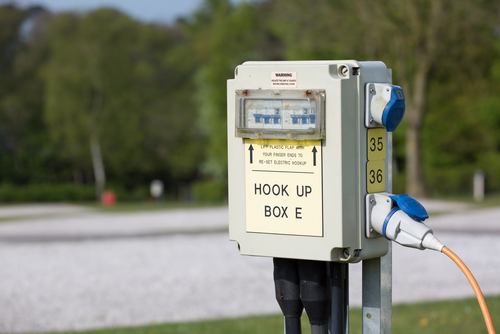
Borrowing an empty picnic table or fire ring might seem harmless. Hosts notice when guests assume shared access to assigned spaces. Campsites are rented individually for a reason. Using another site’s amenities can cause conflict between campers.
Hosts may smooth things over once to keep the peace. Repeated boundary crossing suggests entitlement rather than misunderstanding. It often leads to complaints that hosts must mediate. Those situations linger in memory.
7. Leaving Trash Outside Overnight
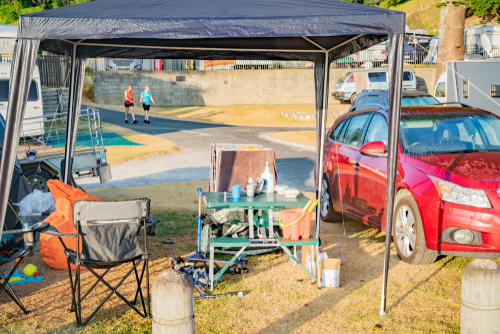
Most campgrounds clearly explain trash storage rules, especially in wildlife areas. Hosts tolerate one forgotten bag if it’s promptly corrected. What they remember is trash left out overnight after warnings. This attracts animals and creates dangerous habituation.
Once wildlife associates campsites with food, problems escalate quickly. Hosts may have to deal with damaged property or aggressive animals. Cleanup becomes more difficult and time-consuming. The responsible site is rarely forgotten.
8. Parking Vehicles Where They Don’t Belong
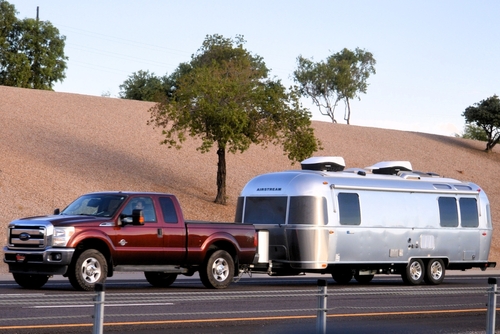
Parking rules are often about access for emergency vehicles and maintenance. Hosts understand confusion when signage is unclear. What stands out is when guests ignore instructions or block roads. Even temporarily, this can create safety issues.
Fire trucks and ambulances need clear access at all times. Illegally parked vehicles delay response times. Hosts remember the license plate that required a knock on the door. Safety violations carry weight.
9. Arguing About Clearly Posted Rules

Most hosts are happy to explain the why behind campground rules. They tolerate questions and polite disagreement. What they remember is confrontational pushback over posted policies. Arguing puts hosts in an adversarial role.
Rules often come from land managers or insurance requirements. Hosts don’t usually have authority to change them. Prolonged arguments slow down their work and affect other guests. That kind of interaction is hard to forget.
10. Leaving the Site Dirty at Checkout
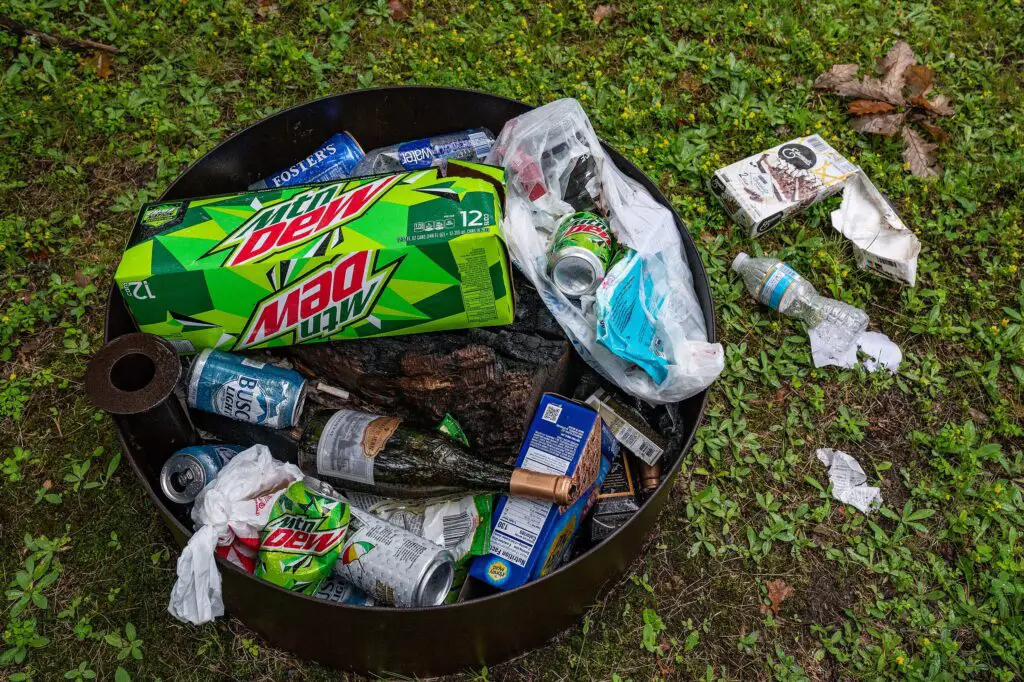
Hosts expect some normal wear from camping. They may overlook minor messes once, especially during peak season. What sticks is excessive trash, food scraps, or abandoned gear. Cleaning time directly affects turnover and availability.
Most campgrounds operate on tight schedules between checkouts and arrivals. A trashed site can delay the next guest. Hosts remember which sites require extra cleanup. Patterns become clear over time.
11. Feeding Wildlife “Just This Once”
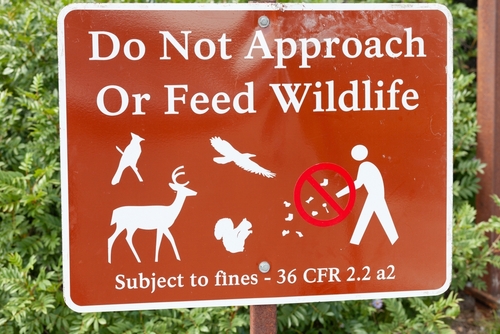
Many campers claim they’re making an exception for a special moment. Hosts tolerate a single incident if it’s quickly corrected. What they remember is deliberate feeding after warnings. This behavior changes animal behavior fast.
Wildlife that associates humans with food becomes dangerous and often euthanized. Hosts are tasked with preventing that outcome. Feeding animals undermines those efforts. The emotional toll makes it memorable.
12. Skipping Checkout Procedures Without Communication
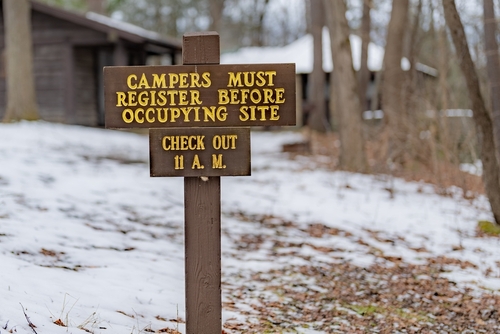
Checkout instructions often include key returns, site checks, or departure times. Hosts understand honest mistakes or emergencies. What they remember is when guests leave without notice or ignore procedures entirely. This creates uncertainty and extra work.
Unconfirmed departures can delay cleaning or trigger unnecessary welfare checks. Hosts rely on communication to keep operations running smoothly. A simple message can prevent confusion. Silence tends to stand out.
This post Campground Behaviors Hosts Tolerate Once—Then Remember was first published on Greenhouse Black.
