
1. Military Items Without Dramatic Presentation
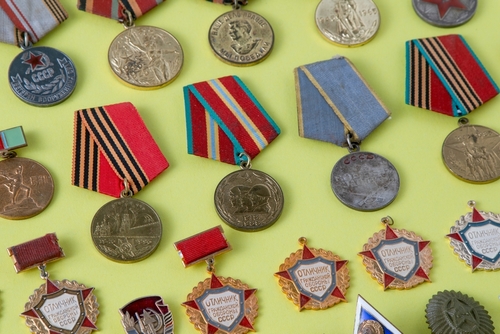
Thrift stores expect medals and uniforms to look impressive. Dealers examine tags, stitching, and insignia placement. Authentic military items often look plain and well-worn. Specific unit markings or dates create value.
Dealers verify whether items are original or reproduction. Small details like thread type or font matter. Even incomplete items can be collectible. Thrift stores often miss the nuance entirely.
2. Vintage Lenses Attached to Cheap Cameras

Thrift stores usually price old cameras as decorative objects or obsolete tech. Dealers immediately check the lens mount and manufacturer. Older lenses from brands like Canon FD, Nikon F, Leica, or Zeiss can be valuable on their own. Sometimes the camera body is worthless, but the lens is not.
Dealers know lenses can be adapted for modern digital cameras. They also inspect for smooth focus rings and intact glass. Even cosmetic wear doesn’t always matter if the optics are clean. Thrift stores often sell the entire camera cheaply without separating components.
3. Early Editions of Books Without Dust Jackets
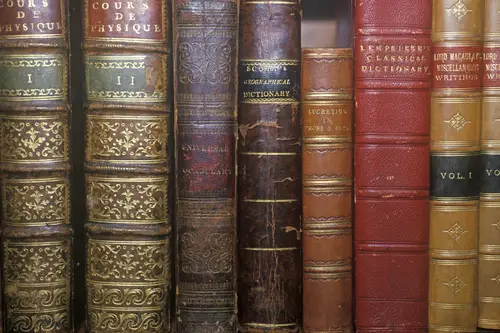
Most thrift stores look for a dust jacket before considering value. Dealers open the book and check the copyright page first. First printings, book club variants, and early editions can still be desirable without jackets. The printing number line or stated edition tells the real story.
Certain authors remain collectible even in worn condition. Dealers know which titles are frequently reprinted and which are not. Libraries often discard these quietly valuable books. Thrift stores tend to price all hardcover books the same.
4. Old Board Games with Complete Components

Thrift stores often open a board game, glance inside, and tape it shut. Dealers carefully count pieces against the original component list. Many vintage board games are valuable only if complete. Missing a single card or token can drastically reduce resale value.
Dealers also check the copyright date and publisher variation. Early printings often differ from later mass-market versions. Games from the 1960s through 1980s are especially prone to this oversight. Thrift stores rarely research specific editions.
5. Solid Wood Furniture Disguised by Paint
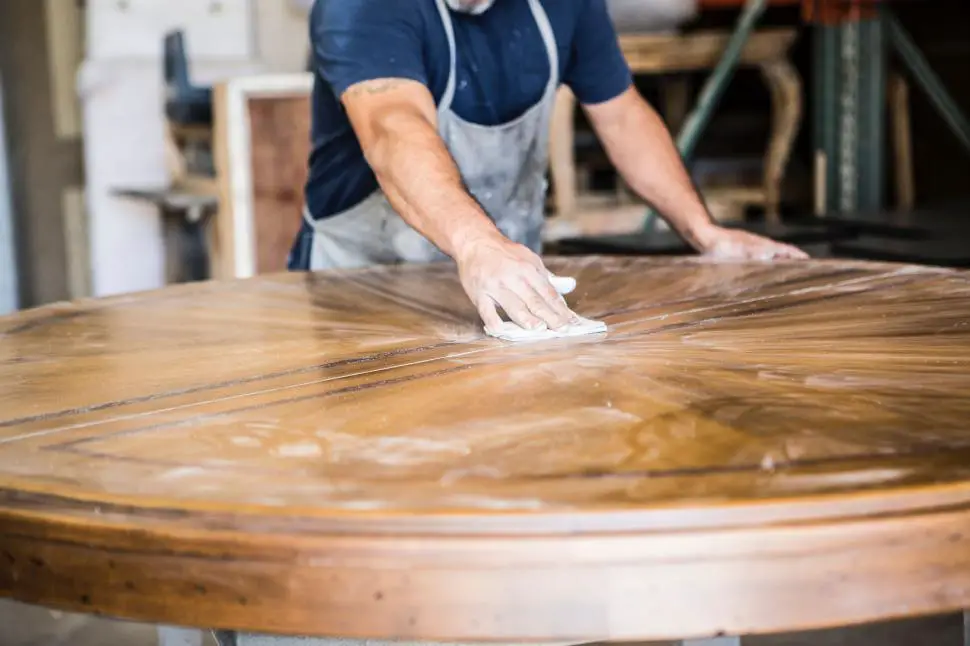
Painted furniture is often dismissed as DIY or damaged. Dealers look underneath for dovetail joints, wood grain, and construction methods. Solid wood furniture can be stripped and restored. Veneer and particleboard usually cannot.
Dealers also check the back and underside for maker stamps. Older furniture often hides quality craftsmanship behind ugly finishes. Thrift stores price painted pieces low assuming they are inferior. Dealers see restoration potential instead.
6. Vintage Clothing Union Labels
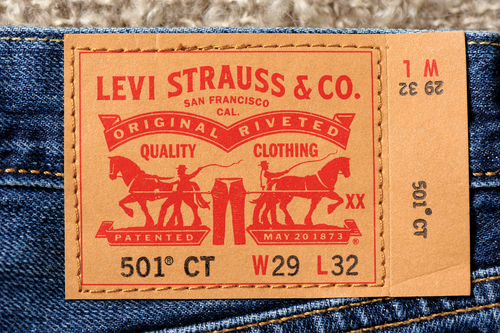
Thrift stores focus on brand names modern shoppers recognize. Dealers inspect interior tags for union labels and manufacturing details. Union labels help date garments and indicate domestic production. This matters for collectibility and resale value.
Older clothing was often better constructed regardless of brand. Dealers know how stitching, fabric, and labeling changed over time. A no-name dress from the 1950s can outperform a modern designer piece. Thrift stores rarely look beyond the hanger tag.
7. Old Tools with Obscure Brand Names
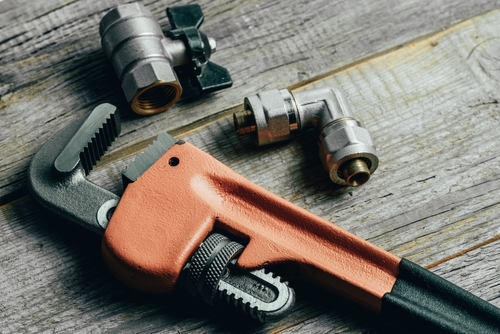
Rusty tools don’t excite thrift store staff. Dealers check brand markings cast into metal or stamped into handles. Some discontinued toolmakers are highly respected for steel quality. Condition matters less than manufacturer reputation.
Dealers know certain tools can be cleaned and restored easily. Hand planes, chisels, and wrenches are common examples. Older tools were often forged rather than mass-produced. Thrift stores usually lump all tools together at low prices.
8. Ceramics with Subtle Maker’s Marks
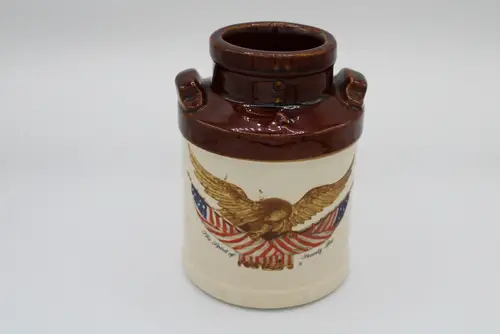
Thrift stores look for recognizable pottery styles or bright glazes. Dealers flip pieces over and examine the base closely. Many ceramic artists and factories used faint or stylized marks. These marks can dramatically affect value.
Some marks are incised, impressed, or partially worn away. Dealers memorize common symbols and regional styles. Even unsigned pieces can be identifiable by form and glaze. Thrift stores often price ceramics by size alone.
9. Vinyl Records in Plain Sleeves

Records without flashy covers are often ignored. Dealers pull them out and check labels, matrix numbers, and pressings. Early pressings of popular albums can be valuable even with worn sleeves. Label variations matter more than cover art.
Dealers also inspect the vinyl itself under light. Minor surface marks don’t always affect play. Thrift stores usually grade records visually and quickly. That leads to mispricing rare pressings.
10. Old Electronics with Original Components
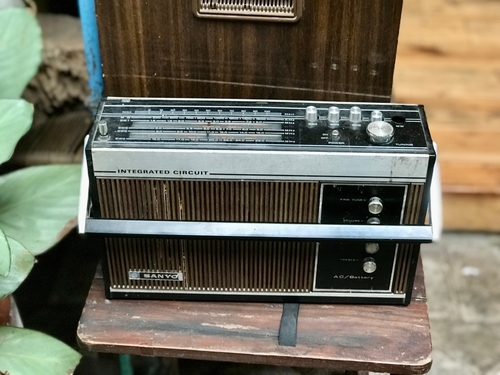
Thrift stores test electronics only for basic power. Dealers open backs and inspect internal parts. Original tubes, transformers, or boards can increase value. Replacement components often reduce collectibility.
Vintage audio equipment is a common example. Dealers know which models are prized for sound quality. Cosmetic damage matters less than originality. Thrift stores rarely look inside at all.
11. Ephemera Tucked Inside Books or Frames
Loose papers are often discarded during sorting. Dealers check inside books, frames, and folders carefully. Old letters, postcards, and photographs can have standalone value. Historical context matters more than condition.
Dealers understand regional and subject-specific demand. A handwritten note from an unknown person can still be collectible. Thrift stores aim to declutter, not preserve. Valuable paper items often get overlooked.
12. Mid-Century Kitchenware Materials
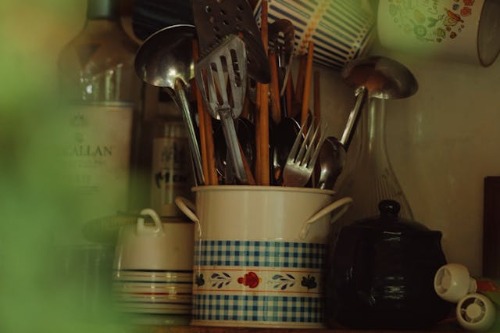
Thrift stores focus on pattern and color. Dealers look at material composition first. Certain plastics, glass formulas, and metals were only used briefly. That limited production drives collector interest.
Items like Pyrex, anodized aluminum, and early melamine vary by era. Dealers know which stamps or molds indicate desirable runs. Wear is often expected with kitchenware. Thrift stores price these items as everyday dishes.
13. Tiny Hallmarks on Jewelry
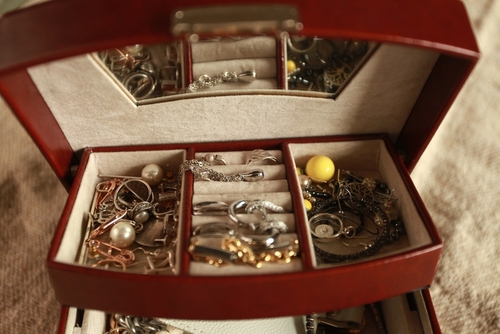
Most thrift stores glance at jewelry for sparkle and move on, but dealers go straight for the stamps. Those tiny marks inside rings or on clasps can reveal gold purity, silver content, or a recognized maker. A piece marked “14K,” “925,” or “Platinum” immediately signals intrinsic value. Dealers know these marks are regulated and rarely decorative.
These hallmarks are easy to verify later with testing or reference guides. Even jewelry that looks unfashionable can be worth money based on metal alone. Thrift stores often price jewelry by appearance, not composition. That pricing gap is where dealers make their margin.
14. Framed Art with Original Hardware Still Attached

Thrift stores usually judge framed art by the image on the front. Dealers flip frames over to inspect wire, nails, backing paper, and hanging methods. Original hardware can help date a piece and confirm authenticity. Modern replacement materials often lower collector interest.
Dealers know certain periods used specific nails, screws, or paper seals. Even amateur-looking art can gain value if the framing is period-correct. Gallery labels or handwritten notes are often hidden on the back. Thrift stores rarely check beyond the glass.
15. Old Advertising Items Without Famous Logos
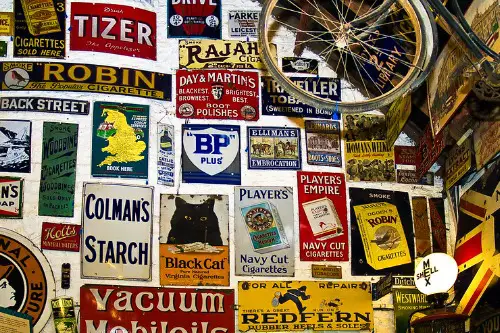
Thrift stores look for brands everyone recognizes immediately. Dealers focus on typography, printing methods, and regional businesses. Short-lived companies and local advertisers can be more desirable than national brands. Scarcity often outweighs name recognition.
Dealers also consider where and how the item was originally used. Cardboard displays, tin signs, and paper goods were meant to be disposable. Survival rates are low, which drives value. Thrift stores often lump these items in with generic décor.
16. Antique Textiles Folded into Miscellaneous Bins
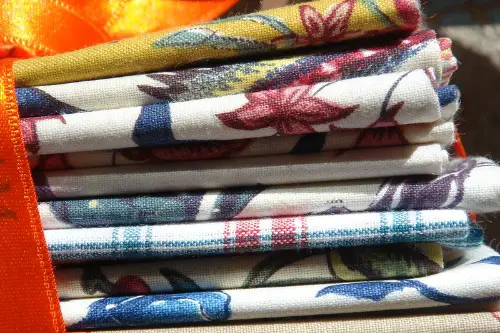
Thrift stores see folded fabric and assume it’s just old cloth. Dealers check weave, fiber type, and hand-stitching. Linen, wool, and early cotton can signal age and quality. Natural dyes also fade in recognizable ways.
Dealers know quilts, samplers, and lace were often handmade. Even damaged textiles can be valuable for study or restoration. Provenance sometimes comes from pattern alone. Thrift stores rarely unfold items fully to inspect them.
17. Vintage Bags with Forgotten Maker Names
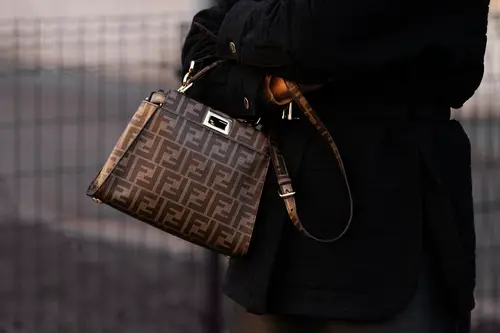
Thrift stores often price handbags by style alone. Dealers search for interior stamps, linings, and hardware marks. Many early bag makers were respected in their time but are no longer household names. Construction quality often matters more than branding.
Dealers test zippers, clasps, and stitching methods. Leather aging can indicate true vintage versus artificial distressing. Some bags were produced in small regional workshops. Thrift stores frequently miss these distinctions.
18. Old Holiday Decorations Outside the Current Season

Thrift stores push seasonal items quickly and cheaply. Dealers buy them specifically off-season when competition is low. Early Christmas, Halloween, and Easter decorations are highly collectible. Materials like glass, paper, and spun cotton signal age.
Dealers know which motifs and colors align with specific decades. Original boxes can double or triple value. Minor wear is expected for items used annually. Thrift stores focus on clearing shelves, not timing the market.
19. Maps and Atlases with Outdated Borders
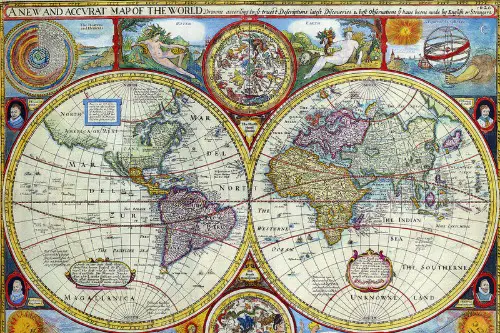
Thrift stores often see old maps as obsolete references. Dealers examine borders, place names, and political changes. Short-lived boundaries can make a map historically significant. Printing methods also help establish age.
Dealers look for hand-coloring, engraving, or publisher details. Even partial atlases can be valuable if maps are intact. Fold lines and edge wear are normal for authentic use. Thrift stores rarely research geographic context.
20. Early Plastic Items Showing Normal Wear

Thrift stores treat plastic as inherently low value. Dealers know early plastics like Bakelite, Catalin, and Celluloid are collectible. Color, translucence, and weight help identify them. Surface wear often confirms authenticity rather than detracting from it.
Dealers may test items discreetly to confirm material. Many early plastic items were everyday objects meant to be handled. Survival without cracks is a positive sign. Thrift stores usually price these as novelty items.
21. Small Metal Objects with Patent Numbers
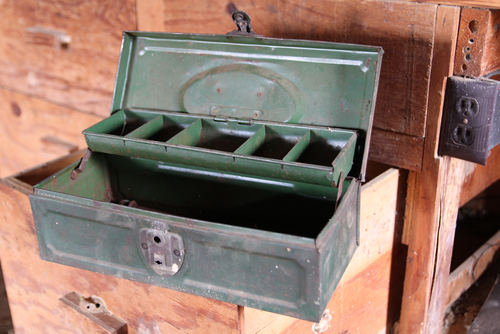
Thrift stores overlook small metal items as junk. Dealers look closely for stamped patent dates or numbers. These markings can pinpoint production windows. That information often ties directly to collectibility.
Dealers know patent numbers can be researched later. Items tied to specific inventions or improvements carry added interest. Even mundane tools or gadgets can benefit from this detail. Thrift stores rarely slow down enough to read stamps.
22. Old Photo Albums with Unidentified People
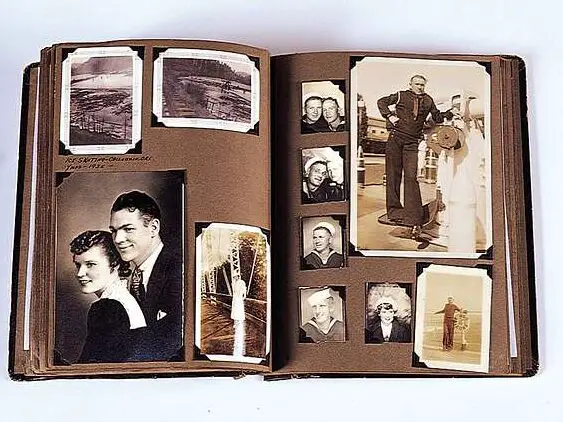
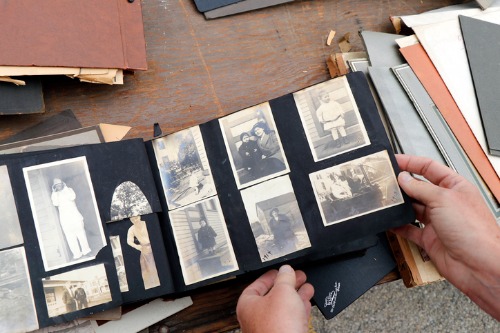
Thrift stores assume unidentified photos lack value. Dealers look at clothing, studio marks, and photo formats. Daguerreotypes, tintypes, and early prints are collectible regardless of subject. Dating details matter more than personal identity.
Dealers also check for locations written faintly on pages. Certain professions, uniforms, or events increase desirability. Albums often hold more value intact than separated. Thrift stores frequently break them up or discard them.
23. Paper Manuals and Instructions Separated from Objects
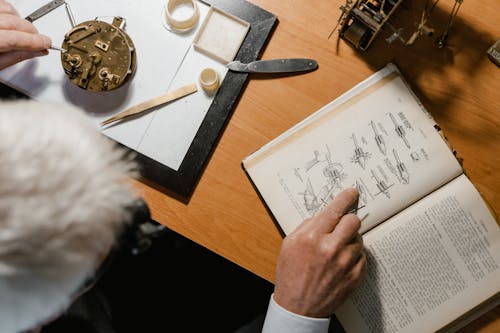
Thrift stores usually toss manuals into paper bins. Dealers know original instructions can significantly increase value. Manuals help authenticate age and completeness. They also appeal to serious collectors.
Dealers pair manuals with items later to boost resale prices. Even standalone manuals can be valuable for rare products. Condition matters less than originality. Thrift stores rarely connect paperwork to profit.
This post 23 Items Thrift Stores Miss That Dealers Check for First was first published on Greenhouse Black.
