
1. Mortise-and-Tenon Joinery
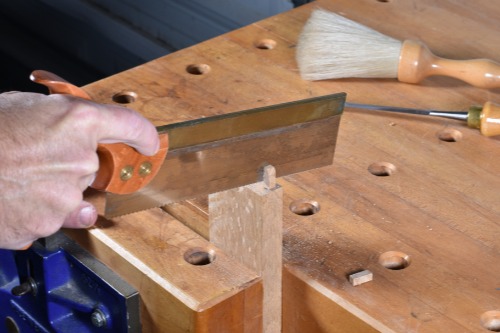
Mortise-and-tenon joinery shows up in old staircases, doors, and timber frames, and it relies on interlocking wood rather than metal fasteners. Before modern screws, this was the standard way to make structures strong yet flexible. When buyers or inspectors spot it, they recognize a technique that predates mass production. That history signals durability because many examples have already survived a century or more.
Its inclusion suggests the home was built or renovated with an understanding of traditional building logic. It also implies fewer shortcuts, since cutting these joints requires time and skill. In older homes, it often explains why doors still hang straight. In newer homes, it reads as a deliberate investment in longevity.
2. Lime Plaster Walls
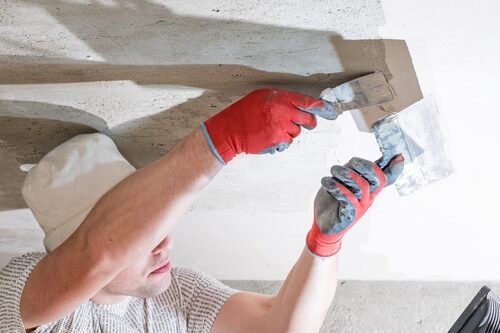
Lime plaster walls were common before gypsum drywall became widespread in the 20th century. They are breathable, meaning moisture can move through them instead of getting trapped. That quality helped historic houses manage humidity without modern HVAC. Seeing lime plaster suggests construction methods rooted in prewar practice.
The material also cures by absorbing carbon dioxide, which gives it a different hardness than drywall. Hairline cracks are normal and not structural, something preservationists readily recognize. When maintained properly, lime plaster can last for generations. Its presence quietly reassures people that the house was built to age, not just to finish fast.
3. True Divided-Light Windows
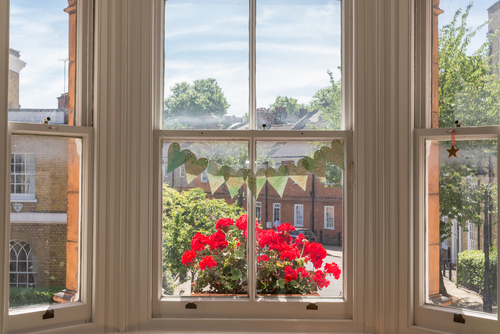
True divided-light windows have individual panes of glass separated by muntins, not faux grids. This was necessary when large sheets of glass were difficult to produce. The construction changes how light bends and reflects inside a room. That subtle distortion is a visual cue many people associate with historic buildings.
From a credibility standpoint, they suggest either original windows or careful reproduction. They also require more labor to repair and reglaze, which discourages casual imitation. Buyers familiar with old homes often check for this detail immediately. When it’s there, it signals respect for architectural accuracy.
4. Solid Brass or Bronze Hardware
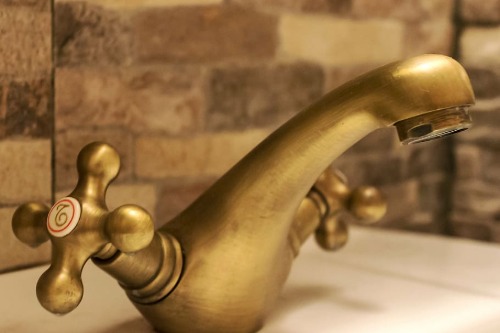
Older homes frequently used solid brass or bronze for knobs, hinges, and latches. These metals develop patina rather than peeling or chipping. Weight is the giveaway, since solid hardware feels noticeably heavier in hand. That tactile quality reads as authenticity to anyone who has handled vintage pieces.
Including real metal hardware implies long-term thinking, because it can be polished or left to age gracefully. It also aligns with periods before hollow-core doors and lightweight fittings. In restorations, it shows attention beyond surface finishes. In new builds, it signals an intentional nod to traditional standards.
5. Wide-Plank Wood Floors
Wide-plank floors, often six inches or more, were common when old-growth trees were readily available. Boards were sawn wider because material scarcity was not yet an issue. These floors move seasonally, which is why gaps appear in winter. That movement is a recognizable trait of early wood flooring.
When people see wide planks, they associate them with 18th- and 19th-century houses. The detail suggests age or careful sourcing of reclaimed lumber. It also implies the structure was designed to accommodate natural expansion. That compatibility reinforces the sense of an honest, well-understood building system.
6. Hand-Planed Beams
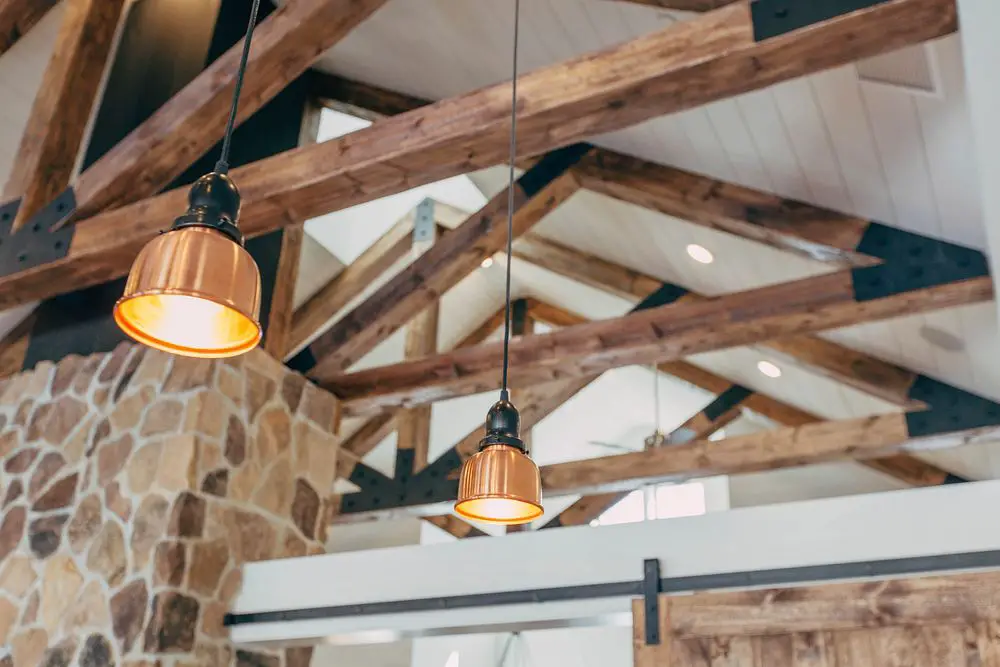
Hand-planed beams show subtle irregularities that machines tend to erase. Tool marks run slightly uneven and catch light differently across the surface. Before industrial milling, this texture was unavoidable. Its presence hints at pre-industrial craftsmanship.
These beams often appear in basements, attics, or exposed ceilings. They suggest the structure was framed with an emphasis on strength over concealment. People familiar with historic houses notice these details quickly. They quietly affirm that the home was built by hand, not by assembly line.
7. Masonry Arches
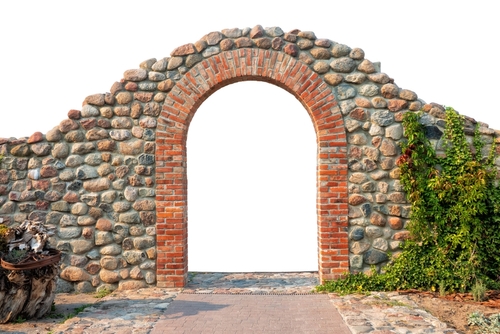
Brick or stone arches were used to span openings before steel and engineered lumber were common. They rely on compression rather than tensile strength. This structural logic dates back centuries. Seeing an arch immediately evokes older construction knowledge.
In basements, arches often support fireplaces or cellar doorways. They indicate the builder understood load distribution. Even when decorative today, their form references real structural necessity. That reference lends the house a sense of earned authority.
8. Slate Roofing
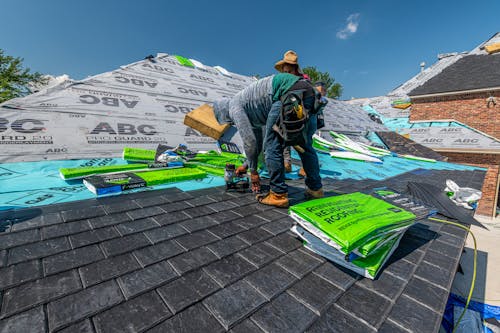
Slate roofs were a premium choice in the 19th and early 20th centuries. Individual stone tiles are heavy, durable, and fire resistant. Many original slate roofs last over a hundred years. Their survival alone suggests quality construction beneath.
Because slate is expensive to install and repair, it’s rarely chosen casually. Its presence often means the house was built with permanence in mind. Buyers associate slate with institutional and historic buildings. That association transfers a sense of seriousness to the home.
9. Copper Gutters and Downspouts
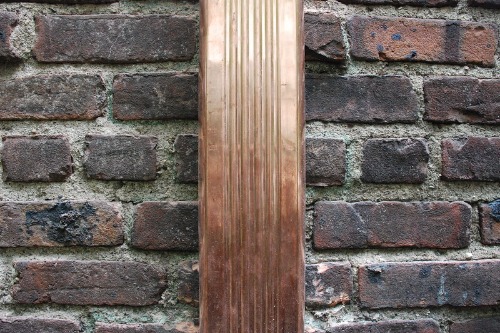
Copper gutters were common before aluminum became standard. The metal naturally oxidizes, turning brown and eventually green. This change is expected and not a sign of failure. Recognizing that process signals familiarity with traditional materials.
Copper is repairable and long-lasting when properly maintained. Its use implies the owner valued durability over initial cost. In historic contexts, it often matches original specifications. That continuity reinforces the home’s credibility.
10. Wood Lath Ceilings or Walls

Wood lath consists of narrow strips nailed to framing before plaster was applied. This system predates metal lath and drywall. It creates a distinctive plaster thickness and sound. Those characteristics are familiar to preservation professionals.
Finding wood lath suggests walls were not entirely replaced. It points to retention of original building fabric. That restraint is often valued in historic properties. It communicates respect for the home’s original construction.
11. Soapstone Countertops
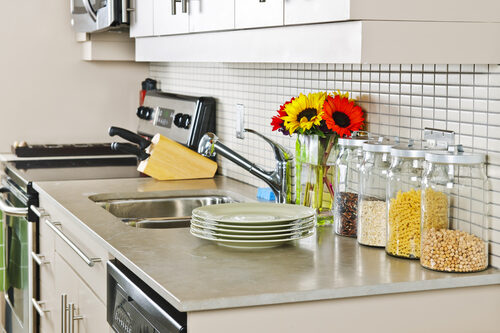
Soapstone was used historically in laboratories and older kitchens. It is nonporous, heat resistant, and easily repaired. Unlike polished stone, it develops a soft patina over time. That aging process feels aligned with old-house expectations.
Choosing soapstone suggests familiarity with traditional materials. It also implies acceptance of wear as character, not damage. This mindset mirrors how older homes were originally treated. The result is a kitchen that feels grounded rather than trendy.
12. Pegged Doors and Cabinetry
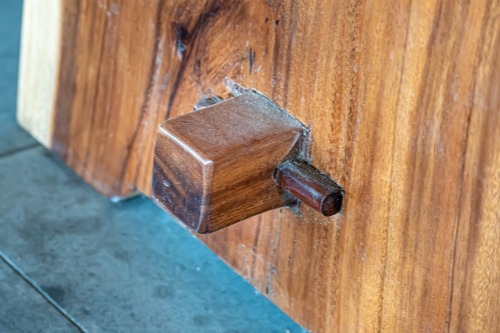
Wooden pegs were used before widespread availability of metal fasteners. They allowed joints to flex with seasonal movement. You’ll often see them in early doors, cabinets, and furniture. Their visibility is a clear historical marker.
Pegged construction indicates joinery knowledge rather than simple assembly. It also requires planning, since pegs are integral to the structure. People who know old houses tend to look for this detail. When present, it adds quiet confidence to the space.
13. Stone Thresholds and Sills
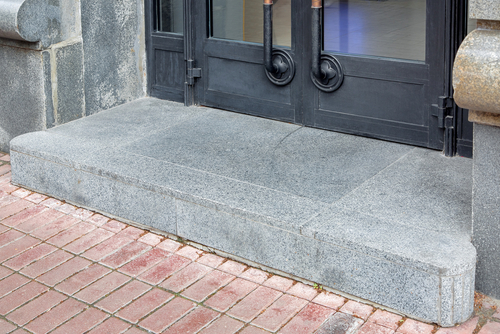
Stone thresholds were used to protect doorways from wear and moisture. They are common in older European and early American homes. Stone handles foot traffic better than wood. Its use reflects practical problem-solving from earlier eras.
Seeing stone at entry points suggests the house was designed for long-term use. It also indicates material choices based on function, not fashion. These details often survive when other elements are replaced. Their endurance lends the home a sense of earned trustworthiness.
This post 13 Old-World Details That Quietly Add Credibility to Homes was first published on Greenhouse Black.
