
1. Overusing bright exterior lights at night

New RVers love lighting up their campsite for safety and ambiance. Unfortunately, floodlights and bright LEDs can feel blinding to nearby rigs. Full-time RVers learn that darkness is part of campground etiquette. People want to stargaze, sleep, and enjoy the evening.
Veterans switch to softer, downward-facing lights. They turn off unnecessary lighting before bed. This simple change makes campgrounds feel calmer and more welcoming. It also prevents light from pouring directly into someone else’s windows.
2. Treating campgrounds like private property

At first, many RVers spread out gear as if they own the space. Chairs creep into roads, rugs sprawl past the pad, and dogs wander a little too freely. Over time, full-timers learn that shared space matters more than personal comfort. Campgrounds function smoothly only when everyone stays within their footprint.
Veteran RVers understand that space awareness prevents conflict. Keeping gear tidy helps emergency vehicles pass and neighbors maneuver easily. It also signals that you know what you’re doing, which matters in tight communities. Respecting boundaries becomes second nature after a few uncomfortable lessons.
3. Ignoring campground speed limits

Speed limits inside campgrounds feel absurdly low to newcomers. But after a while, full-time RVers understand they exist for real reasons. Kids, pets, cyclists, and walkers appear suddenly, often from between parked rigs. Dust and flying gravel are also genuine problems.
Experienced RVers slow down even when no one is watching. They know that one careless moment can damage rigs, vehicles, or trust within the campground. Driving slowly also reduces wear on roads and your own suspension. It’s one of those habits that quietly marks you as a pro.
4. Dumping tanks without proper etiquette
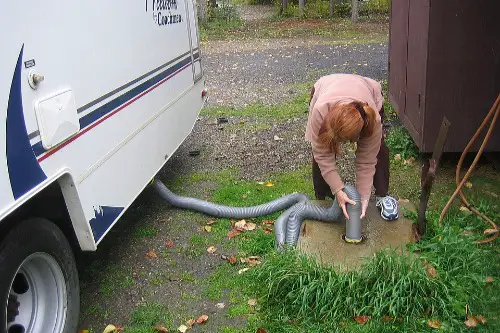
Early on, some RVers rush through dumping tanks like it’s a race. They skip rinsing, leave messes, or block the dump station while organizing gear. Full-timers quickly learn this is one of the fastest ways to annoy everyone else. Dump stations are shared, high-traffic spaces.
Seasoned RVers come prepared and work efficiently. They wear gloves, clean up after themselves, and pull forward promptly when finished. This keeps lines moving and stations usable for the next person. Clean dump habits are an unspoken badge of respect in RV life.
5. Letting dogs bark unchecked
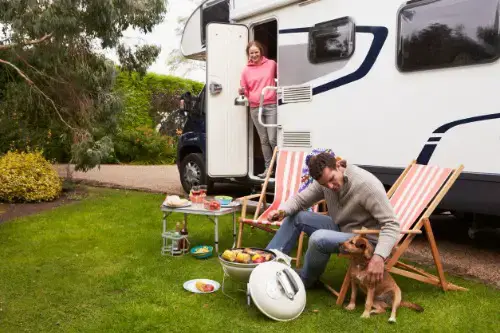
Many people assume barking is unavoidable when traveling with pets. New RVers often underestimate how amplified sound becomes in close quarters. Full-time RVers learn fast that constant barking disrupts the entire campground. It can also lead to complaints or even removal.
Experienced RVers actively manage their dogs. They don’t leave pets unattended outside, and they address anxiety issues early. Training, exercise, and supervision make a huge difference. Responsible pet ownership earns goodwill and keeps campgrounds pet-friendly.
6. Running generators during quiet hours
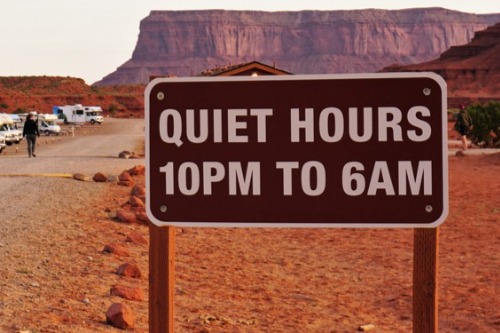
Most new full-time RVers don’t realize how far generator noise carries, especially in tighter campgrounds. Quiet hours are usually posted, but even outside those times, constant generator use can irritate neighbors quickly. Seasoned RVers learn that silence is part of the social contract, not just a rule on a sign. Once you’ve been on the receiving end of someone else’s generator at dawn, you stop doing it yourself.
Instead, experienced RVers plan power usage more carefully. They rely on batteries, solar setups, or timing heavy power use during the day. This keeps the campground peaceful and avoids awkward confrontations. It also earns quiet respect from neighbors who notice the courtesy.
7. Assuming everyone wants to socialize

Early in RV life, it’s tempting to strike up conversations with every neighbor. While many people are friendly, not everyone is in a social mood. Full-time RVers learn to read cues quickly. Headphones, closed doors, or focused work usually mean “not right now.”
Experienced RVers respect quiet signals without taking offense. They know friendships form naturally over time. Casual waves often matter more than forced conversations. This balance keeps interactions pleasant rather than intrusive.
8. Arriving late without planning for setup noise
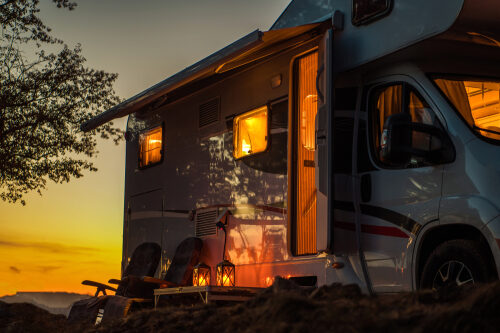
New RVers sometimes roll in late and set up like it’s midday. Leveling jacks, metal steps, and loud voices echo at night. Full-time RVers learn that arrival time matters. Even necessary noise can feel disruptive after dark.
Seasoned RVers plan ahead for late arrivals. They do a minimal setup and finish in the morning. Flashlights replace bright exterior lights, and voices stay low. This consideration earns immediate goodwill from tired neighbors.
9. Leaving trash or food unsecured
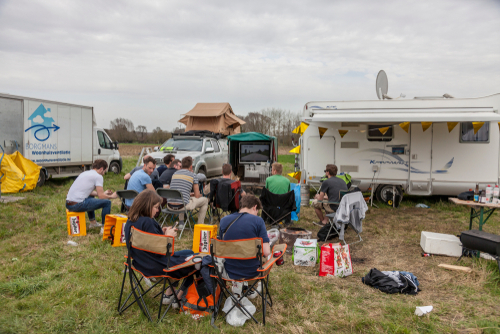
At first, some RVers underestimate wildlife and pests. Trash bags left out overnight can quickly become a problem. Full-time RVers learn this leads to animals, messes, and campground issues. Once wildlife learns a campsite has food, it keeps returning.
Experienced RVers secure trash properly and follow campground disposal rules. They clean up crumbs, grease, and food scraps promptly. This protects wildlife and keeps campsites clean. It also prevents campgrounds from tightening rules for everyone.
10. Complaining loudly about campground rules
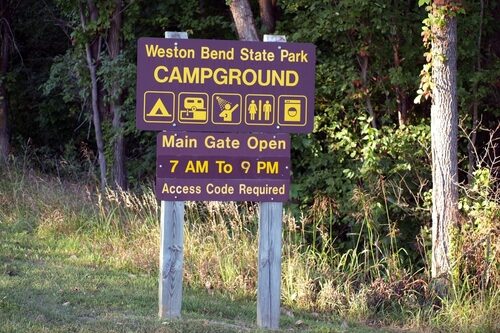
New RVers often grumble about restrictions like leash laws or checkout times. Full-time RVers learn that most rules exist because someone caused a problem before. Complaining publicly creates tension and marks you as inexperienced. It rarely changes anything.
Veterans read rules before booking and choose places that fit their style. If something doesn’t work, they move on quietly. This flexibility is a major advantage of full-time RV life. Adapting beats arguing every time.
11. Forgetting that reputation travels
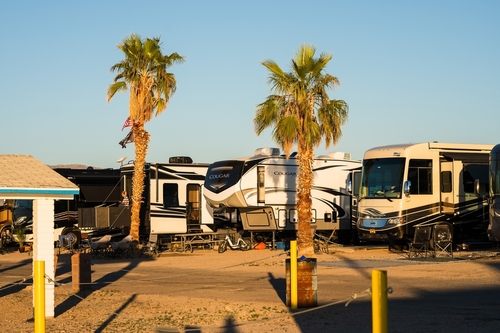
Many beginners assume campground interactions are one-off experiences. Full-time RVers quickly learn the community is smaller than it seems. Hosts, workampers, and fellow travelers talk. A bad impression can follow you longer than expected.
Experienced RVers treat every stop as part of a larger journey. Courtesy, patience, and responsibility build a positive reputation over time. This can lead to better site assignments and helpful recommendations. In RV life, how you travel matters just as much as where you go.
This post Full-Time RVers Stop Doing These Things Once They Learn the Unwritten Rules was first published on Greenhouse Black.
