
1. The Front Porch
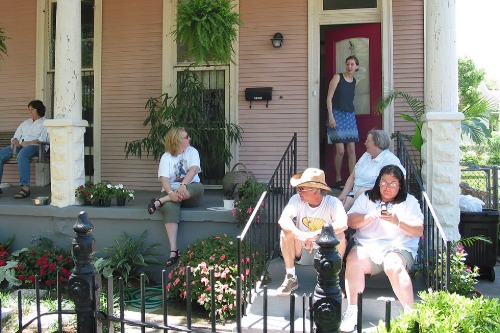
The front porch used to be a home’s social stage, especially in the late 1800s and early 1900s. Before air conditioning, it was one of the coolest places to sit in the evening. People gathered there to talk with neighbors, watch the street, and catch up on local news. The porch was as much about community as it was about the house itself.
Today, many porches are decorative or rarely used. Air conditioning, backyard decks, and indoor entertainment pulled daily life inside. For younger homeowners, a porch often signals charm rather than function. It’s included because it clearly shows how social habits reshaped the meaning of a space without changing its structure.
2. The Formal Dining Room
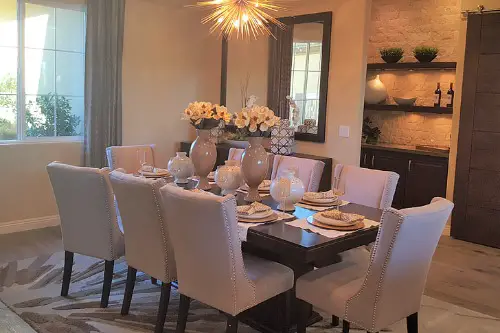
Formal dining rooms once signaled respectability and good manners. In mid-20th-century homes, they were designed for holidays, dinner parties, and hosting guests. Many families used them only a few times a year, but their presence mattered. Having one meant you had “arrived” as a household.
Today, many people see formal dining rooms as wasted square footage. Busy schedules and casual eating habits shifted meals to kitchen islands or living rooms. Younger generations often convert these rooms into offices, playrooms, or flex spaces. This feature earns its spot because its decline mirrors broader changes in how families gather and eat.
3. The Home Office
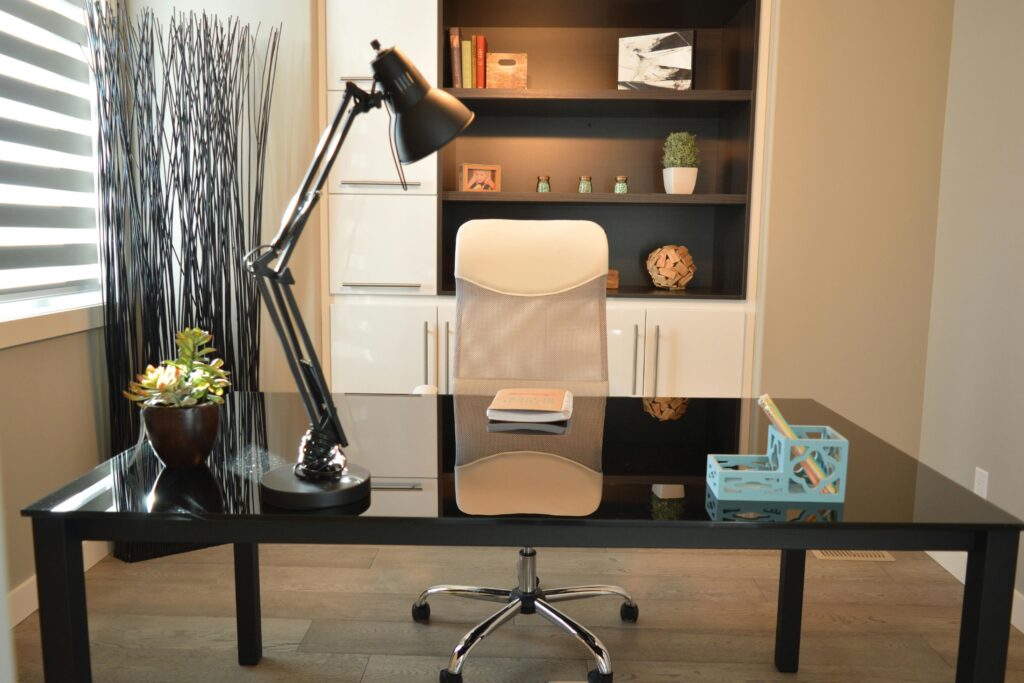
For decades, a home office was a luxury reserved for executives or self-employed professionals. It often doubled as a den or library and wasn’t essential to daily life. Most work happened outside the home, and commuting was expected. The room symbolized status more than necessity.
Now, the home office is a practical requirement for many households. Remote and hybrid work turned spare bedrooms into permanent workspaces. Younger buyers often rank it as a must-have rather than a bonus. It belongs on this list because its shift was driven by economic and technological change, not taste.
4. The Basement
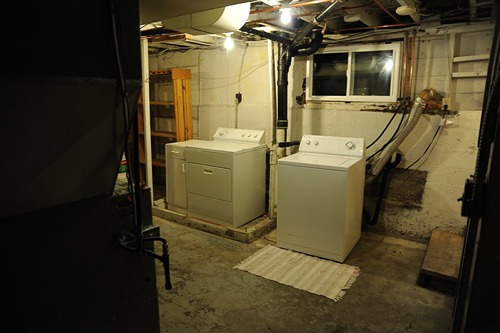
Basements were originally utilitarian spaces for storage, boilers, and laundry. In older homes, they were unfinished and rarely considered living areas. Spending time there was often associated with chores or necessity. Comfort was not part of the original plan.
Later generations transformed basements into family rooms, home theaters, or extra bedrooms. Improved insulation, waterproofing, and heating made them livable. For many families, the basement became the most casual hangout space in the house. This evolution shows how technology changed what parts of a home felt usable.
5. The Garage
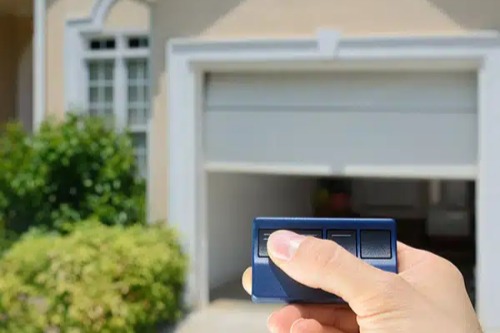
Early garages were built simply to shelter cars from weather and theft. They were detached or tucked away, with little thought given to appearance. Cars were tools, and the garage reflected that mindset. It wasn’t meant to be part of daily living.
Over time, garages became storage hubs, workshops, and even gyms. In some households, they replaced basements as the place for hobbies and overflow belongings. For younger generations, garage size often matters as much as the car it holds. It’s included because it shows how possessions reshaped a purely functional space.
6. Open Floor Plans
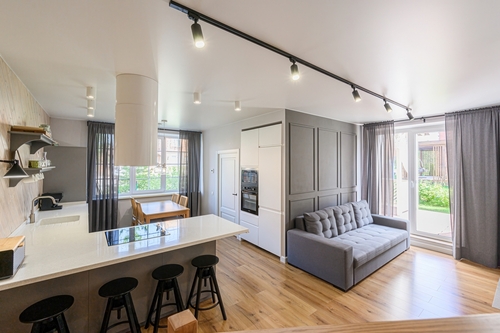
Older homes favored clearly defined rooms with doors and walls. This layout provided privacy, noise control, and separation of activities. Cooking, entertaining, and relaxing were meant to happen in different places. The design matched more formal social norms.
Open floor plans later came to represent modern living and togetherness. Families wanted visibility, flexibility, and shared space. Younger generations often associate openness with light, efficiency, and connection. This feature matters because it reflects changing ideas about privacy and family interaction.
7. The Fireplace
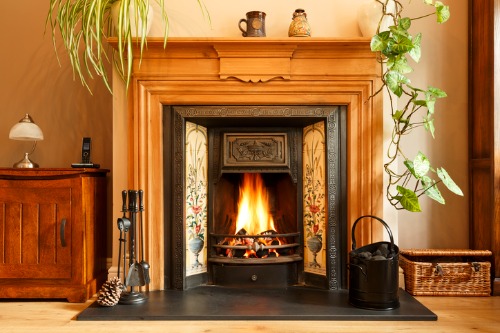
Fireplaces were once a primary heat source and a literal necessity. Homes were built around them, and daily routines depended on keeping a fire going. They represented survival, not ambiance. Their placement and size were purely practical.
Today, fireplaces are mostly decorative or supplemental. Many are gas or electric and used occasionally for atmosphere. For modern homeowners, they signal comfort and coziness rather than warmth. It’s included because it shows how a critical survival feature became an aesthetic choice.
8. Walk-In Closets
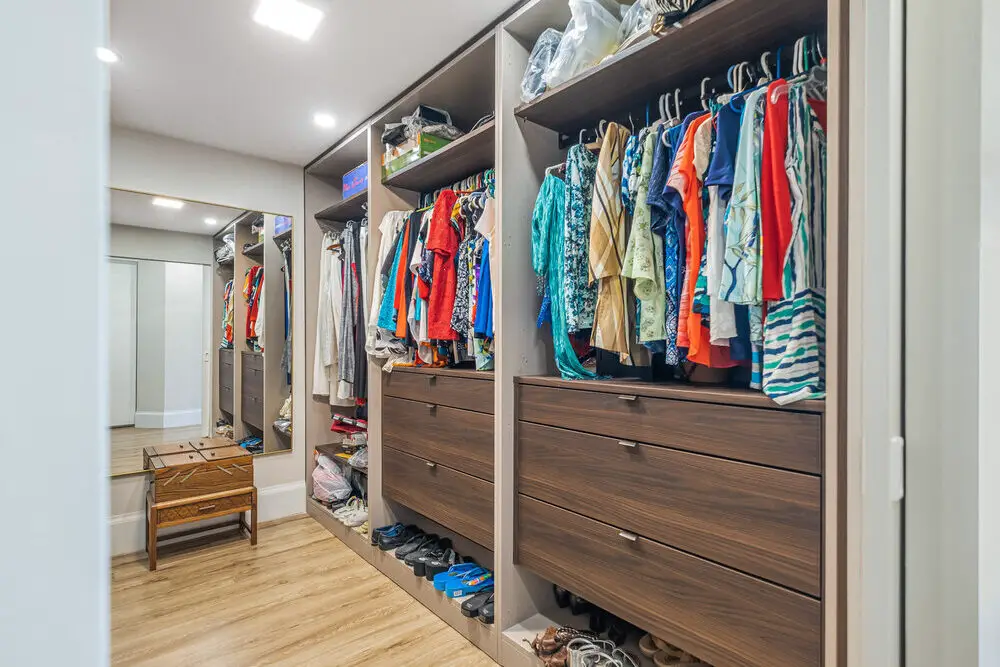
Earlier generations often shared smaller closets or used wardrobes. Clothing was limited, seasonal, and carefully maintained. Storage needs were modest, and closet size reflected that. A large closet was rare and unnecessary.
Walk-in closets now symbolize convenience and personal space. Increased clothing consumption and lifestyle changes made storage a priority. Younger buyers often expect separate closets or customized storage. This shift highlights how consumer habits changed the perceived value of square footage.
9. The Laundry Room

Laundry was once relegated to basements, kitchens, or even outdoors. It was treated as a messy chore to be hidden away. The location mattered less than access to water and drainage. Comfort was rarely considered.
Modern laundry rooms are often designed for efficiency and organization. Some are placed near bedrooms and include storage, counters, and folding space. Younger homeowners value convenience and workflow. This feature shows how daily chores gained design attention over time.
10. The Guest Room
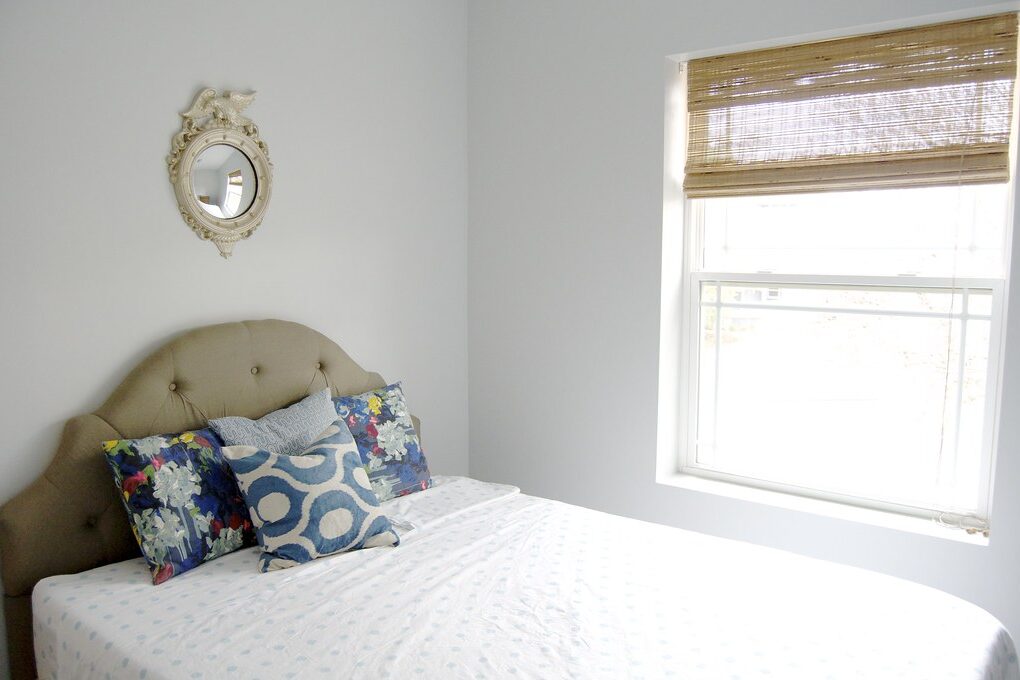
Guest rooms once reflected strong expectations around hospitality. Families regularly hosted visiting relatives who stayed for extended periods. Having a dedicated space was considered polite and necessary. It was part of being a good host.
Today, guest rooms often double as offices or exercise spaces. Shorter visits and nearby hotels reduced the need for a permanent guest setup. Younger generations prioritize flexibility over formality. It’s included because it reflects changing social norms around hosting.
11. The Backyard
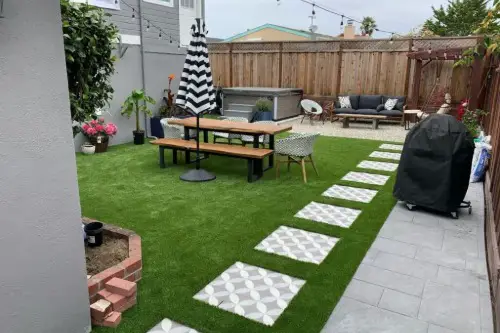
Backyards were originally practical spaces for gardens, clotheslines, and children’s play. They supported daily life rather than leisure. Many families grew food or handled chores there. The yard was functional first.
Over time, backyards became entertainment and relaxation zones. Patios, grills, and outdoor furniture turned them into extensions of the home. For newer generations, outdoor living space is a lifestyle feature. This entry matters because it shows how leisure reshaped the purpose of land around the home.
This post Home Features That Changed Meaning Across Generations was first published on Greenhouse Black.
