
1. Astoria, Oregon
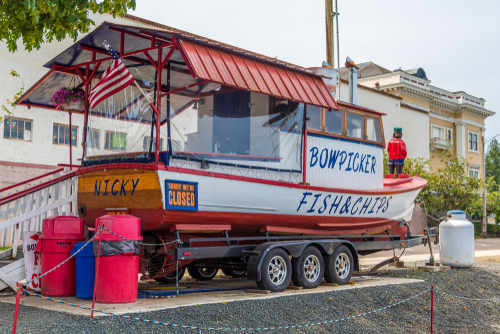
Astoria struggled after fishing and canning industries declined. Its remote coastal location made economic diversification difficult. What kept it alive was its port, history, and dramatic setting at the mouth of the Columbia River. Those features became assets once tourism grew.
The city leaned into heritage tourism and film history rather than chasing heavy industry. Renovation of historic buildings supported local businesses and housing. Astoria retained a working-town feel while welcoming visitors. It survived by adapting instead of competing with larger cities.
2. Pittsburgh, Pennsylvania
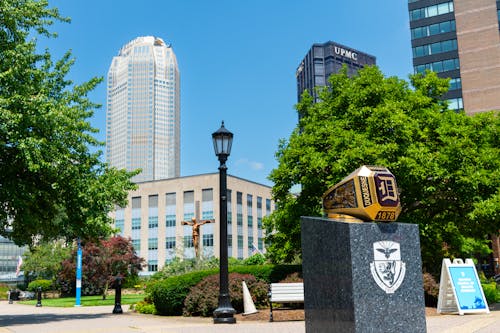
When steel mills shut down in the late 20th century, Pittsburgh lost jobs and residents at an alarming rate. Many assumed the city’s identity was too tied to heavy industry to survive the shift. What they missed was the strength of its universities, medical centers, and research institutions. Those assets quietly set the stage for a reinvention.
Pittsburgh is now known for healthcare, robotics, and artificial intelligence research. Carnegie Mellon and the University of Pittsburgh helped anchor a more diversified economy. Neighborhoods once written off have rebounded without losing their character. It became a model for post-industrial transition before that phrase was fashionable.
3. Cleveland, Ohio
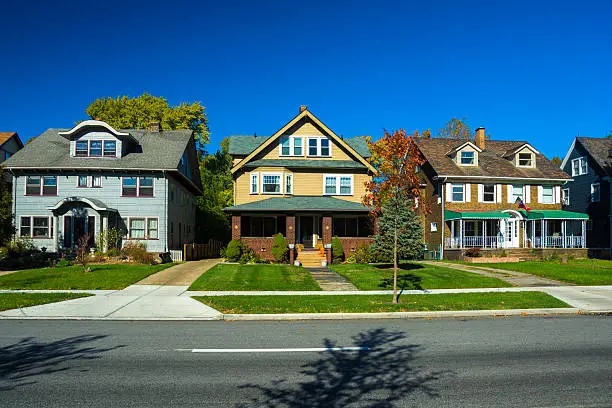
Cleveland’s decline was widely publicized during the era of factory closures and municipal struggles. Many people left believing the city would never recover economically or culturally. The assumption ignored its location on Lake Erie and its strong healthcare and education sectors. Those elements remained even when morale was low.
The Cleveland Clinic emerged as one of the world’s leading medical institutions, reshaping the city’s global profile. Downtown and waterfront areas have seen steady reinvestment rather than flash-in-the-pan growth. Cultural anchors like the orchestra and art museum never disappeared. Cleveland didn’t reinvent itself overnight, but persistence paid off.
4. Buffalo, New York
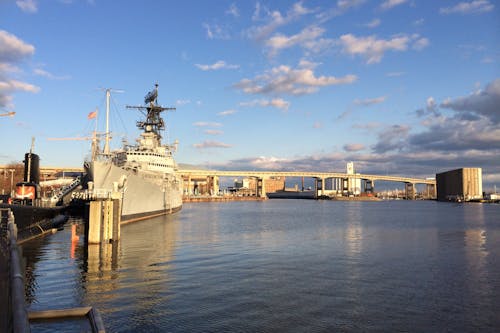
Buffalo was hit hard by deindustrialization and decades of population loss. Harsh winters and a shrinking tax base made it easy to dismiss. What many overlooked was its architectural legacy and access to freshwater and hydropower. Those features became increasingly relevant over time.
State investment and private development helped stabilize Buffalo’s economy. Adaptive reuse turned old industrial buildings into housing and office space. The city’s food scene and cultural institutions gained national attention without erasing local identity. Buffalo didn’t boom suddenly, but it stopped the free fall earlier than critics expected.
5. Providence, Rhode Island
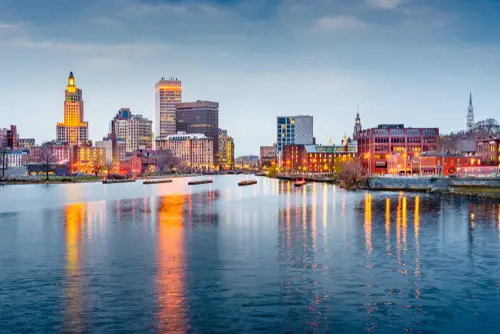
Providence struggled after manufacturing jobs left New England mill towns behind. It was often overshadowed by nearby Boston and dismissed as a lesser alternative. What people missed was its strong arts scene and concentration of higher education. Institutions like Brown University and RISD quietly sustained creative energy.
Over time, that creative base fueled revitalization in neighborhoods and downtown. Historic buildings were repurposed rather than demolished, preserving a sense of place. The city attracted students and young professionals priced out of larger metros. Providence proved that smaller cities could leverage culture without losing authenticity.
6. Lowell, Massachusetts
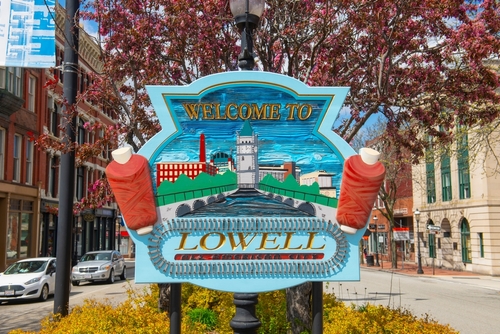
Lowell was once synonymous with abandoned mills and economic decline. After textiles left, many assumed the city’s best days were behind it. The scale of its industrial infrastructure looked like a liability rather than an opportunity. That perception ignored its historical significance and urban layout.
Federal and local preservation efforts transformed mills into housing, offices, and cultural venues. The city embraced its immigrant communities, which helped drive small business growth. Its designation as a national historical park gave it a tourism anchor. Lowell became an example of reuse instead of erasure.
7. Birmingham, Alabama
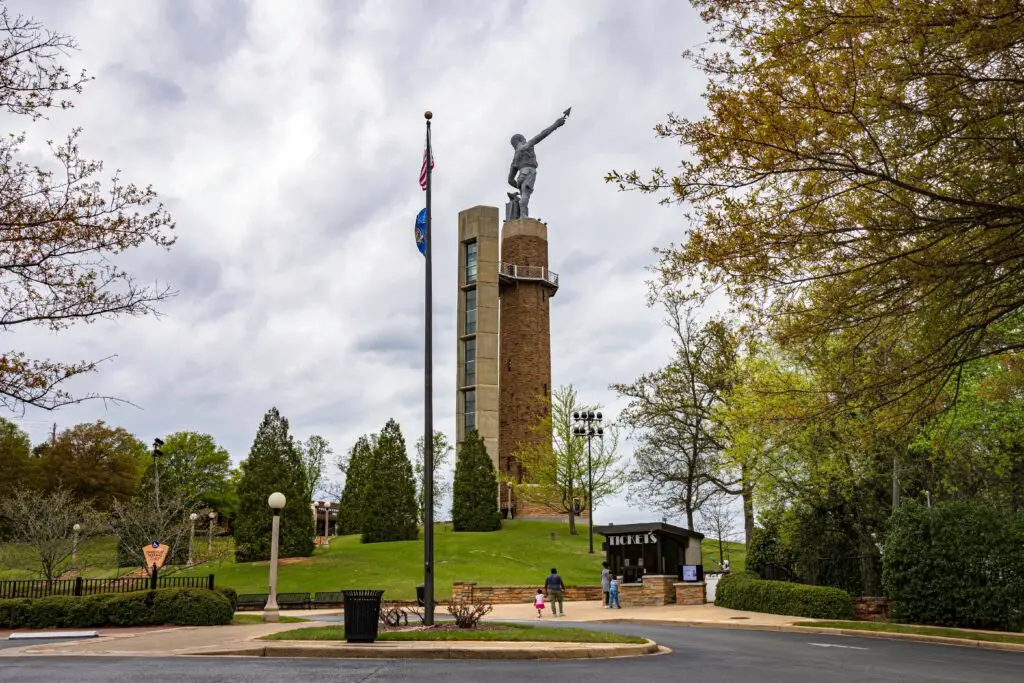
Birmingham’s economy was deeply tied to steel production, and its collapse hit hard. Racial tensions and industrial decline reinforced negative perceptions for outsiders. What went unnoticed was the city’s growing medical and research sector. The University of Alabama at Birmingham became a major employer and innovation hub.
Healthcare, biotech, and finance now play central roles in the local economy. Downtown neighborhoods saw renewed interest after years of stagnation. Birmingham also leaned into its civil rights history as a point of education and tourism. The city reframed its past without being trapped by it.
8. Chattanooga, Tennessee

Chattanooga was once known for pollution and a struggling industrial base. Many people wrote it off as another fading Southern manufacturing city. What changed was an early investment in infrastructure, especially internet connectivity. That decision turned out to be unusually forward-thinking.
The city became one of the first in the U.S. with a municipally owned gigabit fiber network. That attracted startups, remote workers, and tech-focused companies. Outdoor recreation and environmental cleanup improved quality of life alongside economic gains. Chattanooga showed how targeted investments can change a city’s trajectory.
9. Greenville, South Carolina
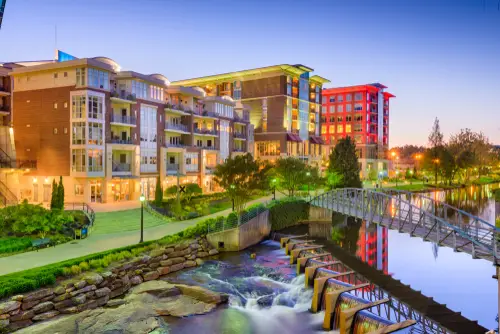
Greenville was long considered a sleepy textile town with limited prospects. As mills closed, people assumed decline was inevitable. What they missed was a strategic push toward diversified manufacturing and downtown renewal. The city focused on walkability and public space early on.
International manufacturers like BMW established major operations nearby. Downtown Greenville became a regional draw instead of an afterthought. The city balanced growth with preservation more carefully than many peers. Greenville didn’t explode overnight, but it steadily gained momentum.
10. Boise, Idaho

Boise used to be dismissed as isolated and lacking opportunity. Many people left assuming career options were limited outside agriculture and government. That view underestimated the city’s quality of life and regional role. Boise quietly became a hub for tech-adjacent industries and startups.
Population growth followed as remote work became more common. Outdoor access and a relatively strong job market drew newcomers. The city faced growing pains, but its appeal proved durable. Boise wasn’t discovered suddenly, it was underestimated for years.
11. Bend, Oregon
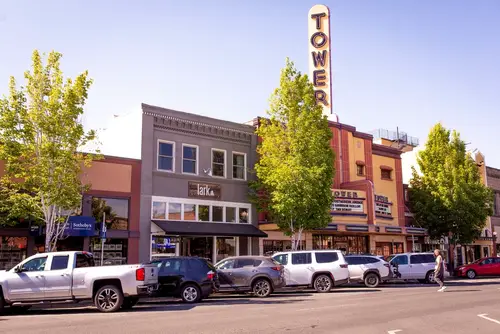
Bend suffered during the Great Recession when construction and tourism slowed dramatically. Some residents left believing the boom-and-bust cycle would never stabilize. What they missed was the long-term value of Bend’s location and lifestyle. Outdoor recreation remained a powerful draw even during downturns.
The city rebounded with growth in tourism, remote work, and small businesses. Craft brewing and recreation-based industries expanded steadily. Bend became a magnet for people seeking mid-sized cities with access to nature. Its recovery showed resilience rather than luck.
12. Marfa, Texas

Marfa was nearly abandoned after the military base closed in the mid-20th century. Its remote location made it seem destined to fade away. What saved it was an unlikely turn toward minimalist art and cultural experimentation. That niche gave the town a new identity.
Artists and visitors brought attention without overwhelming its scale. The Chinati Foundation anchored Marfa’s reputation internationally. Tourism remained limited but consistent rather than mass-market. Marfa proved that even very small places can reinvent themselves deliberately.
13. Bisbee, Arizona
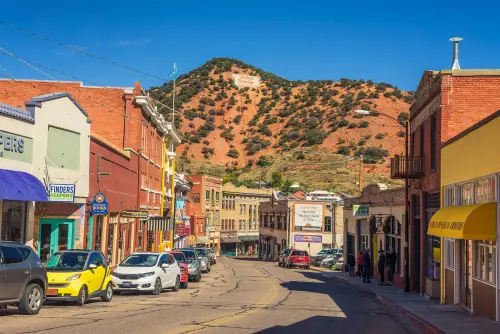
Bisbee declined sharply after copper mining ended. For years, it was seen as a ghost town with little economic future. What people overlooked was its historic architecture and unconventional community. Those qualities attracted artists and retirees seeking something different.
Preservation efforts kept the town’s character intact. Tourism and small businesses replaced mining as economic drivers. Bisbee didn’t return to its old size, but it found a sustainable new role. Sometimes recovery means redefining success, not restoring the past.
14. Detroit, Michigan
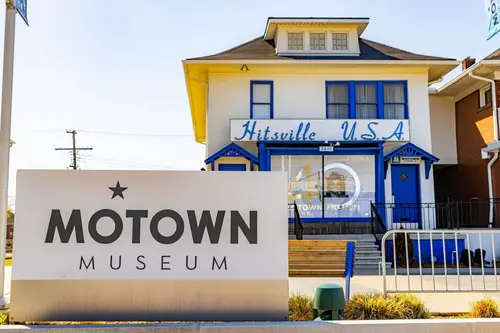
For decades, Detroit was shorthand for industrial collapse, population loss, and empty neighborhoods. People left after manufacturing jobs dried up, and the city’s bankruptcy cemented a reputation that scared off newcomers. What got overlooked was the city’s deep infrastructure, cultural institutions, and affordable housing stock. Those foundations mattered more than many realized.
Today, Detroit has stabilized financially and seen targeted revitalization in downtown and surrounding neighborhoods. The auto industry never fully vanished, and newer sectors like mobility tech, design, and healthcare have grown around it. Longtime residents, artists, and entrepreneurs have driven much of the recovery, not outside hype alone. The city still has challenges, but it’s no longer the lost cause many assumed.
15. Paducah, Kentucky
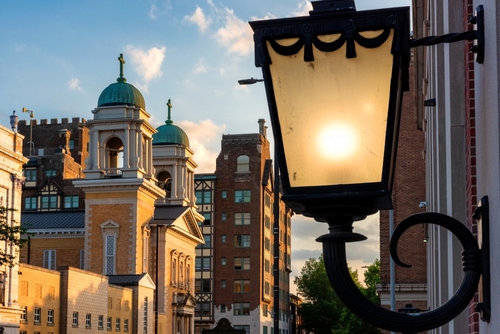
Paducah faced decline as river commerce and manufacturing slowed. Many residents left believing there was little reason to stay. What changed was a focus on arts-led redevelopment. The city offered incentives to artists willing to rehabilitate historic properties.
That program revitalized the LowerTown Arts District. Tourism and small-scale entrepreneurship followed without massive displacement. Paducah became known nationally for creative placemaking. It showed how targeted policy can shift a city’s narrative.
This post 15 Locations People Gave Up On Too Early was first published on Greenhouse Black.
