
1. Bidets
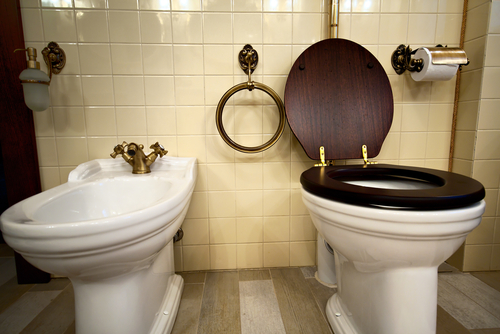
Bidets were long viewed as unnecessary or culturally unfamiliar in many households. Recently, they are being reconsidered for hygiene reasons, since water cleans more effectively than dry paper alone. Many modern bidet attachments are affordable and easy to install on existing toilets. This has lowered the barrier for people curious about trying them.
There is also a cost and environmental angle driving interest. Using a bidet can significantly reduce toilet paper consumption over time. People with sensitive skin or certain medical needs often find bidets more comfortable. These tangible benefits are shifting perceptions quickly.
2. Cast Iron Skillets
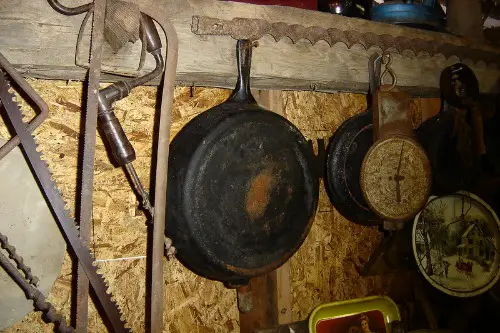
For years, cast iron pans were pushed to the back of cabinets because they seemed heavy, fussy, and old-fashioned. Recently, cooks have rediscovered that a well-seasoned cast iron skillet is naturally nonstick without synthetic coatings. It can go from stovetop to oven, which makes it more versatile than many modern pans. With proper care, cast iron can literally last generations, which is something most cookware cannot claim.
Another reason cast iron is back in favor is durability under high heat. Unlike nonstick pans, it can handle searing temperatures without degrading. Home cooks are also appreciating that seasoning improves with use instead of wearing out. The upfront learning curve is now seen as a fair trade for long-term performance.
3. Wool Blankets
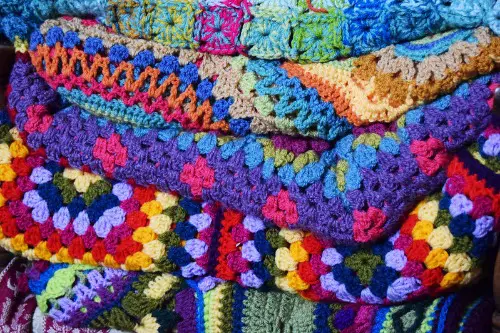
Wool blankets were once dismissed as itchy or outdated compared to fleece and synthetic throws. People are reconsidering them because wool naturally regulates temperature, keeping you warm without overheating. It is also breathable, which makes it comfortable across seasons. Unlike many modern fabrics, wool remains insulating even when slightly damp.
There is also renewed interest in wool for its longevity. A well-made wool blanket can last decades with minimal care. Wool resists odors and doesn’t need frequent washing, which is appealing to low-maintenance households. These practical benefits are bringing wool back to beds and couches.
4. Pressure Cookers
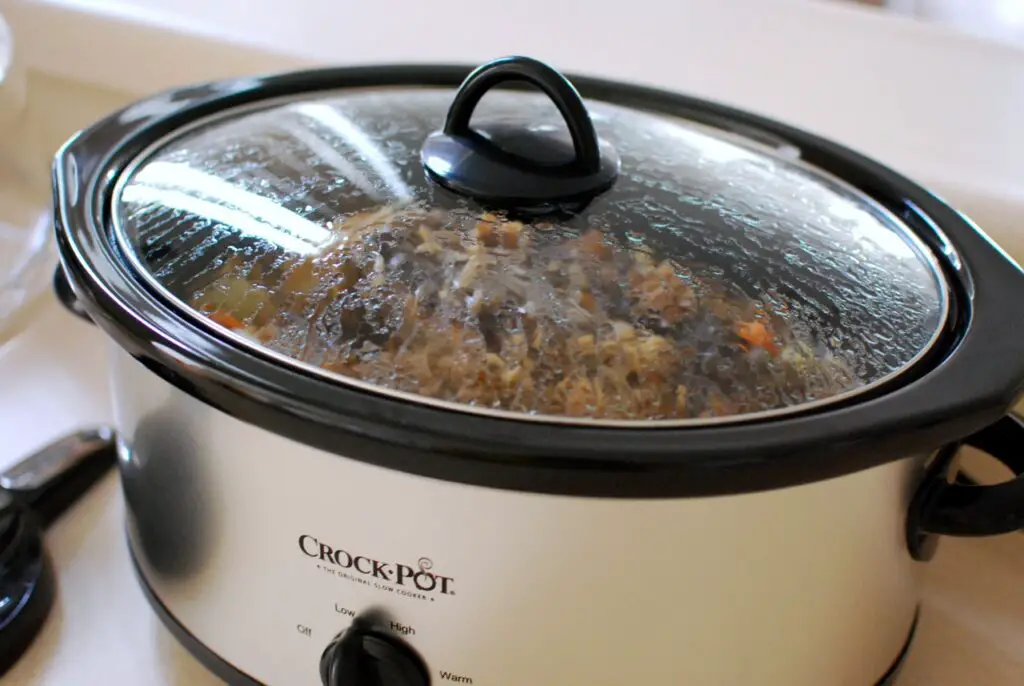
Traditional pressure cookers earned a reputation for being loud, intimidating, and risky. Modern designs, especially electric models, have addressed safety concerns with multiple pressure-release systems. People are revisiting pressure cooking because it dramatically reduces cooking time for beans, stews, and tough cuts of meat. This efficiency is especially appealing for busy households.
Pressure cookers also retain more moisture during cooking, which improves texture and flavor. Home cooks appreciate the consistency they provide once settings are learned. Energy efficiency plays a role too, as shorter cook times use less electricity or gas. What once felt scary now feels practical and controlled.
5. Clotheslines
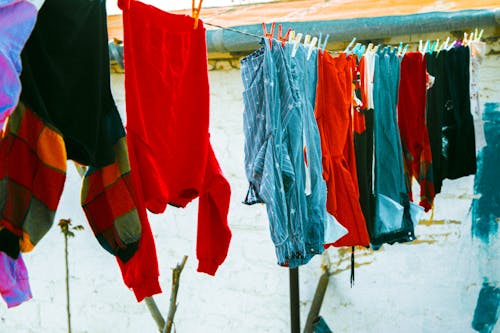
Outdoor clotheslines fell out of favor as electric dryers became standard. They are being reconsidered because air-drying clothes reduces energy use and utility bills. Sunlight can also naturally help reduce odors and bacteria in fabrics. Many people notice that line-dried clothes last longer because they experience less heat stress.
Indoor drying racks are part of this comeback as well. They allow line-drying even in apartments or cold climates. Clotheslines are especially gentle on delicate items like knits and athletic wear. What once felt inconvenient is now seen as intentional and cost-saving.
6. Glass Food Storage Containers
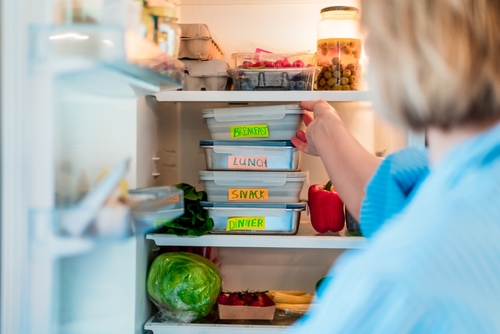
Plastic food containers were once the default because they were lightweight and cheap. Over time, people noticed issues like staining, lingering odors, and warping. Glass containers are being reconsidered because they do not absorb smells or colors from food. They are also safe for reheating without concerns about plastic degradation.
Glass containers tend to have longer lifespans, even if they cost more upfront. Many can go from fridge to oven, increasing their usefulness. Clear glass also makes leftovers easier to identify, reducing food waste. These practical advantages have pushed them back into regular rotation.
7. Manual Coffee Grinders
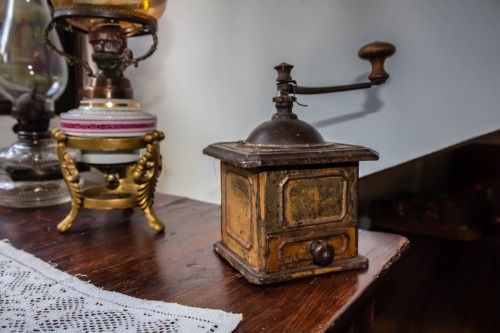
Electric coffee grinders largely replaced manual ones for convenience. Manual grinders are being reconsidered because they offer more control over grind size. Burr-style hand grinders, in particular, produce more consistent results than many cheap electric models. Coffee enthusiasts appreciate the impact this has on flavor.
There is also a noise and maintenance benefit. Manual grinders are quiet and require no electricity, which suits early mornings or small kitchens. They are typically easier to clean and repair. What once felt slow is now part of a mindful routine.
8. Sewing Kits
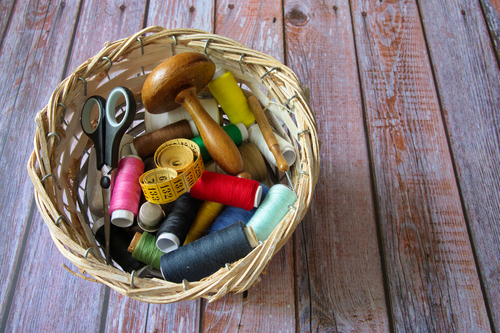
Basic sewing kits used to be common in most homes but gradually disappeared. They are being reconsidered as people realize how often small repairs are needed. Sewing on a button or fixing a seam can extend the life of clothing significantly. This is especially relevant as clothing costs rise.
There is also a growing interest in reducing textile waste. Simple repairs prevent garments from being thrown away prematurely. Sewing kits take up little space and require minimal skill for basic tasks. Their usefulness often becomes obvious the first time something rips unexpectedly.
9. Toolboxes with Hand Tools
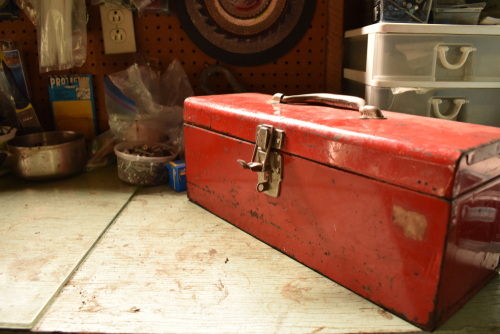
Many households relied on professional services for even minor repairs, leaving basic toolkits untouched. People are reconsidering hand tools because small fixes are often simple and quick. A screwdriver, hammer, and measuring tape can solve common problems like loose handles or crooked shelves. Having tools on hand saves time and service fees.
There is also a confidence factor involved. Learning to use basic tools empowers homeowners and renters alike. Modern tutorials make it easier than ever to handle simple repairs safely. What once gathered dust now feels like a practical investment.
10. Linen Napkins
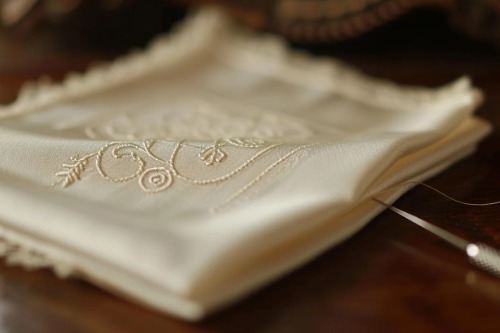
Paper napkins became popular for their convenience and low upfront cost. Linen napkins are being reconsidered because they are reusable and more durable. Over time, they can actually be cheaper than constantly buying disposables. Many people also prefer how they feel and look at the table.
Linen holds up well to repeated washing and becomes softer with use. It also creates less household waste, which appeals to environmentally conscious consumers. Stains can often be treated successfully if addressed quickly. These everyday benefits are making linen feel practical again.
11. Bar Soap
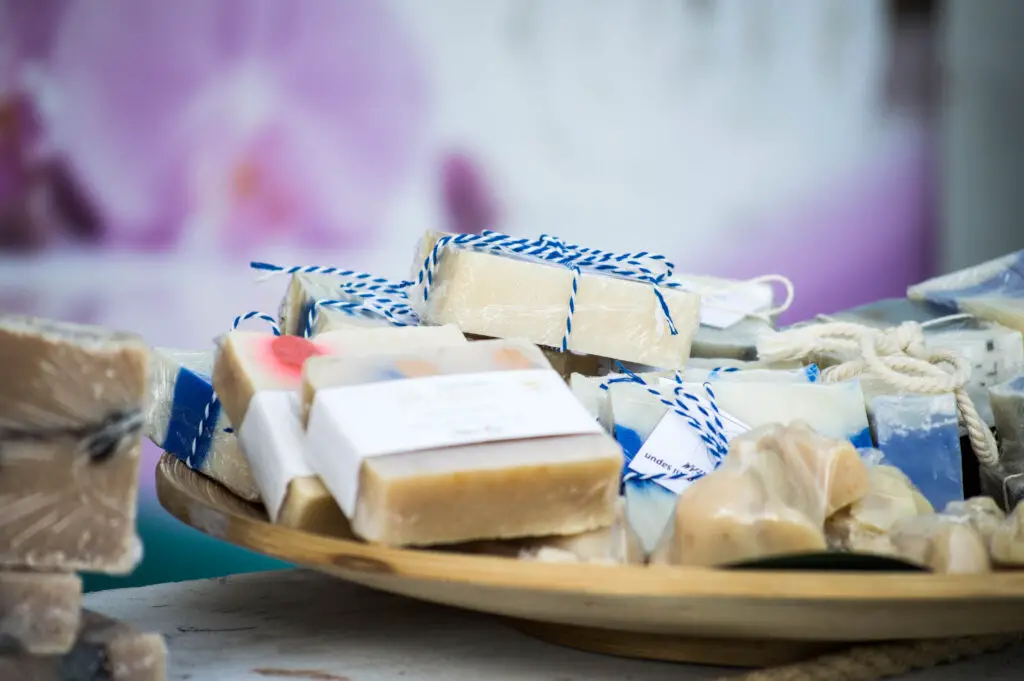
Liquid body wash and hand soap replaced bar soap in many homes. Bar soap is being reconsidered because it often contains fewer preservatives and less packaging. Many bars now come wrapped in paper or cardboard instead of plastic. This makes them appealing to people trying to reduce waste.
Bar soap also tends to last longer than liquid alternatives when used properly. It takes up less storage space and is easy to transport. Modern formulations have improved texture and scent, addressing old complaints about dryness. These changes have helped bar soap regain acceptance.
12. Wall Calendars
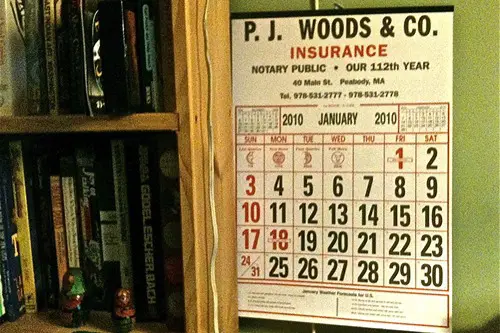
Digital calendars pushed paper wall calendars into obscurity. They are being reconsidered because they offer constant visual reminders without opening an app. Seeing dates and commitments at a glance can improve planning for families. Wall calendars also work during power or internet outages.
There is a psychological benefit as well. Writing things down can improve memory and accountability. Wall calendars are especially helpful in shared spaces like kitchens. What once felt redundant now feels grounding and practical again.
This post 12 Household Items Being Reconsidered After Years of Neglect was first published on Greenhouse Black.
