
1. When the Inspection Reveals Deferred Maintenance Everywhere

This is often the first moment buyers feel the price slipping out of alignment with reality. An inspection report that flags an aging roof, outdated electrical panels, and plumbing near the end of its life can quickly add tens of thousands in future costs. Even if the house looked fine during showings, seeing those issues documented makes the price feel optimistic. Buyers start mentally subtracting repair costs from the asking price almost immediately.
There’s a reason inspections carry so much emotional weight in a transaction. They turn vague worries into line items with dollar signs attached. Once buyers realize they’ll be fixing problems instead of enjoying the home, the value equation changes. At that point, the price no longer reflects a move-in-ready experience.
2. When the Appraisal Comes in Low

This moment hits hard because it’s external and difficult to argue with. An appraisal below the contract price tells buyers the market itself doesn’t support what they agreed to pay. Lenders rely on appraisals to protect their risk, which makes the number feel authoritative. Buyers often see this as a reality check rather than a minor hiccup.
A low appraisal can also force buyers to bring more cash to closing. That additional out-of-pocket cost makes the home feel immediately overpriced. Even buyers who love the house start questioning why they should overpay compared to comparable sales. The emotional momentum shifts from excitement to skepticism.
3. When Comparable Sales Don’t Justify the Ask
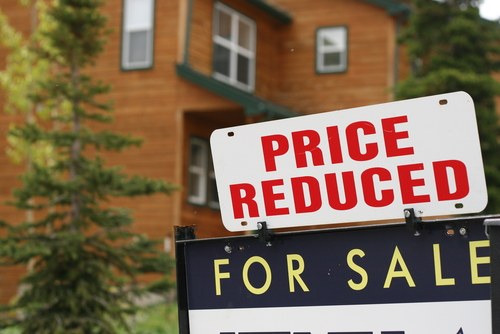
Savvy buyers or their agents will eventually dig into nearby recent sales. If similar homes sold for significantly less, the asking price starts to feel inflated. This is especially true when those homes had better updates, more square footage, or nicer lots. Buyers begin to wonder what exactly they’re paying a premium for.
Comparables are powerful because they frame value in a concrete way. It’s not about taste or emotion anymore, it’s about market evidence. Once buyers see they could get more house for less money nearby, enthusiasm cools fast. At that point, the price feels less like a reflection of value and more like a gamble.
4. When a Major System Is Near the End of Its Life
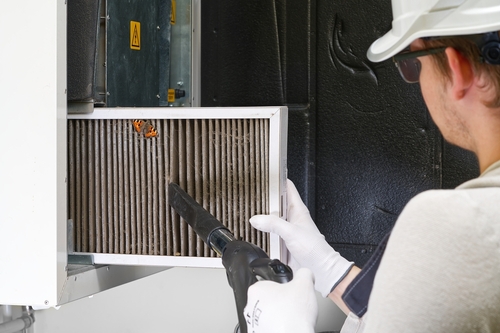
Buyers pay close attention to HVAC systems, roofs, and water heaters for a reason. These aren’t cosmetic fixes, and replacements are expensive and time-sensitive. If the furnace is 20 years old or the roof has only a few years left, buyers start calculating future financial stress. That calculation often makes the current price feel unjustified.
This moment is different from general maintenance concerns because it comes with a ticking clock. Buyers don’t want to move in knowing a $10,000 to $20,000 expense is looming. Even if the system technically works, its age alone impacts perceived value. The house starts to feel like it’s borrowing from the buyer’s future budget.
5. When Location Issues Become Impossible to Ignore

At first, buyers may overlook location drawbacks because they like the house itself. Over time, things like road noise, train tracks, flight paths, or nearby commercial development become harder to rationalize. A second or third visit often makes these issues more obvious. Once noticed, they’re very difficult to unsee.
Location flaws affect daily life, not just resale value. Buyers imagine living with the noise, traffic, or lack of privacy every day. That long-term inconvenience doesn’t feel compatible with a premium price. Suddenly, the house feels like it should come with a discount instead.
6. When Renovations Look Cheap or Poorly Done
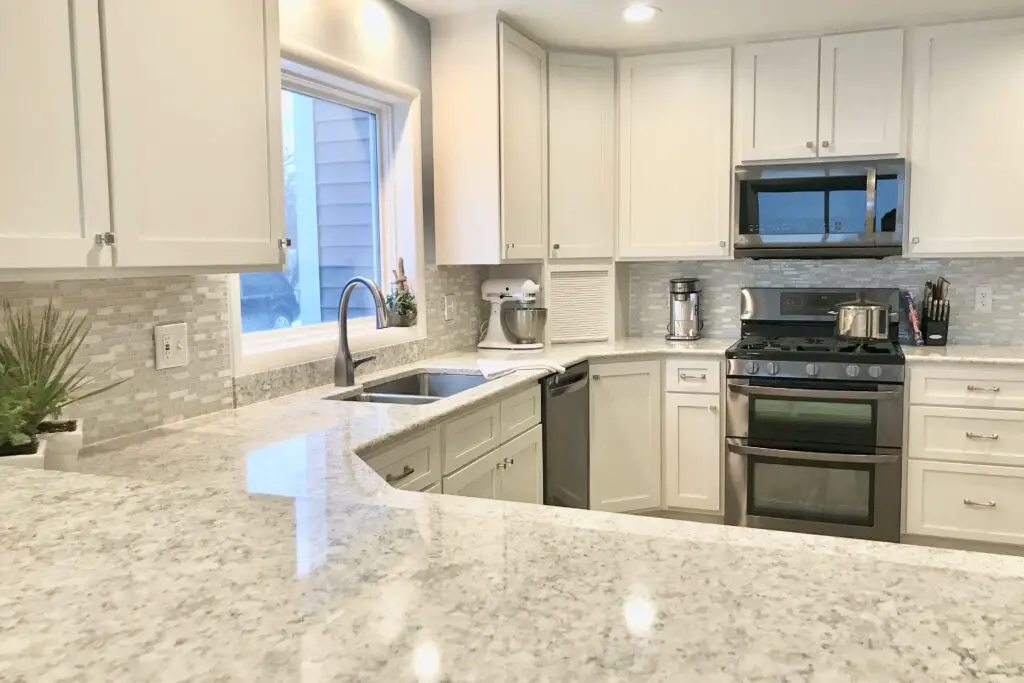
Fresh paint and new fixtures can impress buyers initially. But closer inspection may reveal uneven flooring, sloppy tile work, or low-quality materials. Buyers quickly realize they may have to redo “new” renovations sooner than expected. That realization undermines confidence in the asking price.
Poor workmanship raises broader concerns beyond aesthetics. Buyers start wondering what else was rushed or covered up. Instead of paying for quality improvements, they feel like they’re paying for cosmetic shortcuts. The price begins to feel disconnected from the actual substance of the home.
7. When the Seller Won’t Budge on Obvious Issues

Negotiations reveal a lot about how a seller views their home. When sellers refuse to address clear inspection problems or price concerns, buyers take note. It can feel like the seller is ignoring reality or betting on desperation. That stance often pushes buyers to reassess value.
Rigid sellers make buyers feel unsupported in the transaction. Instead of working toward a fair outcome, it feels adversarial. Buyers may conclude that if the seller won’t compromise now, future issues will be just as frustrating. The price starts to feel less like a number and more like a warning sign.
8. When Carrying Costs Become Clear

Monthly payments look manageable until buyers factor in taxes, insurance, HOA fees, and utilities. Once those numbers are combined, the total cost of ownership can feel overwhelming. This is especially common in areas with high property taxes or rising insurance premiums. Buyers suddenly see how much of their income the home will consume.
This realization often happens late in the process, which makes it more jarring. Buyers compare the monthly burden to their comfort level and lifestyle goals. If the payment feels tight, the price feels inflated. Financial stress quickly erodes perceived value.
9. When the Layout Doesn’t Work for Real Life
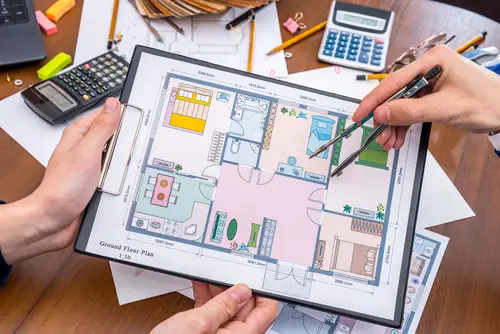
A home can photograph beautifully and still function poorly. Buyers eventually notice awkward room sizes, limited storage, or traffic flow issues. These flaws affect how the home would work day to day. Once buyers imagine living around the layout, the price starts to feel questionable.
Layout problems are hard to fix without major renovation. Buyers realize they’d be paying full price for compromises. Even if the square footage is there, poor design reduces usable space. That mismatch between size and livability impacts perceived worth.
10. When Resale Potential Looks Weak

Most buyers think ahead, even if they don’t say it out loud. Unique features, niche designs, or challenging locations can limit future buyer appeal. When buyers realize resale might be difficult, they reassess what they’re willing to pay. Risk changes the value calculation.
This concern often surfaces after discussions with agents or lenders. Buyers don’t want to overpay for a home that could be harder to sell later. If appreciation feels uncertain, the price feels too ambitious. Long-term flexibility becomes part of the value equation.
11. When Emotion Fades and Logic Takes Over

Early excitement can inflate perceived value without buyers realizing it. Over time, adrenaline wears off and practical thinking steps in. Buyers revisit their budget, priorities, and alternatives. The house is no longer the only option in their mind.
This is often the quietest but most decisive moment. Without emotional momentum, the price has to stand on its own merits. If it doesn’t, the gap becomes obvious. That’s when buyers finally decide the house just isn’t worth what it costs.
This post The Moments Buyers Decide a House Isn’t Worth the Price Anymore was first published on Greenhouse Black.
