
1. Sioux Falls, South Dakota

Sioux Falls has been one of the fastest-growing cities in its region, yet its housing market remains surprisingly stable. Growth has been driven by healthcare, finance, and regional retail rather than speculative investment. The city has expanded infrastructure alongside population growth. That coordination reduces supply crunches.
Housing affordability is still a defining feature here. Even when demand picks up, builders tend to respond without flooding the market. Homeowners benefit from steady appreciation instead of sudden spikes. It’s a market built for consistency, not headlines.
2. Rochester, Minnesota
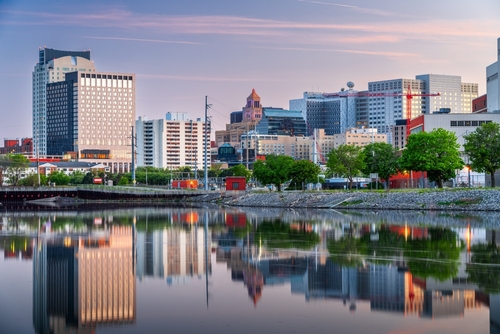
Rochester’s housing market is closely tied to the Mayo Clinic, and that’s a big reason it stays resilient. The healthcare industry brings a steady stream of high-skilled workers and long-term employment stability. This isn’t a boom-and-bust town; growth happens in measured steps. That predictability shows up clearly in home prices.
Homes here tend to hold value because demand is tied to permanent relocations, not temporary hype. Even during national downturns, layoffs are less common than in manufacturing-heavy regions. Rental demand also stays solid due to medical residents and staff. All of that cushions the market against sudden shocks.
3. Fayetteville–Springdale–Rogers, Arkansas

Northwest Arkansas has grown steadily thanks to major employers like Walmart, Tyson Foods, and J.B. Hunt. Those companies anchor the region and create a diverse employment base. While growth has been real, it hasn’t been reckless. That restraint has helped keep housing supply and demand in relative balance.
Homebuyers here are often moving for work rather than chasing appreciation. Prices have risen over time, but typically at a pace tied to income growth. The region also benefits from ongoing infrastructure investment and university-related activity. Together, those factors make this a market that holds firm even when others wobble.
4. Grand Rapids, Michigan
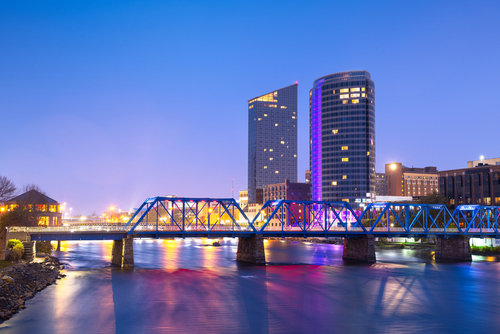
Grand Rapids quietly rebuilt its economy over the past two decades, and housing followed suit. Healthcare, advanced manufacturing, and education all play meaningful roles locally. That mix helps prevent overreliance on a single industry. The result is a housing market that reacts slowly rather than sharply.
This area avoided the wild price spikes seen in some Sun Belt cities. Home values tend to rise gradually, which limits the risk of sudden corrections. Many buyers are local or regional, not investors from afar. That local ownership base adds durability.
5. Lancaster, Pennsylvania
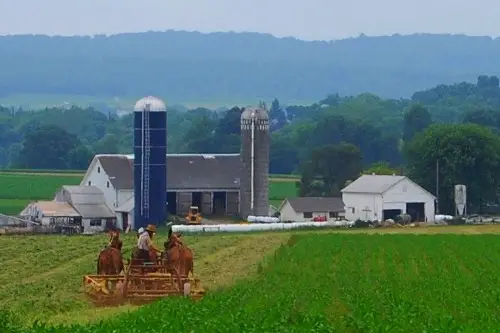
Lancaster sits close enough to major East Coast cities to benefit from spillover demand, but far enough to avoid extreme volatility. The local economy blends healthcare, manufacturing, tourism, and agriculture. That diversity supports steady household formation. Housing demand here has remained consistent even as trends shift elsewhere.
Prices have increased over time, but they’ve generally stayed within reach of local wages. Lancaster also has a large stock of older homes, which discourages rapid overdevelopment. Buyers often plan to stay for years, not flip quickly. That long-term mindset helps keep the market grounded.
6. Des Moines, Iowa

Des Moines rarely pops up in national housing debates, but it consistently shows up for the right reasons. The metro benefits from a strong insurance and financial services sector that provides steady, well-paying jobs. Population growth is modest but dependable, which helps prevent the sharp swings seen in flashier markets. Buyers tend to be long-term residents, not speculators, which keeps prices grounded.
Housing demand here is supported by affordability relative to incomes, a key stabilizer during economic slowdowns. Even when mortgage rates rise, Des Moines typically sees slower sales rather than dramatic price drops. New construction has generally tracked population needs instead of overshooting them. That balance is why the market keeps moving forward quietly.
7. Huntsville, Alabama
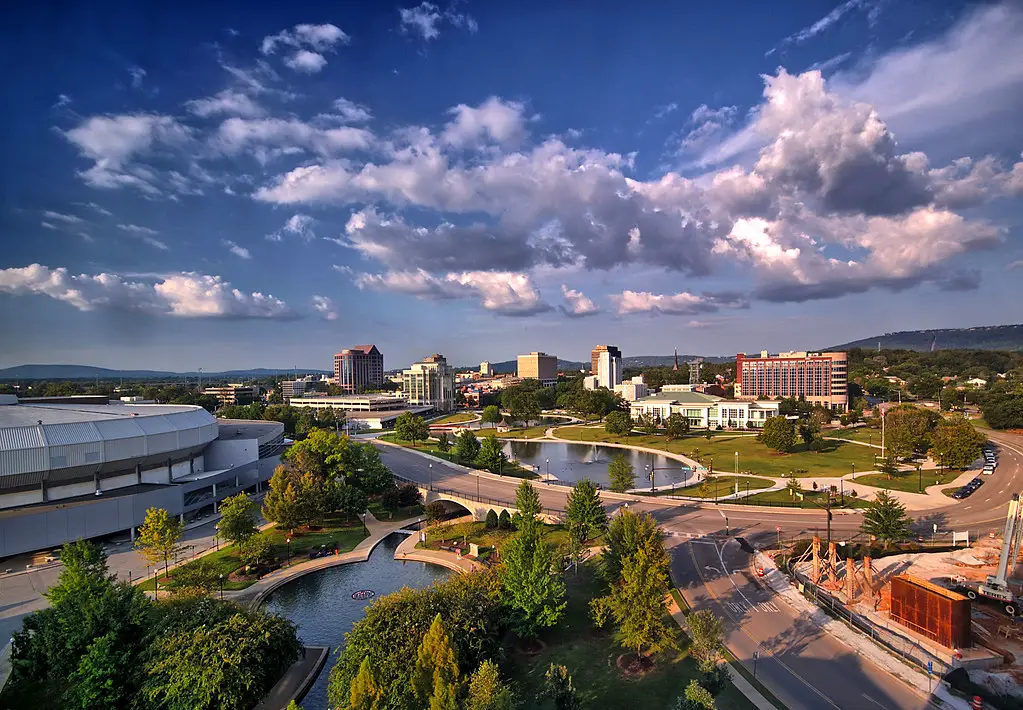
Huntsville’s economy is anchored by aerospace, defense, and engineering jobs. These sectors provide relatively stable employment even during national slowdowns. The presence of Redstone Arsenal and related contractors adds long-term confidence. Housing demand here is closely tied to real job growth.
While prices have risen, they reflect income levels rather than speculation. Many buyers are relocating professionals planning to stay put. New housing developments are typically backed by clear demand drivers. That keeps the market from overheating.
8. Topeka, Kansas
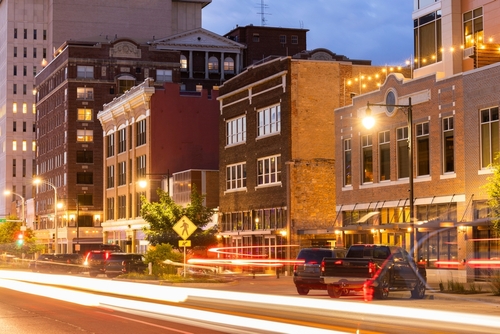
Topeka doesn’t attract much national attention, but its housing market has been notably steady. State government, healthcare, and education form the backbone of local employment. Those sectors don’t usually see dramatic swings. That stability filters directly into housing demand.
Home prices here tend to move slowly, both up and down. The city has avoided the investor-driven surges that can destabilize smaller markets. Most buyers are owner-occupants, not short-term landlords. This creates a market that prioritizes livability over hype.
9. Chattanooga, Tennessee
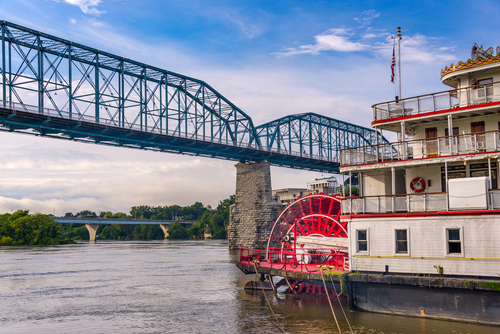
Chattanooga has quietly diversified beyond its industrial past. Today, logistics, healthcare, and a growing tech presence support the local economy. The city has attracted new residents without overwhelming its housing stock. That balance has helped prices remain relatively stable.
Unlike trend-driven boomtowns, Chattanooga’s growth has been incremental. Housing appreciation has followed population gains rather than racing ahead of them. The market benefits from a mix of urban and suburban options. That variety spreads demand more evenly.
10. Eau Claire, Wisconsin
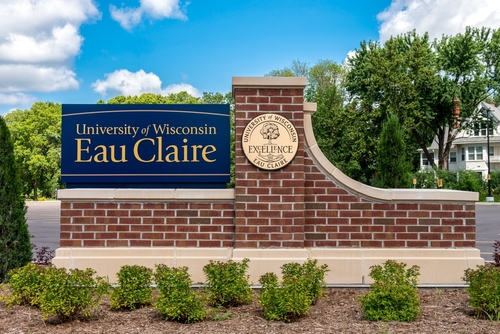
Eau Claire’s housing market is shaped by healthcare, education, and regional manufacturing. The University of Wisconsin–Eau Claire adds steady rental and ownership demand. Population growth is modest but reliable. That consistency keeps housing needs predictable.
Home values here typically rise at a measured pace. The market isn’t heavily influenced by outside investors or second-home buyers. Builders tend to match local demand instead of speculating on future growth. It’s a textbook example of quiet stability.
11. Yakima, Washington
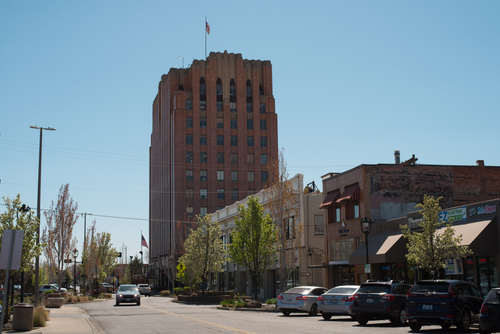
Yakima benefits from a strong agricultural economy that supports long-term employment. Food processing, distribution, and farming provide a stable base of jobs. While the market is sensitive to seasonal work patterns, housing demand remains steady overall. Prices tend to reflect local incomes rather than coastal speculation.
The city has avoided the dramatic price swings seen in larger Washington metros. Homeownership rates are relatively high, which helps anchor neighborhoods. New construction has been cautious and deliberate. That restraint is why Yakima’s market continues to hold its ground.
This post These Markets Don’t Make Headlines but Hold Their Ground was first published on Greenhouse Black.
