
1. Outdated Light Fixtures That Signal Deferred Updates

Light fixtures are small, but buyers read them as clues about how recently the home has been updated. A dated chandelier or builder-grade fixture from decades ago can make rooms feel older than they are. Even if the structure is solid, buyers may start wondering what else hasn’t been updated. That thought slows momentum.
The hesitation comes from mental math, not aesthetics alone. Buyers start adding up replacement costs and the time it takes to change multiple fixtures. It also affects how rooms photograph and feel during showings, especially in low-light spaces. When buyers sense a pattern of outdated details, confidence dips.
2. Lingering Odors You’ve Gone Nose-Blind To

Smells are one of the fastest ways a buyer forms an emotional reaction, and they do it before they even notice the layout. Pet odors, stale cooking smells, or heavy air fresheners can signal hidden issues like poor ventilation or carpet wear. Buyers often assume that if they can smell it now, it will be worse once they move in. That assumption alone can cause hesitation, even if everything else looks great.
The reason this matters is that buyers mentally price in the inconvenience of fixing smells. They may imagine replacing flooring, repainting, or hiring professional cleaners before they even make an offer. Odors also raise questions about cleanliness and long-term maintenance habits. When uncertainty creeps in early, it can quietly lower perceived value.
3. Poor Lighting in Key Rooms

Dim rooms feel smaller, less welcoming, and sometimes even neglected. Buyers often interpret poor lighting as a design flaw rather than a simple bulb issue. Kitchens, bathrooms, and living rooms are especially sensitive to this perception. If those spaces feel dark, buyers pause.
The reason is practical as well as emotional. Buyers worry about having to rewire, add fixtures, or live with inadequate light. Even when solutions are simple, uncertainty creates friction. That friction can be just enough to stall an offer.
4. Worn or Mismatched Flooring Transitions

Floor transitions are subtle, but buyers notice when they feel uneven or visually chaotic. Different flooring types meeting awkwardly can suggest piecemeal renovations. It can also raise concerns about DIY work done without professional oversight. That plants doubt.
The hesitation comes from fear of hidden costs. Buyers may worry about subfloor issues or the need to replace more flooring than expected. Transitions also affect how smooth a home feels when walking through it. When movement feels off, confidence follows.
5. Excessively Personalized Paint Colors

Bold or highly specific paint choices make it harder for buyers to imagine themselves in the space. Deep reds, dark purples, or themed rooms can dominate first impressions. Buyers know paint is fixable, but they still react emotionally. That reaction matters.
The reason this causes hesitation is cognitive load. Buyers start mentally repainting rooms instead of picturing furniture and daily life. That mental work can create subtle resistance. The more resistance, the less urgency to offer.
6. Visible Patchwork Repairs
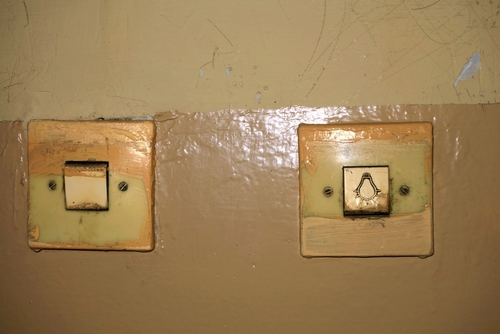
Small wall patches, ceiling touch-ups, or mismatched paint spots rarely go unnoticed. Buyers often interpret them as unfinished work or rushed prep. Even minor repairs can feel bigger when they’re visible. It suggests corners may have been cut.
The hesitation stems from trust. Buyers wonder what repairs they can’t see if the visible ones look incomplete. They may fear more work after closing. That fear can delay or reduce offers.
7. Aging or Noisy Appliances
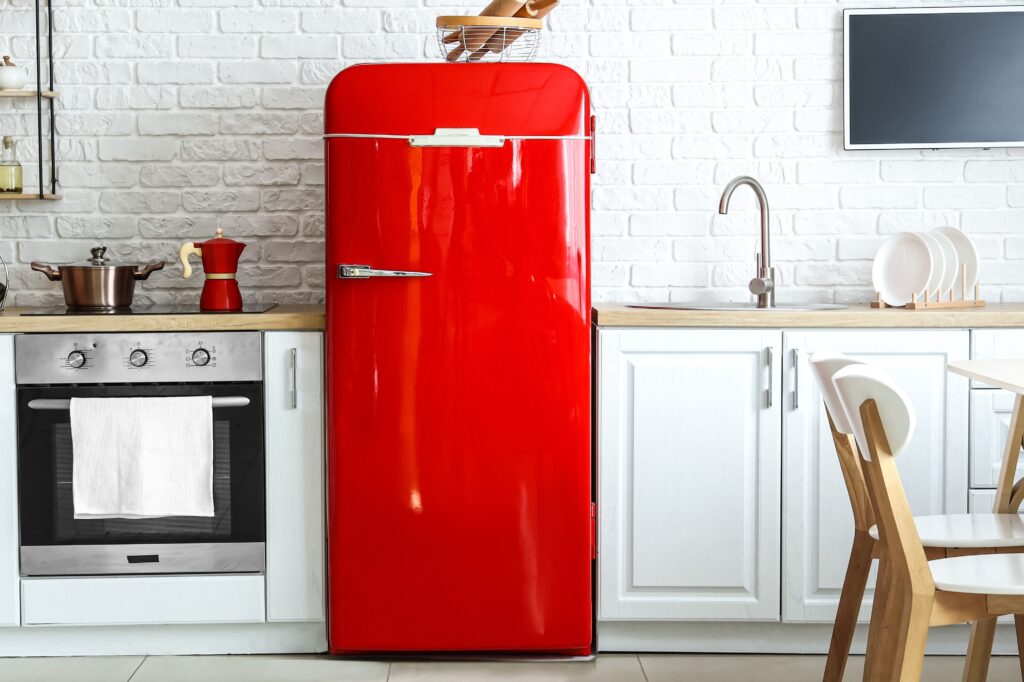
Appliances don’t have to be brand new, but buyers pay attention to age and sound. A loud dishwasher or an older refrigerator can signal upcoming replacement costs. Even if appliances are functional, buyers factor in lifespan. That calculation slows decision-making.
The reason this matters is budget uncertainty. Buyers may already be stretching financially, and future expenses feel heavier. Appliances are also tied to daily comfort, so concerns feel personal. When comfort feels compromised, hesitation grows.
8. Cluttered or Overstuffed Closets

Closet space is emotional for buyers, not just practical. Overstuffed closets suggest insufficient storage, even if the square footage is reasonable. Buyers may assume their belongings won’t fit. That assumption can be hard to shake.
The hesitation arises from lifestyle concerns. Storage affects daily routines, organization, and stress levels. Buyers don’t want to feel cramped before they even move in. That feeling can quietly push them to keep looking.
9. Inconsistent Hardware Finishes

Different metals and styles on door handles, cabinet pulls, and faucets can feel visually disjointed. Buyers often notice this subconsciously rather than consciously. It can make a home feel less cohesive. That lack of cohesion affects perceived quality.
The reason this triggers hesitation is because it hints at piecemeal updates. Buyers may wonder if changes were done over time without a clear plan. It raises questions about overall design decisions. Questions slow commitment.
10. Minor Exterior Neglect
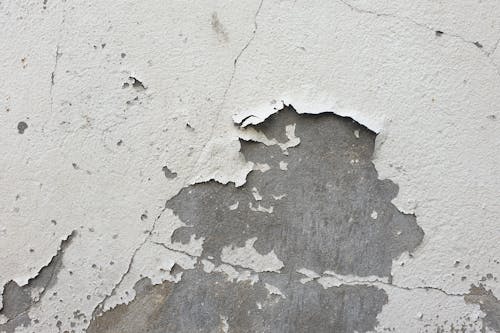
Peeling paint, overgrown landscaping, or a worn front door can set the tone before buyers step inside. Curb appeal heavily influences first impressions. Even small exterior issues can suggest bigger maintenance problems. That impression sticks.
The hesitation is rooted in risk assessment. Buyers may worry that visible neglect means hidden structural issues. Exterior problems also feel more expensive to fix. When risk feels higher, offers come slower or lower.
11. Awkward Furniture Scale That Distorts Room Size
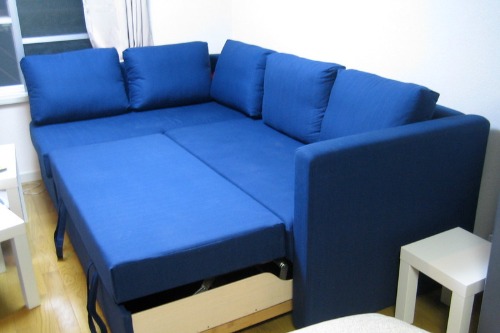
Furniture that’s too large or too small can misrepresent a room’s proportions. Buyers rely on visual cues to judge space, not measurements. Poor scale can make rooms feel cramped or impractical. That perception matters.
The reason this causes hesitation is uncertainty about livability. Buyers may worry their own furniture won’t fit comfortably. Even if the room is objectively fine, doubt creeps in. Doubt is often enough to delay an offer.
This post The Subtle Home Details That Trigger Offer Hesitation was first published on Greenhouse Black.
