
1. The High Cost of Replacing Cheap Stuff
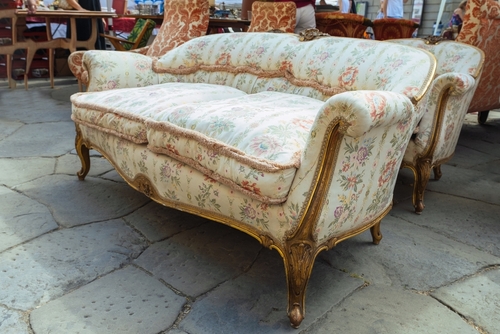
It’s hard not to notice how often low-quality items break or wear out far sooner than expected. Phones with sealed batteries, furniture made of particleboard, and fast-fashion clothes all demand frequent replacement. That cycle quietly drains money, time, and attention. Things built to last feel attractive because they interrupt that churn.
People are increasingly doing the math and realizing durability can be cheaper over a decade. A well-made jacket, appliance, or tool often costs more upfront but less over its lifespan. The appeal isn’t nostalgia so much as financial sanity. Longevity now reads as practical rather than old-fashioned.
2. Repair Is Becoming a Cultural Value Again
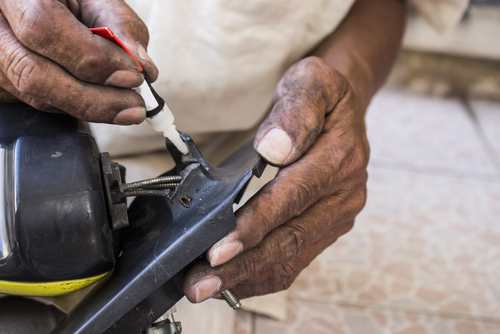
For years, many products were designed to be unfixable, pushing consumers toward replacement. Recently, repair culture has resurfaced through right-to-repair laws, local fix-it clinics, and online tutorials. When something is built to last, it’s usually built to be repaired. That makes ownership feel participatory rather than disposable.
People enjoy understanding how their things work and keeping them going. Repairable products signal respect for the user’s intelligence and agency. They also reduce waste in a visible, satisfying way. Longevity pairs naturally with repair, which makes both feel newly appealing.
3. Sustainability Is Moving From Abstract to Personal

Climate change and resource scarcity can feel overwhelming at a global scale. Durable goods make sustainability concrete and actionable in everyday life. Buying one thing that lasts 20 years feels more meaningful than recycling endlessly. Longevity becomes a personal environmental choice rather than a vague ideal.
People are connecting durability with reduced extraction, shipping, and landfill use. A long-lasting product represents fewer resources consumed over time. That connection is easier to grasp than complex carbon accounting. As a result, “built to last” now feels environmentally responsible, not just well-made.
4. Trust in Brands Has Eroded

Many consumers feel burned by companies that overpromise and underdeliver. Products fail early, warranties are limited, and customer service can be difficult to access. Items built to last signal confidence from the maker. They imply the company expects the product to perform for years.
That sense of trust is rare enough to stand out. Longevity becomes a proxy for integrity in a crowded marketplace. When a brand stakes its reputation on durability, it feels like a commitment. People are drawn to that seriousness after years of disappointment.
5. Digital Fatigue Is Driving Appreciation for Physical Reliability

Software updates, subscriptions, and planned obsolescence have made digital products feel unstable. Features disappear, compatibility breaks, and devices age faster than expected. In contrast, well-built physical objects behave predictably over time. They don’t need patches or passwords to function.
This reliability is calming in a hyper-connected world. A durable mechanical watch, notebook, or appliance offers consistency. People are craving objects that simply keep working. Longevity reads as a form of quiet dependability.
6. Craftsmanship Is Easier to Recognize Than Ever
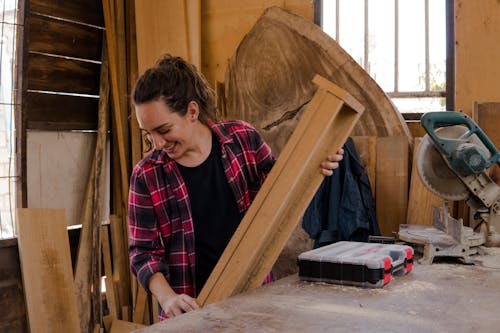
Social media has made production processes more visible. Videos showing woodworking, leather stitching, and metal forging highlight what goes into durable goods. Seeing the labor behind an object increases appreciation for its lifespan. Craftsmanship feels tangible rather than abstract.
When people understand how something is made, durability feels intentional. It’s no longer just marketing language but a visible outcome of skill and time. This transparency makes long-lasting items more emotionally compelling. They feel earned, not mass-produced.
7. Economic Uncertainty Encourages Long-Term Thinking
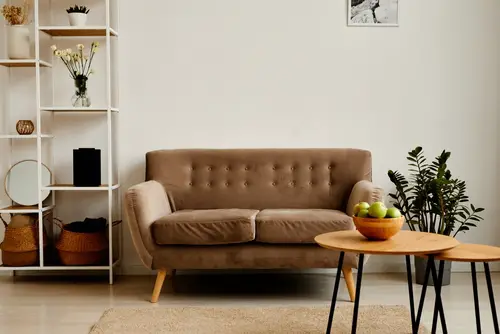
Periods of inflation and economic instability change buying habits. People become cautious about frequent spending and replacement cycles. Durable goods offer a sense of security amid uncertainty. They promise fewer surprises and lower long-term risk.
Longevity aligns with planning rather than impulse. Buying once and buying well feels like a hedge against instability. This mindset makes short-lived products feel wasteful or risky. As a result, lasting quality becomes more attractive during uncertain times.
8. Heirlooms Are Making a Quiet Comeback
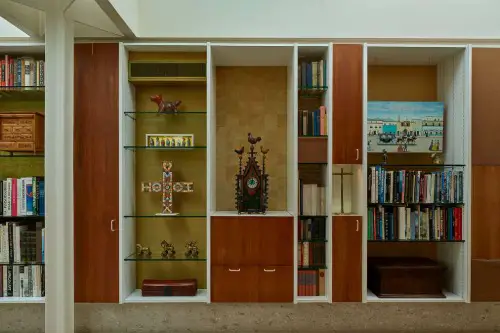
Items that can be passed down carry emotional weight. Furniture, tools, and jewelry built to last invite multi-generational ownership. That idea resonates in a culture saturated with temporary experiences. Longevity creates continuity in a fast-moving world.
People like the idea that their belongings might outlive them. It adds meaning beyond personal use. An object that lasts becomes part of a family story. That emotional dimension boosts the appeal of durability.
9. Minimalism Favors Fewer, Better Things
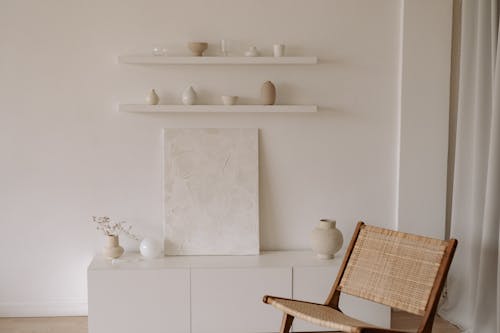
Minimalist lifestyles emphasize owning less, not owning nothing. That approach depends on objects that can withstand frequent use. When you own fewer items, each one matters more. Durability becomes essential rather than optional.
Long-lasting goods support simplicity without fragility. They allow people to reduce clutter without sacrificing function. This alignment makes “built to last” feel modern, not maximalist. Quality replaces quantity as the goal.
10. Time Is Valued More Than Ever

Busy schedules and constant notifications make time feel scarce. Replacing, returning, or troubleshooting broken items costs mental energy. Durable products reduce these small but cumulative burdens. They quietly give time back to their owners.
People are recognizing convenience in longevity, not just in speed. A thing that doesn’t need attention is a relief. Over time, that reliability becomes deeply attractive. Longevity translates directly into less hassle.
11. Longevity Feels Like a Rebellion Against Disposable Culture
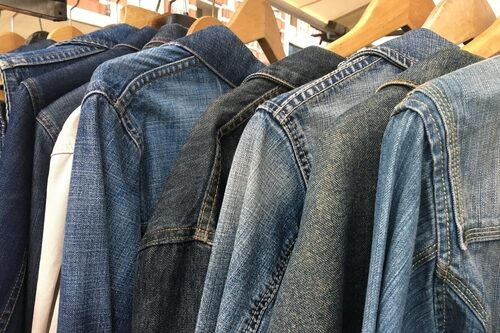
Disposable products dominate many industries, from fashion to electronics. Choosing things built to last can feel like opting out of that system. It’s a subtle but deliberate consumer stance. Durability becomes a form of resistance.
This appeal isn’t about rejecting progress. It’s about rejecting waste and short-term thinking. Long-lasting items stand for patience and care. In a throwaway culture, that message feels surprisingly fresh.
This post Why Things Built to Last Are Suddenly Attractive Again was first published on Greenhouse Black.
