
1. Quality Lighting Over Statement Fixtures

Opting for well-placed, layered lighting instead of a single oversized chandelier reflects a deeper understanding of how homes are actually used. Ambient, task, and accent lighting work together to make spaces functional and comfortable at different times of day. This approach is widely recommended by lighting designers because it reduces glare and visual fatigue. It signals confidence because it prioritizes experience over spectacle.
When lighting blends into the background while doing its job well, it shows intentional planning. Recessed lights, wall sconces, and table lamps may not shout, but they consistently deliver comfort. Homeowners who invest in proper lighting layouts tend to think long-term about how rooms feel, not just how they photograph. That quiet foresight reads as self-assured.
2. Neutral Walls with Thoughtful Undertones
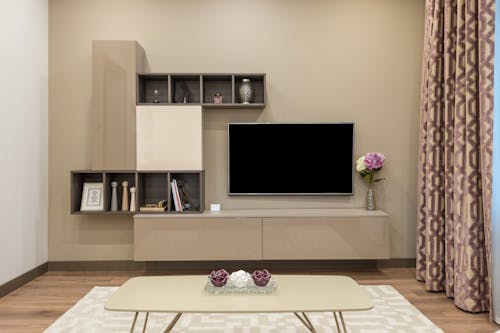
Choosing neutrals with subtle undertones, like warm greige or soft mushroom, shows confidence because it doesn’t rely on trend-driven color drama. These shades respond well to changing light throughout the day, which makes rooms feel intentional rather than flat. Designers often use them because they provide flexibility for furniture, art, and textiles without competing for attention. The confidence here comes from knowing the space will age well and adapt to future changes.
Neutral walls also suggest you’re comfortable letting form, texture, and layout do the talking. Instead of demanding attention, they support the architecture and furnishings quietly. This approach signals that the homeowner isn’t chasing novelty, but prioritizing longevity. It’s a choice rooted in restraint, not hesitation.
3. Real Materials, Even in Small Doses

Using genuine materials like solid wood, stone, or linen—even sparingly—signals confidence because they don’t need embellishment to feel valuable. These materials have natural variation, which designers consider a feature rather than a flaw. They age predictably and develop patina, something synthetic alternatives struggle to replicate. Choosing them suggests comfort with imperfection and authenticity.
Even a small oak side table or a marble threshold can elevate a space without announcing itself. The confidence lies in knowing that authenticity carries its own weight. These materials don’t rely on trends or branding to prove their worth. They quietly communicate durability and discernment.
4. Consistent Flooring Throughout Main Spaces
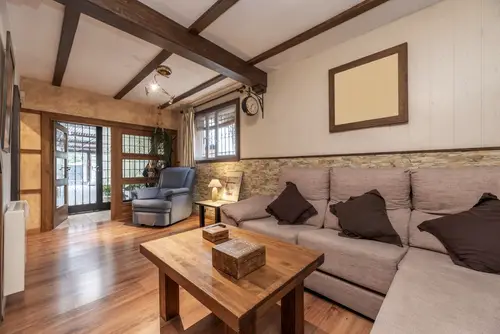
Running the same flooring through connected rooms creates visual continuity and a sense of calm. Interior designers often recommend this because it makes spaces feel larger and more cohesive. It avoids the chopped-up feeling that can come from too many transitions. This choice signals confidence because it commits to a unified vision.
Rather than using flooring to define every room, the layout itself does the work. Consistency suggests the homeowner trusts the architecture and flow of the space. It’s a decision that favors harmony over novelty. That kind of restraint reads as assured rather than cautious.
5. Furniture That Fits the Room Properly
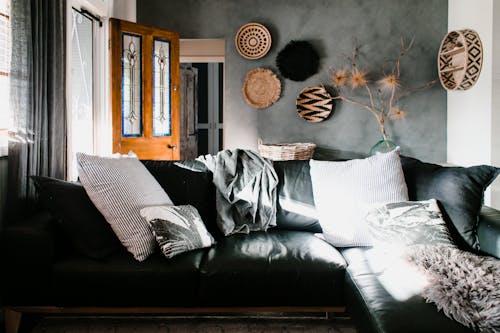
Selecting furniture scaled correctly to the room shows an understanding of proportion, which is a foundational design principle. Oversized or undersized pieces often indicate impulse buying rather than planning. Designers emphasize scale because it directly affects comfort and circulation. Getting it right suggests confidence in decision-making.
Well-fitted furniture allows a room to breathe and function naturally. There’s no need for visual tricks or excess decor to compensate. The space feels settled, not staged. That ease comes from knowing exactly what the room needs.
6. Subtle Window Treatments That Respect Architecture
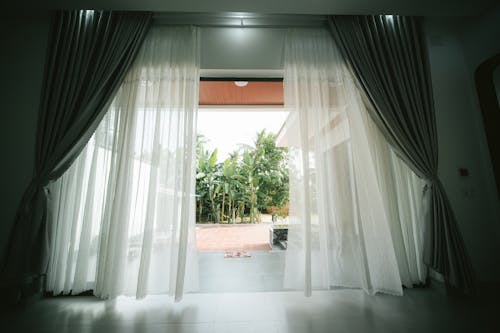
Choosing simple window treatments that align with the home’s style signals respect for the structure itself. Linen panels, woven shades, or tailored drapery support light control without overwhelming the room. This approach is commonly recommended to highlight ceiling height and window proportions. Confidence shows in letting the architecture lead.
Instead of using bold patterns or heavy fabrics to make a statement, these choices prioritize balance. They frame views and soften light without becoming the focal point. The homeowner isn’t trying to distract from anything. That calm assurance comes through clearly.
7. Limited, Intentional Color Accents
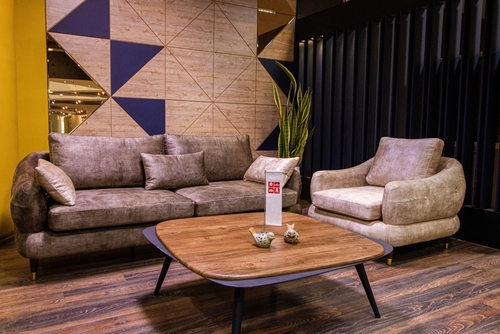
Using color sparingly but consistently demonstrates control and clarity. Designers often advise choosing one or two accent colors and repeating them subtly throughout a space. This creates cohesion without visual overload. It signals confidence because it avoids overcompensation.
Accent colors appear in pillows, artwork, or small objects rather than dominating walls or furniture. This approach allows easy updates without a full redesign. It shows the homeowner trusts their palette and doesn’t need excess to reinforce it. That restraint feels deliberate and self-assured.
8. Closed Storage That Reduces Visual Noise
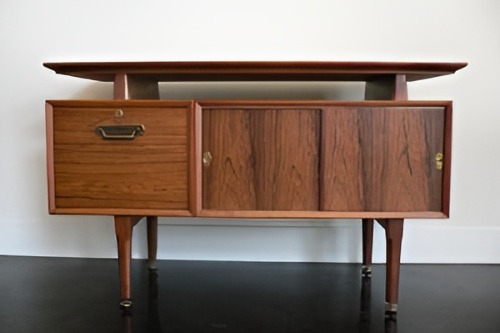
Incorporating closed storage, like cabinets or credenzas, helps maintain a calm environment. Design research consistently shows that visual clutter increases stress and distraction. Choosing concealed storage demonstrates awareness of how spaces affect daily life. That awareness reflects quiet confidence.
Rather than displaying everything, this approach curates what’s visible. It suggests the homeowner values order without rigidity. The space feels intentional, not performative. That balance communicates maturity in design choices.
9. Art Hung at Proper Viewing Height
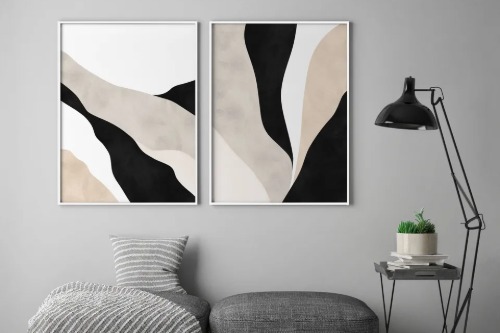
Hanging art at eye level, typically with the center around 57 inches from the floor, is a standard museum guideline. Following this rule shows familiarity with established design practices. It prevents rooms from feeling awkward or unbalanced. Confidence shows in respecting these fundamentals.
Instead of filling walls impulsively, art is placed with care and spacing. The focus stays on the work itself, not the act of displaying it. This choice suggests the homeowner trusts the art to stand on its own. That trust reads as assured.
10. A Clear Focal Point in Each Room
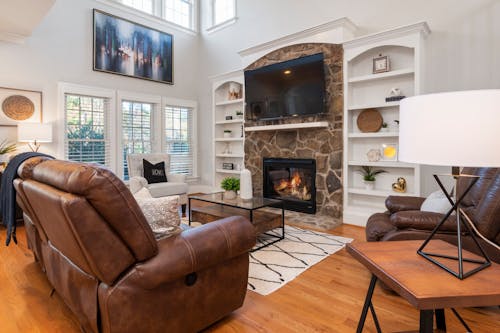
Designing each room around a single focal point, like a fireplace or large window, creates visual order. This principle is widely taught in interior design because it helps guide furniture placement. It prevents competing elements from overwhelming the space. Choosing clarity over excess signals confidence.
The room feels grounded when everything relates back to that anchor. There’s no need to fill every corner with interest. The homeowner shows comfort with negative space. That composure feels intentional and calm.
11. Understated Hardware and Finishes
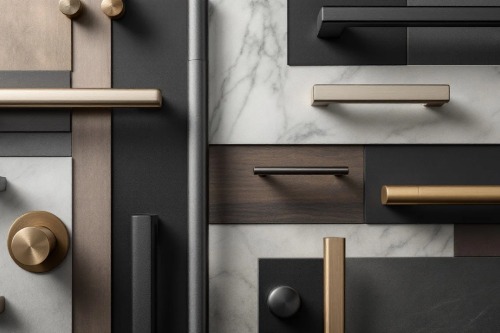
Selecting simple, well-made hardware in finishes like brushed nickel or aged brass shows restraint. These finishes are popular because they wear well and don’t dominate visually. Designers often recommend them for longevity and versatility. Confidence shows in avoiding novelty finishes that date quickly.
Hardware becomes part of the whole rather than a spotlight feature. The focus stays on function and feel. This choice suggests the homeowner isn’t trying to impress at first glance. Instead, they’re investing in lasting quality.
12. Spaces That Prioritize Use Over Display
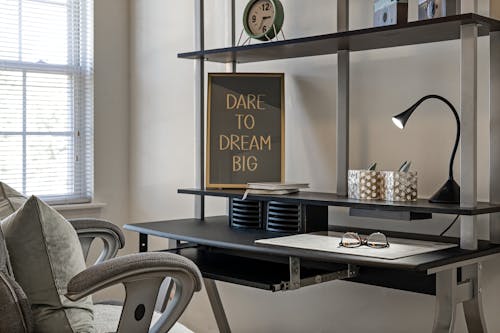
Designing rooms around how they’re actually used signals self-assurance. Comfortable seating, practical surfaces, and clear pathways reflect thoughtful planning. Designers consistently stress function as the foundation of good design. Choosing usability over showiness demonstrates confidence.
These spaces feel lived-in rather than staged. The homeowner isn’t performing for guests or trends. They trust their lifestyle choices enough to let them shape the design. That authenticity is the strongest signal of confidence.
This post 12 Design Choices That Signal Confidence Without Flash was first published on Greenhouse Black.
