
1. Portland, Maine

Portland protected its working waterfront through zoning and public policy. Instead of allowing full conversion to luxury condos, the city reserved space for fishing and marine trades. This slowed certain kinds of growth but preserved economic diversity. The waterfront remains functional as well as scenic.
That balance strengthened the city’s identity. Tourism exists alongside real industry rather than replacing it. Housing and density increased carefully within the existing fabric. Portland shows how defining “enough” can protect long-term resilience.
2. Petaluma, California
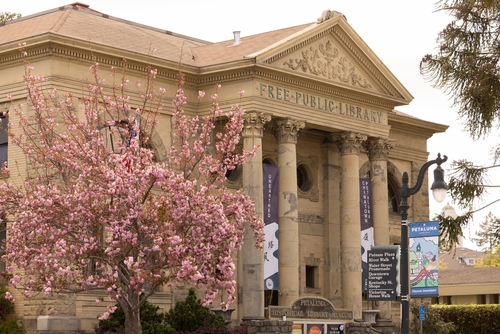
Petaluma famously capped its housing permits in the 1970s when growth threatened to sprawl unchecked across Sonoma County. That controversial decision slowed development and preserved surrounding agricultural land. Rather than hollowing out, the historic downtown became more desirable and economically resilient. Today, Petaluma feels cohesive instead of fragmented by strip malls.
What makes Petaluma stand out is how intentional the trade-off was. Leaders accepted slower population growth in exchange for long-term quality of life. The Petaluma River was restored as a civic asset rather than paved over. It’s a reminder that restraint can actually increase a town’s appeal.
3. Port Townsend, Washington
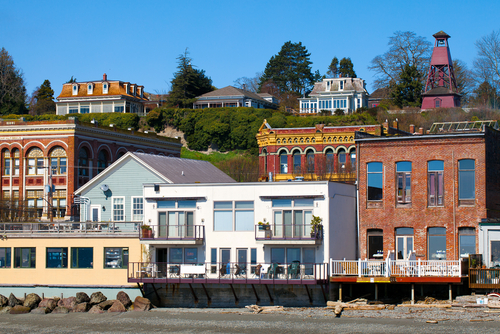
Port Townsend’s Victorian-era downtown survives largely because the town never grew big enough to demolish it. When economic booms bypassed the area, residents leaned into preservation instead of reinvention. Historic district protections kept the scale human and the streets intact. That patience paid off when tourism and maritime trades returned.
The town also resisted major highway expansions that would have changed its character. Local shipbuilding, arts, and small-scale tourism support the economy without overwhelming it. Growth still happens, but it’s incremental and debated publicly. Port Townsend shows how missed opportunities can become long-term advantages.
4. Burlington, Vermont
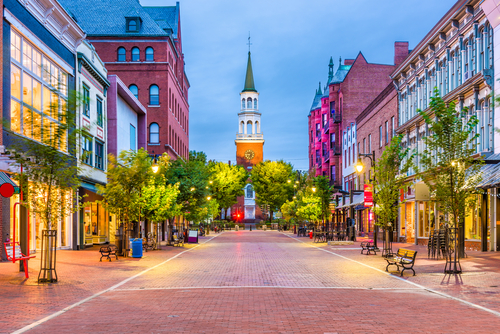
Burlington made a conscious choice to protect its waterfront from private overdevelopment. Instead of luxury condos blocking Lake Champlain, the city prioritized public access and mixed-use spaces. Community land trusts helped keep housing more affordable as demand increased. These policies shaped a city that grows carefully rather than explosively.
The balance is visible in how residents use the city. Bike paths, parks, and small businesses dominate the waterfront instead of parking garages. The University of Vermont adds vitality but hasn’t erased neighborhood identity. Burlington demonstrates how policy can steer growth toward shared benefits.
5. Santa Fe, New Mexico
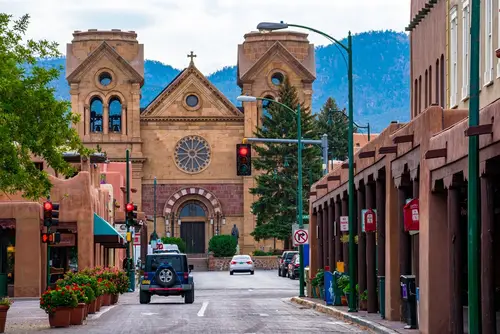
Santa Fe’s strict architectural codes limit height, materials, and style across much of the city. Those rules slowed development and frustrated some investors, but they preserved a strong sense of place. The city resisted becoming a generic Sun Belt boomtown. Instead, it leaned into culture, history, and the arts.
That decision shapes the economy as well as the skyline. Tourism centers on authenticity rather than spectacle, supporting local artists and institutions. Growth still occurs, but it must adapt to the city’s form instead of reshaping it. Santa Fe shows how identity can be a growth strategy in itself.
6. Marfa, Texas
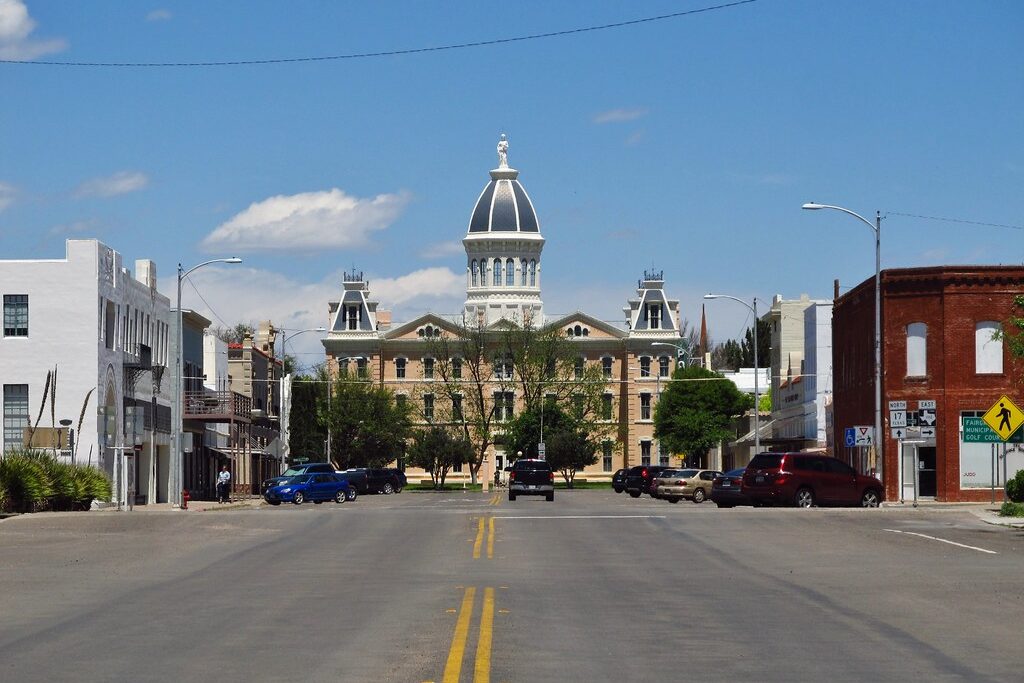
Marfa didn’t chase growth so much as it stumbled into attention and chose not to overreact. As art tourism increased, the town resisted large-scale development and chain businesses. Zoning and local pressure kept buildings low and the population small. The desert landscape remains central to the experience.
What’s notable is how Marfa embraced limits as part of its brand. The town accepts that housing and services are constrained, and growth happens slowly. Local institutions like the Chinati Foundation coexist with everyday life rather than overwhelming it. Marfa proves that small can be intentional, not accidental.
7. Yellow Springs, Ohio
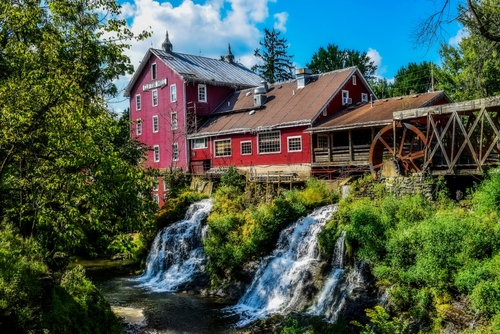
Yellow Springs has long valued community control over rapid expansion. Local activism stopped highway projects and large developments that would have changed the town’s scale. Cooperative businesses and local ownership anchor the economy. The town stayed small even as nearby areas grew quickly.
That choice fostered social cohesion as well as stability. Antioch College’s presence reinforced values of participation and debate. The downtown remains walkable and locally focused. Yellow Springs shows how civic culture can be a growth management tool.
8. Ithaca, New York
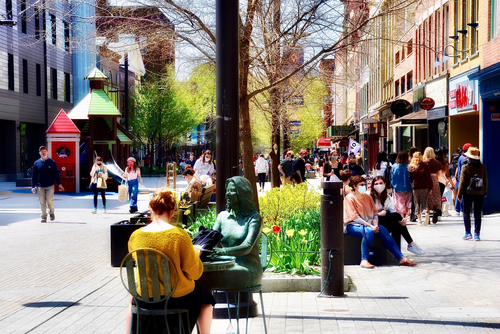
Ithaca balanced growth pressures from Cornell University with strong environmental protections. Steep hills, gorges, and watershed rules naturally limited sprawl. The city focused development downtown rather than outward. This preserved surrounding natural areas while keeping services concentrated.
The result is a compact city with clear edges. Local food systems and small-scale innovation thrive without massive population increases. Debates over housing are real, but they’re framed around balance rather than expansion at all costs. Ithaca illustrates how geography and policy can work together.
9. Taos, New Mexico
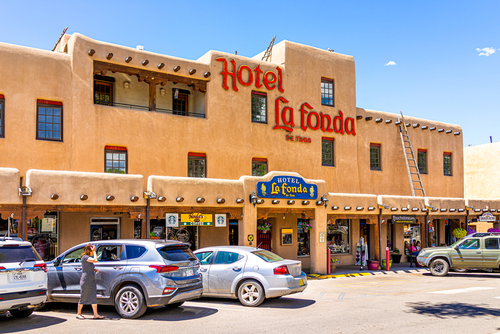
Taos chose preservation over rapid modernization when tourism began to surge. Building codes and land-use rules protected adobe architecture and open land. The town resisted large resorts that would have altered its character. Growth remained modest compared to other mountain destinations.
This restraint helped maintain cultural continuity. Native, Hispanic, and artist communities remain visible rather than displaced entirely. Economic life centers on small businesses and seasonal rhythms. Taos demonstrates how cultural respect can guide development choices.
10. Arcata, California
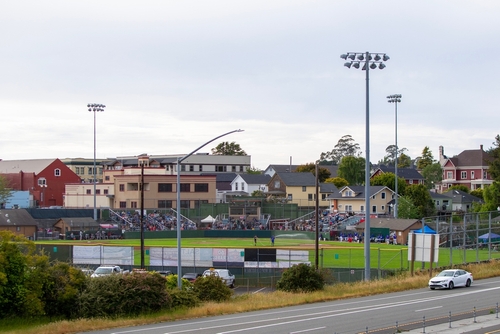
Arcata is often cited as a textbook example of a town that consciously chose limits over endless expansion. Voters approved growth-control measures decades ago, including an urban growth boundary that protects surrounding farmland and redwood forests. Instead of chasing big-box retail, the town invested in a lively plaza, local businesses, and environmental restoration of Humboldt Bay. The result is a walkable downtown that feels alive without feeling overwhelmed.
That balance shows up in daily life, not just planning documents. The Arcata Plaza hosts farmers markets and community events that anchor the town socially as well as economically. Humboldt State University adds energy without dominating the place, keeping housing and infrastructure debates front and center. Arcata proves that saying “not too fast” can be as strategic as saying yes.
11. Hudson, New York
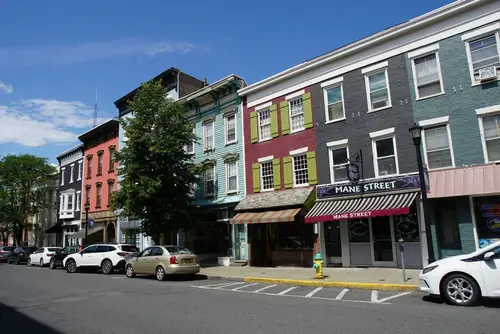
Hudson’s revival came without large-scale suburban expansion. Historic preservation rules kept the downtown intact while attracting new residents. Growth focused on reusing existing buildings instead of building outward. The town stayed compact even as its profile rose.
This approach changed who lived there without erasing what existed. Local institutions and long-term residents still shape civic life. Economic activity concentrates along a few main streets. Hudson proves that regeneration doesn’t require endless physical growth.
12. Paducah, Kentucky
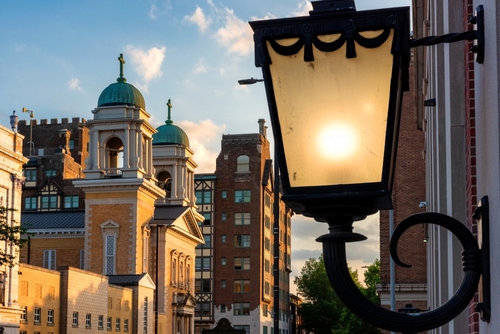
Paducah took an unconventional route by offering artist relocation incentives rather than chasing industrial expansion. The program reused vacant historic homes instead of building new subdivisions. Downtown revitalization happened block by block. Population growth stayed modest but targeted.
The town focused on quality over quantity. Arts, crafts, and river heritage became economic drivers. Neighborhoods regained life without massive infrastructure demands. Paducah shows how creative balance can replace growth-for-growth’s-sake.
13. Key West, Florida
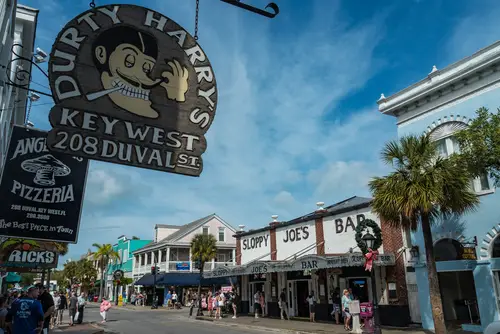
Key West enforces strict height limits and development controls tied to hurricane evacuation capacity. Those rules cap how much the city can physically grow. Instead of expanding, the town adapted existing spaces. Density increased carefully within tight constraints.
This forced a different kind of balance. Tourism is intense, but the built environment remains largely intact. Infrastructure decisions are tied to safety rather than speculation. Key West demonstrates how hard limits can shape sustainable choices.
This post These Places Prove What Happens When a Town Stops Chasing Growth and Finds Balance was first published on Greenhouse Black.
