
1. Cast Iron Skillets
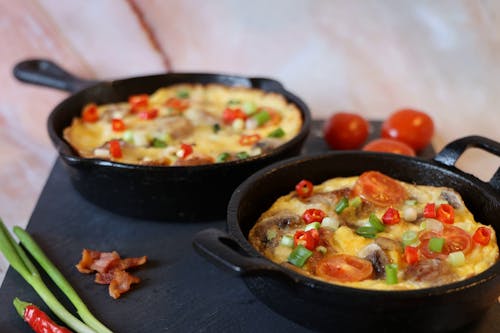
Cast iron skillets have been around for centuries, and many are still cooking daily after 50 or even 100 years. Their supposed replacements, disposable nonstick pans, often wear out within a few years as coatings scratch or degrade. Cast iron survives because it’s a single piece of iron with no surface layer to fail. If it rusts, it can be restored, which is not something you can say for most modern pans.
Another reason cast iron outlived nonstick is performance consistency. A well-seasoned skillet can handle high heat, ovens, grills, and even campfires without damage. Nonstick pans usually come with heat limits that shorten their lifespan if exceeded. Longevity plus versatility explains why cast iron never really left kitchens.
2. Mason Jars
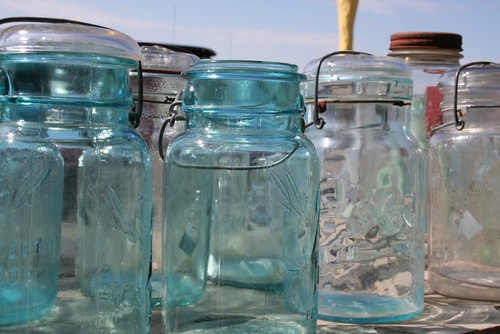
Mason jars were invented in the 19th century and are still used today for food storage, canning, and organization. Many plastic food containers introduced as replacements crack, stain, or warp within a few years. Glass Mason jars don’t absorb odors, discolor, or degrade with repeated washing. As long as the jar doesn’t break, it remains usable indefinitely.
Their threaded design also helps explain their staying power. Replacement lids are standardized and widely available, even decades later. Plastic containers often rely on proprietary shapes or lids that get discontinued. Mason jars outlived them by being simple, modular, and chemically stable.
3. Wooden Clothespins
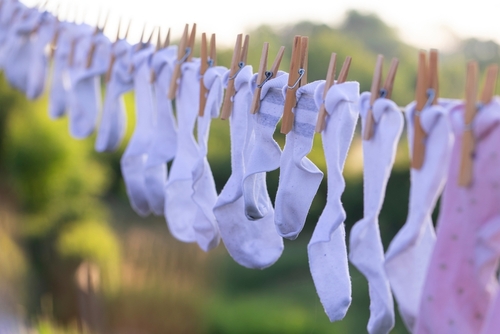
Traditional wooden clothespins with metal springs have been hanging laundry for generations. Plastic clothespins were meant to improve durability, but many become brittle and snap after prolonged sun exposure. Wood tolerates UV light better and doesn’t shatter under stress. When a wooden pin finally fails, it does so slowly and predictably.
They also grip fabric more gently and reliably. Plastic pins often lose tension as the plastic flexes or cracks. The simple combination of wood and metal turns out to age better outdoors. That’s why old-style clothespins still dominate clotheslines.
4. Mechanical Thermostats
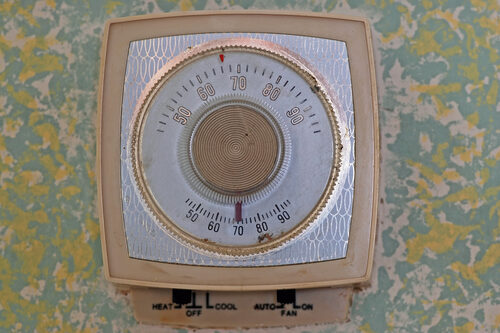
Older mechanical thermostats, especially mercury-switch models, often function accurately for decades. Smart thermostats were designed as replacements but rely on software, Wi-Fi, and power stability. When updates stop or connectivity fails, smart units can become unreliable or obsolete. Mechanical thermostats keep working because they’re purely physical systems.
Accuracy over time is another factor. Mechanical thermostats can drift slightly, but they rarely fail completely. Smart thermostats may lose support or compatibility long before their hardware wears out. The simpler device ends up outliving the more advanced one.
5. Solid Wood Furniture
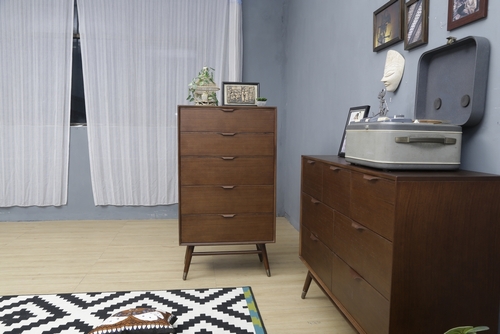
Solid wood tables and dressers from decades ago are still in daily use in many homes. Flat-pack furniture made from particleboard or MDF was marketed as a cheaper, modern replacement. These materials swell, chip, or collapse when exposed to moisture or repeated stress. Solid wood can be refinished and repaired instead of discarded.
Joinery also plays a role in longevity. Older furniture often uses mortise-and-tenon or dovetail joints that age well. Many newer pieces rely on cam locks and screws that loosen over time. Durability explains why antique furniture often outlasts multiple generations of replacements.
6. Hand-Crank Can Openers
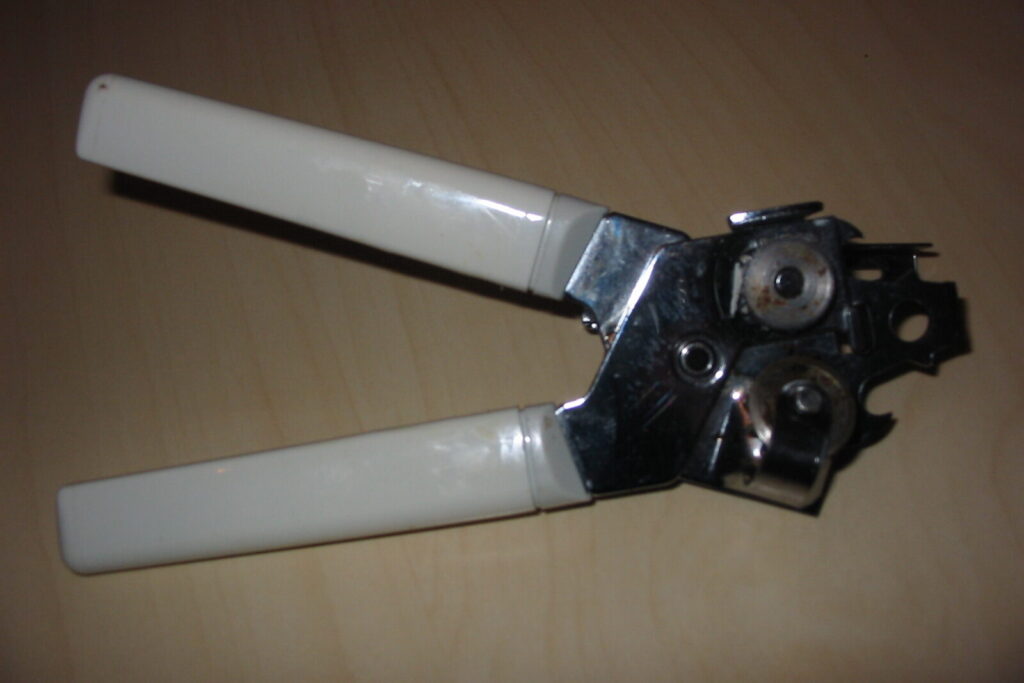
Manual can openers with metal gears have been a kitchen staple for over a century. Electric can openers were introduced for convenience, but their motors and plastic housings often fail. A hand-crank opener has very few parts that can break. Even when it dulls, it can often be sharpened or adjusted.
They also don’t depend on power or specific can sizes. Electric openers can struggle with dented cans or unusual rims. Manual openers adapt easily to variation. That adaptability has kept them in drawers long after electric versions came and went.
7. Wool Blankets
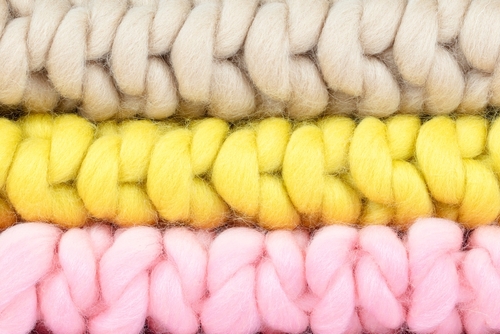
Wool blankets have provided warmth for hundreds of years and are still prized today. Synthetic fleece and microfiber blankets were meant to be lighter and easier to clean. Over time, synthetics pill, lose insulation, and trap odors. Wool fibers remain resilient and insulating even after decades of use.
Wool also has natural temperature regulation. It insulates when wet and resists compression better than many synthetics. These traits mean a single wool blanket can outlast several modern alternatives. Longevity comes from the fiber itself, not from added technology.
8. Porcelain Bathroom Sinks
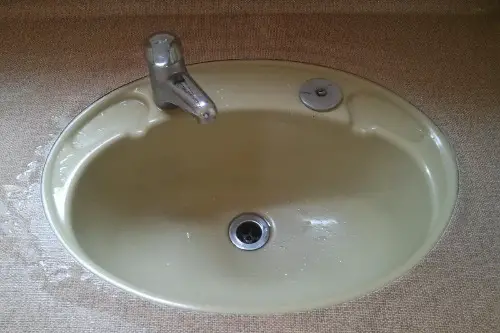
Porcelain-coated cast iron sinks installed mid-20th century are often still intact and functional. Composite or acrylic sinks were introduced as lighter, cheaper replacements. These newer materials scratch, stain, and dull much more quickly. Porcelain resists chemicals, heat, and abrasion extremely well.
Structural strength is another advantage. Cast iron sinks are heavy, but they don’t flex or crack under normal use. Acrylic and composite sinks can develop stress cracks over time. That durability explains why porcelain fixtures often outlive bathroom remodels.
9. Mechanical Doorbells
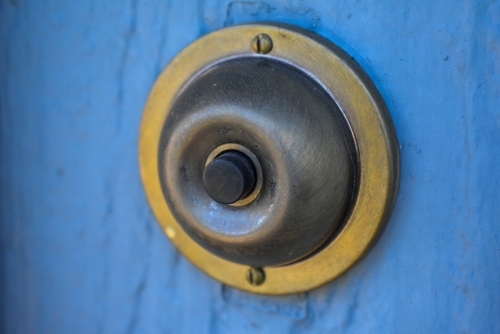
Traditional wired doorbells with a chime and transformer can function for decades without attention. Smart doorbells were introduced with cameras and apps but rely on software updates and cloud services. When support ends, features may stop working even if the hardware is intact. Mechanical doorbells just ring, and that’s all they need to do.
They’re also less sensitive to environmental conditions. Extreme cold, heat, or Wi-Fi interruptions don’t affect a simple chime system. Smart doorbells can fail due to battery degradation or connectivity issues. Simplicity again proves more durable.
10. Pyrex Borosilicate Bakeware
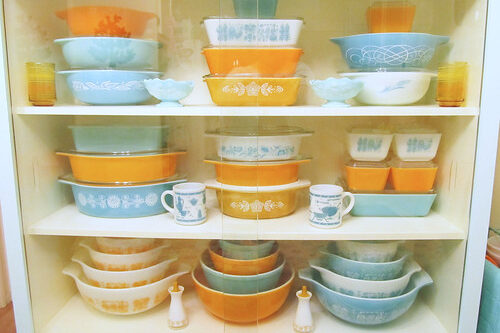
Older Pyrex made from borosilicate glass is famous for surviving thermal shock. Many modern glass bakeware items use soda-lime glass, which is less resistant to rapid temperature changes. As a result, older pieces often last longer under real kitchen conditions. This difference is well documented by manufacturers and testing labs.
Borosilicate’s resistance to cracking explains its longevity. You can move it from oven to counter with less risk. Soda-lime glass requires more careful handling. The material choice, not the brand name, is why older Pyrex keeps going.
11. Wired Landline Telephones
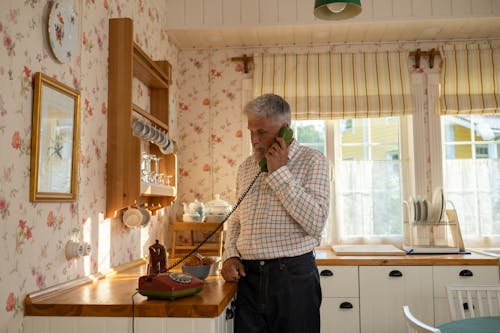
Corded landline phones from the late 20th century still work during power outages. Cordless phones and VoIP replacements depend on electricity and batteries. When those fail, communication stops. Wired phones draw power from the phone line itself.
They also have minimal electronic complexity. Fewer components mean fewer points of failure. Many corded phones function after 30 or 40 years with no repairs. Their reliability has allowed them to outlast multiple generations of replacements.
12. Ceiling Fans with Pull Chains
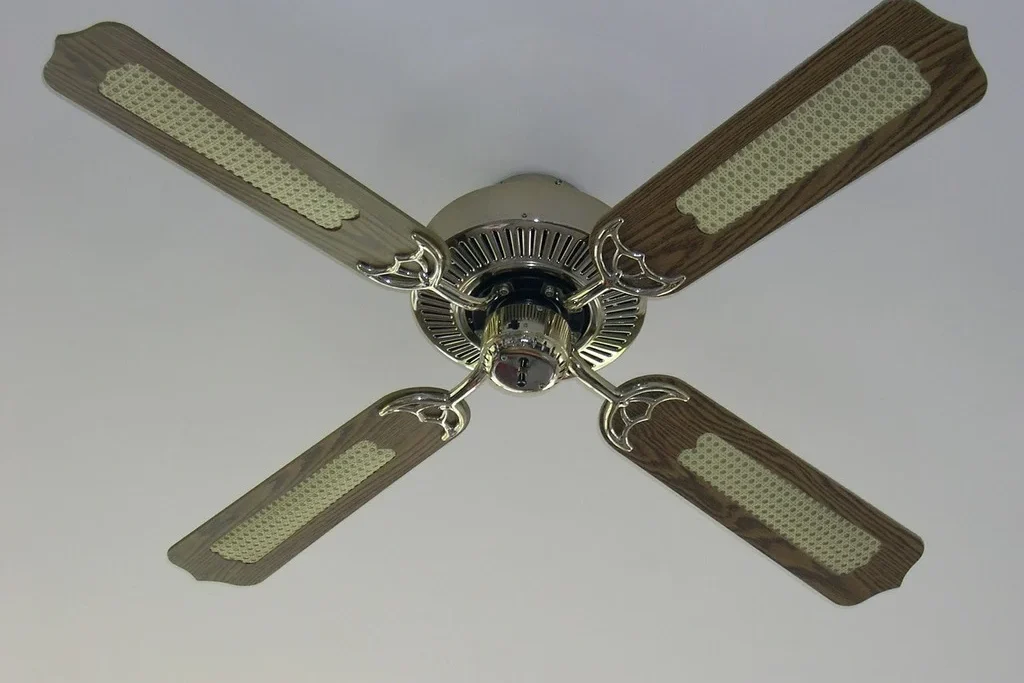
Older ceiling fans with mechanical pull chains often run smoothly for decades. App-controlled or remote-operated fans add circuit boards and receivers that can fail. When those electronics break, replacement parts may be unavailable. A pull chain is easy to replace and universally compatible.
The motors themselves are often comparable in quality. What shortens lifespan is the added electronic layer. Mechanical controls age more gracefully than digital ones. That’s why simple fans are still spinning long after smarter ones stop.
13. Mechanical Alarm Clocks

Wind-up or plug-in mechanical alarm clocks were designed to do one job reliably. Phone alarms and smart clocks depend on software, updates, and power stability. Operating system changes can introduce bugs or compatibility issues. Mechanical clocks keep time as long as their gears are maintained.
They’re also immune to distractions. No notifications, no updates, no crashes. Many mechanical alarm clocks from the mid-1900s still function accurately. Their focused design has helped them outlast their digital replacements.
14. Manual Coffee Grinders
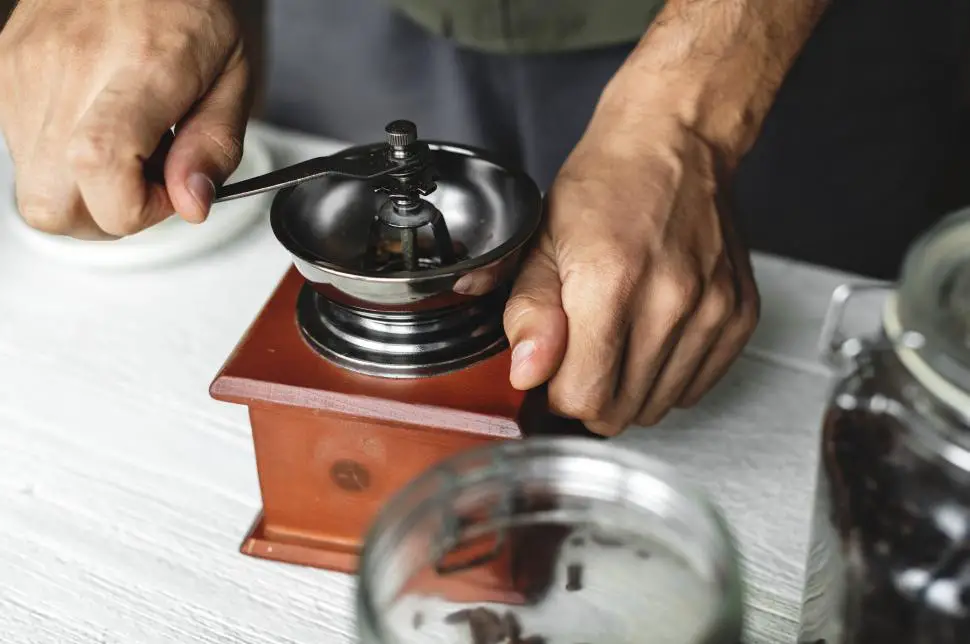
Hand-crank coffee grinders with steel burrs have been used for generations. Electric blade grinders were introduced for speed but often burn out or produce inconsistent grinds. Burr mechanisms wear slowly and can be recalibrated. A manual grinder can last decades with basic cleaning.
Grind quality also plays a role. Burr grinders, even manual ones, produce more uniform grounds than blade grinders. Electric convenience doesn’t guarantee longevity or performance. The older design survives because it was built for precision, not speed.
This post 14 Home Items That Outlived Their Replacements was first published on Greenhouse Black.
