
1. Baltimore, Maryland
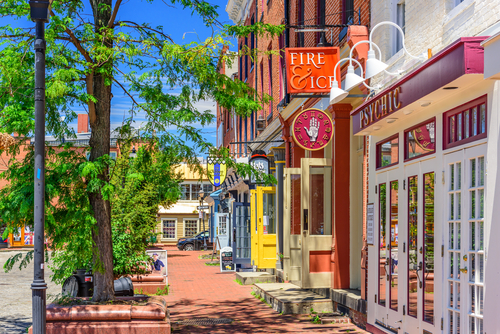
Baltimore is a classic long-game market shaped by institutions. Universities, hospitals, and government-related employment provide stability. Housing prices vary widely, creating opportunities for selective buyers. Those who choose carefully can afford to wait out slower periods.
Revitalization has been concentrated but persistent. Areas near job centers and waterfront districts show gradual improvement. Buyers who invest in property condition and community ties often benefit most. Over time, those steady factors add up in ways short-term investors miss.
2. Detroit, Michigan

Detroit remains a long game because its recovery has been uneven but real. Home prices are still low enough in many neighborhoods to justify holding costs over a long horizon. The auto industry’s evolution toward electric and autonomous vehicles keeps the region economically relevant. That industrial backbone supports housing demand even when national cycles cool.
The key in Detroit is selectivity rather than speed. Buyers who focus on stable neighborhoods with active community organizations tend to see better outcomes. Infrastructure improvements and commercial redevelopment continue to spread outward from the core. Long-term owners benefit as gaps between revitalized areas slowly close.
3. Pittsburgh, Pennsylvania
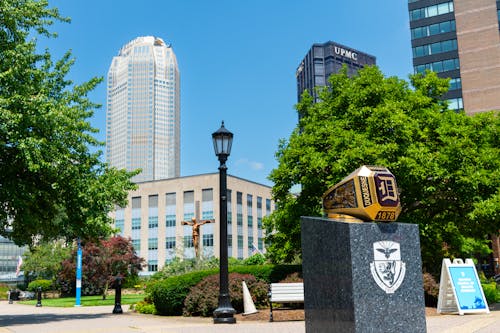
Pittsburgh has quietly transformed from a steel town into a knowledge economy hub. Universities, healthcare systems, and tech research centers create a durable employment mix. Housing prices have risen, but not so fast that long-term value feels tapped out. That balance makes it appealing for buyers willing to wait.
The city’s geography also limits unchecked sprawl. Hills, rivers, and older neighborhoods constrain supply in desirable areas. Over time, that scarcity supports values without the volatility seen in hotter markets. It’s a place where steady demand does more work than hype.
4. Buffalo, New York

Buffalo appeals to patient buyers because it combines affordability with slow-burn momentum. Major investments in infrastructure and waterfront redevelopment have taken years to materialize. Those projects are now supporting population stabilization after decades of decline. That shift doesn’t show up instantly in prices, but it matters long term.
The region also benefits from cross-border trade and logistics tied to Canada. Universities and healthcare systems provide consistent employment anchors. Buyers who aren’t counting on rapid appreciation can let these fundamentals compound. Over time, the math becomes more forgiving for owners who bought early.
5. Rochester, New York

Rochester is a long-game market built around resilience rather than growth spurts. Its economy diversified after the decline of legacy manufacturing giants. Today, education, healthcare, and optics technology play a larger role. That diversity keeps housing demand steady even during downturns.
Home values remain approachable, which lowers the risk of holding property through slower years. Many neighborhoods reward owners who invest in upkeep and energy efficiency. The payoff tends to come through stability rather than dramatic gains. For patient buyers, predictability is part of the appeal.
6. Chicago, Illinois
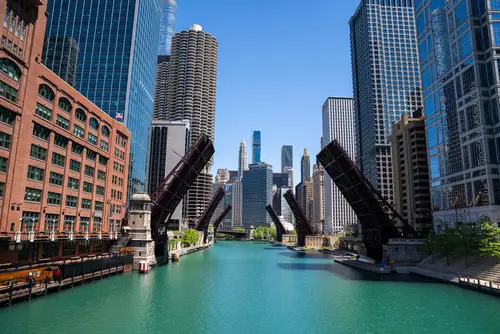
Chicago is not a single housing market, which is why it suits long-term strategies. While some neighborhoods fluctuate, others show consistent demand tied to transit, jobs, and schools. The metro’s economic base is broad, spanning finance, logistics, healthcare, and education. That diversity supports housing over full market cycles.
Buyers playing the long game often focus on established neighborhoods with room to improve. Price growth may be slower than in Sun Belt boomtowns, but volatility is also lower. Over time, rental demand and resale value tend to hold up well. It’s a market where endurance often beats timing.
7. St. Louis, Missouri

St. Louis offers long-term potential because its fundamentals outweigh its reputation. The region has major employers in healthcare, education, and manufacturing. Housing prices remain modest, giving buyers a buffer against market swings. That affordability makes long-term ownership easier to sustain.
Revitalization has been gradual and highly localized. Neighborhoods near employment centers and cultural institutions show the most consistency. Buyers who understand micro-markets tend to benefit from slow appreciation. The payoff often comes from staying put rather than chasing trends.
8. Kansas City, Missouri

Kansas City has grown steadily without the extreme price run-ups seen elsewhere. Its central location supports logistics, distribution, and transportation jobs. Those industries are not flashy, but they are durable. That durability supports long-term housing demand.
The housing stock also lends itself to long-term ownership. Many neighborhoods feature single-family homes at prices that still make sense for buyers planning to hold. Infrastructure improvements and downtown investment continue at a measured pace. Over time, that consistency favors patient owners.
9. Indianapolis, Indiana

Indianapolis works for long-term buyers because it prioritizes livability over speculation. The city has a strong healthcare, education, and life sciences presence. Housing remains affordable relative to incomes, which supports sustainable demand. That balance helps values hold up across cycles.
Growth here is incremental rather than explosive. New development tends to follow employment, not the other way around. Buyers who commit to well-located neighborhoods can ride that gradual expansion. It’s a market where time does more work than leverage.
10. Columbus, Ohio
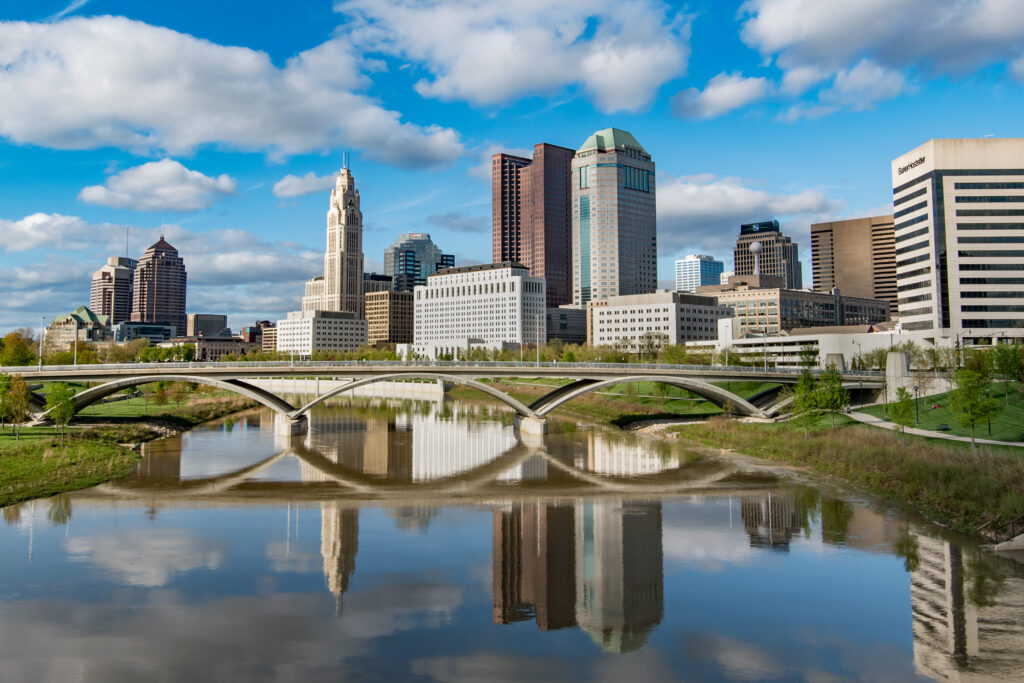
Columbus stands out for its stable population growth and diverse economy. State government, universities, and a growing tech presence anchor employment. Housing demand has been consistent without extreme swings. That makes it appealing for buyers thinking in decades, not quarters.
The city continues to invest in infrastructure and mixed-use development. Those improvements support long-term neighborhood desirability. Buyers who get in before areas fully mature often benefit later. Patience is rewarded as amenities and transit connections catch up.
11. Cincinnati, Ohio
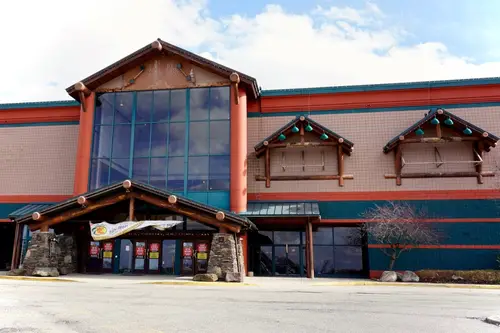
Cincinnati’s appeal lies in its strong corporate and healthcare presence. Major employers provide long-term job stability that supports housing demand. Prices have risen, but many neighborhoods remain accessible. That affordability allows buyers to absorb slower appreciation.
Historic housing stock adds another layer of long-term value. Well-maintained older homes tend to age well in established communities. Revitalization has been steady rather than speculative. Buyers who stay invested often see gradual gains over time.
12. Milwaukee, Wisconsin
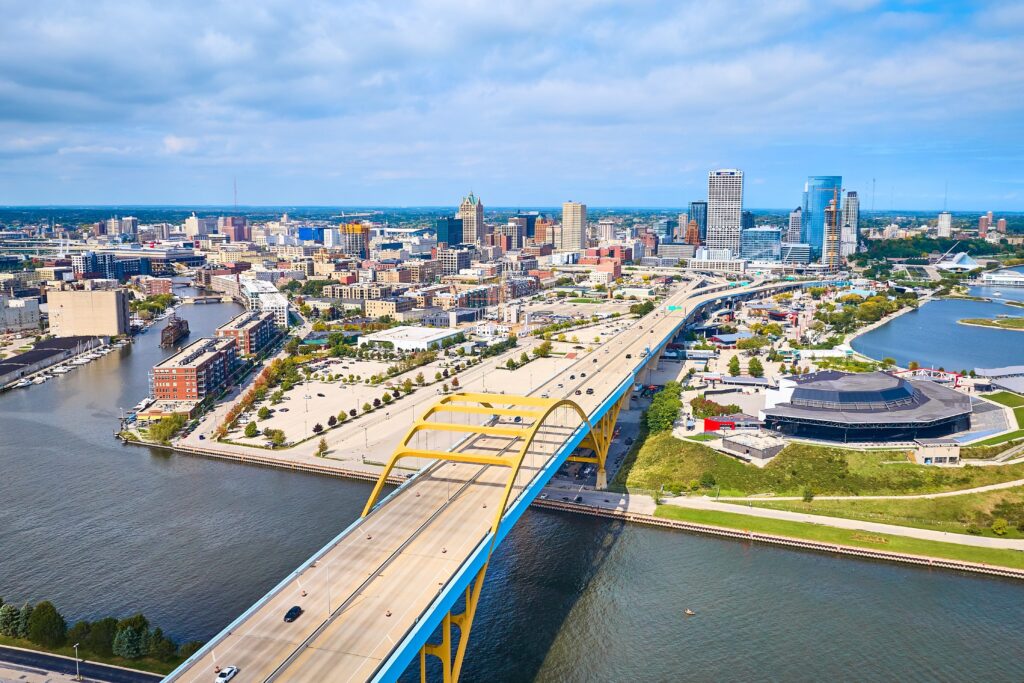
Milwaukee is a market where fundamentals quietly carry weight. Manufacturing, healthcare, and education form a stable economic base. Housing prices remain reasonable, especially compared to nearby larger metros. That gap creates room for long-term appreciation.
Waterfront redevelopment and downtown investment have been ongoing for years. These projects support livability and attract residents without overheating the market. Buyers willing to hold benefit as the city’s image continues to evolve. The returns tend to come through consistency, not spikes.
13. Philadelphia, Pennsylvania
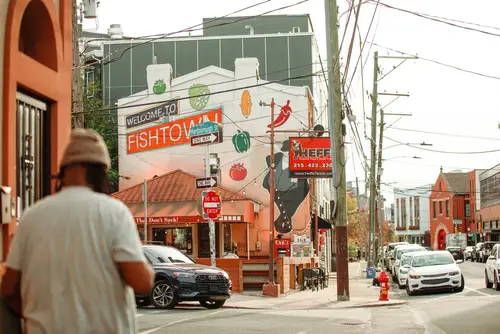
Philadelphia rewards long-term buyers who understand its neighborhood dynamics. The city has strong anchors in healthcare, education, and life sciences. Housing demand remains solid due to population density and limited space for expansion. That constraint supports values over time.
Some areas cycle faster than others, which favors patient strategies. Buyers who focus on transit access and employment proximity tend to fare best. Appreciation may be uneven year to year, but long-term trends are supportive. Staying power matters more than perfect timing here.
14. Cleveland, Ohio
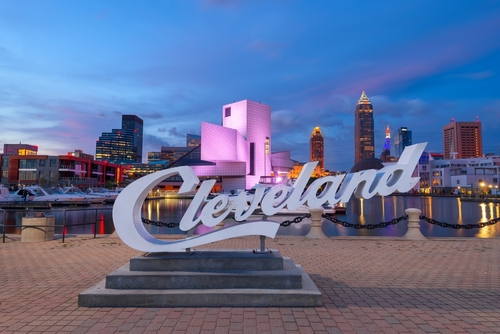
Cleveland is the kind of market that rewards patience more than flash. Prices have stayed relatively accessible compared to coastal metros, which gives buyers room to hold without overleveraging. The city’s healthcare and biomedical sectors, anchored by major hospital systems, provide long-term employment stability. That steady job base matters more over 10 or 15 years than short-term appreciation spikes.
Neighborhood-by-neighborhood improvement is the real story here. Areas near downtown and along the lakefront have seen slow but consistent reinvestment rather than speculative booms. Buyers who commit to maintaining properties tend to do well as surrounding amenities fill in over time. This is a market where the upside shows up gradually, not overnight.
This post Housing Markets Where Buyers Are Playing the Long Game was first published on Greenhouse Black.
