
1. Mint Postage Stamps
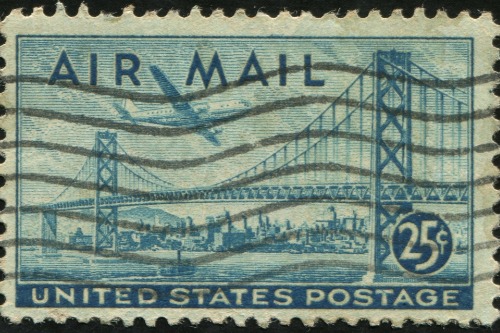
Stamps were often used, glued, or mishandled. Mint stamps that were never affixed or damaged became valuable collector items. Condition factors like intact gum and sharp perforations matter greatly. Early issues from the 19th century are especially sensitive.
Handling stamps improperly can reduce value instantly. A stamp left alone in an album avoided creases and moisture. Collectors pay premiums for untouched examples. Stillness preserved fragility.
2. Unopened LEGO Sets
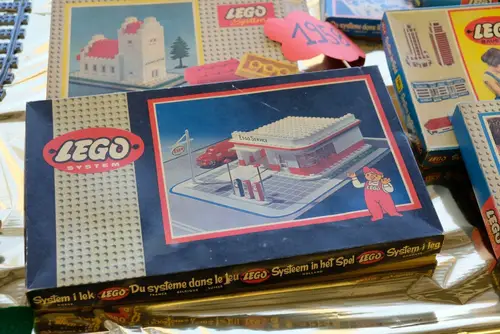
Anyone who played with LEGO as a kid knows how tempting it is to rip open a new box. Sets that were bought, tucked away, and never opened often become dramatically more valuable years later. Specific discontinued themes like early Star Wars or 1980s Space sets now sell for many times their original price. Their value comes from completeness, sealed packaging, and the fact that most were enjoyed instead of ignored.
Collectors prize these sets because LEGO frequently retires molds, minifigures, and box designs forever. A sealed box proves every piece is present and untouched, which removes risk for buyers. Even small creases or tape damage can affect value, so being left completely alone matters. In this case, doing nothing turned playtime into an investment.
3. Sealed Vintage Video Games
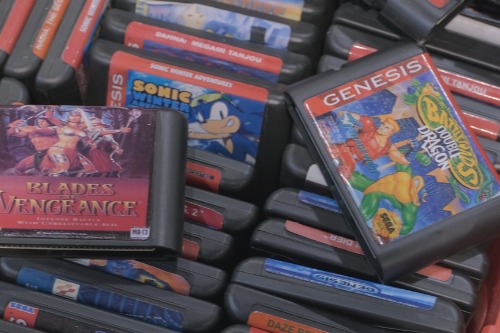
Early video games were meant to be played, not preserved. Copies of NES, Sega Genesis, and Atari games that stayed factory-sealed became rare almost by accident. Titles like Super Mario Bros. or The Legend of Zelda have sold for staggering amounts when untouched. Their value lies in original shrink wrap, box condition, and verified authenticity.
Most games from that era were opened immediately and often damaged through use. Cardboard boxes were especially vulnerable and usually thrown away. A sealed copy represents a time capsule from gaming’s early years. Leaving the game alone preserved not just the software, but its historical context.
4. Vintage Rolex Watches With Original Patina
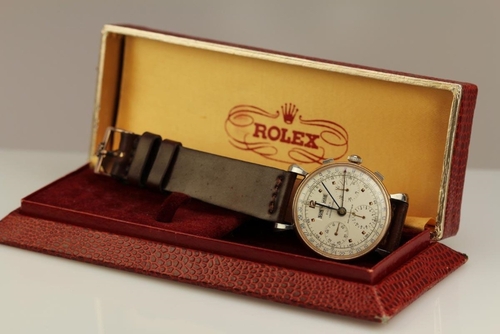
In the watch world, polishing used to be standard practice during servicing. Rolex watches that avoided polishing retained their original case lines, dial finish, and aging. Models like early Submariners or Daytonas are especially prized when left untouched. That natural patina signals authenticity and history.
Once metal is polished away, it can never be replaced. Original lume, faded bezels, and slight discoloration tell a story collectors want. A watch that was worn sparingly and then stored quietly avoided modern alterations. Doing less preserved more value.
5. Coins That Were Never Cleaned
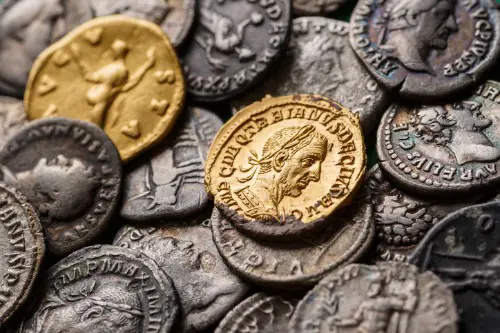
Cleaning coins might seem like common sense, but it’s one of the fastest ways to destroy value. Coins left alone retain their original surfaces, toning, and mint luster. Even rare coins lose significant value once cleaned. Professional graders can spot cleaning immediately.
Natural aging is expected and respected in numismatics. Original surfaces help confirm authenticity and grade. A coin kept in a drawer instead of scrubbed with polish stayed desirable. In this case, restraint is literally worth money.
6. Comic Books Stored and Untouched
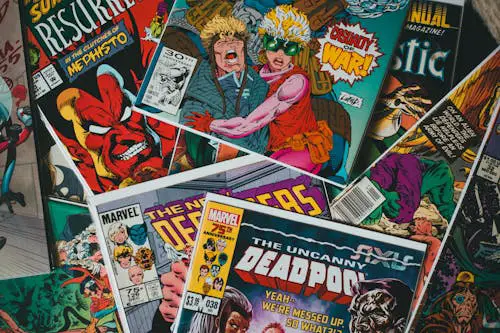
Early comic books were disposable entertainment for kids. Copies that were read once and then stored flat, bagged, or boxed are now extremely valuable. Issues like Action Comics #1 or early Marvel titles owe their value to survival, not popularity alone. Condition is everything in comics.
Fold lines, tears, and color fading dramatically affect price. A comic left alone avoided all the usual damage from reading and trading. Even the smell of old paper can signal originality to collectors. Being forgotten helped them become iconic.
7. Wine Properly Cellared
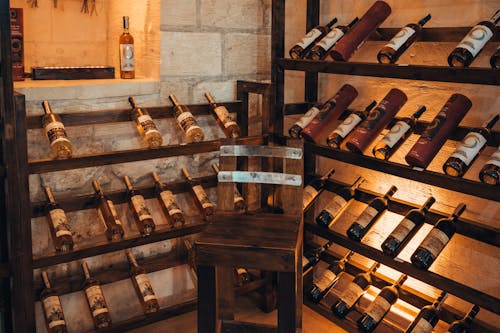
Wine is one of the few objects designed to benefit from being left alone. Bottles stored at stable temperatures and humidity can improve for decades. Famous vintages from regions like Bordeaux or Burgundy often rise dramatically in value over time. Disturbance, heat, or light can ruin them.
Collectors value provenance and storage history as much as the wine itself. A bottle that wasn’t moved, shaken, or exposed aged as intended. Chemical reactions inside the bottle slowly refined the flavor. Patience, not intervention, did the work.
8. Deadstock Vintage Sneakers
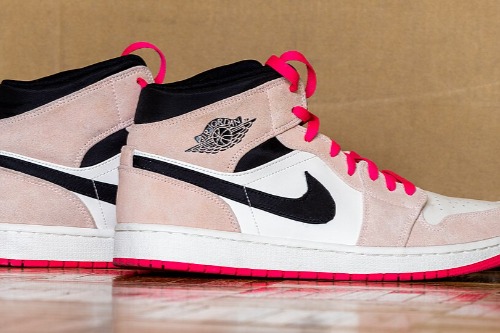
Sneakers were once purely functional, not collectible. Pairs that were bought and never worn, known as “deadstock,” became rare as sneaker culture exploded. Original Air Jordans from the 1980s are prime examples. Their value comes from untouched soles, original boxes, and factory laces.
Wearing sneakers permanently alters them, even briefly. Deadstock pairs preserve original materials and construction. Collectors value the idea of a shoe frozen in time. Leaving them in the box made them legendary.
9. Unrestored Classic Cars
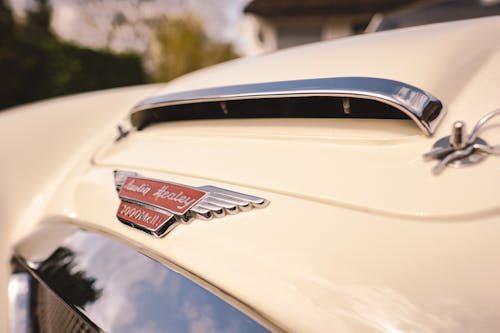
Restoration used to be the goal for old cars, but tastes have changed. “Barn find” vehicles with original paint, interiors, and parts are now highly sought after. Cars like early Porsche 911s or vintage Ferraris can command premiums in unrestored condition. Originality signals authenticity.
Restoration often replaces materials and erases history. A car that sat untouched avoided modern modifications and incorrect parts. Even worn upholstery can be more valuable than new replacements. Time, when left alone, became a feature instead of a flaw.
10. Mid-Century Furniture With Original Finish
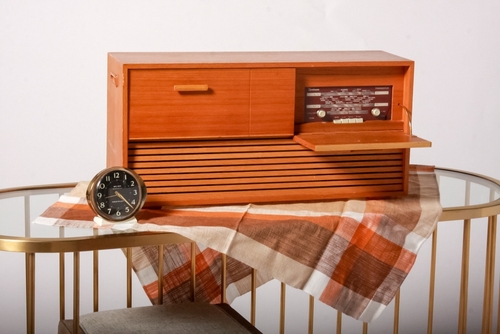
Mid-century modern furniture was once common household decor. Pieces that avoided refinishing or repainting retained their original surfaces and materials. Designers like Eames or Wegner are especially prized in untouched condition. Original finishes prove age and authenticity.
Refinishing can erase tool marks, wood grain, and period techniques. Furniture left alone shows how it was meant to look and feel. Small scratches are acceptable and even desirable. Preservation beat perfection.
11. First-Edition Books With Dust Jackets
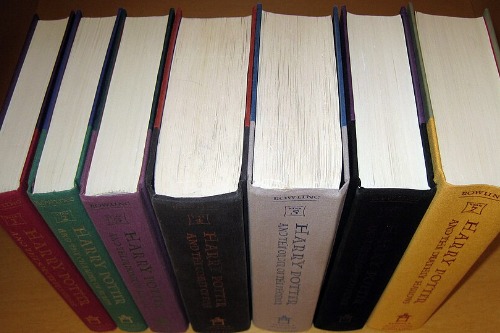
Many classic novels were read, reread, and passed around without much concern for preservation. First editions that were shelved and forgotten, especially with original dust jackets intact, are now highly collectible. Books like The Great Gatsby or To Kill a Mockingbird owe much of their value to untouched condition. The dust jacket alone can be worth more than the book itself.
Dust jackets were once considered disposable, so most didn’t survive. A book left alone avoided sun damage, annotations, and spine wear. Collectors look for clean pages, tight bindings, and original printing markers. In publishing terms, neglect turned out to be care.
12. Photographic Negatives Stored Safely

Original photo negatives are often more valuable than prints. Negatives that were stored in cool, dark conditions retained detail and clarity. Historic images can be reprinted at higher quality from untouched negatives. Damage or light exposure can permanently degrade them.
Negatives were frequently discarded or mishandled. Those left alone became primary historical records. Archivists value them for accuracy and flexibility. Doing nothing protected visual history.
13. Vintage Electric Guitars Kept Original
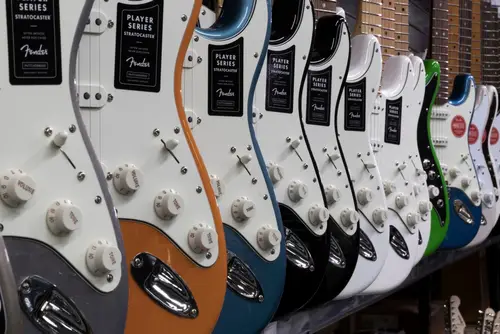
Electric guitars from the 1950s and 1960s were often modified or refinished. Guitars like the 1959 Gibson Les Paul are most valuable when all original parts remain. Even replaced knobs can affect price. Original finish and electronics are critical.
Modifications were once seen as upgrades. A guitar left alone avoided irreversible changes. Wear from light use is acceptable, but originality is king. Silence preserved sound value.
14. Apple I Computers Preserved Intact
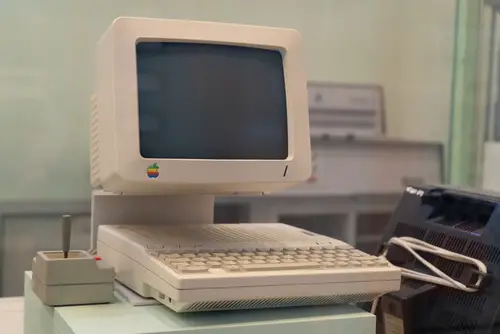
The Apple I was sold as a bare circuit board in the 1970s. Many were modified, damaged, or discarded. Units that remained intact and unaltered became extraordinarily valuable. Their rarity and condition drive prices into the hundreds of thousands.
Early personal computers weren’t seen as collectibles. Leaving one untouched preserved a milestone in tech history. Original components matter greatly to collectors. Inaction safeguarded innovation.
15. Sealed Vintage Whiskey Bottles
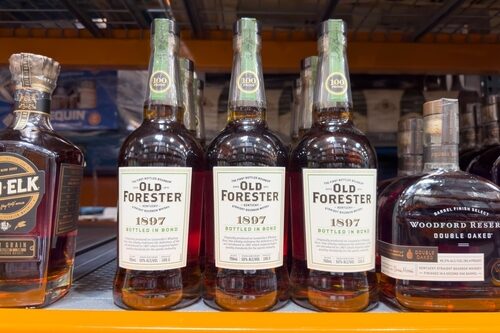
Whiskey doesn’t age in the bottle, but sealed examples still gain value. Bottles from closed distilleries or discontinued lines are especially prized. Original seals and fill levels are critical. Opening the bottle destroys collectible value instantly.
Collectors care about history and scarcity as much as taste. A bottle left alone remained a complete artifact. Labels, corks, and tax stamps all matter. Restraint turned temptation into worth.
This post 15 Objects That Became Valuable by Being Left Alone was first published on Greenhouse Black.
