
1. Dumping gray or black water anywhere but a dump station
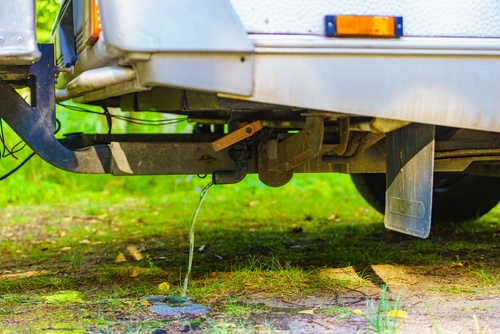
We’ve all seen the looks when someone pulls a valve where they absolutely shouldn’t. Dumping tanks on the ground, in a storm drain, or in the woods is illegal in many places and unsanitary everywhere. It creates health risks for people, pets, and wildlife that don’t belong anywhere near human waste. Campgrounds remember this behavior because it can shut down sites or bring fines that affect everyone.
There’s also a practical reason this sticks in people’s minds. Cleanup costs often fall on campground owners or volunteers, not the person who caused the mess. Other RVers notice immediately because the smell travels and ruins the area. Once someone sees this happen, that rig tends to be remembered for all the wrong reasons.
2. Running a generator during quiet hours
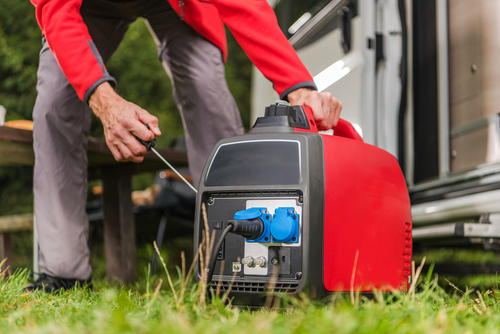
Quiet hours exist because people are sleeping, relaxing, or enjoying nature. Firing up a generator early in the morning or late at night cuts through a campground like a chainsaw. Many campgrounds clearly post their quiet hours, so ignoring them feels intentional. People remember it because noise is impossible to ignore.
The reason this behavior stands out is that alternatives usually exist. Battery banks, solar panels, or planning power use earlier in the day can prevent the need. When someone runs a generator anyway, it signals they value convenience over courtesy. That impression lingers long after the noise stops.
3. Letting dogs bark nonstop
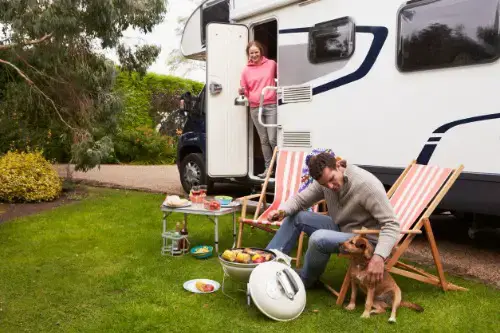
Most RVers love dogs, but endless barking tests everyone’s patience. Leaving a dog alone in an RV that barks for hours affects an entire loop of campsites. It disrupts naps, campfire conversations, and sleep. People remember it because it creates constant stress rather than a single annoyance.
This behavior also raises welfare concerns for the dog. Campground hosts may worry the animal is anxious, overheated, or neglected. Other campers feel awkward reporting it but eventually do when it doesn’t stop. Once that happens, the RV owner’s reputation is usually set.
4. Parking outside your assigned site
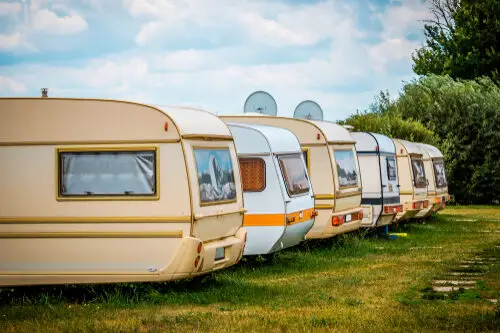
Campgrounds assign sites for a reason, especially in tight or busy parks. Parking partially in the road or spilling into another site can block traffic and emergency access. It also takes space someone else paid for. People remember this because it creates immediate inconvenience.
This behavior often forces others to maneuver around a poorly parked rig. Larger RVs, tow vehicles, and delivery trucks may struggle to get through. Hosts may have to intervene, which creates tension. All of that makes the situation more memorable than it should be.
5. Ignoring leash rules for pets
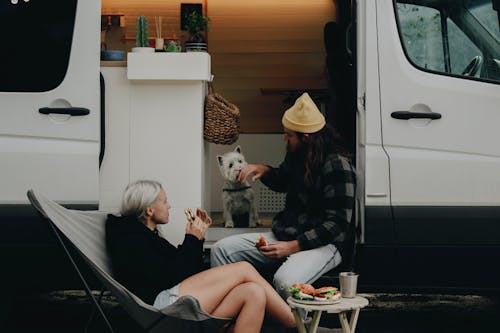
Leash rules aren’t suggestions, even if a dog is “friendly.” Off-leash pets can scare children, provoke other animals, or chase wildlife. Many campgrounds enforce these rules strictly because of past incidents. When someone ignores them, it stands out quickly.
The reason this gets remembered is unpredictability. Other campers don’t know how a strange dog will behave. Even calm dogs can react unexpectedly in a new environment. That uncertainty makes people uneasy and far more likely to remember the owner.
6. Using outdoor lights that stay blazing all night
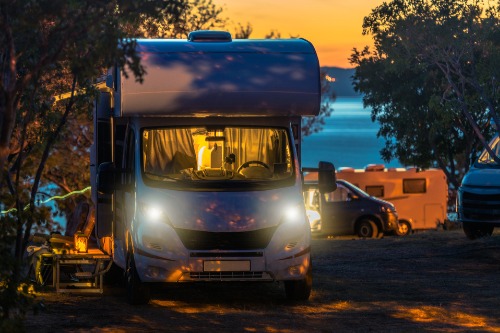
Bright exterior lights can turn a peaceful campsite into a parking lot. LED awning lights, floodlights, or decorative strings left on overnight disrupt the natural darkness. Campers often choose RVing specifically to escape that kind of environment. The contrast makes this behavior especially noticeable.
There’s also a wildlife impact to consider. Excessive lighting can disturb nocturnal animals and insects. Neighbors may struggle to sleep when light pours through their windows. Once someone asks for the lights to be turned off, the moment tends to stick.
7. Playing music loud enough for the whole campground
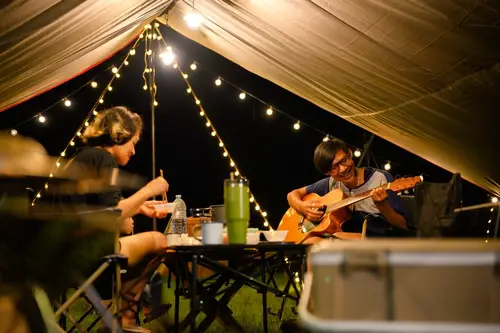
Music taste is personal, but volume is communal. Playing music loudly at a campsite forces everyone nearby to listen, whether they want to or not. Sound carries far in open outdoor spaces, especially at night. People remember it because it removes their choice.
This behavior often escalates tension quickly. Campers may hesitate to ask someone to turn it down. Hosts may eventually step in, which embarrasses everyone involved. That kind of interaction is rarely forgotten.
8. Leaving trash outside overnight
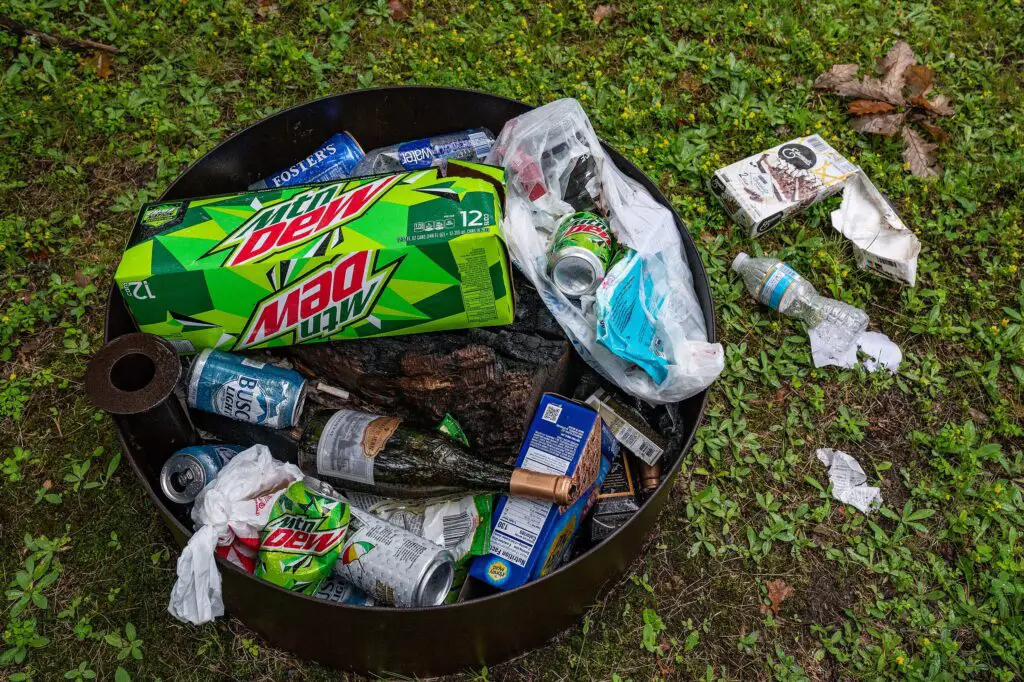
Trash left outside attracts raccoons, bears, birds, and other animals. Once animals get into it, the mess spreads fast and far. Campgrounds often have strict rules because of safety concerns. People remember who caused the problem when they see debris everywhere.
This behavior can also create long-term issues for a park. Animals that associate campsites with food become aggressive or dangerous. That leads to stricter rules or even campground closures. Other RVers don’t forget who started that chain reaction.
9. Cutting through other people’s campsites
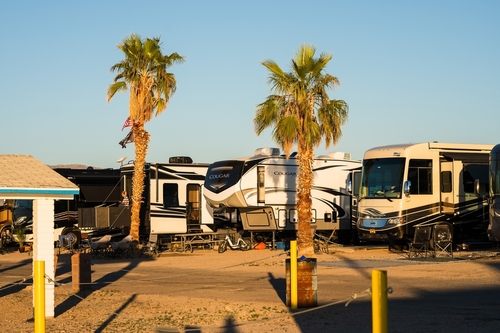
Walking or driving through someone else’s site feels intrusive. Campsites are treated as temporary personal space, even if they’re small. Cutting through can disrupt meals, setups, or quiet moments. People remember it because it feels disrespectful.
There are also safety and liability issues. Tripping hazards, pet lines, and equipment are common in campsites. If someone gets hurt, it becomes a serious problem. That risk makes the behavior stand out in a bad way.
10. Washing dishes or gear at potable water spigots

Fresh water spigots are meant for drinking water, not cleaning muddy boots or fish coolers. Food scraps and soap residue can contaminate the area. Campgrounds often provide designated wash stations for a reason. Seeing misuse sticks in people’s minds.
This behavior raises health concerns immediately. Other campers may need that water source soon after. Even biodegradable soap isn’t meant for those areas. Once someone witnesses this, they tend to remember the rig involved.
11. Driving too fast through the campground

Campgrounds are full of kids, pets, and people walking. Speed limits are low to keep everyone safe. Driving fast kicks up dust and creates fear. People remember it because it feels genuinely dangerous.
This behavior also damages campground roads. Gravel displacement and erosion add maintenance costs. Hosts and long-term campers notice repeat offenders quickly. A fast-moving RV becomes known fast, and not in a good way.
12. Leaving picnic tables or fire rings dirty
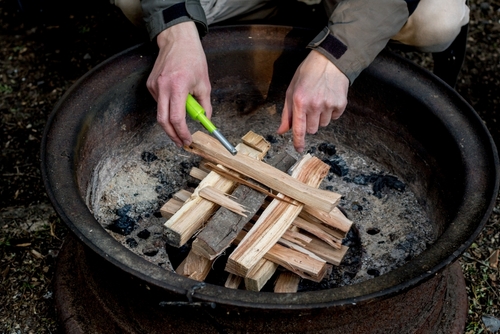
Picnic tables and fire rings are shared resources. Leaving food, grease, or trash behind forces the next camper to clean it. That’s frustrating when someone arrives tired or late. People remember it because it feels unfair.
This behavior can also attract pests. Leftover food smells linger and draw animals into campsites. Campground staff may have to step in to clean up. That extra work doesn’t go unnoticed.
13. Flying flags or decorations that flap loudly all night
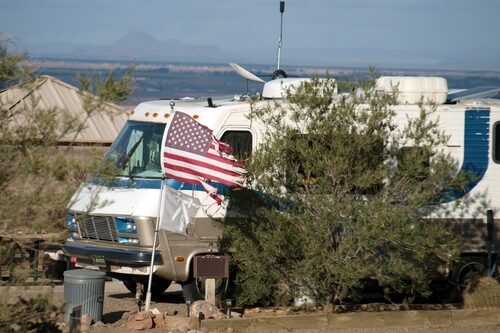
Flags and decorations are popular, but constant flapping can be noisy. Wind turns loose fabric into a repetitive, irritating sound. At night, that noise feels louder and more persistent. Campers remember it because it disrupts sleep.
This behavior is often unintentional, which makes it preventable. Taking decorations down at night solves the problem easily. When someone doesn’t, it suggests a lack of awareness. That impression tends to stick with neighbors.
14. Ignoring campground-specific rules
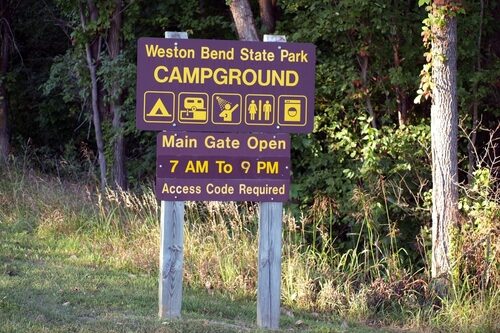
Every campground has its own rules for a reason. These might include fire restrictions, vehicle limits, or check-out procedures. Ignoring them can create safety hazards or logistical problems. People remember it because rules are usually clearly posted.
This behavior often puts staff in a difficult position. Hosts have to enforce rules, which can lead to confrontation. Other campers watch these interactions closely. The RV owner who dismisses the rules rarely fades from memory.
This post 14 RV Behaviors That Get Remembered for the Wrong Reasons was first published on Greenhouse Black.
