
1. Housing costs leave less room for error

Homes feel less forgiving when they cost more to run and repair. Mortgage payments, rents, insurance, and utilities have all risen faster than wages in many regions. That means small mistakes, like a broken appliance or a leaky window, hit harder. There’s simply less financial cushion to absorb everyday problems.
This matters because forgiveness often comes from slack. When budgets were looser, you could ignore a cracked tile or an inefficient heater for a while. Now those issues quickly become stressors instead of background noise. The house hasn’t changed its behavior, but the consequences of neglect have.
2. Airtight construction demands perfect habits
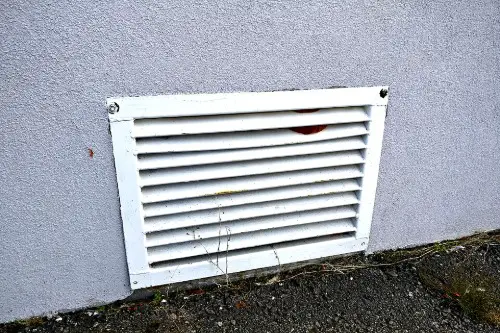
Modern homes are built to be more energy efficient and tightly sealed. This improves comfort and lowers heating and cooling costs when everything works as intended. But it also means moisture, poor ventilation, or skipped maintenance cause problems faster. Mold, stale air, or condensation show up with less warning.
The reason this belongs on the list is that older, draftier homes were more tolerant of human error. You could forget to run a fan or crack a window and nothing dramatic happened. In a tightly sealed home, daily habits matter more. The house responds quickly to what you do or don’t do.
3. Open floor plans amplify everything
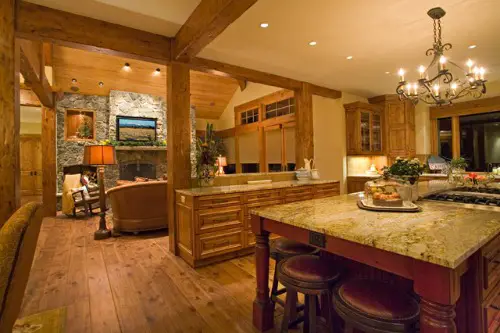
Open floor plans remove walls that once absorbed sound, mess, and visual clutter. Cooking smells travel farther, noise spreads more easily, and clutter is always on display. One messy corner now affects the whole space. The house feels like it’s watching you all the time.
This design trend is included because it directly changes how mistakes feel. A sink full of dishes used to stay in the kitchen. Now it’s part of the living room experience. Open plans reward constant tidiness and punish lapses. That makes homes feel less forgiving day to day.
4. Remote work turned homes into performance spaces
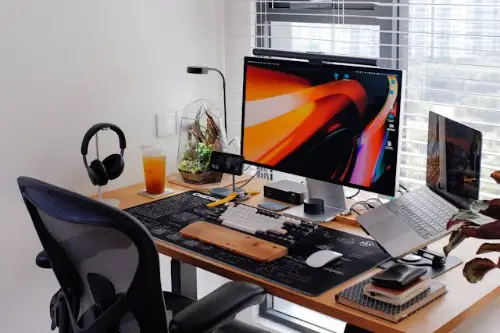
More people now work, study, and attend meetings from home. This adds new expectations for quiet, lighting, and visual order. A barking dog or a messy background suddenly matters more. The house is no longer just a private refuge.
The reason this matters is that homes weren’t designed to handle all roles at once. When your living room doubles as an office, small disruptions feel bigger. The margin for imperfection shrinks during the workday. Home becomes a place where you’re always “on.”
5. Smaller living spaces increase pressure
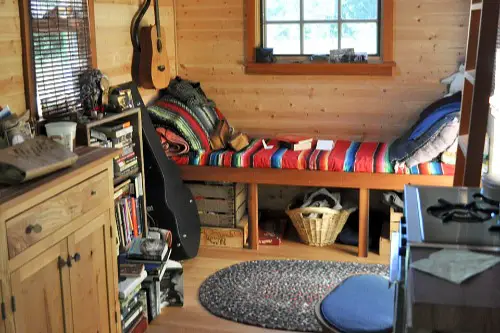
In many cities, apartments and condos have gotten smaller over time. Storage is tighter, rooms serve multiple purposes, and there’s less space to spread out. Everyday clutter accumulates faster. There’s less room to hide the chaos.
This belongs on the list because space itself provides forgiveness. When you have extra square footage, mess can migrate. In smaller homes, everything stays close to the surface. The house reflects your habits almost immediately.
6. Social media raised the baseline for “normal”

Images of perfectly styled homes are everywhere online. These images quietly reset expectations for what a home should look like. Natural wear, mismatched furniture, and lived-in clutter feel like personal failures. Comparison creeps in even when you know better.
The reason to include this is that perception shapes experience. Homes haven’t necessarily become harsher, but our standards have. When the bar is unrealistically high, normal living feels like falling short. That makes the home feel judgmental instead of accommodating.
7. Climate extremes test homes more often
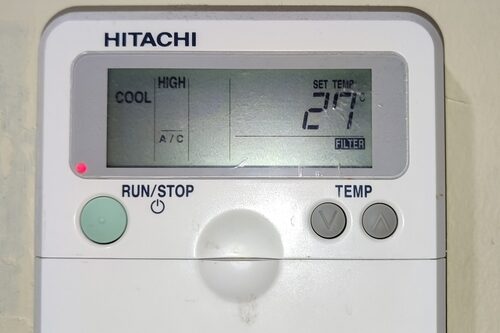
Heat waves, cold snaps, storms, and smoke events are becoming more common in many areas. Homes are pushed harder and more frequently by weather. HVAC systems, insulation, and windows have less downtime. Failures feel more urgent.
This matters because older patterns allowed more recovery time. A rare heat wave was an exception, not a routine test. Now homes must perform under stress more often. When they don’t, the consequences are immediate and uncomfortable.
8. Smart technology adds hidden fragility
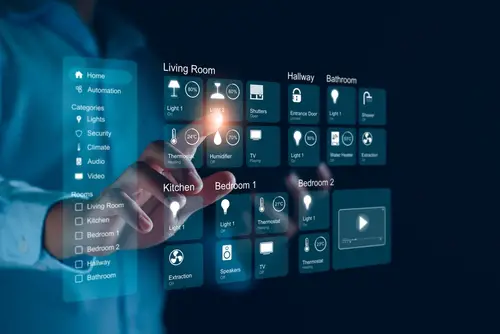
Smart thermostats, locks, lights, and appliances promise convenience. They also add software, connectivity, and power dependencies. When something goes wrong, fixes can be opaque and frustrating. A simple problem can suddenly require troubleshooting.
The reason this makes homes feel less forgiving is complexity. Older systems failed in straightforward ways. New systems can fail silently or unpredictably. The home feels less tolerant when it depends on perfect digital behavior.
9. Maintenance has become more specialized

Many modern materials and systems require specific care. High-efficiency boilers, composite materials, and specialty finishes aren’t always DIY-friendly. Mistakes can void warranties or cause cascading issues. Skipping maintenance has clearer penalties.
This is important because forgiveness often comes from simplicity. When you could fix something with basic tools, errors were recoverable. Now problems escalate faster and cost more to fix. The house expects expert-level care.
10. Noise and light pollution seep indoors

Urban density and constant connectivity increase background noise and artificial light. Homes struggle to fully block these intrusions. Sleep, focus, and rest are more easily disrupted. Small design flaws feel bigger at night.
This belongs here because rest is a key function of home. When outside conditions intrude, the house feels less protective. Thin walls or poor window placement become daily irritations. The home feels less like a buffer and more like a filter that leaks.
11. There’s less time to recover from disorder
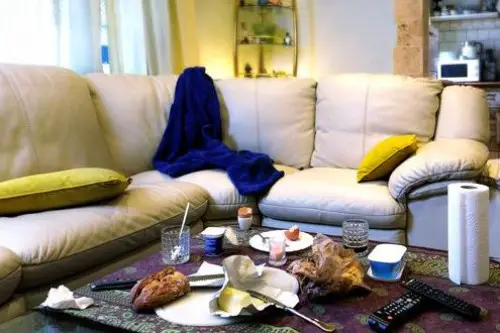
Many people feel more time-pressed than they did in the past. Long work hours and packed schedules reduce reset time at home. Mess lingers longer, and repairs get postponed. The house carries the evidence.
The reason this makes homes feel unforgiving is accumulation. When you can’t catch up, small problems pile on each other. The home starts reflecting stress instead of relieving it. It feels less patient because life gives you fewer chances to reset.
This post Why Homes Feel Less Forgiving Than They Once Did was first published on Greenhouse Black.
