
1. Mortgage rates that finally feel normal again
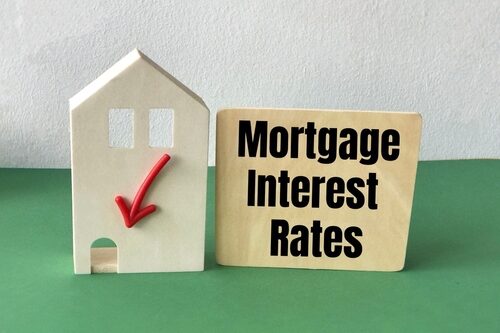
A lot of buyers are quietly hoping 2026 is the year mortgage rates settle into a predictable, less nerve-wracking range. Even a modest drop can dramatically change monthly payments and purchasing power. People don’t need rock-bottom rates, they just want ones that don’t swing wildly week to week. Stability helps buyers plan without feeling rushed or punished for waiting.
There’s a reason this hope sits at the top of almost every wishlist. Higher rates over the past few years forced many buyers to compromise on location, size, or timing. If rates ease, more first-time buyers can qualify without stretching their budgets dangerously thin. That kind of shift could also unlock pent-up demand that’s been sitting on the sidelines.
2. More homes that normal people can actually afford

Buyers aren’t just hoping for more listings, they’re hoping for the right kinds of listings. Entry-level and mid-priced homes have been especially scarce in many markets. New construction has often skewed larger and more expensive, leaving everyday buyers feeling boxed out. In 2026, people want to see supply match real-life budgets.
This matters because affordability isn’t just about prices, it’s about options. When inventory is tight, buyers end up competing aggressively for the same few homes. That competition pushes prices higher and adds emotional stress to the process. More appropriately priced homes would give buyers breathing room and real choices again.
3. Fewer bidding wars and less chaos

Many buyers are exhausted from years of writing offer after offer and losing out. The hope for 2026 is a calmer market where one offer is enough to be taken seriously. People want time to think, not 24 hours to decide the biggest purchase of their lives. A slower pace would make the process feel more human.
There’s a practical reason for this wish beyond emotional burnout. Frenzied bidding often leads to buyers overpaying or waiving protections they later regret. A more balanced market allows inspections, appraisals, and negotiations to happen properly. That kind of environment leads to healthier transactions for everyone involved.
4. Sellers who are realistic about pricing
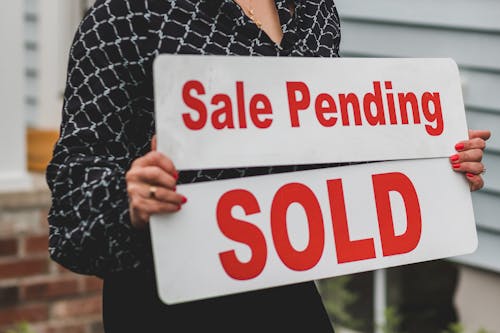
Buyers are hoping 2026 brings a shift in seller expectations. Some sellers are still pricing homes based on peak market conditions that no longer apply. When homes sit unsold, it wastes time for both sides and signals a disconnect. Buyers want prices that reflect current conditions, not yesterday’s headlines.
Accurate pricing matters because it sets the tone for the entire transaction. Overpriced homes can stall markets and discourage serious buyers from even touring. When pricing aligns with reality, homes move faster and negotiations feel fairer. That balance builds trust and reduces friction across the market.
5. Better incentives instead of just price cuts
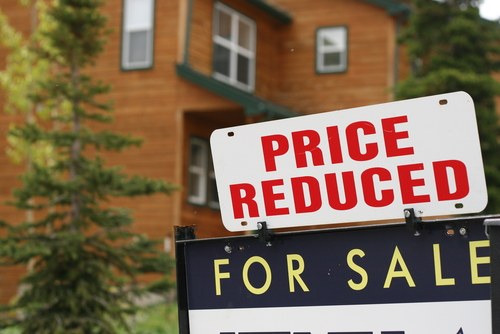
Instead of dramatic price drops, buyers are hoping to see smarter incentives become more common. Things like rate buydowns, closing cost credits, or upgrade allowances can make a real difference. These incentives help buyers manage upfront and monthly costs without destabilizing home values. They also show sellers are willing to meet buyers halfway.
There’s a reason incentives are appealing in uncertain markets. They allow flexibility without signaling desperation or triggering appraisal issues. For buyers, incentives can bridge affordability gaps that prices alone can’t solve. In 2026, many hope this approach becomes a standard negotiation tool rather than a last resort.
6. New construction that prioritizes livability
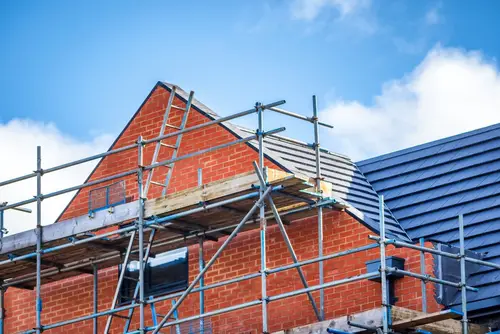
Homebuyers are increasingly paying attention to how homes function, not just how they look. The hope is that 2026 brings floor plans designed for real life, not just staging photos. That means flexible spaces, practical storage, and energy-efficient systems. Buyers want homes that work long after move-in day.
This matters because lifestyles have changed in lasting ways. Remote work, multigenerational living, and rising utility costs all influence how people use their homes. Builders who adapt to these needs create long-term value for buyers. A focus on livability also reduces costly renovations down the road.
7. Property taxes that don’t feel like a surprise attack
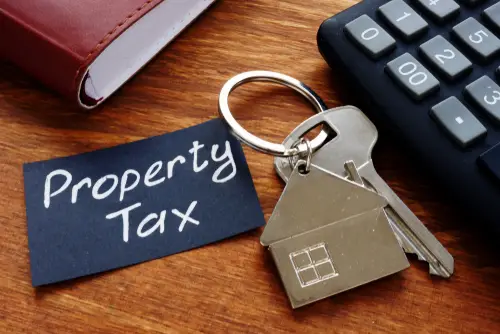
Many buyers are hoping for clearer and more predictable property tax structures. In some areas, taxes jump significantly after purchase, catching new owners off guard. Even well-qualified buyers can struggle when monthly payments rise unexpectedly. Transparency is what people are really asking for.
This concern is rooted in long-term affordability, not just closing day costs. Mortgage payments are only part of the picture, and taxes can change the math quickly. Buyers want accurate projections before they commit. Better clarity would help people buy with confidence instead of crossing their fingers.
8. Insurance that’s available and reasonably priced

Home insurance has quietly become a major stress point for buyers. In certain regions, rising premiums or limited coverage options complicate purchases. Some buyers even lose deals because insurance can’t be secured in time. In 2026, people are hoping this pressure eases.
The reason this matters is simple: lenders require insurance. If coverage is expensive or hard to obtain, it directly affects affordability and eligibility. Buyers want stable insurance markets that support homeownership, not threaten it. Predictable insurance costs make long-term planning far easier.
9. Technology that actually simplifies buying

Buyers are optimistic that technology will finally streamline, not complicate, the process. There’s hope for smoother digital closings, clearer disclosures, and better communication tools. When used well, tech can reduce paperwork and delays. People want efficiency without losing human guidance.
This wish comes from years of clunky systems and redundant steps. Buying a home still involves a surprising amount of manual work and confusion. Better tools could shorten timelines and reduce errors. In 2026, buyers are hoping innovation catches up to expectations.
10. Less pressure to rush into decisions

A quieter hope is simply more time. Buyers want space to evaluate neighborhoods, review inspections, and think clearly. Constant urgency has made the process emotionally draining. A slower market would allow for better decision-making.
This matters because rushed decisions often lead to regret. Homes are long-term commitments, not impulse purchases. When buyers feel pressured, they may overlook red flags. More time leads to better matches between people and properties.
11. A sense that buying a home is achievable again

At the heart of it all, buyers want optimism. The past few years have made homeownership feel out of reach for many. In 2026, people are hoping the narrative shifts from scarcity and stress to possibility and planning. They want to believe effort will be rewarded.
This hope exists because homeownership is still a major life goal. It represents stability, independence, and long-term investment for many families. When the path feels attainable, people engage more thoughtfully and responsibly. That confidence is what buyers are really waiting for.
This post What Homebuyers Are Secretly Hoping 2026 Brings was first published on Greenhouse Black.
