
1. Jetted Whirlpool Tubs
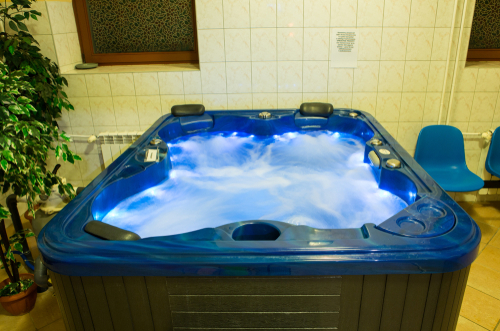
There was a time when a giant jetted tub felt like peak luxury in a primary bathroom. Today, many buyers see them as space hogs they will rarely use. They also know the jets require regular cleaning to avoid buildup. When buyers tour homes, they often imagine maintenance first, not relaxation.
Modern buyers tend to prioritize oversized showers with multiple showerheads instead. Showers fit better into daily routines and take up less square footage. Renovation shows and new builds have reinforced this preference over the last decade. As a result, jetted tubs no longer feel like a must-have comfort upgrade.
2. Formal Dining Rooms
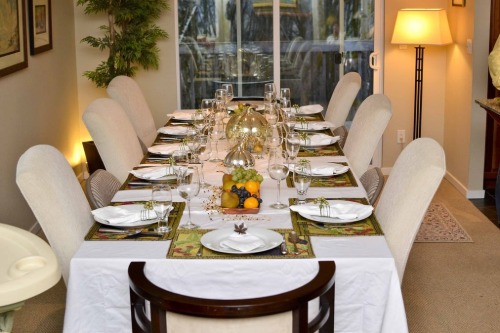
Formal dining rooms used to signal that a home was ready for entertaining. Now, many buyers see them as rooms that sit empty most of the year. Open layouts have shifted how people actually eat and gather. Buyers often mentally reassign these rooms as offices or playrooms during showings.
The change is driven by lifestyle, not taste. Families eat more casually and prefer flexible spaces. A large kitchen island or eat-in nook feels more practical to modern buyers. Because of this, a dedicated formal dining room no longer adds the comfort appeal it once did.
3. Wall-to-Wall Carpeting
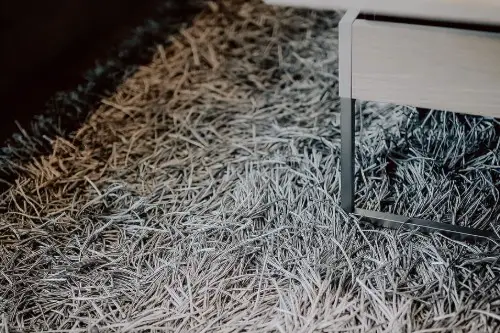
Carpeting was long associated with warmth and physical comfort underfoot. Today, many buyers immediately think about stains, allergens, and wear. Hardwood and engineered flooring are perceived as cleaner and easier to maintain. Buyers also factor in the cost of replacing carpet sooner than other flooring.
This shift is especially noticeable in main living areas. Buyers may tolerate carpet in bedrooms, but rarely chase it as a selling feature. Flooring trends and resale considerations strongly influence this thinking. As a result, wall-to-wall carpet has lost its comfort-driven appeal.
4. Large Entertainment Centers
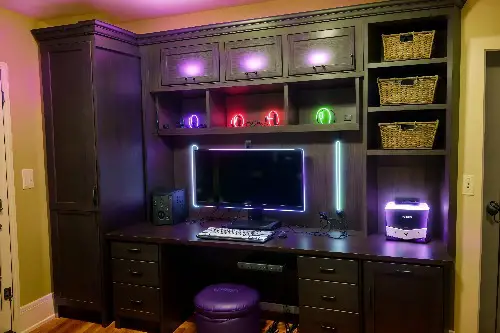
Built-in entertainment centers once made a living room feel complete. Buyers now realize they limit furniture layouts and TV upgrades. Screen sizes and mounting preferences change faster than cabinetry styles. What once felt custom now feels restrictive.
Many buyers prefer a blank wall or minimalist media setup. They want flexibility to rearrange or upgrade without demolition. This preference is tied to both technology changes and design trends. Comfort today often means adaptability, not permanence.
5. Oversized Fireplaces
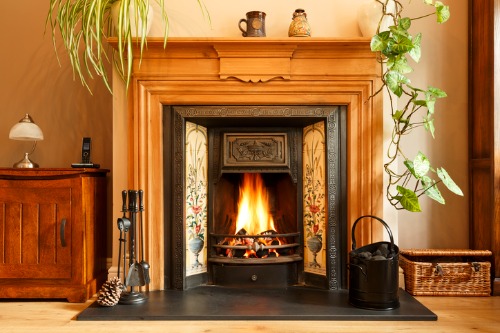
A massive fireplace was once seen as the heart of a cozy home. Buyers now weigh how often they will realistically use it. In many climates, fireplaces sit unused for most of the year. Some buyers also worry about energy efficiency and maintenance.
Smaller, simpler fireplaces still appeal, but oversized ones feel unnecessary. Buyers often prefer efficient heating systems instead. Wall space taken up by a large fireplace can feel wasted. Comfort is increasingly defined by practicality rather than visual drama.
6. Dedicated Home Theaters
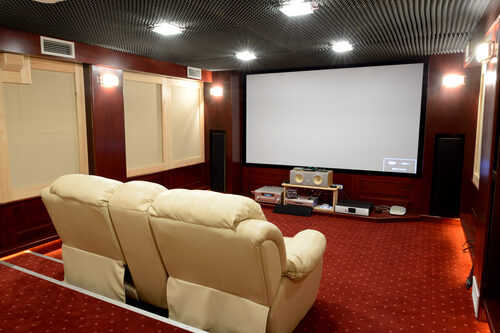
Home theaters surged in popularity when large TVs were expensive and rare. Today, high-quality screens are affordable and portable. Buyers often see a dedicated theater as too niche for their needs. They may also think about converting the space into something more flexible.
Streaming habits have changed how people watch content. Comfort now means watching anywhere, not in a single dark room. A cozy living room with good acoustics feels more appealing. As a result, buyers no longer actively chase dedicated theater rooms.
7. Breakfast Nooks
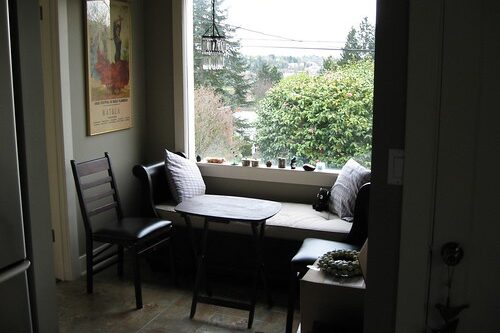
Breakfast nooks once symbolized casual comfort in the kitchen. Buyers now notice how rarely they would use a separate eating spot. Large islands often replace the function of a nook entirely. Space efficiency matters more than ever.
Many buyers prefer open kitchens with adaptable seating. They imagine bar stools serving multiple purposes throughout the day. A nook can feel redundant rather than cozy. This makes it less of a comfort feature buyers seek out.
8. Central Vacuum Systems
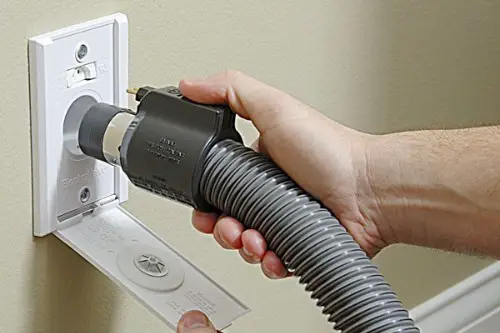
Central vacuum systems were once marketed as a premium convenience. Buyers today are more familiar with lightweight, powerful portable vacuums. They also think about repair complexity if the system fails. The perceived benefit no longer outweighs the hassle.
Technology has played a big role in this shift. Cordless vacuums and robot cleaners are easy to replace and upgrade. Buyers value simplicity over built-in systems. Comfort now aligns more with convenience than permanence.
9. Linen Closets in Every Bathroom
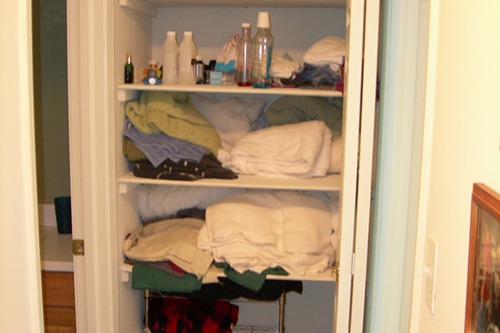
Extra storage used to automatically signal comfort and foresight. Buyers still like storage, but they no longer chase linen closets specifically. Many households rely less on bulky towels and toiletries. Minimalist habits have changed storage needs.
Buyers also know closets can be added or repurposed easily. They prioritize overall square footage instead. A larger bathroom or bedroom often feels more comfortable than extra closets. This reduces the appeal of dedicated linen storage.
10. Separate Living and Family Rooms
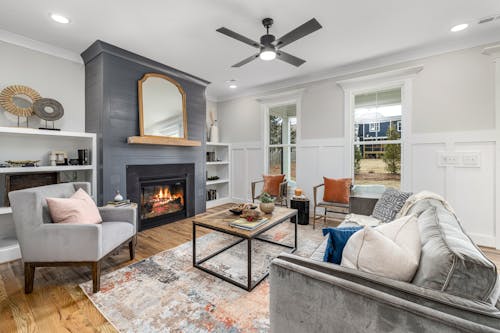
Multiple living rooms once suggested a spacious, comfortable home. Buyers now see them as inefficient and underused. Open-concept layouts have changed expectations. One well-designed gathering space often feels more livable.
Buyers imagine how they will actually use the home day to day. They prefer fewer rooms with clearer purposes. Comfort today means not feeling spread out or disconnected. That’s why extra living rooms have fallen out of favor.
11. Built-In Desk Areas
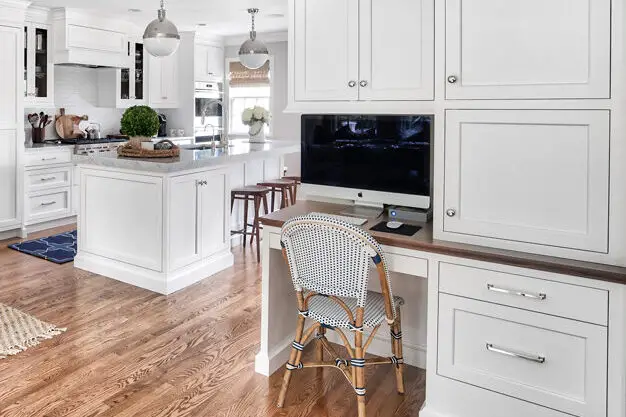
Built-in desks were once marketed as family command centers. Buyers now think about how quickly their needs might change. A fixed desk limits how a room can evolve. Remote work has also shifted expectations.
Many buyers prefer movable furniture for workspaces. Flexibility matters more than built-in solutions. Comfort comes from being able to reconfigure a room easily. This makes built-in desks less desirable than they once were.
12. Heavy Window Treatments
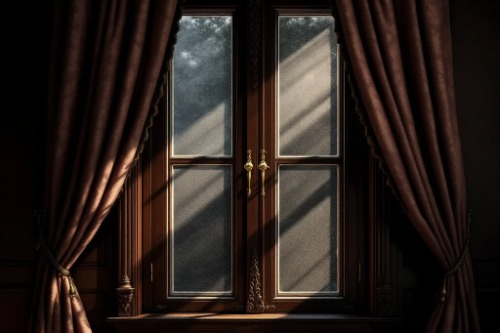
Thick drapes and ornate window treatments once felt cozy and upscale. Buyers now associate them with dust and dated design. Natural light has become a top comfort priority. Heavy coverings can feel visually and physically oppressive.
Modern buyers prefer simple shades or bare windows. They want control over light without visual clutter. Energy-efficient windows have reduced the need for heavy treatments. As a result, this former comfort feature no longer draws buyers in.
This post 12 Comfort Features Buyers No Longer Chase was first published on Greenhouse Black.
