
1. Slab City, California
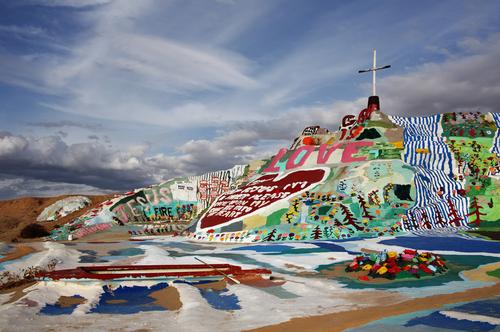
Slab City is an unincorporated, off-grid community in the Sonoran Desert. It lacks formal government, utilities, and zoning. That isolation attracts people seeking autonomy. The town benefits by operating outside conventional systems.
Art installations and seasonal residents shape daily life. There is no pressure to commercialize or standardize. Living conditions are challenging by choice. Being left alone allows the experiment to continue.
2. Monhegan, Maine
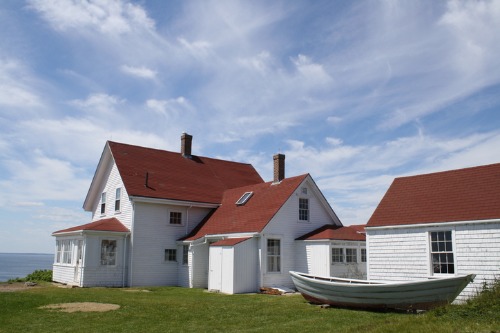
Monhegan Island sits about ten miles off the Maine coast and has no bridge to the mainland. Cars are prohibited, and nearly all supplies arrive by ferry. That isolation has preserved both a working lobster fleet and a long-established artist colony. The town benefits because large-scale development is logistically unrealistic.
Being left alone has also protected Monhegan’s cliffs, trails, and seabird nesting areas. Lodging is limited, which naturally caps visitor numbers. Tourism supports the local economy without overwhelming daily life. The island’s isolation enforces balance without formal overplanning.
3. Tangier, Virginia
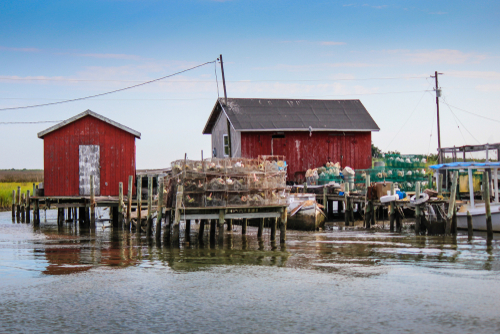
Tangier Island lies in the Chesapeake Bay and is accessible only by boat or small aircraft. Its separation from the mainland has preserved a distinct dialect and watermen-based culture. There are no chain stores or highways reshaping the town. Tangier benefits because its traditions remain functional, not performative.
Fishing and crabbing still anchor the local economy. Tourism exists but is limited by transportation and lodging capacity. Most decisions are made locally and informally. Being left alone helps the town resist cultural dilution.
4. Terlingua, Texas
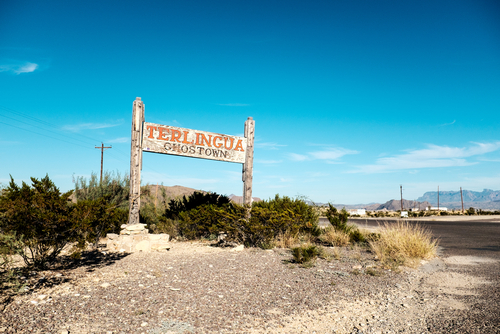
Terlingua sits near Big Bend National Park, surrounded by vast desert and long stretches of empty road. Once a mercury mining town, it never rebuilt along conventional lines. Its isolation allows off-grid living, art spaces, and small-scale tourism. The town benefits by attracting people who value space and independence.
Infrastructure is minimal by design. Restaurants and rentals exist but remain intentionally limited. The harsh environment naturally restricts expansion. Being left alone keeps Terlingua unconventional and resilient.
5. Westcliffe, Colorado
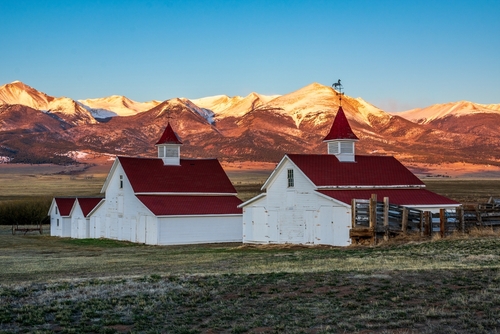
Westcliffe is located in the Wet Mountain Valley, far from major cities and highways. The town earned Dark Sky Community designation due to minimal light pollution. That isolation became an economic asset through astronomy tourism. Westcliffe benefits because quiet nights now draw visitors.
Ranch land and open space remain largely intact. Residents prioritize scenery over rapid growth. Tourism is purposeful rather than overwhelming. Being left alone reinforces what the town values most.
6. Paonia, Colorado
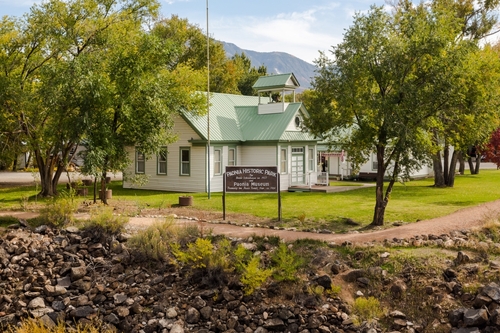
Paonia sits on Colorado’s western slope, well away from ski resort corridors. Its distance allowed a transition from coal mining to agriculture and wineries. Orchards, farms, and vineyards operate without development pressure. The town benefits from a diversified local food economy.
Artists and remote workers have arrived slowly rather than in waves. Cultural events exist without displacing residents. Housing remains more attainable than in resort towns. Isolation keeps growth measured and deliberate.
7. Joseph, Oregon
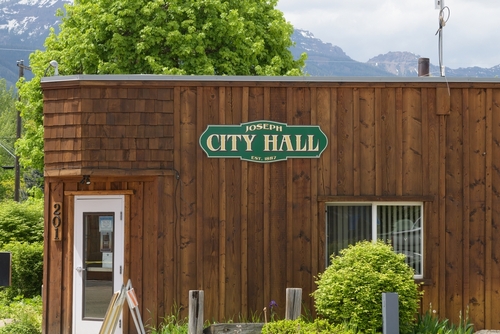
Joseph lies near the Wallowa Mountains, far from interstates and metropolitan areas. That remoteness preserved its small scale and scenic character. Bronze foundries and local art define the town’s identity. Joseph benefits because creativity thrives without heavy commercialization.
Nearby wilderness areas limit overdevelopment. Tourism is seasonal and manageable. Local businesses dominate the economy. Being left alone keeps the town visually and culturally cohesive.
8. Ocracoke, North Carolina
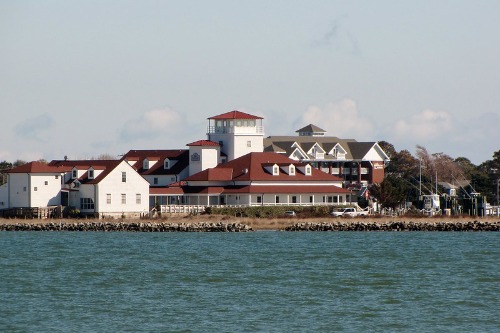
Ocracoke Island is accessible only by ferry or small plane. That limitation naturally controls population and development. There are no high-rise hotels or chain stores. Ocracoke benefits from tourism that never fully takes over.
The community remains tight-knit due to its size. Seasonal visitors support businesses without overwhelming infrastructure. Environmental protections preserve beaches and wetlands. Isolation helps maintain livability.
9. Ely, Nevada
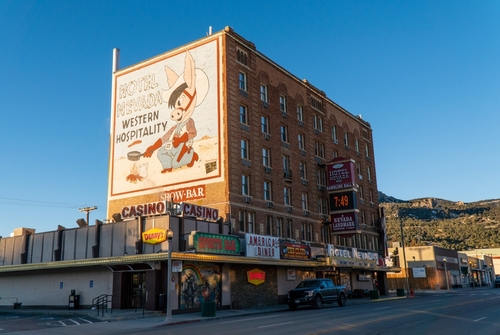
Ely is one of the most remote towns in the lower 48 states, far from major interstates. That distance preserved its mining and railroad identity rather than forcing reinvention. The Nevada Northern Railway still operates historic steam trains. Ely benefits by leaning into history instead of replacing it.
Surrounding public lands remain lightly trafficked. Stargazing, hunting, and hiking occur without heavy commercialization. Speculative development is rare due to remoteness. That keeps housing and land relatively affordable.
10. Haines, Alaska
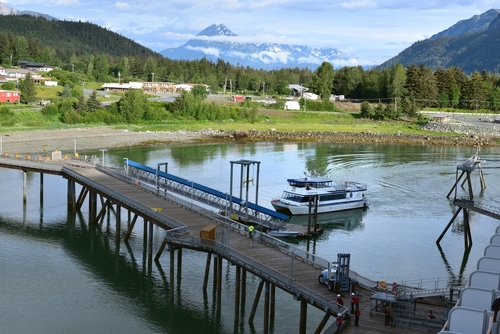
Haines sits off the main Southeast Alaska cruise routes. Its relative quiet supports fishing, subsistence living, and local governance. The town benefits from tourism without relying entirely on it. That balance stabilizes the economy.
Mountains and waterways remain lightly used. Residents prioritize access to land and wildlife. Growth decisions emphasize sustainability. Being left alone supports long-term planning.
11. Nome, Alaska
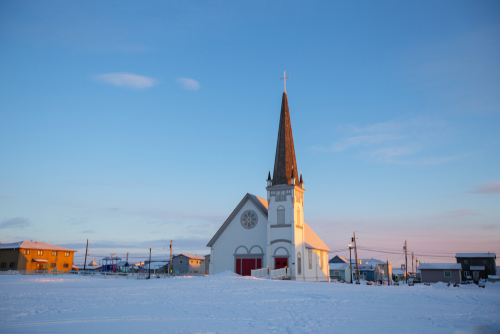
Nome is isolated by geography, with no road connections to other towns. That separation preserves a blend of Inupiat culture and Gold Rush history. The town benefits by maintaining traditions tied to land and sea. Modern infrastructure adapts around those needs.
Subsistence hunting and fishing remain essential. Outside influence arrives slowly. Cultural continuity outweighs rapid growth. Isolation protects community priorities.
12. Madrid, New Mexico

Madrid lies along a quieter stretch of Highway 14, away from interstate traffic. Once a coal town, it reemerged as an artist community organically. Its isolation supports creativity without corporate pressure. The town benefits by staying small and expressive.
Tourism is informal and low-volume. There are no resorts or subdivisions. Residents largely shape the town’s direction. Being left alone preserves authenticity.
13. Makanda, Illinois
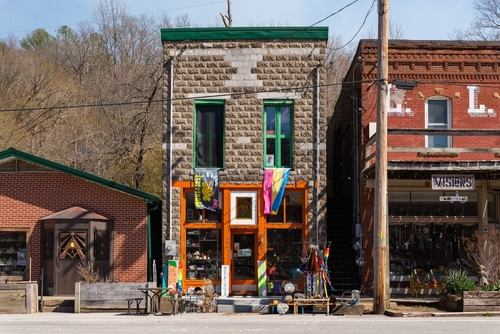
Makanda is located in the hills of southern Illinois, far from major cities. Its isolation has preserved nearby natural areas like Giant City State Park. The town benefits from eco-tourism rather than industrial growth. Small businesses cater to hikers and artists.
Large-scale development holds little appeal. Community events remain local and manageable. The landscape stays central to identity. Being left alone keeps Makanda grounded.
This post 13 Towns Benefiting From Being Left Alone was first published on Greenhouse Black.
