
1. Duluth, Minnesota
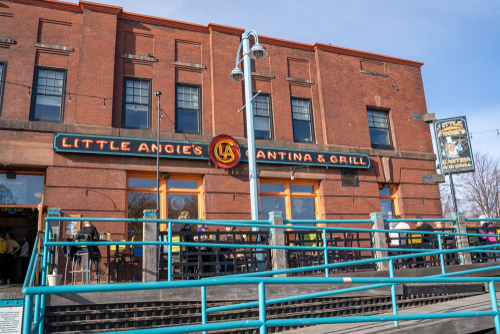
Duluth’s appeal grew when buyers began rethinking cold-weather cities with natural assets. Sitting on Lake Superior, it offers dramatic scenery and a strong outdoor culture. The pace is undeniably slower, but the city still feels purposeful. Buyers appreciate that balance.
Economic anchors like healthcare, shipping, and education provide stability. Duluth also has a growing reputation for climate resilience, which some buyers actively consider. Purchases here tend to be practical and forward-looking. That seriousness shows up in who’s buying.
2. Bend, Oregon
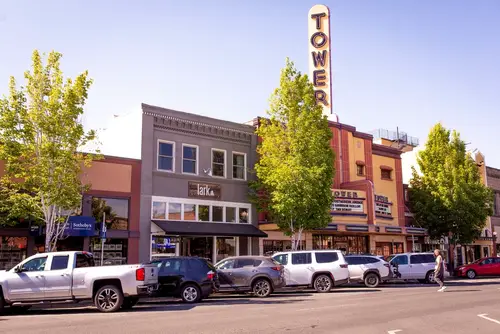
Bend’s transition from outdoor secret to buyer hotspot came when people realized they could build careers around lifestyle. Access to skiing, mountain biking, and high desert trails makes it attractive to professionals who value daily quality of life. The town also has a regional airport, which removes a big barrier for relocation. Buyers aren’t just dreaming here; they’re planning.
What seals the deal is Bend’s economic diversity. It has a growing tech presence, a strong healthcare sector, and established tourism. Housing isn’t cheap anymore, which actually signals commitment from buyers rather than speculation. People purchasing in Bend tend to be intentional and long-term.
3. Bozeman, Montana
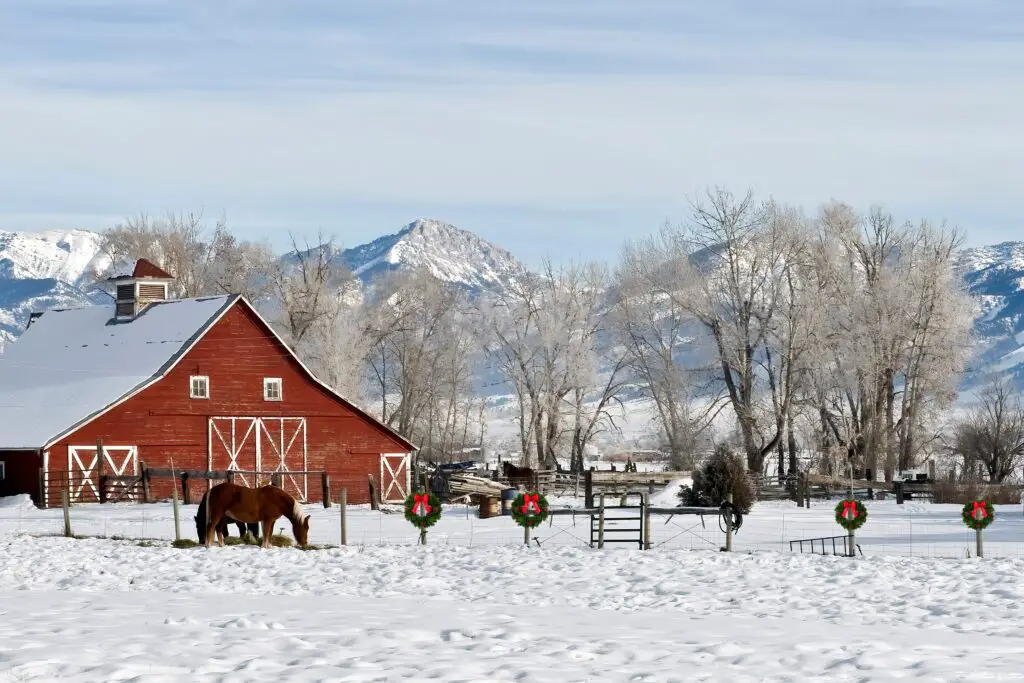
Bozeman started attracting serious buyers when remote work met Yellowstone-adjacent living. The city combines a true mountain town feel with Montana State University anchoring the community. Buyers like that it offers culture, research, and events alongside open space. It feels slower, but not isolated.
Another factor is Bozeman’s infrastructure relative to its size. There’s a growing airport, reliable healthcare, and a steady stream of new businesses. Buyers recognize that growth is being managed rather than chaotic. That confidence turns interest into actual purchases.
4. Greenville, South Carolina
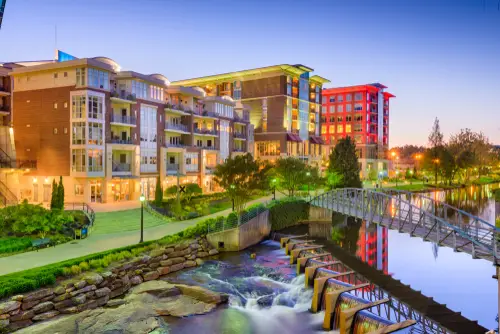
Greenville’s revival made it one of the Southeast’s most quietly competitive markets. The walkable downtown, anchored by Falls Park on the Reedy, changed how people perceived the city. Buyers often cite the blend of Southern pace and modern amenities. It feels approachable without being behind the times.
Economic fundamentals play a big role here. Greenville has a strong manufacturing base, including automotive and advanced manufacturing employers. That stability reassures buyers who don’t want to rely solely on remote income. The result is a buyer pool that’s committed, not just curious.
5. Traverse City, Michigan
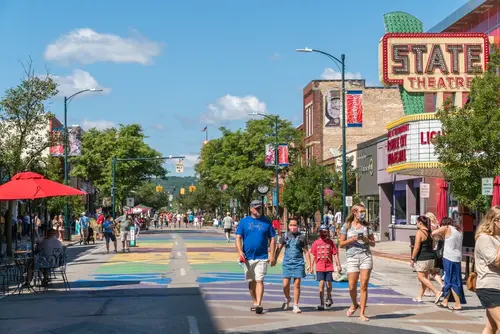
Traverse City gained attention when buyers started looking seriously at smaller waterfront cities. It offers Lake Michigan access, a historic downtown, and a well-known food and wine scene. The slower pace is real, but it doesn’t come with a lack of culture. Buyers often mention that it feels livable year-round, not just in summer.
The region’s healthcare system and regional airport matter more than people expect. These features make Traverse City viable for families and retirees alike. Housing demand is driven by people planning to stay, not flip. That long-term mindset defines the market.
6. Santa Fe, New Mexico
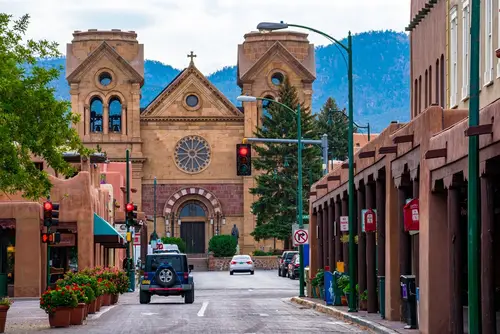
Santa Fe has always had charm, but serious buyers arrived when lifestyle buyers became permanence buyers. The city’s art scene, architecture, and historic identity are genuinely distinct. People aren’t moving here for trends; they’re moving for meaning. That attracts buyers willing to commit financially.
Another reason is Santa Fe’s mature infrastructure. It has established healthcare, a steady tourism economy, and proximity to national labs in northern New Mexico. Buyers see it as culturally rich but economically grounded. That balance supports confident, informed purchases.
7. Fayetteville, Arkansas
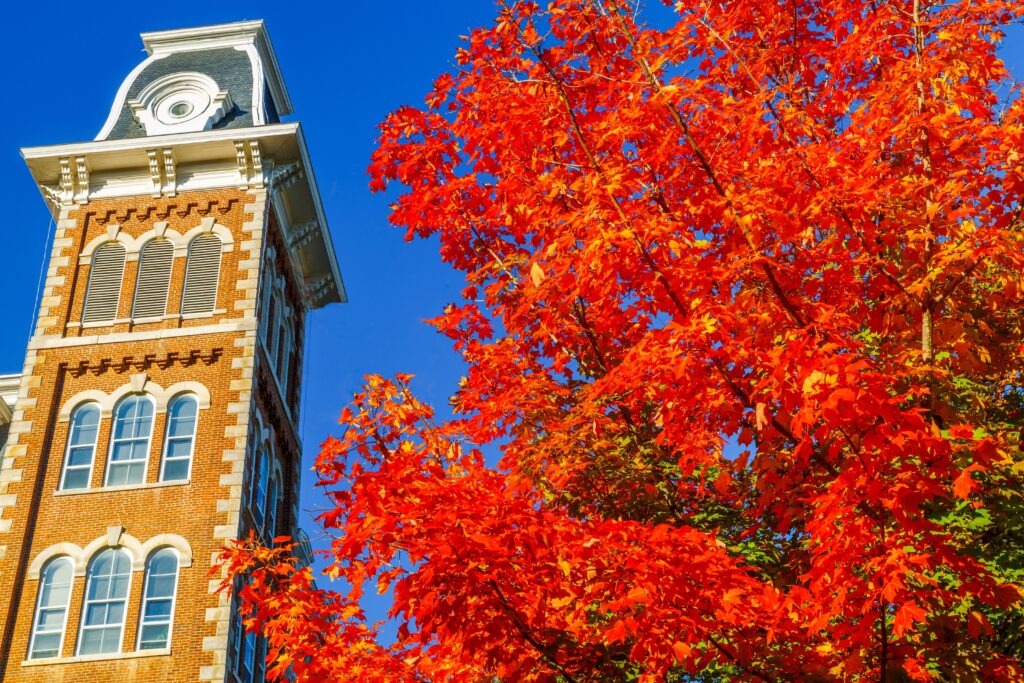
Fayetteville’s rise is closely tied to the University of Arkansas and regional investment. The city feels youthful and outdoorsy, with trail systems connecting much of the area. Buyers are often surprised by how vibrant it feels for its size. That surprise turns into serious consideration.
The broader Northwest Arkansas economy adds credibility. Major employers in the region provide stability beyond the university. Housing demand reflects people relocating for the long haul, not short-term experimentation. Fayetteville’s slower pace comes with real opportunity.
8. Knoxville, Tennessee
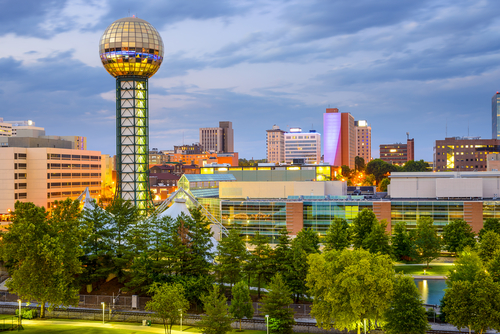
Knoxville started drawing serious buyers as people rediscovered mid-sized Appalachian cities. Its proximity to the Great Smoky Mountains adds natural appeal without sacrificing urban basics. The downtown has grown steadily, not explosively, which buyers tend to appreciate. It feels manageable.
The University of Tennessee and regional healthcare systems anchor the economy. Buyers like that there’s consistent employment and cultural activity. Knoxville’s affordability relative to other growing cities also plays a role. It’s slower living with practical upside.
9. Missoula, Montana
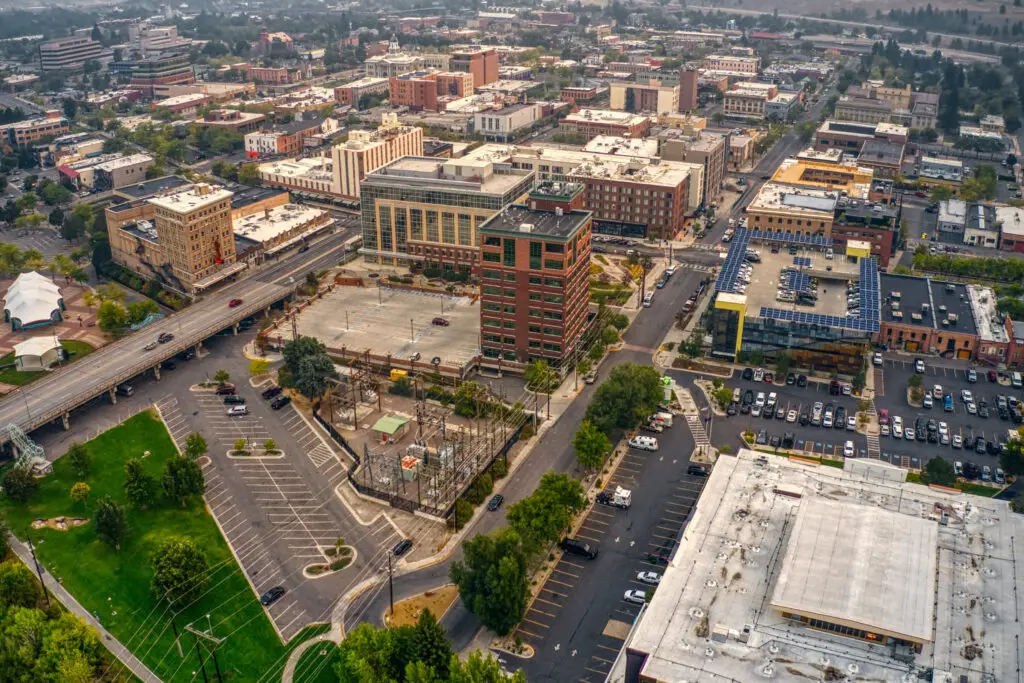
Missoula attracts buyers who want community as much as scenery. The city has a strong identity shaped by the University of Montana and a creative local culture. Buyers often talk about how connected the town feels. That sense of place matters when making a major investment.
Missoula also benefits from being a regional hub. It has healthcare facilities, an airport, and professional services that support full-time residents. Buyers aren’t treating it like a seasonal stop. They’re choosing it as a base.
10. Burlington, Vermont
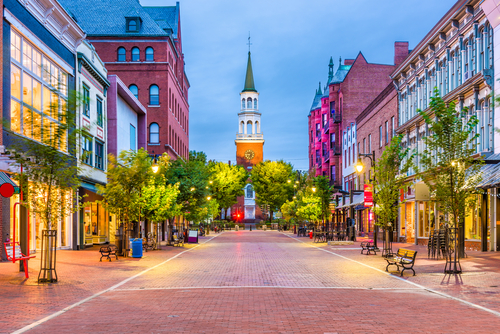
Burlington started pulling in serious buyers once remote work made lake views and walkable streets more valuable than short commutes. The city offers Lake Champlain access, a compact downtown, and a food scene that punches above its weight. Buyers are often drawn by the balance of culture and calm, not just the scenery. The presence of the University of Vermont also keeps the town feeling lively year-round.
What really shifted buyer interest was Burlington’s stability. Healthcare, education, and tourism anchor the local economy, which reassures people making long-term moves. It’s slower than Boston, but not sleepy, and that distinction matters to people spending real money. Many buyers see it as a place they can settle into, not just escape to.
11. Asheville, North Carolina
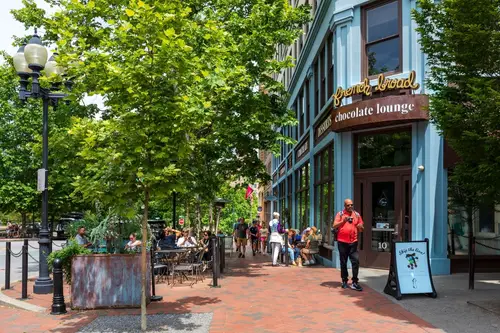
Asheville crossed into serious-buyer territory once it proved it wasn’t just a weekend destination. The Blue Ridge setting, arts culture, and food scene attract people ready to settle. Buyers often arrive with a clear idea of how they want to live. That clarity drives commitment.
Healthcare and tourism provide a steady economic base. While prices have risen, that hasn’t slowed intentional buyers. Many see Asheville as a place to invest in lifestyle over size. The slower pace feels earned, not limiting.
12. Lancaster, Pennsylvania
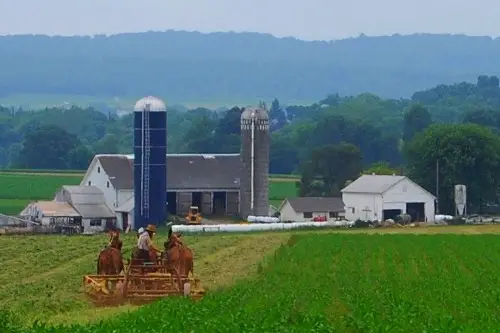
Lancaster began attracting buyers who wanted charm without isolation. Its historic downtown, local markets, and proximity to Philadelphia and Baltimore make it uniquely positioned. Buyers like that it feels grounded and human-scaled. It’s slower, but still connected.
The area’s economy is more diverse than it appears. Healthcare, logistics, and small manufacturing support long-term employment. Buyers often cite confidence in the region’s fundamentals. That confidence turns interest into ownership.
13. Walla Walla, Washington
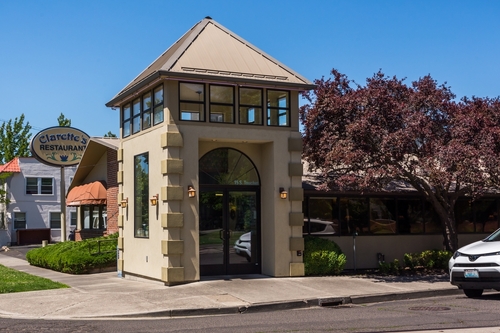
Walla Walla’s shift came when wine country living became a serious relocation choice. The town offers a walkable core, respected wineries, and a strong sense of community. Buyers aren’t just visiting tasting rooms; they’re envisioning daily life. That’s a key difference.
The presence of Whitman College and regional healthcare adds stability. Walla Walla also benefits from thoughtful growth rather than rapid sprawl. Buyers tend to be deliberate and well-researched. The slower pace feels intentional, which attracts intentional buyers.
This post How Slower Places Started Attracting Serious Buyers was first published on Greenhouse Black.
