
1. Home Internet Reliability Over Cable TV

For a long time, cable television was treated as the non-negotiable utility in many homes. Quietly, reliable high-speed internet replaced it as the top priority because work, school, healthcare portals, and entertainment all depend on it now. Streaming services, video calls, and cloud tools made internet outages far more disruptive than missing a TV channel. This shift matters because it changed how households budget, negotiate services, and even choose where to live.
The reason to include this is simple: internet access became infrastructure, not a luxury. Many people cut cable without hesitation but will pay more for stable broadband. Real estate listings now advertise fiber availability, which would have been unthinkable years ago. That reversal shows how daily life reordered itself around connectivity.
2. Home Office Space Over Formal Living Rooms
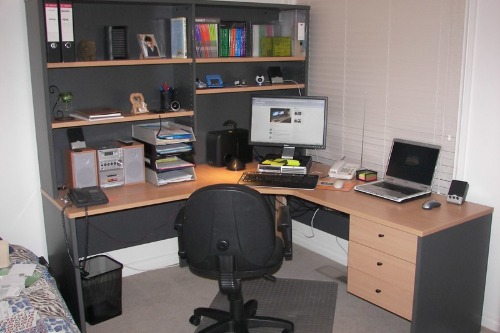
Formal living rooms used to signal adulthood and stability. Over time, those rooms quietly lost priority to home offices or flexible workspaces. Remote and hybrid work made it necessary to carve out quiet, functional areas at home. Even households without full-time remote workers began valuing a desk-ready space.
This change deserves inclusion because it reshaped floor plans and furniture sales. Dining tables turned into desks, and spare bedrooms gained new importance. The shift also altered how people define productivity at home. It’s a clear example of work influencing domestic order without a dramatic announcement.
3. Meal Planning Over Spontaneous Dining Out
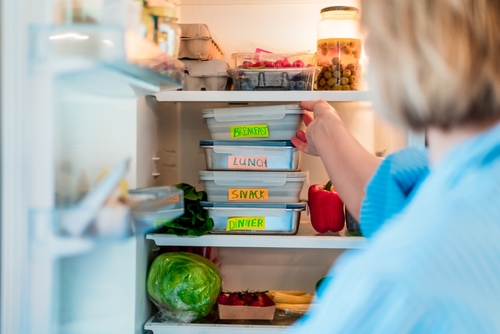
Dining out once held a central place in weekly routines. Gradually, meal planning and cooking at home became more important for cost control, health, and time management. Grocery delivery and recipe apps made planning easier and more appealing. This didn’t eliminate restaurants, but it changed their role.
Including this matters because it reflects a rebalancing of convenience. People didn’t stop enjoying food out, but they stopped defaulting to it. Kitchens became more functional, and pantry organization became a real concern. That quiet shift affects budgets, schedules, and even family dynamics.
4. Mental Health Care Over Pushing Through Stress

For decades, stress was treated as something to endure silently. Over time, mental health care became a legitimate household priority, discussed more openly and budgeted for intentionally. Therapy, counseling, and mental health days entered everyday conversation. This shift happened gradually, not through one single cultural moment.
This belongs on the list because it changed how families make decisions. People now weigh emotional well-being alongside finances and logistics. Employers, schools, and families adapted expectations as a result. That reordering altered how people define success at home.
5. Energy Efficiency Over Square Footage

Bigger homes once symbolized progress and security. Quietly, energy efficiency and operating costs began to matter more than sheer size. Rising utility awareness and better insulation, windows, and appliances influenced buying decisions. People started asking how a home performs, not just how it looks.
This shift is important because it affects long-term household stability. Energy-efficient homes reduce monthly expenses and environmental impact. Renovation priorities moved toward insulation, heat pumps, and smart thermostats. That change reflects a more practical domestic mindset.
6. Flexible Childcare Over Traditional Schedules

Traditional nine-to-five childcare used to define family logistics. Gradually, flexible and mixed childcare arrangements became more important. Families combined remote work, shared caregiving, part-time programs, and informal support networks. This wasn’t flashy, but it was transformative.
Including this shows how domestic routines adapted to economic reality. Rigid schedules often didn’t match modern work patterns. Flexibility became the real asset, not just availability. That reordered how parents plan careers and daily life.
7. Emergency Savings Over Lifestyle Upgrades

Upgrades like new cars or remodeled kitchens once dominated financial goals. Over time, emergency savings quietly moved to the top of household priorities. Unpredictable expenses made liquidity feel more valuable than visible improvements. Many families started treating savings as a necessity, not an afterthought.
This change matters because it altered definitions of financial success. Stability replaced status as the marker of progress. Financial advice, budgeting tools, and employer benefits reinforced this shift. It changed how households measure readiness for the future.
8. Sleep Quality Over Hustle Culture

Late nights and packed schedules were once worn like badges of honor. Gradually, sleep quality became a domestic priority tied to health and productivity. Blackout curtains, consistent routines, and better mattresses gained importance. This shift happened quietly, one bedtime decision at a time.
It belongs here because it reshaped daily rhythms at home. People began protecting sleep instead of sacrificing it. Parents, professionals, and students all adjusted expectations. That reordering affected mood, health, and household harmony.
9. Digital Organization Over Paper Filing

Paper files once filled drawers and cabinets. Slowly, digital organization replaced physical paperwork as the domestic norm. Cloud storage, password managers, and scanning apps simplified record-keeping. The shift reduced clutter but increased reliance on digital systems.
This deserves inclusion because it changed how households manage risk and memory. Losing a password can now matter more than losing a folder. Families became informal IT managers. That quiet shift redefined what “organized” looks like at home.
10. Preventive Healthcare Over Crisis Care

Doctor visits used to revolve around illness or injury. Over time, preventive care became more central in household planning. Regular checkups, screenings, and wellness visits gained priority. This change didn’t eliminate emergencies, but it reframed health maintenance.
Including this highlights a long-term domestic reordering. Preventive care reduces stress and long-term costs. Families began scheduling health the way they schedule work. That adjustment reflects a more proactive approach to home life.
11. Functional Clothing Over Formal Wear

Formal clothes once dominated closets, even if rarely worn. Gradually, functional, comfortable clothing became the priority. Athleisure, versatile basics, and durable fabrics replaced occasional outfits. Closets adjusted to real daily use rather than idealized events.
This shift matters because it reflects honesty about daily routines. People dressed for how they live, not how they aspire to appear. Laundry habits and shopping patterns changed as well. It’s a small but telling domestic reordering.
12. Time Autonomy Over Packed Calendars

Full calendars used to signal importance and productivity. Quietly, time autonomy became a higher domestic priority. People began protecting unscheduled time for rest, family, and flexibility. This change happened through small boundary-setting choices.
This belongs on the list because it underpins many other shifts. Without time control, none of the new priorities hold. Households learned that busyness isn’t the same as fulfillment. That realization reordered how people value their days at home.
This post 12 Domestic Priorities That Quietly Changed Order was first published on Greenhouse Black.
