
1. Omaha, Nebraska

Omaha is often cited for affordability, but its real strength is consistency. Employers like insurance firms, logistics companies, and a major financial presence provide steady income levels. Home values rise slowly and predictably, even when interest rates change. That’s a relief for buyers who don’t want surprises.
The city also avoided overbuilding during the last housing boom. Inventory levels tend to stay balanced rather than extreme. Neighborhoods such as Dundee and West Omaha show long-term price resilience without hype-driven spikes. Omaha’s market feels boring in the best possible way.
2. Pittsburgh, Pennsylvania
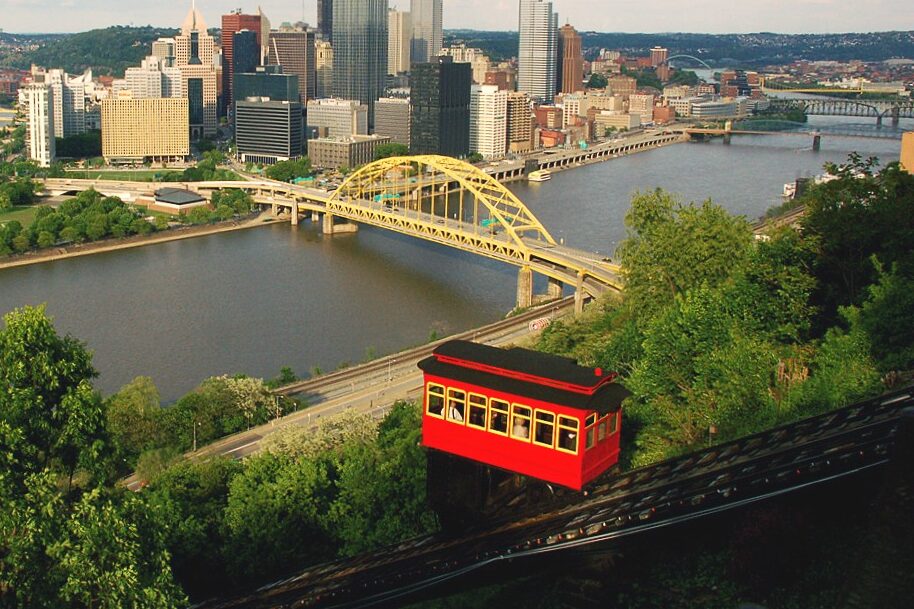
Pittsburgh has quietly become a model of steadiness after decades of boom-and-bust cycles tied to steel. Today, its economy is anchored by healthcare, higher education, and robotics, which smooths out housing demand. Home prices here tend to move gradually rather than spike, even when national markets heat up or cool off. That predictability is a big reason buyers and lenders alike keep coming back.
Another stabilizing factor is supply that generally keeps pace with demand. New construction happens, but it’s measured and often infill rather than sprawling speculation. Neighborhoods like Squirrel Hill and Bloomfield show how long-term ownership keeps prices from swinging wildly. It’s not flashy, but that’s exactly the point.
3. Minneapolis, Minnesota

Minneapolis benefits from one of the most diversified job markets in the Midwest. Major employers span healthcare, finance, retail headquarters, and manufacturing, which cushions housing during economic shifts. Price growth has been real, but it hasn’t followed the sharp peaks and drops seen in hotter Sun Belt markets. That balance makes it easier to plan, whether you’re buying or holding.
The city also allows more varied housing types, which helps relieve pressure when demand rises. Condos, duplexes, and small apartment buildings are more common here than in many peer cities. This flexibility keeps inventory from getting dangerously tight. Stability here is partly policy-driven, not just market luck.
4. Madison, Wisconsin
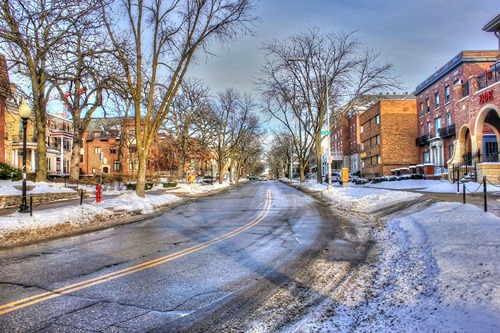
Madison’s real estate stability starts with the University of Wisconsin. A constant flow of students, faculty, and researchers creates reliable housing demand year after year. That demand doesn’t vanish during downturns, which helps prices stay on an even keel. The result is a market that grows steadily instead of sprinting and crashing.
At the same time, Madison’s local government tends to plan cautiously. Development is intentional, and large speculative building frenzies are rare. Neighborhoods near downtown and the isthmus remain competitive without becoming chaotic. It’s a small city that behaves like a grown-up market.
5. Des Moines, Iowa
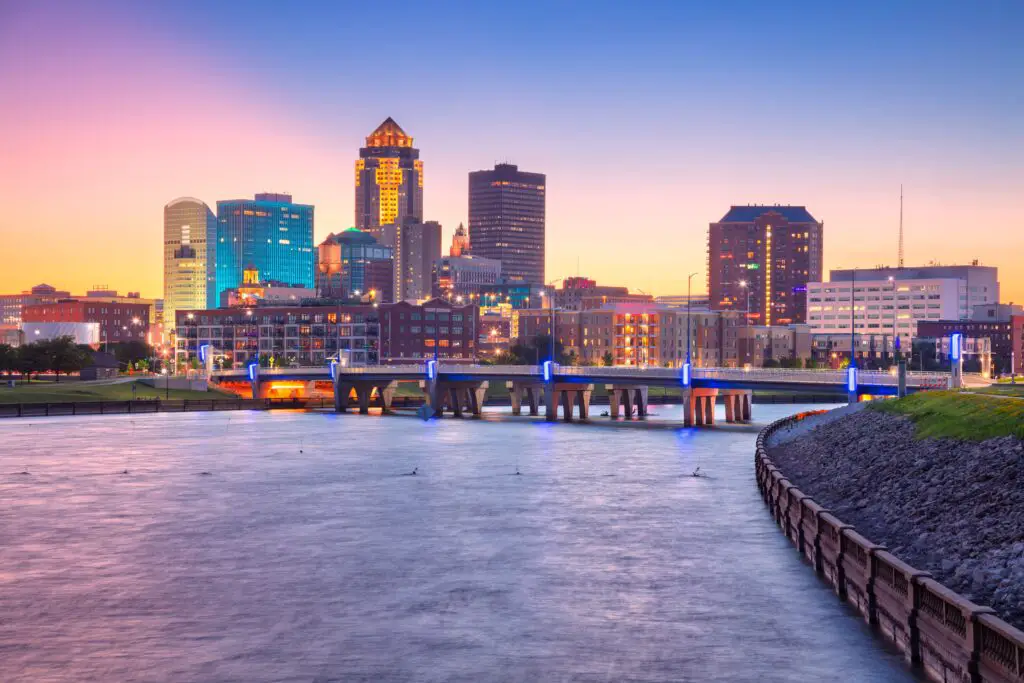
Des Moines punches above its weight in economic stability. Finance, insurance, and agribusiness anchor the local economy, which translates into dependable housing demand. Price swings here are typically modest compared to national averages. That makes it easier to separate real value from speculation.
Housing supply has also stayed relatively aligned with population growth. Builders add homes, but not at a pace that floods the market. This keeps both buyers and sellers on fairly even footing. Des Moines proves that calm markets still work.
6. Kansas City, Missouri

Kansas City’s market stability comes from its central location and diverse employment base. Logistics, healthcare, and government jobs provide a steady income foundation. Home prices have climbed over time, but rarely in sudden leaps. That slower rhythm has helped the city avoid dramatic corrections.
Another factor is the wide range of neighborhoods and price points. From Brookside to the Northland, buyers can adjust without leaving the metro. This flexibility reduces pressure on any single area. It’s a market that absorbs change instead of overreacting to it.
7. St. Louis, Missouri
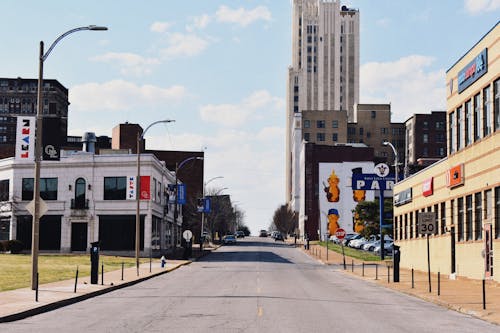
St. Louis remains one of the more stable legacy markets in the country. Its population growth is modest, which keeps housing demand grounded in reality. Major employers in healthcare, education, and biotech provide long-term job security. That combination limits the kind of speculative frenzy seen elsewhere.
Home prices here tend to track inflation rather than outpace it dramatically. Inventory levels fluctuate, but not to extreme lows or highs. Established neighborhoods like Webster Groves show how long-term ownership stabilizes values. St. Louis may not trend on social media, but it holds its ground.
8. Columbus, Ohio
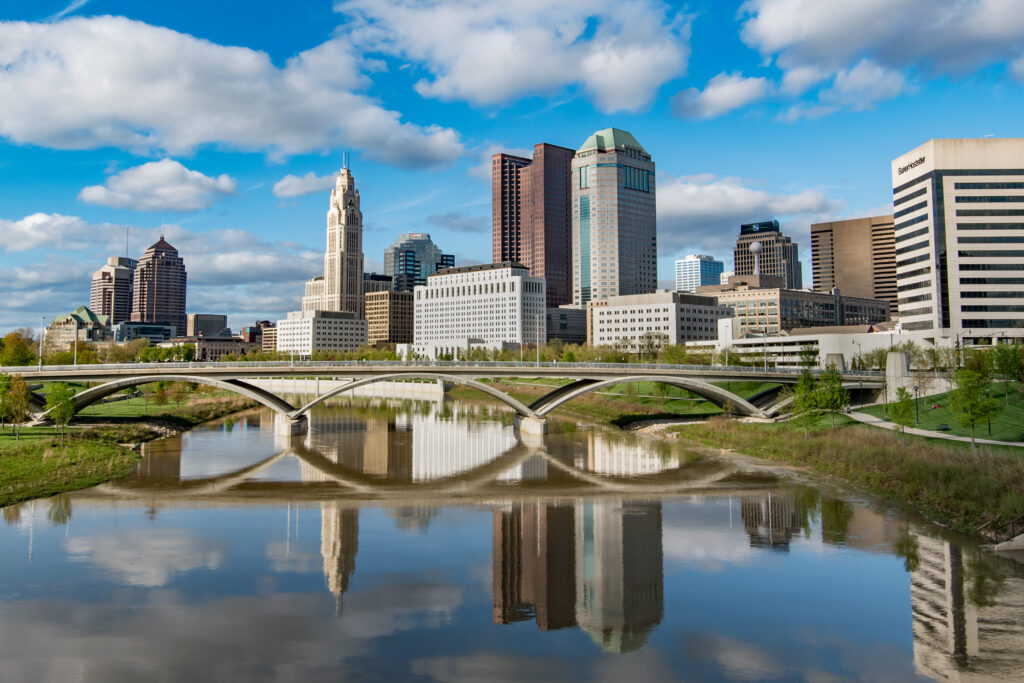
Columbus has grown steadily without losing its footing. The presence of Ohio State University, state government, and expanding tech investment creates layered demand. Even with growth, home prices haven’t shown wild volatility. The city expands, but it does so in a controlled way.
Construction has followed population growth more closely than in many fast-growing metros. That helps prevent the severe shortages that drive instability. Suburbs and city neighborhoods both absorb demand. Columbus feels busy, but not overheated.
9. Cincinnati, Ohio
Cincinnati’s housing market benefits from a strong base of long-established companies. Consumer goods, healthcare, and manufacturing jobs provide durable income sources. Home prices move upward in small steps rather than big jumps. This makes the market easier to navigate for first-time buyers.
The region also has a deep stock of older housing. That existing supply buffers sudden demand increases. Neighborhoods like Hyde Park and Oakley show consistent appreciation without whiplash. Cincinnati’s stability is rooted in history as much as economics.
10. Rochester, New York

Rochester is a textbook example of a low-volatility market. Population trends are flat, which keeps demand from swinging wildly. Healthcare and education now anchor the economy after manufacturing declines. That shift has resulted in slow, steady housing performance.
Prices here remain relatively affordable, even compared to other Northeast cities. Investors don’t rush in en masse, which keeps speculation low. Homeowners tend to stay put longer, reinforcing stability. Rochester doesn’t spike, and it doesn’t sink.
11. Buffalo, New York

Buffalo has seen a gradual comeback, but not a chaotic one. Infrastructure investment and healthcare expansion have boosted confidence without igniting a frenzy. Home values have risen, but in measured increments. That’s a sign of healthy, sustainable demand.
The city’s housing stock is plentiful and varied. This prevents sudden shortages when interest or attention increases. Long-term residents still dominate the market. Buffalo’s progress feels deliberate rather than fragile.
12. San Antonio, Texas

San Antonio stands out in Texas for being less volatile than its peers. Its economy leans heavily on the military, healthcare, and tourism, all of which are relatively stable. Home prices have risen, but far more gently than in Austin or Dallas. That moderation has protected buyers from sharp reversals.
The city also has room to grow, which relieves pressure on prices. New housing continues to come online, keeping inventory from collapsing. While taxes and insurance costs are realities, they’re well understood locally. San Antonio’s market grows without losing balance.
13. Birmingham, Alabama

Birmingham’s real estate market is anchored by healthcare and education. These sectors provide steady employment even when broader economies slow. Home prices tend to change gradually rather than dramatically. That predictability attracts long-term owners more than short-term speculators.
Affordability also plays a key stabilizing role. Buyers aren’t stretching as far, which reduces the risk of forced selling. Neighborhood revitalization has been incremental, not explosive. Birmingham shows how quiet confidence can support a stable market.
This post These Places Show What Stability Looks Like in Real Estate Now was first published on Greenhouse Black.
