
1. Cheyenne, Wyoming
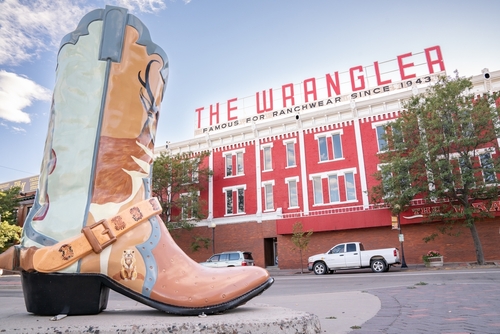
Cheyenne’s appreciation is tied to government, rail, and military employment. As the state capital, it offers stable jobs without lifestyle-driven migration. Housing demand has increased as supply remains limited. This has pushed values up in a controlled way.
The city has grown without reshaping its identity. Infrastructure investments support daily life rather than image. Most buyers are residents or regional movers. That grounded demand explains Cheyenne’s quiet value gains.
2. Fort Wayne, Indiana
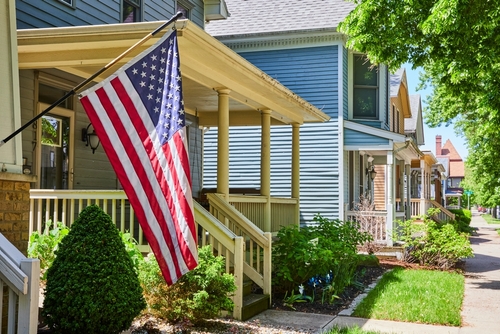
Fort Wayne’s value growth is tied to its role as a logistics, manufacturing, and healthcare center for northeastern Indiana. Major employers like Parkview Health and Sweetwater Sound provide well-paying jobs without attracting speculative development. Housing demand has stayed local and regional, which tends to push prices up slowly. It’s a city that grows because people need to live there, not because they want to show it off.
The city has invested consistently in roads, utilities, and neighborhood amenities. Those improvements make existing housing more valuable without changing the town’s personality. Fort Wayne’s cost of living advantage continues to draw families and professionals who plan to stay long term. That kind of buyer supports appreciation without hype.
3. Decatur, Illinois
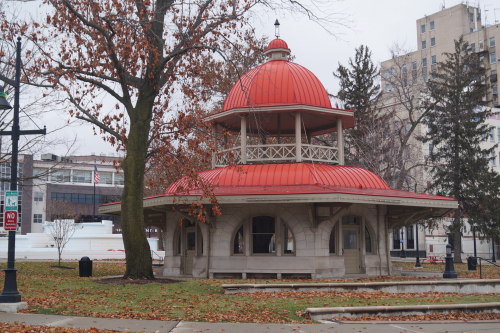
Decatur has gained value by remaining a stable agricultural and industrial center. Companies tied to food processing and manufacturing, including ADM, have anchored employment for decades. This stability has kept housing demand predictable and resilient. Prices have edged up as maintenance and renovation outpaced new construction.
Rather than reinventing itself, Decatur has focused on preserving what works. Neighborhoods near Millikin University benefit from consistent rental demand without speculative pressure. Infrastructure and public services have improved incrementally, helping property values hold and grow. It’s a classic example of slow appreciation driven by utility.
4. Paducah, Kentucky
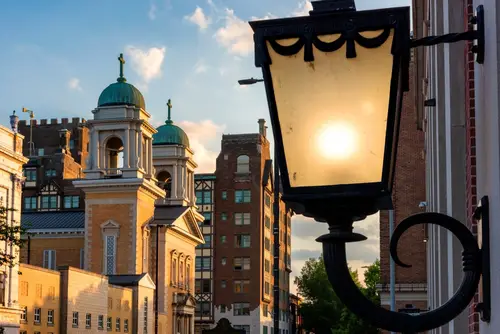
Paducah’s inclusion comes from its strong historic preservation combined with a working river economy. The city’s floodwall murals and arts initiatives support tourism, but they haven’t transformed the housing market into a hotspot. Most demand still comes from residents tied to healthcare, manufacturing, and river transport. That balance has supported gradual price increases.
The city’s historic districts have gained value through careful restoration rather than trendy conversions. Paducah’s housing stock remains affordable compared to larger Southern metros. Buyers are often retirees or locals trading up, not flippers. That keeps appreciation real and durable.
5. Wheeling, West Virginia
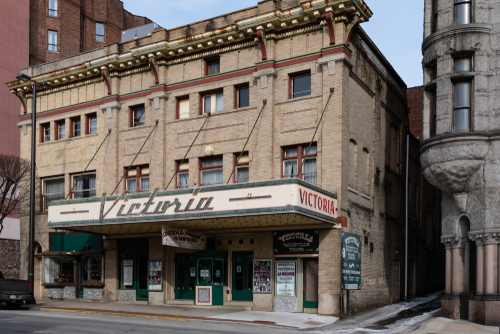
Wheeling has quietly benefited from its proximity to Pittsburgh while maintaining its own employment base. Healthcare, education, and regional government jobs provide steady income for residents. As Pittsburgh prices rose, some buyers looked south for more space without a lifestyle leap. That spillover nudged values up without changing Wheeling’s identity.
The city’s historic housing stock has attracted buyers interested in restoration, not reinvention. Infrastructure investments and riverfront maintenance have improved livability over time. Wheeling’s growth has been incremental and rooted in regional dynamics. That’s why its appreciation feels organic rather than speculative.
6. Bay City, Michigan
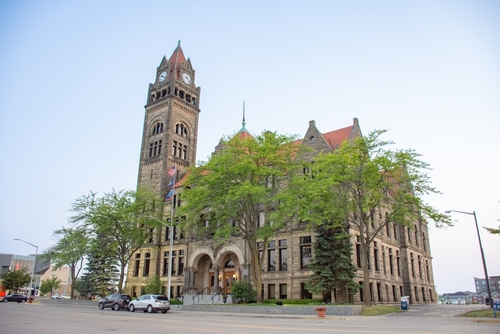
Bay City’s value growth comes from its position within Michigan’s broader manufacturing and healthcare economy. It benefits from proximity to Saginaw and Midland without competing for attention. Employment tied to Dow-related industries and regional hospitals keeps demand steady. Housing prices have followed that stability upward.
The city has invested in waterfront maintenance and downtown upkeep without overdevelopment. Neighborhoods remain residential and practical, which appeals to long-term buyers. Renovations tend to be modest and owner-driven. That kind of market supports slow, consistent appreciation.
7. Superior, Wisconsin

Superior has seen value gains largely due to its port and its connection to the Duluth-Superior metro area. The city benefits from shipping, education, and healthcare without being the cultural focal point. Buyers priced out of Duluth often look across the bridge. That dynamic has increased demand while keeping the vibe low-key.
Housing stock in Superior is functional and largely unchanged in character. Public investment has focused on utilities and transportation rather than image-driven projects. This has made neighborhoods more livable without rebranding them. The result is appreciation driven by necessity, not novelty.
8. Roanoke, Virginia
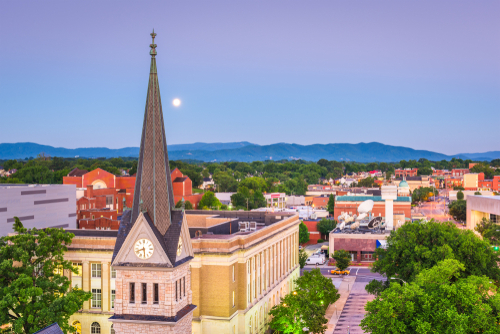
Roanoke’s steady appreciation is tied to healthcare and rail-related employment. Carilion Clinic is a major regional employer that brings consistent housing demand. The city serves as a service hub for surrounding rural areas, which stabilizes its economy. That role has quietly lifted home values.
Rather than chasing trends, Roanoke has focused on maintaining infrastructure and neighborhoods. Its housing market attracts people looking for reliability and space. Renovation has been gradual and mostly residential in scale. That keeps appreciation measured and believable.
9. Yakima, Washington
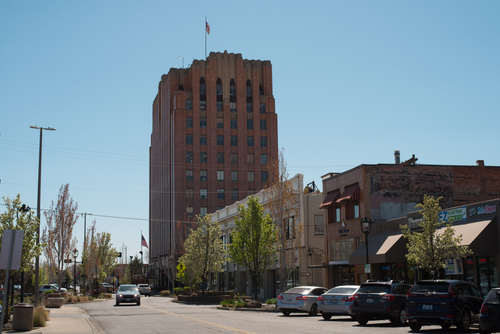
Yakima’s growth is grounded in agriculture, food processing, and regional healthcare. The city supports the surrounding farming economy, which provides steady jobs year after year. Housing demand reflects that consistency rather than outside hype. Prices have risen as supply remains limited.
Yakima has not experienced the lifestyle-driven migration seen in other Washington towns. Neighborhoods remain practical and family-oriented. Infrastructure improvements have improved daily life without reshaping the market. That’s helped values climb without a trendy narrative.
10. Elkhart, Indiana
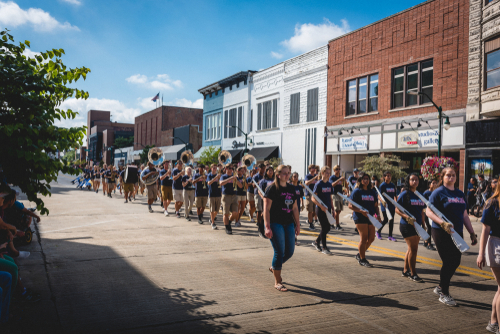
Elkhart’s housing appreciation is closely tied to its RV manufacturing industry. While cyclical, the sector remains a major employer and keeps housing demand resilient over time. The city also benefits from nearby healthcare and education jobs. Together, these factors support steady value growth.
Most housing improvements in Elkhart are incremental and owner-occupied. New construction has been limited, which helps existing homes gain value. The city hasn’t repositioned itself culturally or aesthetically. Appreciation comes from people working and staying put.
11. Lima, Ohio
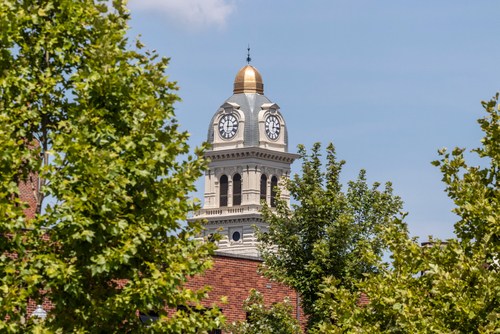
Lima’s inclusion is about its role as a regional service and manufacturing center. Healthcare systems and distribution employers provide stable jobs. Housing demand is mostly local, which prevents price volatility. Values have increased gradually as neighborhoods have been maintained.
Public investment has focused on basics like roads and utilities. This supports property values without driving speculative interest. Lima’s housing stock remains affordable and functional. That combination has quietly pushed prices upward over time.
12. Janesville, Wisconsin
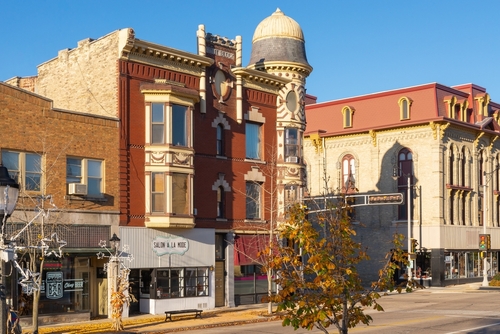
Janesville has gained value by remaining a practical place for commuters and regional workers. Its location between Madison and Milwaukee makes it attractive without being fashionable. Manufacturing and healthcare provide steady employment. Housing demand reflects that usefulness.
The city has prioritized neighborhood upkeep and public services. Renovation tends to be modest and long-term focused. Buyers are often families planning to stay. That kind of market supports appreciation without trend cycles.
13. Hattiesburg, Mississippi
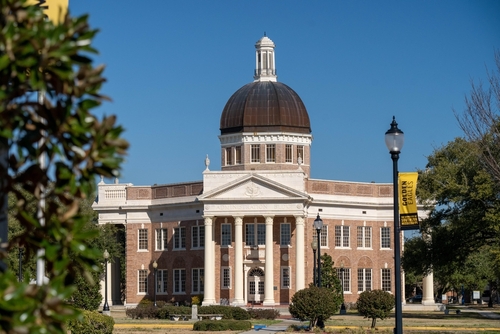
Hattiesburg’s value growth is anchored by education and healthcare. The University of Southern Mississippi and regional hospitals create consistent housing demand. This keeps the market active without drawing speculative buyers. Prices have increased as rental and owner-occupied demand stay balanced.
The city has improved infrastructure and public amenities gradually. Neighborhoods near the university benefit from steady turnover without dramatic change. Housing remains affordable relative to income. That affordability has allowed values to rise slowly and sustainably.
14. Pittsfield, Massachusetts
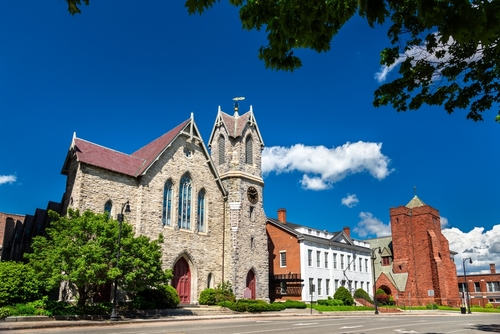
Pittsfield has benefited from its role as a service center in the Berkshires. Healthcare, education, and local government jobs provide stability. While the region attracts tourists, Pittsfield itself remains a working town. That distinction has kept housing appreciation grounded.
Historic homes have gained value through careful restoration rather than reinvention. Public investment has focused on maintenance and utilities. Buyers are often locals or long-term residents. That keeps price growth steady and fact-based.
15. Erie, Pennsylvania
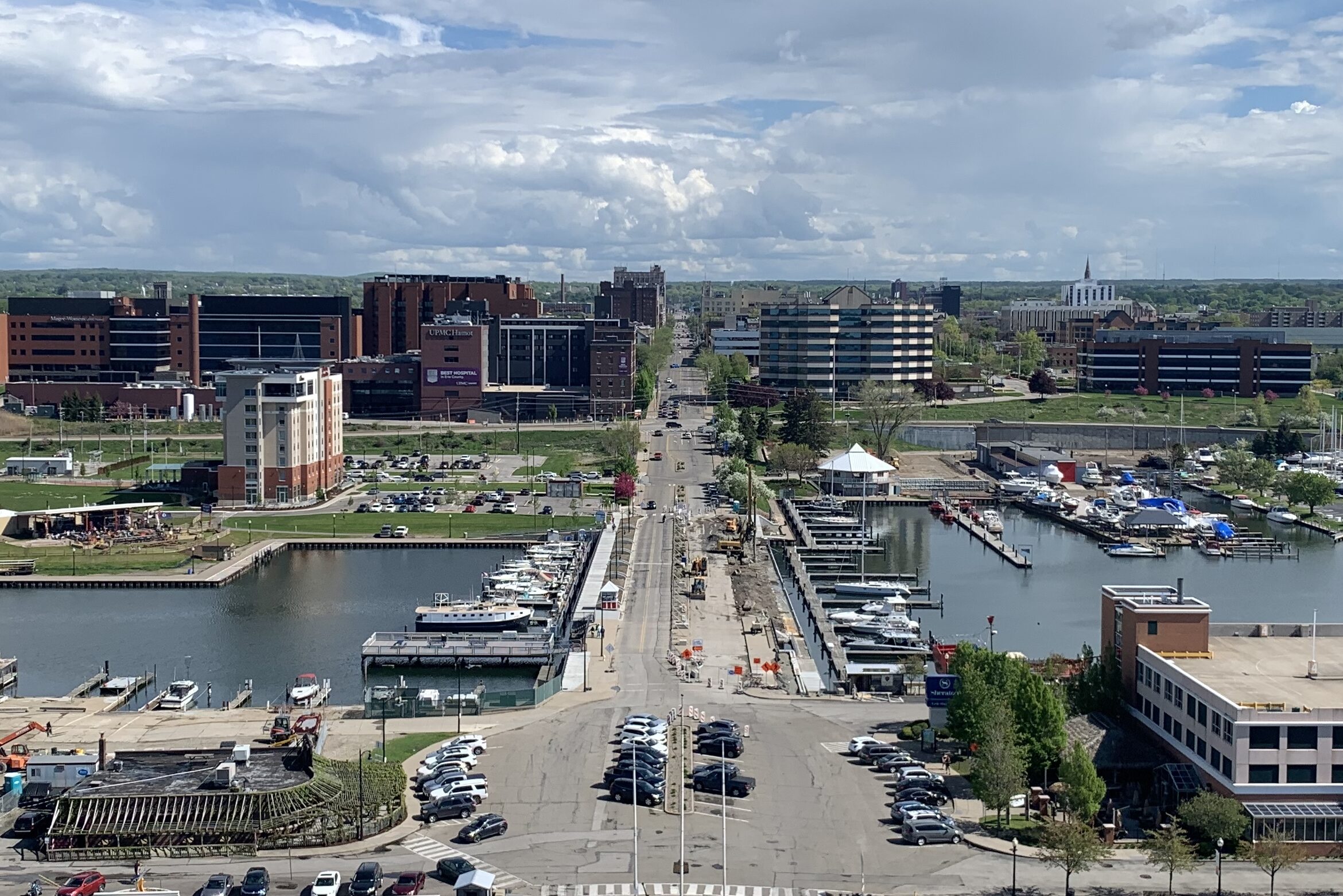
Erie has quietly benefited from its location on Lake Erie and its role as a regional healthcare and education hub. Institutions like UPMC Hamot and Penn State Behrend provide stable employment without sparking a lifestyle rebrand. Home values have risen steadily as locals stay put and outside buyers look for affordability near the Great Lakes. It’s growth rooted in function, not flash.
The city also gained from incremental downtown reinvestment rather than sweeping transformation. Infrastructure upgrades and small-scale housing rehab have improved neighborhoods without driving sudden demand spikes. Erie’s housing stock remains practical and varied, which keeps prices from swinging wildly. That steadiness is exactly what’s supported long-term value.
This post 15 U.S. Towns That Gained Value Without Getting Trendy was first published on Greenhouse Black.
