
1. Sterling Silver Flatware
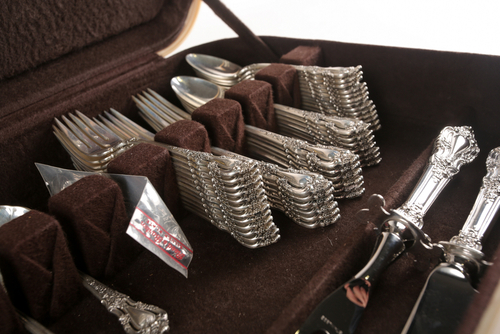
Flatware drawers sometimes hide real sterling silver mixed with stainless steel. People give it away because it doesn’t match modern sets or looks tarnished. Sterling is marked and has intrinsic value based on silver content alone. Even mismatched pieces can add up quickly.
Tarnish makes silver look cheap, which is misleading. Cleaning it reveals both shine and value. Some patterns are collectible beyond melt value, which increases the price. Giving it away for pennies usually comes from not checking the markings.
2. Solid Wood Furniture from Older Homes
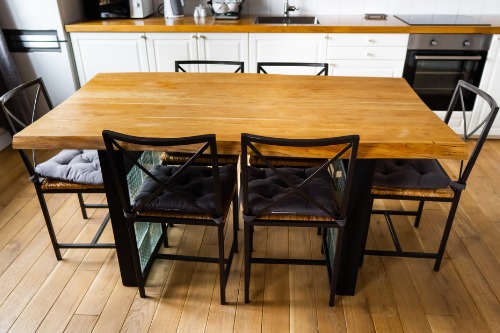
That heavy dresser in the spare room might look outdated, but it could be solid hardwood. Older furniture was often made with dovetail joints and real wood instead of particleboard. People give it away because it’s bulky and not trendy, not realizing it can be refinished or resold easily. Even worn pieces can be valuable to restorers and flippers.
The giveaway mistake happens during moves or downsizing. It’s easier to list something for cheap than to haul it along. What buyers look for is construction quality, not surface scratches. A quick check of the back or drawers usually reveals whether it’s solid wood.
3. Cast Iron Cookware

Cast iron pans often get donated when they look rusty or neglected. Many people assume rust means the pan is ruined, which isn’t true at all. With proper seasoning, vintage cast iron can last for generations. Older brands and pre-1960s pans are especially desirable.
The reason these slip through is that newer nonstick cookware feels more convenient. Vintage cast iron is heavier and requires maintenance, which turns people off. Collectors and cooks know that older pans were smoother and machined differently. That difference affects both cooking performance and resale value.
4. Vintage Pyrex and Fire-King Glassware
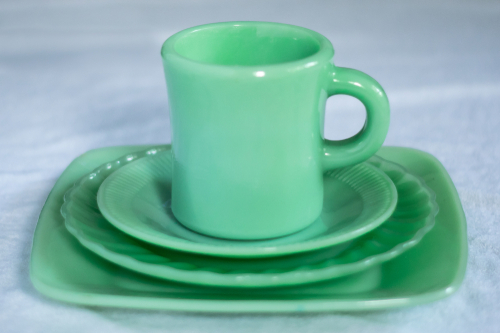
If you’ve ever cleaned out a cabinet and tossed patterned mixing bowls into a donate box, you’re not alone. Certain Pyrex patterns made from the 1940s through the 1970s are highly collectible, especially complete sets in good condition. People give them away because they seem indestructible and common, but collectors care about pattern, color, and age. Some single bowls that look ordinary can resell for far more than a whole modern set.
The reason these get overlooked is that they were everyday items for decades. Many families still have them, so it’s easy to assume there’s no value. What matters is whether the piece is made of older borosilicate glass and has a discontinued design. Chips, fading, or missing pieces affect price, which is why condition is key.
5. Old Tools from Garages and Sheds
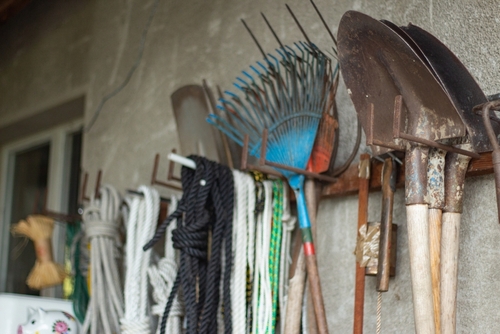
Hand tools from decades ago were often made better than modern equivalents. Brands like older Stanley, Craftsman, or Snap-on tools are still sought after. People give them away because they’re inherited or unused. Rust or dirt makes them look worthless, even when they’re not.
The appeal is in durability and craftsmanship. Many collectors restore and resell these tools easily. Certain planes, wrenches, and saws have very specific model numbers that drive value. A quick search before donating can make a big difference.
6. Area Rugs Made of Wool
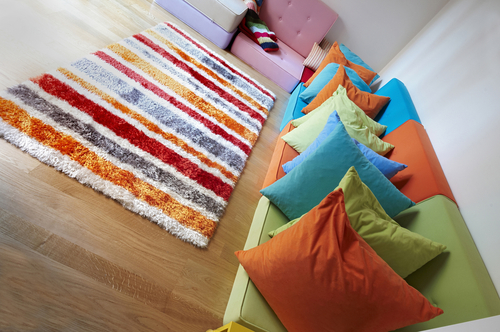
Wool rugs often get replaced when redecorating, especially if the colors feel dated. People assume newer synthetic rugs are better and toss the old ones. Wool is durable, natural, and expensive to replace today. Even worn rugs can be cleaned and resold.
The mistake happens because rugs take up space and collect dust. Tags or handwoven details can indicate higher value. Some rugs are handmade or imported, which adds to their worth. Condition matters, but age alone doesn’t make them useless.
7. Vintage Lamps and Light Fixtures
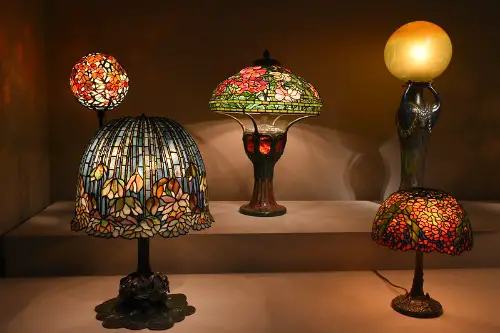
Older lamps often end up in donation piles because the wiring looks old. People focus on safety concerns and ignore the design. Mid-century, brass, or ceramic lamps are especially popular with decorators. Rewiring is usually simple and inexpensive.
The value is often in the base, not the shade. Many lamps were handmade or produced in limited runs. Modern lighting rarely uses the same materials. Giving them away usually comes from not realizing how easy they are to update.
8. First Editions and Older Books
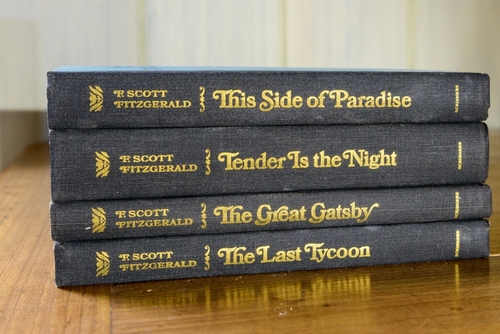
Bookshelves get cleared quickly during decluttering. Many people assume old books have no value because libraries discard them. First editions, early printings, or certain publishers can be worth significantly more. Condition and dust jackets matter a lot.
The reason these go unnoticed is that titles don’t always look special. A book’s value isn’t based on age alone. Printing details inside the first few pages tell the real story. Skipping that check can mean giving away something rare.
9. Vintage Video Games and Consoles
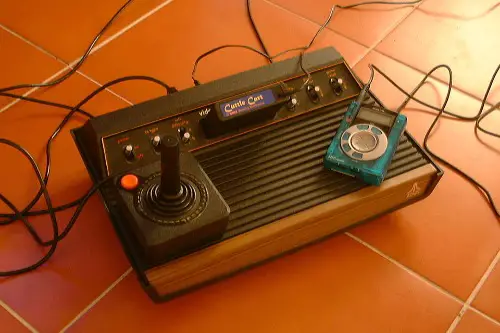
Old game systems often get boxed up and donated when they stop working. People assume outdated technology has no resale value. Retro gaming is a strong collector market, especially for original cartridges and controllers. Even non-working systems can be valuable for parts.
The mistake happens because newer consoles dominate attention. Original packaging and manuals add significant value. Some games that sold cheaply years ago are now hard to find. Throwing them out usually comes from underestimating nostalgia.
10. Costume Jewelry with Designer Labels
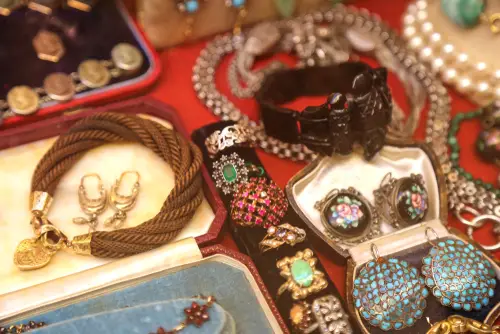
Jewelry that isn’t gold or diamonds gets dismissed quickly. Some costume jewelry from known designers can be very collectible. Brands like Trifari, Coro, or Monet have dedicated buyers. People give these away because they think “costume” means worthless.
The value comes from design, era, and condition. Signed pieces are especially important. Even single earrings or broken clasps can still sell. Tossing them usually happens without checking the maker’s mark.
11. Old Phones and Electronics
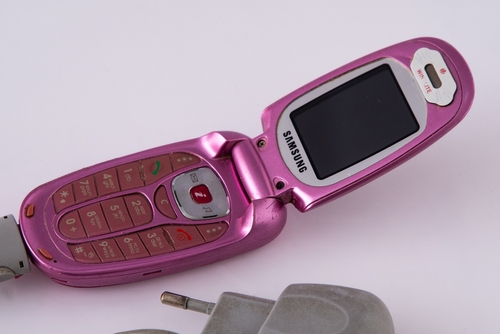
Drawers often fill up with outdated phones and gadgets. People assume they’re obsolete and donate them cheaply. Some models are valuable for parts, resale, or collectors. Even broken devices can have resale value.
The reason is that technology moves fast. What seems useless to you might be repairable to someone else. Original chargers and boxes increase value. Recycling without checking prices can cost you money.
12. Vintage Kitchen Canisters and Tins
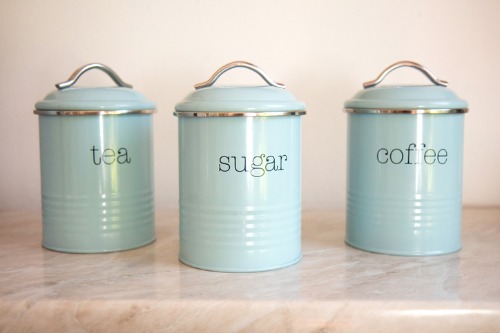
Metal tins and ceramic canisters look purely decorative to many people. Older sets from known brands or eras can be collectible. People give them away because they’re replacing them with minimalist storage. Matching sets are especially desirable.
Wear and patina don’t always reduce value. Some buyers prefer the aged look. These items were once everyday staples, which makes them easy to overlook. Condition and completeness make a big difference.
13. Artwork and Original Prints

Framed art often gets donated without much thought. People assume it’s mass-produced or decorative only. Some prints are numbered, signed, or from known artists. Even unknown artists can have regional or niche value.
The mistake is focusing on personal taste instead of market interest. Frames alone can be worth keeping. Removing art from the frame can damage value if done incorrectly. A quick inspection can prevent an accidental giveaway.
14. China Sets and Serving Pieces
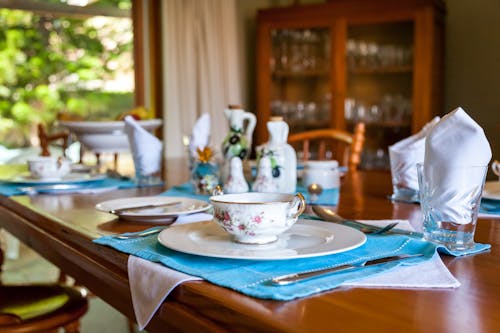
Formal china gets pushed aside as casual dining becomes the norm. People give full sets away because they don’t use them anymore. Certain patterns and manufacturers are still in demand. Replacement pieces often sell well individually.
The assumption is that nobody wants fine china anymore. While that’s partly true, collectors and replacement buyers still exist. Condition, pattern name, and brand matter most. Giving it away cheaply usually comes from not realizing people are still searching for missing pieces.
15. Vintage Christmas Decorations and Ornaments
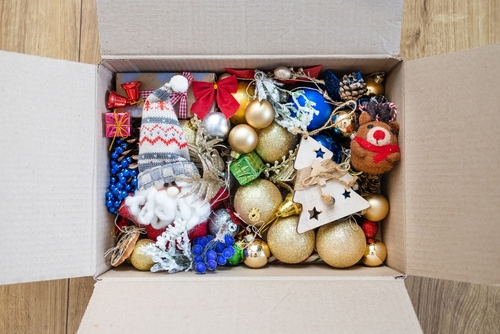
Boxes of old holiday decorations often get purged to make room for new styles. People assume faded ornaments or tinsel have no value because they look fragile or outdated. Vintage glass ornaments, especially hand-painted or made in Europe, can be highly collectible. Even incomplete sets can sell well to collectors.
These items get given away because they only come out once a year. Plastic replacements feel easier and safer to store. What matters is age, material, and originality, not whether they match modern decor. Tossing them usually happens without realizing how strong the vintage holiday market is.
16. Antique Mirrors and Picture Frames
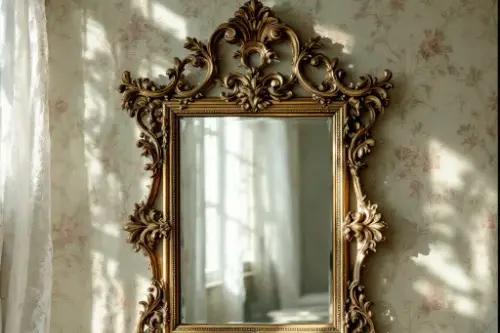
Old mirrors and frames often look worn or damaged at first glance. People donate them because the glass may be cloudy or the finish chipped. Many older frames are made of solid wood, plaster, or gilt materials that are expensive today. Even damaged frames can be restored or repurposed.
The value is usually in craftsmanship rather than condition alone. Modern frames rarely use the same materials or techniques. Antique mirrors with original glass can be especially desirable. Giving them away cheaply often comes from focusing only on surface flaws.
17. Sewing Machines and Accessories
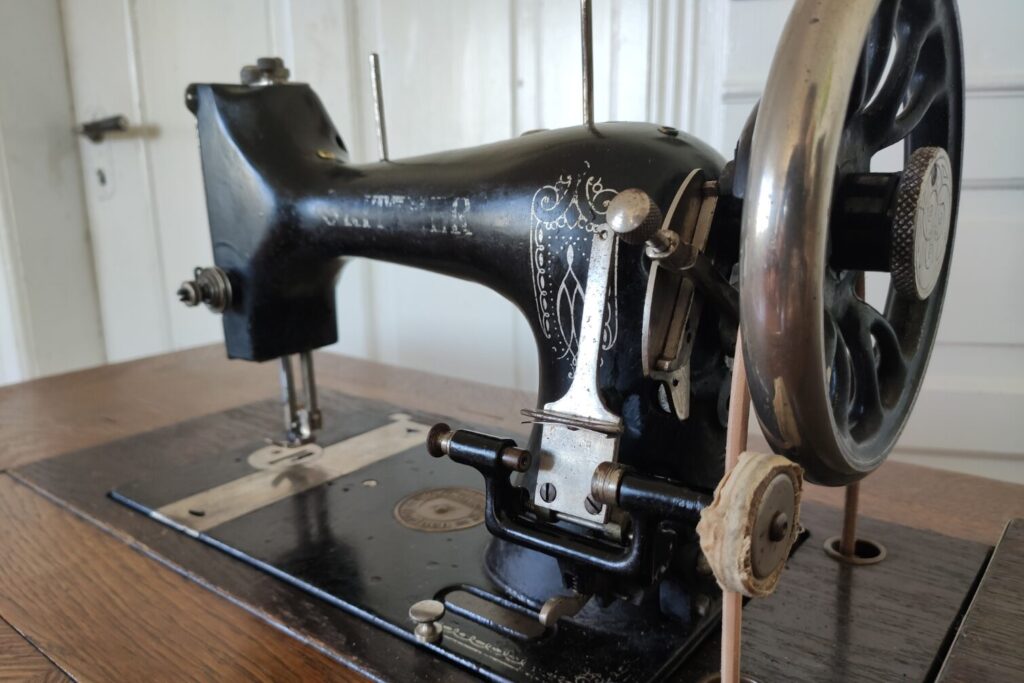
Older sewing machines frequently end up in basements or donation centers. People assume they are obsolete compared to modern electronic models. Vintage machines were built to last and often use all-metal parts. Certain brands and models are highly sought after by collectors and sewists.
Accessories like attachments, cases, and manuals add value. The mistake happens when machines are inherited without much interest in sewing. Many older machines still function perfectly with basic maintenance. Donating them without checking can mean losing out on real money.
18. Vintage Clothing and Denim
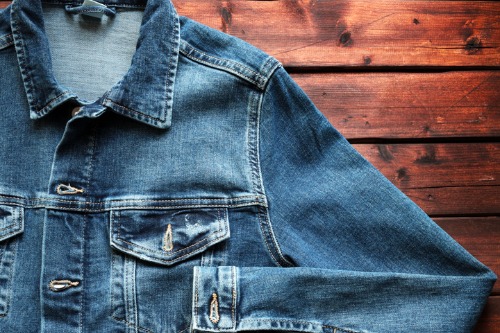
Closets often hide old jackets, dresses, or jeans that feel out of style. People give them away because they don’t fit current trends. Vintage denim, leather, and branded clothing can be extremely valuable. Labels, stitching, and manufacturing details matter more than fashion appeal.
The issue is assuming old equals unwanted. Many buyers specifically seek older construction and materials. Even worn pieces can be desirable if they’re authentic. Cleaning out closets quickly is how these items get undervalued.
19. Silver-Plated Serving Trays and Hollowware
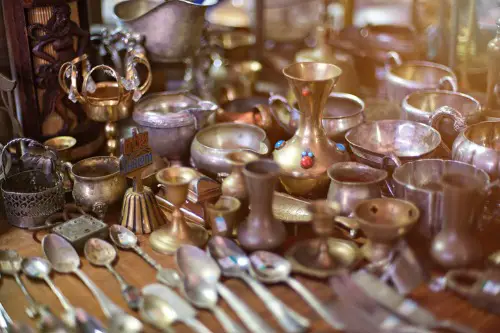
Serving trays and bowls often get lumped in with low-value decor. People see silver plating and assume it has no worth. While not solid silver, some pieces are collectible for design and age. Well-known makers and Art Deco styles can sell for more than expected.
These items are often bulky and rarely used. That makes them easy to donate during downsizing. Condition and brand markings are key factors. Giving them away usually comes from assuming plated means worthless.
20. Old Board Games and Puzzles
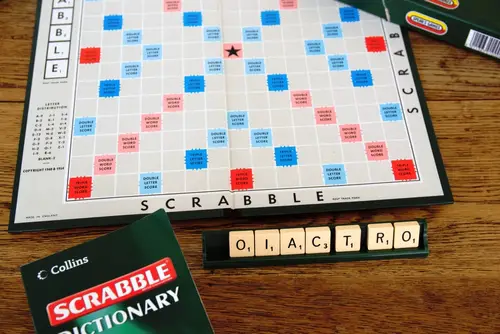
Board games from childhood often get donated during cleanouts. People think missing pieces automatically make them worthless. Certain vintage games are collectible, even without perfect components. Original boxes and artwork drive much of the value.
The mistake is treating them like disposable toys. Early editions and discontinued games are especially desirable. Some buyers look for parts to complete their own sets. Tossing them happens because nostalgia gets underestimated.
21. Brass and Copper Household Items
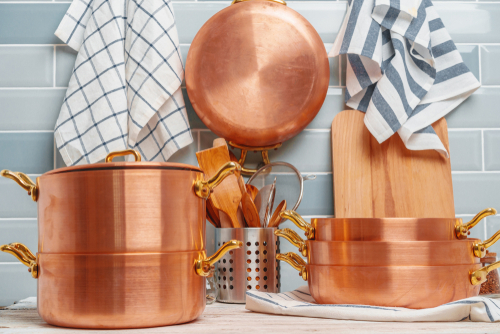
Brass candlesticks and copper pots often get replaced with modern decor. People give them away because they look dull or heavy. These metals have both decorative and material value. Older pieces are often thicker and better made than newer versions.
Patina is frequently mistaken for damage. Many buyers prefer the aged look. Some items can be polished or repurposed easily. Donating them cheaply usually comes from not recognizing the metal itself has worth.
22. Vintage Cameras and Lenses

Old cameras often sit unused once digital photography takes over. People assume film cameras are obsolete. Many vintage cameras and lenses are highly collectible or still usable. Certain lenses can be adapted for modern cameras and sell well.
The giveaway happens because technology feels outdated. Mechanical cameras are valued for durability and design. Original cases and accessories add appeal. Tossing them usually comes from not checking the model details.
23. Old Clocks and Timepieces
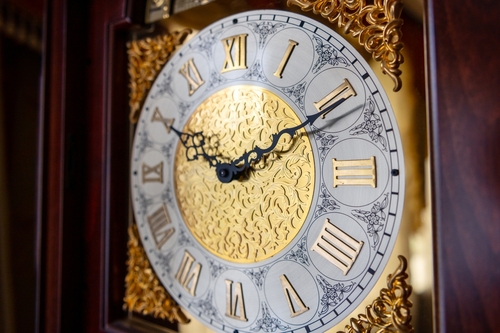
Wall clocks and mantel clocks often stop working and get donated. People assume repairs aren’t worth the effort. Many older clocks are mechanical and can be serviced. Craftsmanship and brand name matter more than whether it currently runs.
These items get overlooked because they’re no longer practical. Decorative appeal and age drive interest. Some clocks are valuable even as parts. Giving them away usually happens without understanding repair potential.
24. Vintage Audio Equipment and Speakers
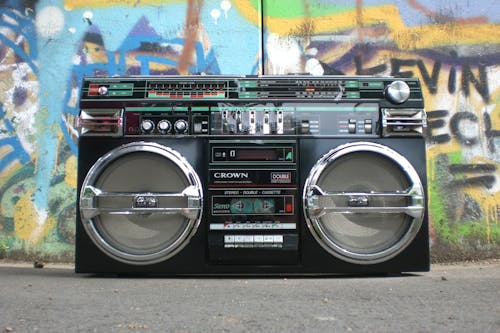
Old stereos and speakers often feel bulky and outdated. People replace them with compact modern systems. Vintage audio equipment is prized for sound quality and build. Certain brands and components are especially collectible.
The mistake is assuming newer means better. Analog equipment has a dedicated buyer base. Even non-working units can be restored or parted out. Donating them for pennies usually comes from underestimating audio enthusiasts.
This post 24 Household Items People Are Accidentally Giving Away for Pennies was first published on Greenhouse Black.
