
1. An IKEA Catalog
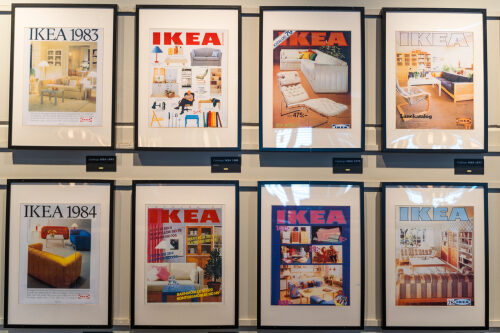
A thick retail catalog seems destined for recycling. Older IKEA catalogs are collectible because they document design trends and discontinued products. Early editions had smaller print runs and regional variations. IKEA itself maintains an archive, which validates their historical importance.
Collectors look for complete, clean copies without writing. These catalogs chart how everyday design evolved over decades. What looks mundane becomes a design reference. That transformation is exactly what collectors love.
2. Vintage Pyrex Mixing Bowls
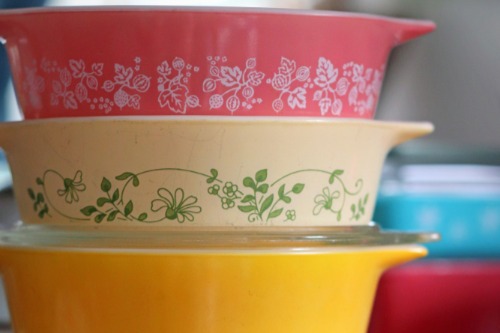
A set of old Pyrex bowls can look like something inherited from a grandmother’s kitchen. Specific patterns like Gooseberry, Pink Daisy, and Butterprint are highly sought after because they were produced for limited periods. Pyrex used a unique opal glass formula that gave the colors durability and depth. Once production methods changed, those exact finishes could no longer be replicated.
Collectors care deeply about condition, pattern completeness, and original sheen. A single bowl in a rare color can sell for more than a full modern cookware set. These pieces blend nostalgia, design history, and scarcity in one object. That combination reliably fuels collector excitement.
3. An Old Paperback Book With the Right Cover

Most paperback books from the mid-20th century look disposable and well-read. First printings of certain science fiction and fantasy paperbacks are valuable because of their original cover art and small print runs. For example, early mass-market printings of classic titles often featured artwork that was later changed or discontinued. Collectors prize these as snapshots of publishing history.
The value depends on edition markers like publisher logos, price on the cover, and binding style. Even heavy wear doesn’t automatically disqualify a copy from being collectible. Many of these books were never meant to last decades. Surviving examples become desirable precisely because so many were discarded.
4. A Sealed VHS Tape

A black plastic VHS tape feels obsolete and ordinary in a streaming world. Certain early home video releases, especially sealed copies of horror or cult films, are aggressively collected. First-run VHS editions were produced in small quantities compared to later reissues. Sealed copies prove the tape was never played, which dramatically affects value.
Collectors also care about original box art, studio logos, and distribution labels. Some tapes represent the first time a movie was available outside theaters. That historical significance matters in media-collecting circles. The format may be dead, but the collecting market is very much alive.
5. A Beanie Baby With a Specific Tag
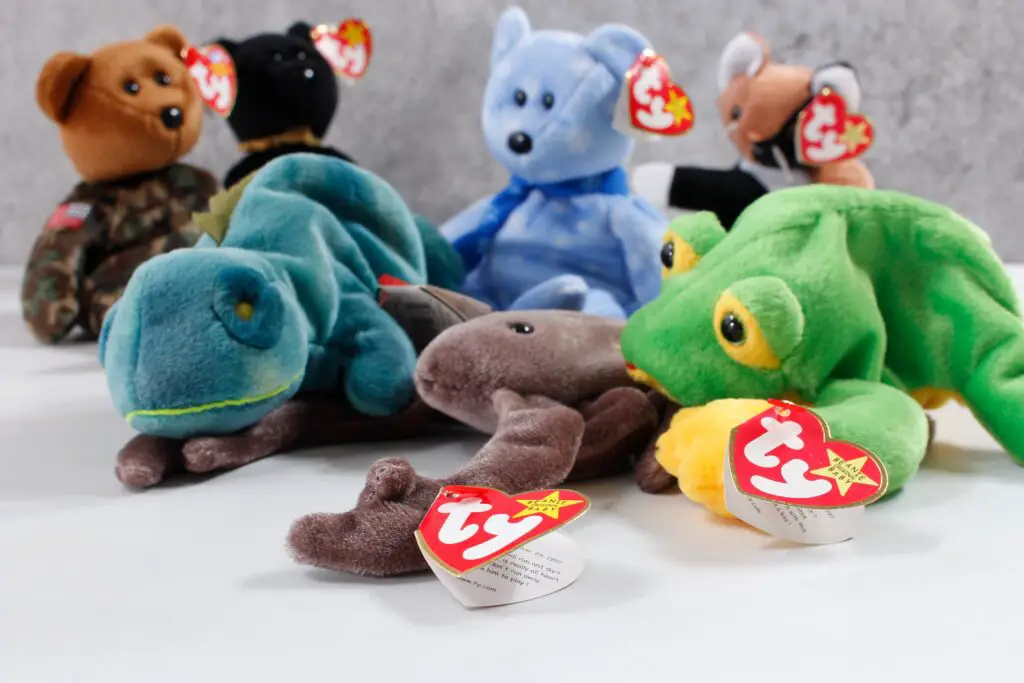
Most Beanie Babies are common plush toys worth very little. A handful, like the Princess Diana memorial bear, became iconic due to limited releases and unique tag details. Early production inconsistencies, such as misspellings or tag variations, separate rare versions from common ones. Those tiny differences drive serious collector interest.
Condition is crucial, especially the swing tag and tush tag. A pristine example with tag protectors can sell for far more than a played-with toy. The frenzy comes from nostalgia mixed with documented rarity. For collectors, it’s not about the toy but the version.
6. A LEGO Minifigure That Looks Basic
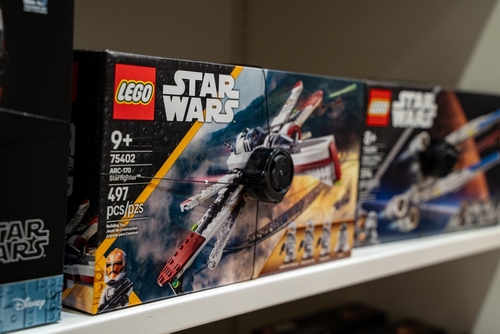
A small LEGO minifigure can appear identical to millions of others. Early licensed minifigures, especially from the first Star Wars sets released in 1999, are highly collectible. Differences in facial expressions, colors, and printing methods mark early production runs. Some figures were only available in a single set for a short time.
Loose minifigures can still command high prices if complete and authentic. LEGO’s consistency makes variations easy to track and verify. Collectors love how small changes create distinct categories. That precision turns a tiny plastic figure into a serious collectible.
7. A Common-Looking Pokémon Card
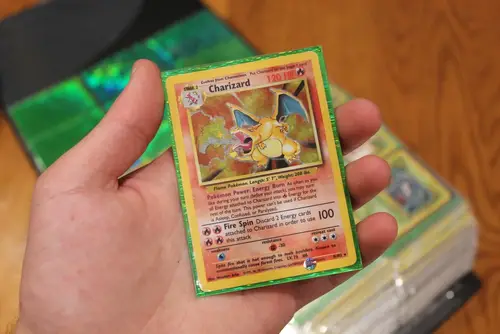
At first glance, a Pikachu card seems like childhood clutter. First Edition Base Set Pokémon cards are collectible because they represent the original English release of the game. Even non-holographic cards are valuable if they carry the First Edition stamp. These cards marked the beginning of a global phenomenon.
Condition and grading play a massive role in value. Cards kept in sleeves or packs survived far better than those traded on playgrounds. Collectors are chasing history, not just rarity. The frenzy reflects Pokémon’s lasting cultural impact.
8. A Plain Fountain Pen
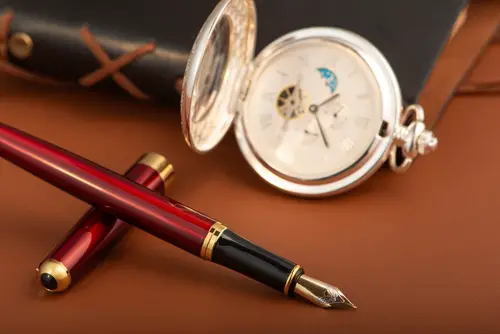
Some fountain pens look understated compared to flashy modern designs. Models like the Parker 51 are legendary because of their engineering and reliability. Introduced in the 1940s, it used a hooded nib that was revolutionary at the time. It became one of the most widely used pens in history.
Collectors seek specific materials, colors, and filling systems. Original boxes and documentation add significant value. The appeal lies in function meeting timeless design. What looks plain is actually a landmark object in writing history.
9. An Old iPod Box
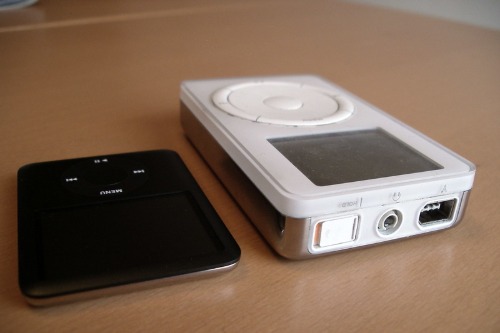
An empty electronics box doesn’t seem collectible at all. Original packaging from early Apple products is valuable because Apple emphasized design from the very beginning. Boxes for first-generation iPods or iPhones were often discarded immediately. Surviving examples are now surprisingly scarce.
Collectors want complete sets that include manuals, inserts, and cables. These boxes document the evolution of consumer technology and branding. The frenzy is about preservation rather than utility. In tech collecting, packaging tells a story.
10. A Mechanical Pencil From the 1970s
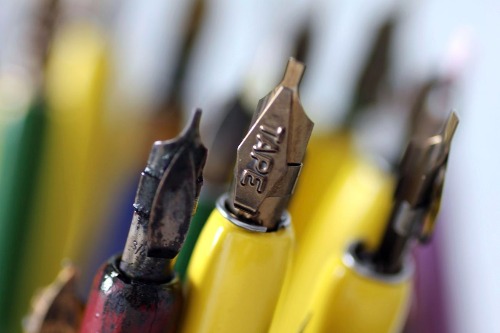
A simple mechanical pencil feels like office supply filler. Certain models, like early Pentel P200 series pencils, are collectible due to their durability and design. These pencils became standards for engineers and draftsmen. Early production details distinguish them from later versions.
Collectors appreciate the balance, materials, and manufacturing consistency. Many are still fully functional decades later. The appeal comes from precision and longevity. Ordinary tools gain value when they define an era.
11. Mid-Century Tupperware Containers
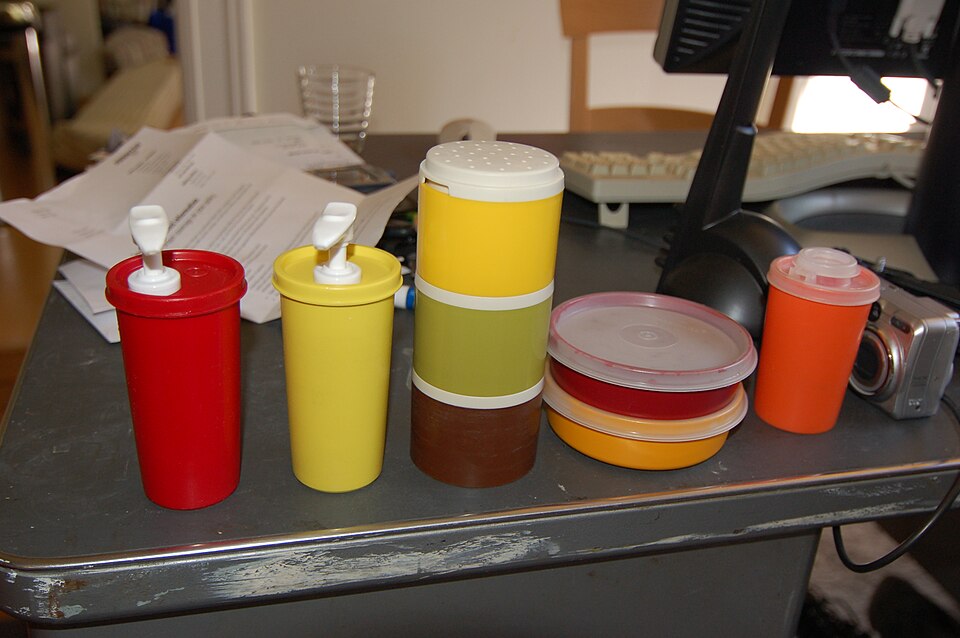
Old plastic containers rarely inspire excitement at first glance. Early Tupperware pieces are collectible because they represent a breakthrough in plastic manufacturing and marketing. Colors, molds, and logos changed frequently in the 1950s and 1960s. Those changes help date and categorize each item.
Condition matters because plastic can warp or discolor. Original lids are especially important and often missing. Collectors value complete, vibrant sets. These objects capture both design and social history.
12. Casino Matchbooks
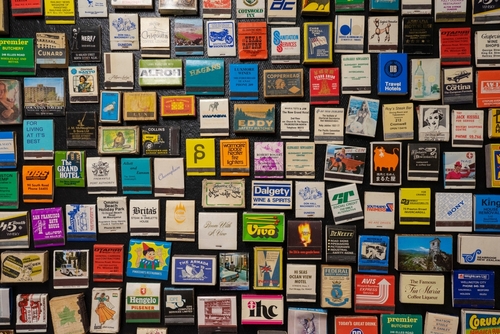
A small matchbook looks disposable and forgettable. Matchbooks from defunct casinos are collectible because the businesses no longer exist. Many were produced in limited runs tied to specific openings or events. Once the casino closed, production stopped permanently.
Collectors focus on graphics, location, and condition. These items serve as physical records of lost entertainment landmarks. The frenzy comes from their documentary value. Each matchbook is a tiny piece of urban history.
13. A Vintage Concert T-Shirt
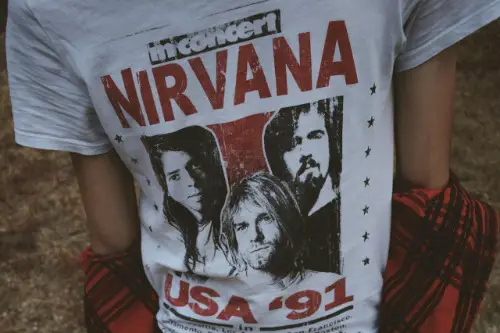
An old black T-shirt might seem like closet clutter. Original concert shirts from tours are collectible because they were sold only at specific shows. Printing methods, tag brands, and tour dates help authenticate them. Reprints lack these details and are far less valuable.
Wear is expected, but excessive damage lowers value. Collectors see these shirts as wearable artifacts. They connect directly to a moment in music history. That emotional link fuels demand.
14. A Standard NES Game Cartridge
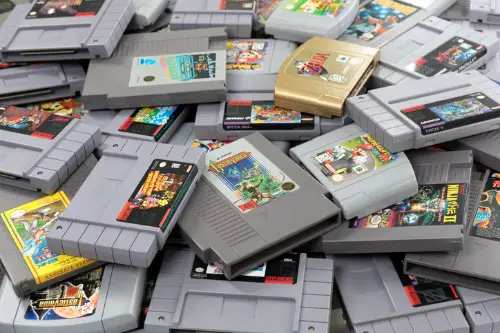
Gray Nintendo cartridges all look similar to non-collectors. Certain titles, like “Stadium Events,” are rare because of limited distribution. Some games were recalled or replaced shortly after release. That makes surviving copies unusually scarce.
Condition, label quality, and authenticity are critical. Even without the box, a rare cartridge can spark bidding wars. The frenzy is driven by documented scarcity. Ordinary plastic hides an extraordinary backstory.
15. A Plain Penny With a Minting Error
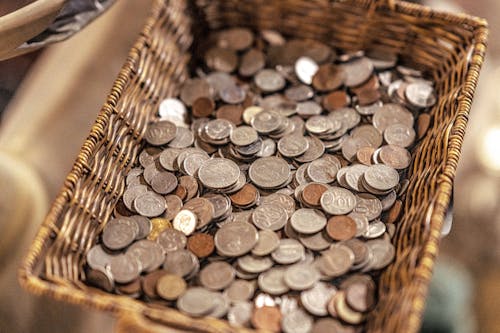
At a glance, a worn copper penny looks like spare change you’d ignore on the sidewalk. Certain U.S. coins, like the 1955 doubled die Lincoln cent, are famous because a minting mistake visibly doubled the lettering. These errors happened during production and were never meant to leave the mint. Collectors chase them because they’re documented, finite, and legally recognized varieties.
What makes this frenzy-worthy is how subtle the difference can be. Many people spent these coins for years before anyone noticed the anomaly. Once identified, grading services authenticated them and cemented their status. Today, even circulated examples can sell for thousands of dollars.
This post 15 Objects That Look Ordinary but Trigger Collector Frenzy was first published on Greenhouse Black.
