
1. The Kitchen Sink
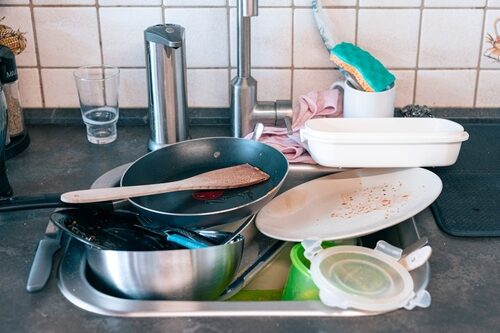
The kitchen sink acts like a public scoreboard. Dirty dishes left out imply unfinished business. A clear sink suggests you wrapped things up for company. Even non-cooks notice this immediately.
This earns a spot because kitchens signal daily habits. Guests infer how you live when no one’s watching. A quick rinse and load changes the narrative. It reads as respect for shared space.
2. The Entryway

The entryway is the handshake of your home, and guests read it fast. Shoes piled by the door signal chaos before anyone says hello. A clear path, a place to put a bag, and a light that actually turns on set expectations. People assume the rest of the house matches what they see here.
This matters because humans use first impressions to predict effort and care. If the entry feels neglected, guests brace for mess elsewhere. Conversely, a tidy landing zone suggests routines are in place. That quiet confidence puts people at ease immediately.
3. How the House Smells
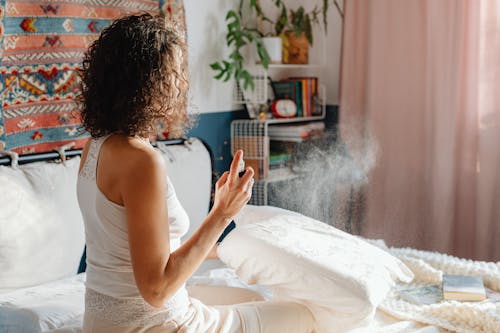
Smell is judged instantly, often before décor registers. Pet odors, stale cooking grease, or heavy air freshener all get noticed. Neutral, clean air reads as cleanliness even without sparkling surfaces. Strong scents trigger assumptions about what you’re trying to hide.
This is included because scent bypasses rational thought. The brain links certain smells with hygiene and safety. Opening windows, laundering fabrics, and taking out trash actually work. Guests relax when the air doesn’t demand their attention.
4. Bathroom Cleanliness
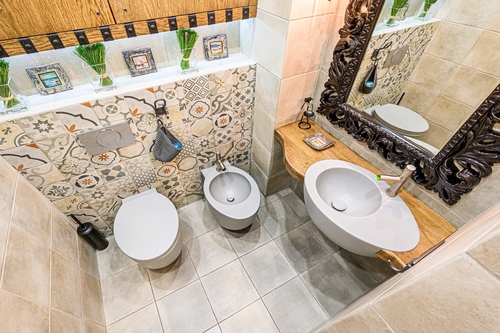
Guests always clock the bathroom, even if they don’t use it. They notice the sink rim, mirror splatters, and the toilet base. Fresh towels and stocked soap communicate care for others. A grimy bathroom raises alarms fast.
Bathrooms are high-trust spaces tied to health. People generalize from this room more than any other. A clean bathroom suggests you manage details. That makes guests comfortable touching surfaces elsewhere.
5. Seating Comfort
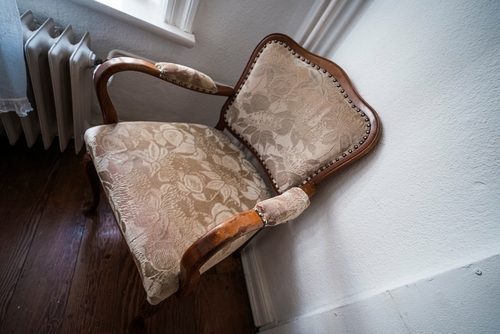
People silently assess where they’ll sit. Hard chairs, sagging couches, or limited options stand out. Comfortable seating signals you expect people to stay. It also affects how long guests linger.
Comfort matters because bodies vote before minds. Uncomfortable seating shortens visits. Throw pillows and blankets can help but structure counts more. Guests feel welcomed when their comfort was anticipated.
6. Lighting
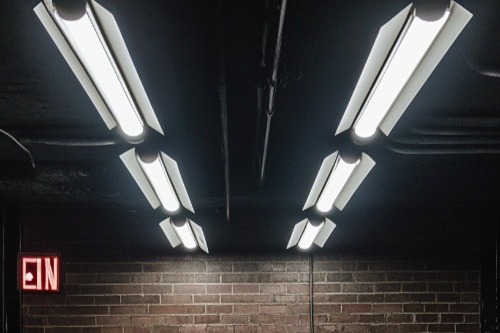
Lighting sets mood faster than paint color. Harsh overhead lights feel interrogative. Too-dim rooms feel gloomy or impractical. Balanced lighting reads as intentional.
This is included because light affects perception of cleanliness. Good lighting makes rooms feel larger and calmer. Table lamps and warm bulbs soften edges. Guests relax when they can see without squinting.
7. Temperature
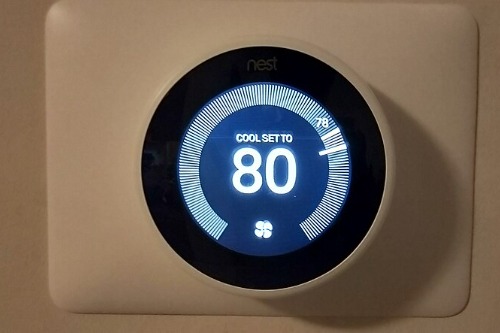
People notice temperature the moment they step inside. Too hot or too cold becomes the main topic. Guests rarely ask to adjust it. They judge silently instead.
Thermal comfort is basic hospitality. It affects mood and attention. A reasonable default shows awareness of others. Comfortable guests stay engaged.
8. Noise Level
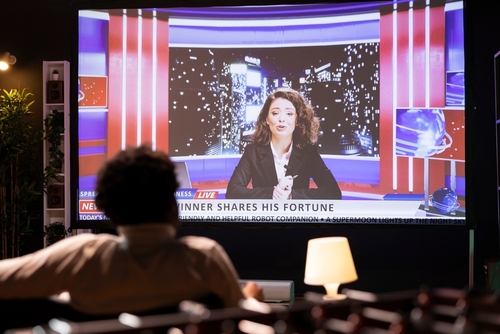
Ambient noise gets assessed instantly. Blasting TVs, buzzing appliances, or street noise stand out. Silence can feel awkward too. A calm baseline feels welcoming.
Noise matters because it signals control. Guests infer how restful the home is. Soft music can mask harsh sounds. It helps conversations flow.
9. Pet Hair

Even pet lovers notice fur. Hair on furniture or clothes reads as inescapable. Lint rollers by the door send a message. So does a freshly vacuumed couch.
This is included because allergies are common. Guests worry about reactions. Visible hair triggers that concern. Managing it shows consideration.
10. Personal Clutter
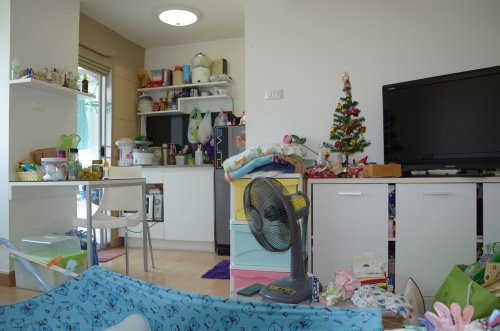
People scan surfaces for clutter. Stacks of mail and random items catch eyes. Some personality is fine. Overflow suggests stress.
Clutter matters because it affects mental load. Guests feel it even if they can’t name it. Clear surfaces feel calm. Calm spaces invite lingering.
11. Wi-Fi Access
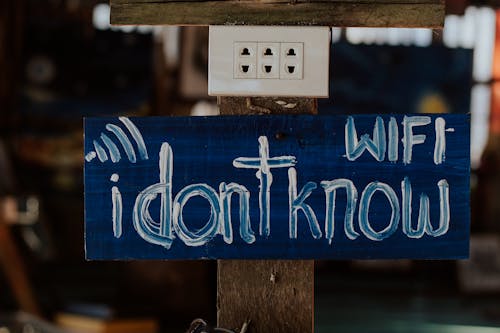
Guests quietly look for Wi-Fi. They notice if the password is obvious. Slow or inaccessible internet frustrates. Especially for longer visits.
This makes the list because connectivity is expected. It’s a modern courtesy. Posting the password saves awkward asks. Guests feel accommodated.
This post Home Features Guests Judge Silently — and Instantly was first published on Greenhouse Black.
