
1. Florida (South Florida metros like Miami–Fort Lauderdale)

Many retirees arrive for the sunshine and lack of state income tax, but daily life can feel tougher than expected. Home insurance premiums have surged in recent years, especially in coastal counties, and some insurers have pulled out altogether. Property taxes and HOA fees also surprise newcomers who expected a cheaper lifestyle. After a few hurricane seasons and rising costs, some retirees decide the trade-offs aren’t worth it.
Healthcare access is another sticking point in South Florida. While there are excellent hospitals, wait times for specialists can be long due to population density. Traffic congestion can make routine appointments feel like a chore. For retirees who value simplicity and predictability, that friction adds up quickly.
2. Arizona (Phoenix metro)

Phoenix consistently attracts retirees with its dry climate and golf-centered lifestyle. However, the extreme summer heat often hits harder after a couple of years than people anticipate. Triple-digit temperatures can last for months, limiting outdoor activity during the very years retirees hoped to stay active. Many end up feeling housebound during summers.
The region’s rapid growth has also driven up housing prices and strained infrastructure. Traffic and construction are now common complaints from newer residents. Water scarcity concerns, while long-term, also weigh on retirees thinking about stability. Some choose to relocate to cooler or less crowded areas once the novelty fades.
3. Nevada (Las Vegas)

Las Vegas appeals to retirees with no state income tax and relatively affordable housing, at least historically. Over time, many find the city’s transient feel and tourism-heavy economy less appealing for long-term living. Summers are intensely hot, and the desert environment can feel isolating. What feels exciting at first can feel exhausting later.
Healthcare access is a frequent concern cited by retirees leaving Las Vegas. The area has fewer top-ranked hospitals compared to similarly sized metros. Specialist care can require longer waits or travel. Retirees who prioritize medical access often reassess their choice after a few years.
4. Texas (Austin)

Austin attracts retirees with its culture, food scene, and lack of state income tax. The downside often shows up in property taxes, which are among the highest in the country. Even retirees who own their homes outright can be surprised by annual tax bills. Rapid population growth has only intensified this issue.
Traffic congestion and rising home prices also affect quality of life. Austin’s infrastructure has struggled to keep up with demand. Summers are long and very hot, which limits outdoor activities. For retirees seeking a calmer pace, Austin can start to feel overwhelming.
5. California (Los Angeles County)

Southern California promises mild weather and endless amenities, which draws many retirees initially. The high cost of living, however, quickly becomes a reality check. Housing, utilities, and everyday expenses are consistently among the highest in the nation. Even well-prepared retirees can feel financial pressure.
State income taxes also play a role in the decision to leave. Fixed incomes stretch less far in California than in many other states. Traffic and crowding add to daily stress. After a few years, some retirees decide the lifestyle isn’t worth the price tag.
6. New York City

New York City attracts retirees who want culture, walkability, and world-class healthcare. Over time, the high cost of housing and taxes can become burdensome. Property taxes, rent, and everyday expenses add up quickly. Even downsizing doesn’t always deliver the savings retirees expect.
The pace of life can also wear people down. Crowds, noise, and constant activity are exciting at first but tiring long term. Winter weather is another factor, especially for retirees hoping to avoid snow. Many eventually choose quieter, more affordable regions.
7. Hawaii (Oahu)

Hawaii is a dream retirement destination for many, especially first-time visitors. Living there full-time, however, comes with a very high cost of living. Groceries, utilities, and healthcare are significantly more expensive than on the mainland. Those costs can strain fixed retirement incomes.
Geographic isolation also becomes more noticeable over time. Traveling to see family or specialists often requires long flights. Limited housing options and high property prices further complicate matters. After a few years, some retirees return to the mainland for practicality.
8. South Carolina (Charleston)
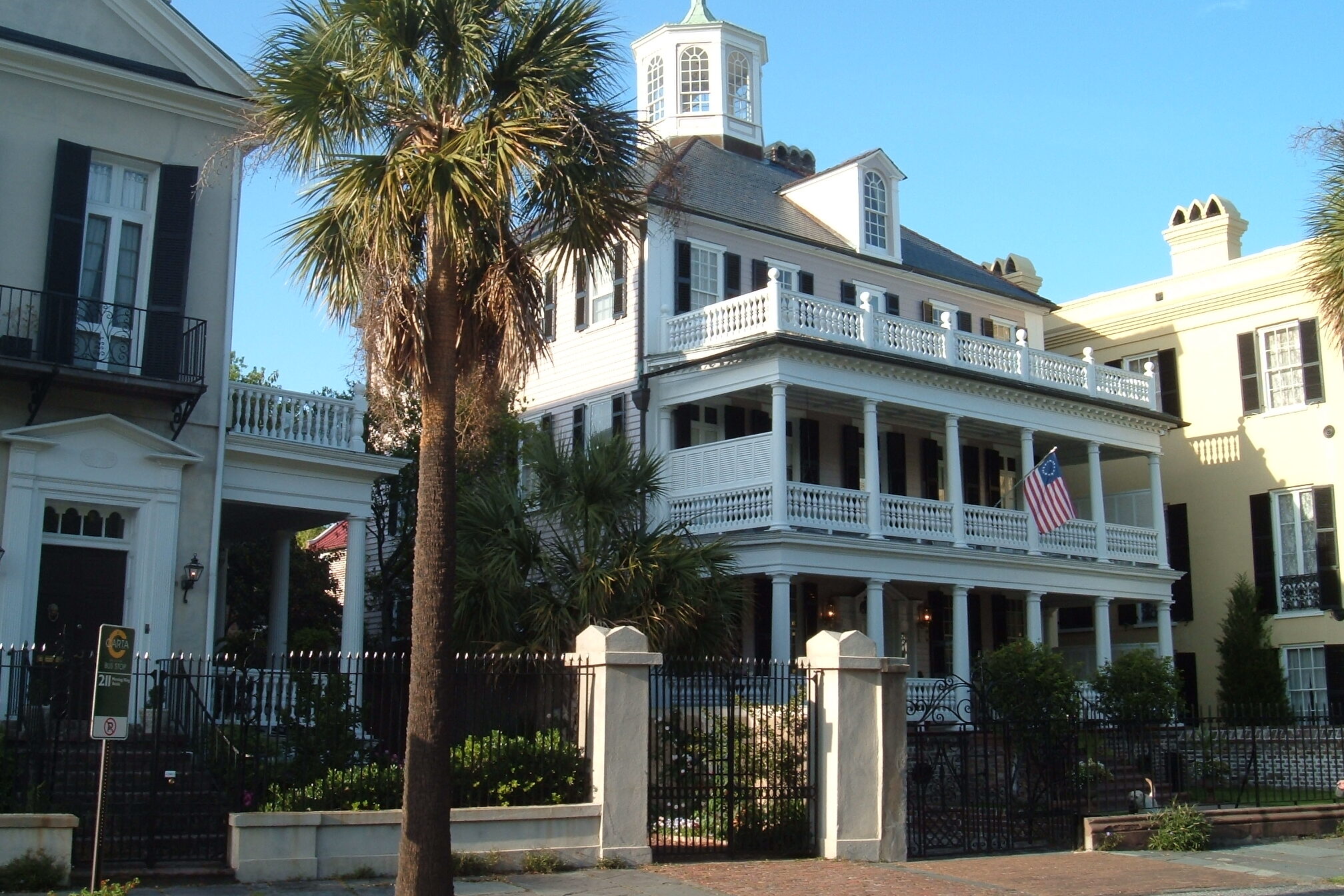
Charleston draws retirees with its historic charm and coastal beauty. The humid climate can be challenging, especially during long summers. Flooding and hurricane risks also concern homeowners. These environmental factors often feel manageable at first but grow more stressful over time.
Healthcare access outside major hospitals can be uneven. Traffic has increased significantly as the area has grown. Rising housing prices have reduced affordability for newcomers. Some retirees eventually look for less crowded coastal alternatives.
9. North Carolina (Asheville)
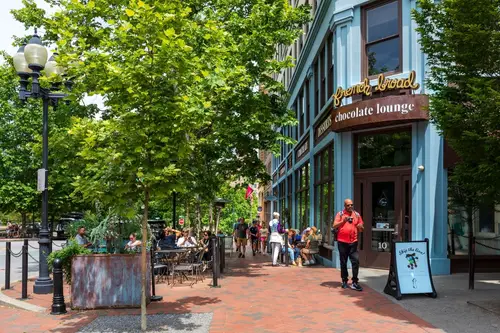
Asheville appeals to retirees seeking mountain views and an artsy vibe. Housing prices have risen sharply due to popularity and limited supply. This has made downsizing or relocating within the area more difficult. Cost expectations don’t always match reality.
Healthcare access can also be an issue for specialized care. While there are good local hospitals, complex treatments may require travel. Tourism contributes to traffic and crowding. After a few years, some retirees prefer smaller mountain towns.
10. Colorado (Denver)

Denver offers outdoor recreation and a strong economy, which initially attracts active retirees. The cost of living has increased steadily, particularly housing. Winters are colder and snowier than some retirees expect. Altitude can also affect health for certain individuals.
Healthcare quality is strong, but demand has grown with population increases. Traffic congestion has worsened in recent years. Property taxes may be lower than some states, but overall expenses remain high. Some retirees move to lower-cost western states instead.
11. Oregon (Portland)
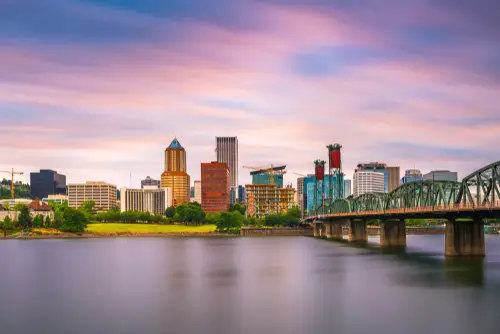
Portland appeals with its natural beauty and progressive culture. Oregon’s lack of sales tax is attractive, but state income taxes are high. Retirees on fixed incomes often feel the impact more strongly over time. Housing prices have also climbed significantly.
The long, gray winters can be harder than anticipated. Seasonal affective issues are commonly cited by former residents. Homelessness and urban management concerns affect daily life. These factors lead some retirees to seek sunnier climates.
12. Washington (Seattle)
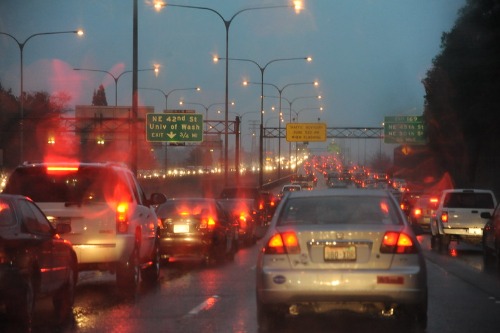
Seattle draws retirees with mild summers and access to healthcare and culture. The cost of housing is one of the biggest reasons people leave. Even suburban areas have become expensive. Fixed incomes don’t stretch as far as expected.
The climate also plays a role. Long stretches of cloudy weather can feel draining. Traffic congestion and rapid growth affect livability. Some retirees choose Eastern Washington or leave the state entirely.
13. New Jersey (Northern counties)

New Jersey offers proximity to major cities and excellent healthcare. Property taxes are among the highest in the country, which surprises many retirees. Even modest homes can carry significant annual tax bills. That expense often becomes the deciding factor.
Cost of living extends beyond taxes to utilities and services. Traffic density adds daily stress. While healthcare is strong, affordability remains an issue. Many retirees move to neighboring states with lower taxes.
14. Illinois (Chicago area)

Chicago attracts retirees with cultural amenities and top-tier hospitals. Illinois’ tax structure, including property taxes, can be challenging on a fixed income. Pension taxation policies have created uncertainty for some residents. These concerns grow more pressing over time.
Winters are long and harsh, which affects mobility and mood. Traffic and congestion add to daily fatigue. While the city offers much, it also demands patience and money. Many retirees eventually seek warmer, lower-tax states.
15. Louisiana (New Orleans)

New Orleans appeals with its culture, food, and music scene. The hot, humid climate can be difficult year-round, not just in summer. Flood risk and insurance costs weigh heavily on homeowners. These realities often become clearer after a few hurricane seasons.
Healthcare access varies by neighborhood and specialty. Infrastructure challenges can affect daily convenience. While the culture remains vibrant, practical concerns take center stage over time. Some retirees decide to enjoy New Orleans as a destination rather than a permanent home.
16. Florida (Central Florida areas like Orlando)

Central Florida attracts retirees with lower home prices than the coast and plenty of entertainment options. Over time, the constant tourism can wear on residents who expected a quieter lifestyle. Traffic congestion is common year-round, not just during peak travel seasons. The heat and humidity also feel more oppressive without ocean breezes.
Insurance costs are another growing concern in inland Florida. While hurricane risk is lower than on the coast, premiums and deductibles have still risen. Healthcare access can vary widely depending on neighborhood and provider availability. After a few years, some retirees look for smaller cities with fewer crowds.
17. Tennessee (Nashville)

Nashville draws retirees with its music culture and lack of state income tax. Rapid growth has pushed housing prices far higher than many expected. Traffic congestion has increased significantly, affecting daily errands and appointments. What once felt lively can begin to feel chaotic.
Property taxes and sales taxes add to the overall cost burden. Summers are hot and humid, limiting outdoor enjoyment. Healthcare options are solid but increasingly crowded. Some retirees ultimately decide Nashville works better as a place to visit than to settle.
18. Idaho (Boise)
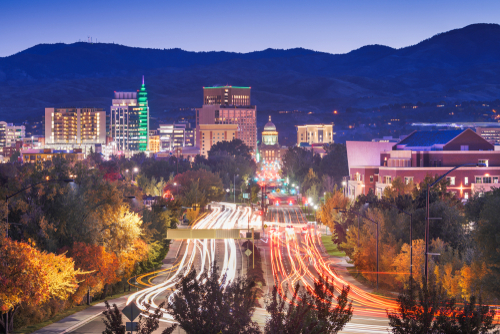
Boise has become popular for its scenery and small-city feel. That popularity has driven up home prices at a pace that surprises many retirees. Limited housing inventory makes downsizing difficult. Cost expectations often don’t align with reality.
Winters are colder and longer than some newcomers anticipate. Healthcare access for specialized care may require travel. Growth has also brought more traffic and development. After a few years, some retirees seek quieter towns with lower housing pressure.
19. Montana (Missoula)
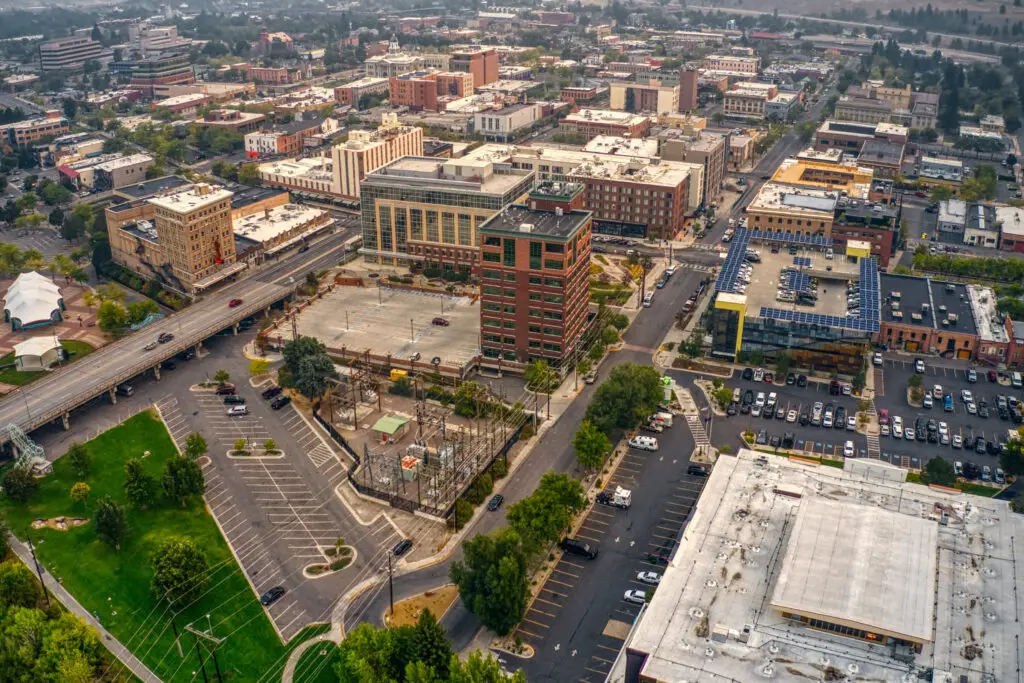
Missoula appeals to retirees who want mountain views and an outdoors-focused lifestyle. The reality of long, harsh winters can be challenging over time. Snow, ice, and limited daylight affect mobility and social activity. These factors feel more manageable on paper than in practice.
Healthcare access is more limited than in larger metros. Specialty care often requires long drives or out-of-state travel. Housing costs have risen sharply as demand has increased. Some retirees eventually relocate to milder climates.
20. Utah (Salt Lake City)
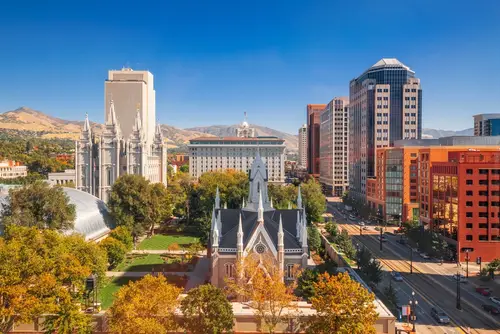
Salt Lake City attracts retirees with access to nature and a strong economy. Housing prices have climbed quickly, especially near the city center. Air quality issues during winter inversions and summer wildfire season concern many residents. These environmental factors grow more noticeable over time.
The climate includes hot summers and cold winters, limiting comfort. Traffic has increased with population growth. While healthcare quality is good, demand has risen. Some retirees choose smaller Utah towns or leave the state altogether.
21. Georgia (Atlanta metro)
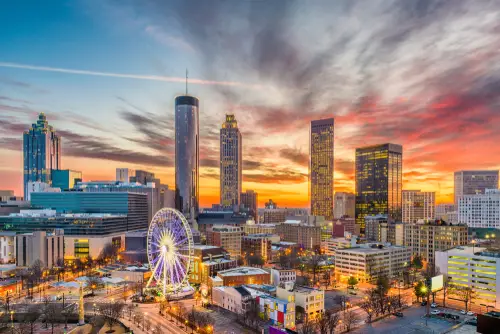
Atlanta appeals with relatively mild winters and strong healthcare systems. Traffic congestion is one of the most common complaints among retirees. Long commute times affect even short trips for appointments or errands. The sprawl can feel overwhelming after the initial adjustment period.
Housing costs have increased steadily in desirable suburbs. Summers are hot and humid, limiting outdoor activity. Property taxes and HOA fees can add unexpected expenses. Many retirees eventually look for smaller Southern cities.
22. Nevada (Reno)

Reno attracts retirees seeking tax advantages and proximity to outdoor recreation. Rapid growth has pushed housing costs higher than expected. The desert climate brings cold winters and hot summers. Seasonal extremes can feel taxing over time.
Healthcare access is more limited than in larger cities. Specialized care often requires travel to California. Infrastructure has struggled to keep up with growth. After a few years, some retirees reassess their long-term plans.
23. Maine (Portland area)

Coastal Maine draws retirees with charm, scenery, and a slower pace. Winters are long, cold, and snowy, which affects daily routines. Heating costs add significantly to living expenses. These realities can outweigh the beauty after a few seasons.
Healthcare access is solid locally but limited for specialties. Geographic distance makes travel more complicated. Housing inventory is tight, pushing prices higher. Some retirees eventually move south for climate and convenience.
24. Massachusetts (Boston area)

Boston attracts retirees with world-class healthcare and cultural institutions. The cost of living is one of the highest in the country. Housing, taxes, and utilities stretch fixed incomes quickly. Downsizing doesn’t always provide enough relief.
Traffic and congestion add daily stress. Winters can be harsh and physically demanding. While amenities are excellent, affordability remains a challenge. Many retirees choose smaller New England towns or leave the region.
25. New Mexico (Santa Fe)
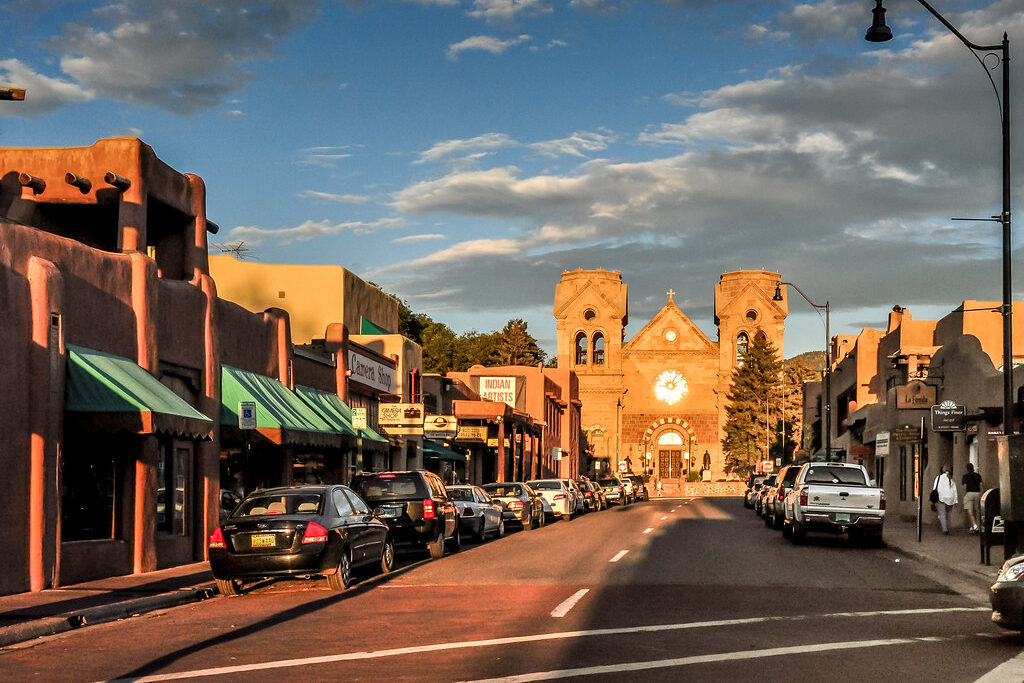
Santa Fe appeals to retirees with its arts scene and dry climate. Housing costs have risen sharply due to limited supply. Altitude can affect health, especially for those with respiratory issues. These factors often become clearer after a few years.
Healthcare access is more limited than many expect. Specialized care may require travel to Albuquerque or out of state. The slower pace doesn’t suit everyone long term. Some retirees ultimately look for more affordable desert cities.
This post 25 Places Retirees Are Leaving After Just a Few Years was first published on Greenhouse Black.
