
1. Trash cans can only be out for a very specific window of time.

Most HOAs don’t just care that you put the trash out, they care exactly when you do it. Putting cans out the night before pickup or leaving them out until evening can trigger a violation. The rule usually exists to keep streets looking tidy during the day. People often learn this one only after a photo is taken while they’re at work.
The reason it shows up in bylaws is consistency and curb appeal. A row of cans lingering all day is considered visual clutter in many communities. Enforcement is easy because it’s visible and time-stamped. That makes it one of the fastest notices new homeowners receive.
2. Paint colors are approved down to the exact shade, not just the color family.

Many homeowners assume “gray” or “beige” gives them flexibility. HOAs often approve specific manufacturer colors and even specific finishes. Choosing a slightly different shade can still count as noncompliant. This usually comes as a surprise after the paint has already dried.
The reason is uniformity across the neighborhood. Small color differences can stand out when homes are close together. HOAs want future buyers to see a cohesive look, not a patchwork of near-matches. Once one home deviates, others tend to follow.
3. Certain vehicles can’t be parked overnight, even in your own driveway.
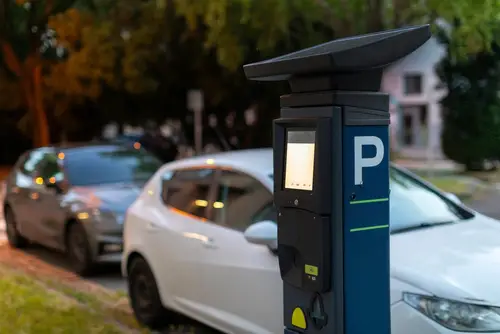
Pickup trucks, vans with logos, RVs, and boats are common targets. Many HOAs ban “commercial” or oversized vehicles from overnight parking. Homeowners often assume their driveway is exempt from this rule. The violation notice usually arrives after a neighbor complains.
These rules exist to prevent streets from looking like storage lots. Larger vehicles can block sightlines and make streets feel crowded. HOAs also worry about long-term parking turning into semi-permanent storage. The rule is enforced unevenly, which adds to the confusion.
4. Holiday decorations have a firm expiration date.

It’s not just about taking decorations down eventually. Many HOAs specify exact time frames before and after a holiday. Leaving lights up a few weeks too long can trigger a violation. New owners often assume no one is counting days.
The reason is that decorations can linger for months if unchecked. HOAs want the neighborhood to return to a neutral appearance. Clear dates make enforcement easier and less subjective. Unfortunately, those dates are often buried deep in the rules.
5. Lawn height is measured, not guessed.

HOA lawn rules often specify a maximum grass height in inches. Letting it grow during a rainy week can be enough to break the rule. Some HOAs even define what counts as a weed versus an ornamental plant. Homeowners usually learn this after a notice includes a photo.
The reason is appearance and pest control. Taller grass can attract insects and rodents. Uniform lawns also signal upkeep to potential buyers. It’s a small detail that has a big visual impact.
6. Exterior fixtures count as architectural changes.
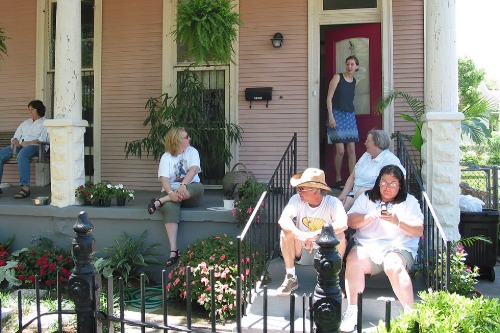
Changing a porch light, mailbox, or even a front door handle can require approval. Many people assume these are minor personal choices. HOAs often classify anything visible from the street as an exterior modification. The violation shows up after the upgrade feels “done.”
These rules exist to keep visual consistency. One modern fixture can clash with a traditional design theme. HOAs also want to prevent a gradual drift in style over time. Requiring approval slows that drift.
7. Renting your home can be restricted or capped.

Some HOAs limit the number of rentals allowed at any one time. Others ban short-term rentals entirely. Owners often discover this only after listing their home. The violation notice can arrive before the first guest checks in.
The reason is stability and insurance risk. Communities with too many rentals may have higher turnover and more complaints. Lenders and insurers sometimes scrutinize rental-heavy neighborhoods. HOAs try to control that by setting limits.
8. Quiet hours can apply during the day, not just at night.

Many people assume noise rules only apply late at night. Some HOAs restrict construction noise or loud music during daytime hours too. Power tools on a weekend afternoon can trigger a complaint. The notice usually cites a decibel level or time window.
These rules exist because many residents work from home or have young children. Daytime quiet helps maintain a peaceful environment. Clear limits give the HOA a way to intervene. It’s often stricter than city noise ordinances.
9. Window coverings must be uniform when viewed from outside.

HOAs often don’t care what you use inside your home. They care what’s visible from the street. Rules may require white or neutral window coverings facing outward. Bright colors or foil-backed insulation can get flagged quickly.
The reason is exterior appearance, not interior taste. Windows act like part of the home’s façade. Inconsistent coverings can make homes look unfinished or cluttered. Uniformity keeps the street looking orderly.
10. Pet rules go beyond leashes and clean-up.
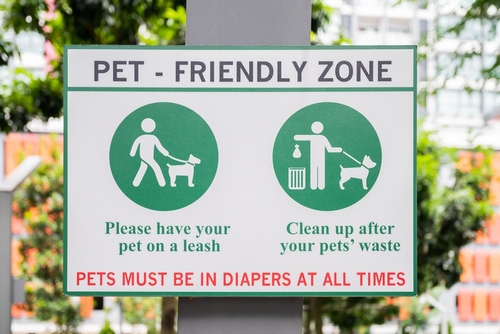
Many HOAs limit the number of pets per household. Some restrict pet size or prohibit certain breeds. Leash length rules can also be very specific. Owners often learn this only after a neighbor reports them.
These rules exist to reduce conflicts and noise complaints. Larger or multiple pets can increase wear on common areas. Clear limits help HOAs manage shared spaces. Enforcement tends to happen only after an issue arises.
11. Outdoor items must be stored out of sight, even temporarily.
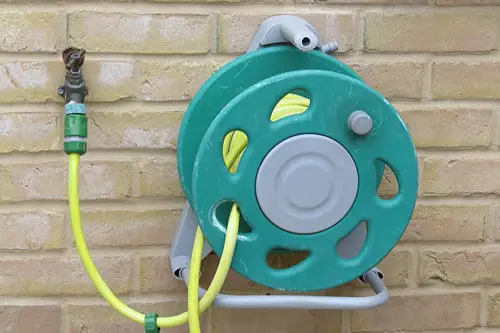
Leaving hoses, bikes, or grills visible can violate HOA rules. Many HOAs require these items to be stored behind fences or inside garages. Homeowners often assume temporary visibility is fine. The violation notice proves otherwise.
The reason is visual consistency and safety. Loose items can make areas look cluttered or attract theft. HOAs want common sightlines to remain clean. Even practical items are treated as visual distractions.
This post HOA Rules People Learn About Only After the First Violation Notice was first published on Greenhouse Black.
