
1. Orlando, Florida
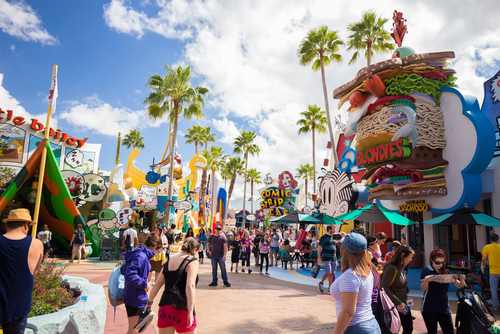
Orlando’s market is split between investors and owner-occupants, and both are cautious right now. Short-term rental uncertainty has made some buyers hesitant. That hesitation shows up as longer days on market. Sellers can’t rely on instant interest anymore.
New construction in surrounding areas adds competition. Buyers compare resale homes to builder incentives and upgrades. If the numbers don’t line up, they walk away. Sellers often need patience and flexibility.
2. San Francisco, California
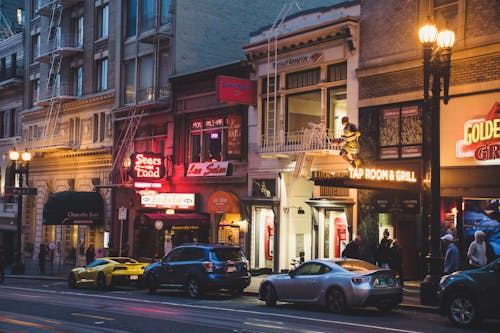
San Francisco’s housing market is still working through a post-boom hangover. High prices, even after declines, keep many buyers on the sidelines. Condos in particular are taking longer to move as buyers weigh HOA fees and urban living trade-offs. Sellers often wait weeks just to get serious showings.
Tech layoffs and hybrid work have changed who actually needs to live in the city. Some buyers are holding out for steeper discounts, assuming more price drops are coming. That standoff slows everything down. Homes do sell, but rarely at the speed sellers once expected.
3. Los Angeles, California
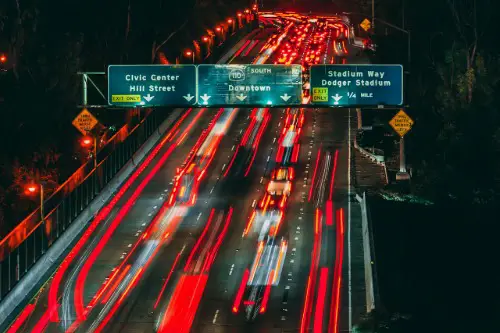
In Los Angeles, affordability is doing a lot of the heavy lifting when it comes to slower sales. Mortgage rates have pushed monthly payments beyond what many buyers can comfortably handle. Homes in the middle price ranges can sit while buyers shop carefully across neighborhoods. Sellers often underestimate how picky buyers have become.
Insurance costs and concerns about natural disasters are also part of the conversation now. Buyers ask more questions and take more time before committing. Listings that feel even slightly overpriced tend to stall. The waiting game is real, especially outside the hottest pockets.
4. San Diego, California
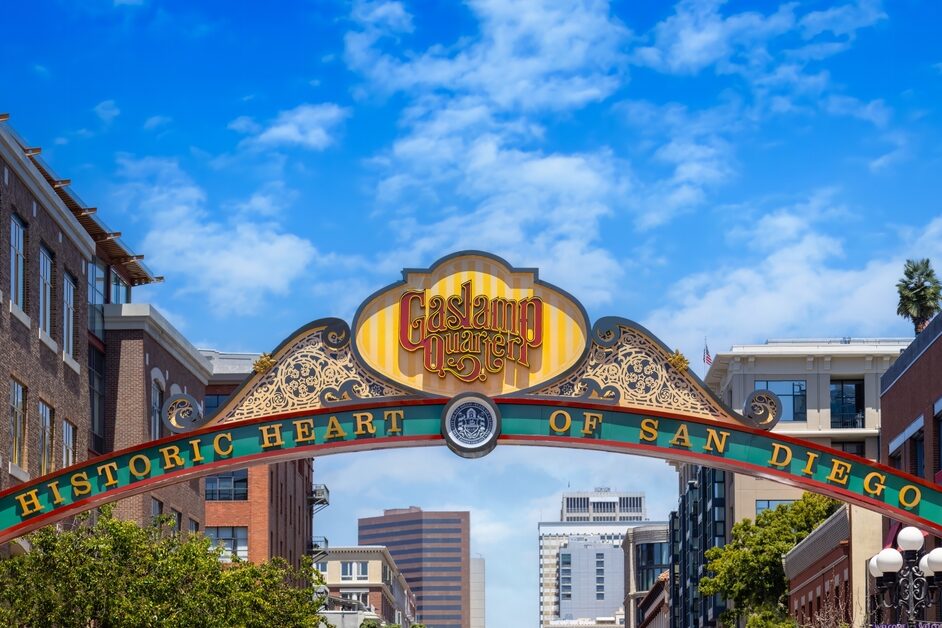
San Diego’s market looks strong on paper, but many listings still linger. Prices remain high, and buyers are cautious about stretching their budgets. Coastal condos and older homes can take a while to find the right match. Sellers often expect quick sales because demand is “always there,” but timing matters more now.
Military relocations and second-home buyers are still active, just more selective. Homes without updates or with awkward layouts don’t get a free pass anymore. Buyers know inventory has improved. That knowledge slows decision-making and lengthens days on market.
5. Seattle, Washington
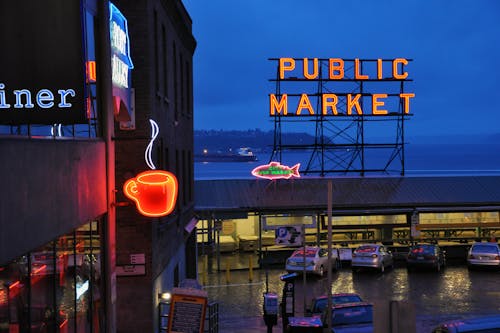
Seattle’s housing market cooled as tech hiring slowed and interest rates climbed. Buyers are still around, but they’re negotiating harder and moving slower. Listings that once sparked bidding wars now wait for their first solid offer. Sellers sometimes resist price adjustments, which extends the wait.
Seasonality plays a bigger role here than many expect. Homes listed at the wrong time of year can linger well into the next season. Buyers feel less urgency because inventory isn’t disappearing overnight. That shift alone has added weeks to many listings.
6. Denver, Colorado

Denver has plenty of demand, but also plenty of competition among sellers. A wave of new listings has given buyers options, which changes the power dynamic. Homes that aren’t priced sharply tend to sit while buyers compare. Sellers often realize too late that the market isn’t rushing anymore.
Rising insurance costs in some areas and concerns about wildfires factor into buyer hesitation. Suburban homes are moving better than urban condos, but even they aren’t immune. Buyers want value and clarity. Until they see it, they’re willing to wait.
7. Phoenix, Arizona
Phoenix experienced one of the fastest run-ups in prices, and now it’s feeling the slowdown. Buyers remember how quickly values jumped and are wary of overpaying. New construction adds pressure, especially in outer suburbs. That combination leads to longer listing times.
Investors have also pulled back compared to recent years. Without that extra demand, sellers rely more on traditional buyers. Those buyers are rate-sensitive and patient. Homes eventually sell, but rarely at lightning speed.
8. Las Vegas, Nevada
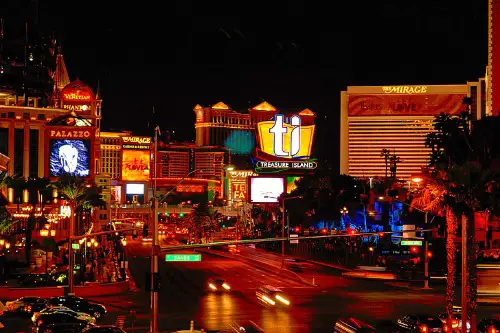
Las Vegas is another market adjusting after a boom. Prices climbed fast, and now buyers want proof they’re getting a deal. Homes that feel dated or overpriced can sit for weeks. Sellers often test the market high, then wait as traffic slows.
Investor activity has cooled here as well. That removes a layer of quick, cash-driven sales. Owner-occupant buyers take longer to decide. The waiting reflects a more cautious, normalized market.
9. Miami, Florida
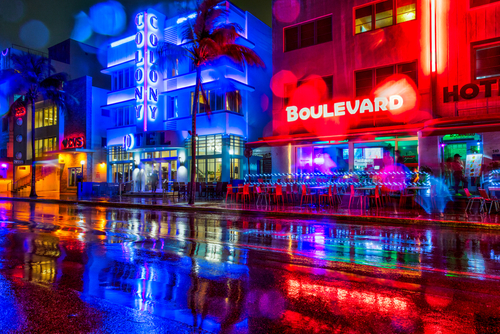
Miami’s condo market, in particular, has slowed noticeably. Higher HOA fees, insurance costs, and new building requirements make buyers pause. Some sellers are competing with brand-new luxury towers offering incentives. That makes resale units harder to move quickly.
Single-family homes still attract interest, but buyers are choosier. Flood risk and insurance premiums come up early in conversations. Listings can sit while buyers run the numbers. Sellers often have to reset expectations.
10. Tampa, Florida
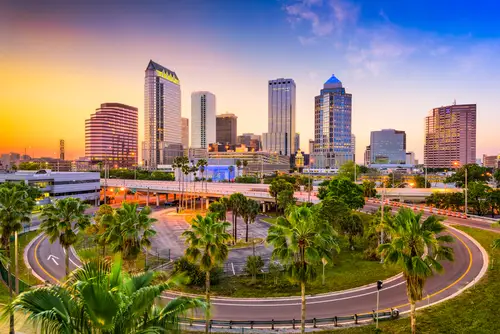
Tampa saw a surge of out-of-state buyers, and now that wave has eased. Inventory has grown, giving buyers breathing room. Homes priced for peak demand can linger longer than sellers expect. Even well-located properties may need time.
Insurance and property tax costs are a growing concern here too. Buyers factor those into affordability more than before. That slows decisions and negotiations. Sellers who adapt move on, but many wait first.
11. Austin, Texas
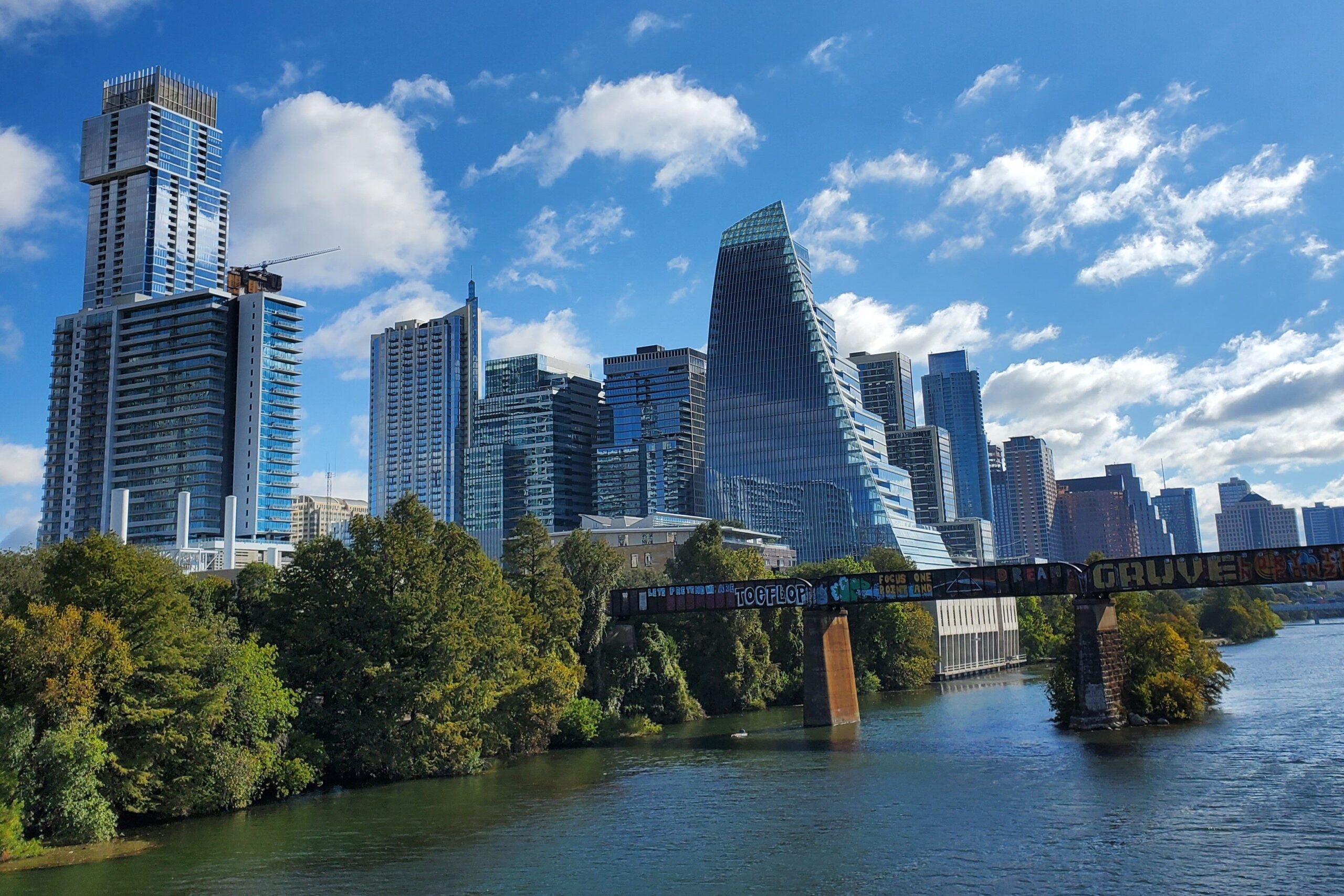
Austin sellers got used to homes flying off the market in a weekend, and that muscle memory is hard to shake. New construction is everywhere, which means resale homes are suddenly competing with shiny incentives from builders. Buyers know this and are taking their time, expecting price cuts or upgrades. The result is listings that linger while sellers wait for last year’s frenzy to return.
The tech slowdown also cooled some demand that once felt unstoppable. Remote-work buyers aren’t rushing in the same way, and locals are more price-conscious. Homes priced like it’s still 2021 tend to sit, sometimes with multiple reductions. Sellers who adjust do sell, but patience is now part of the process.
12. New York City, New York
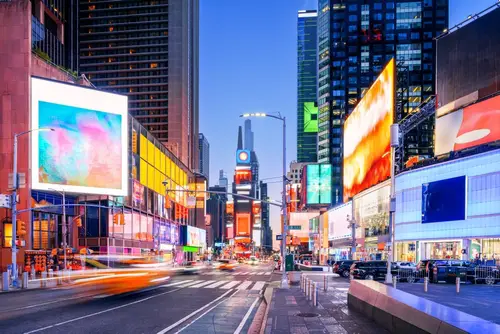
In New York City, condos and co-ops often take longer simply because the process is complex. Board approvals, financial reviews, and strict rules slow everything down. Buyers also have plenty of choices across neighborhoods. Sellers sometimes underestimate how long that decision-making takes.
Higher interest rates have narrowed the buyer pool. Many buyers are waiting for either rates or prices to move first. That standoff leads to longer listing times. Homes do sell, just not quickly.
13. Chicago, Illinois

Chicago’s market is steady but rarely fast. High property taxes make buyers deliberate and cautious. Condos, especially downtown, can sit while buyers compare monthly costs. Sellers often expect more urgency than the market delivers.
Weather and seasonality also matter more here than in warmer cities. Listings outside peak spring months tend to linger. Buyers know this and don’t rush. The result is a slower, more drawn-out selling process.
14. Portland, Oregon
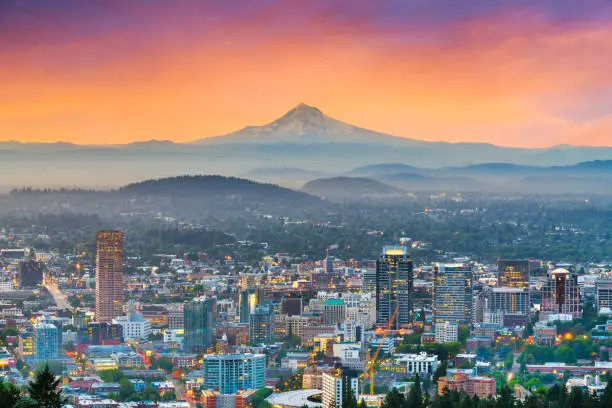
Portland’s housing market has been adjusting to economic and population shifts. Buyers are still interested, but they’re careful about price and location. Urban condos and homes needing work can sit for extended periods. Sellers often wait, hoping the right buyer appears.
Concerns about property taxes, local policies, and future resale value influence decisions. Buyers ask more questions and take more time. That caution adds days and weeks to listings. Waiting has become part of the Portland selling experience.
This post Cities Where Sellers Are Waiting… and Waiting… and Waiting was first published on Greenhouse Black.
