
1. Tennessee

Tennessee appeals to retirees with no tax on wages, a reputation for friendliness, and scenic mountain and river towns. Housing has historically been affordable compared to national averages. Music, culture, and food add to the charm. It often feels welcoming and relaxed.
What catches people off guard is the high sales tax, which hits fixed incomes harder than expected. Humidity and heat can be oppressive, especially in summer. Healthcare quality varies widely by region, with rural areas lacking specialists. Rapid growth has also driven up housing prices in popular retirement spots.
2. Florida

Florida looks like the retirement jackpot with no state income tax, endless sunshine, and communities built specifically for older adults. The marketing practically sells itself, especially if you’re dreaming of golf carts and palm trees. It’s easy to assume your money will stretch further here. Many retirees arrive convinced they’ve cracked the code.
Then the real bills start showing up. Homeowners insurance has become extremely expensive and hard to keep, especially near the coast, and property taxes can climb faster than expected. Summers are long, humid, and increasingly brutal, which can be tough on health and energy levels. Add crowded roads, hurricane anxiety, and rising HOA fees, and Florida can feel less carefree than advertised.
3. Texas
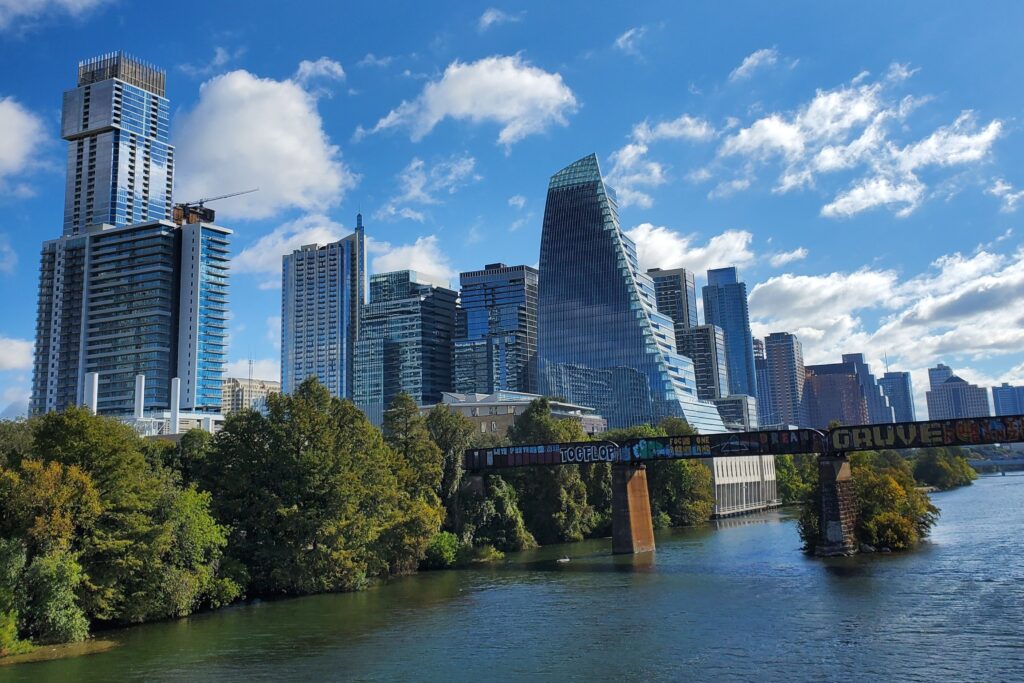
Texas draws retirees with its lack of state income tax, relatively affordable housing, and wide-open spaces. It often feels like a place where you can buy more house for your money and still keep your independence. Many people like the idea of warm weather without coastal humidity. On paper, the math looks pretty good.
In practice, Texas makes up for no income tax with some of the highest property taxes in the country. Extreme heat lasts for months and can limit how much time you actually want to be outside. Home insurance and utility costs have risen sharply, especially after severe weather events. Healthcare access can also be a challenge outside major metro areas.
4. Arizona

Arizona has long been pitched as a retiree haven thanks to its dry climate and desert beauty. People with arthritis or respiratory issues often like the lack of humidity. There’s also a strong network of retirement communities, especially around Phoenix and Tucson. It feels purpose-built for later life.
The flip side is that summer heat can be intense and dangerous, not just uncomfortable. Water scarcity is a growing concern, and long-term costs tied to it are unpredictable. Healthcare is solid in cities but thinner in smaller towns where many retirees settle. Housing costs have also risen significantly, narrowing the affordability gap.
5. Nevada

Nevada’s no-income-tax status immediately catches retirees’ attention. Las Vegas and Reno offer entertainment, dining, and relatively mild winters. Many assume the state’s tourist economy keeps everyday costs low. It seems like a place where you can enjoy yourself without overthinking the budget.
Reality is more uneven. Sales taxes are high, and healthcare access can be limited outside a few urban hubs. Summers are extremely hot, especially in southern Nevada, which can restrict outdoor activity. If you’re not close to top-tier medical facilities, routine care can mean long drives or long waits.
6. North Carolina

North Carolina is often praised for its mild seasons, varied geography, and growing healthcare systems in metro areas. Social Security benefits are not taxed, which retirees appreciate. Many towns market themselves as retirement-friendly with cultural amenities and walkable centers. It looks like a balanced choice.
The reality depends heavily on where you land. Property taxes and home prices have climbed quickly in desirable areas. Rural healthcare access can be limited, especially for specialized care. Coastal regions also face rising insurance costs and storm risks that aren’t always obvious at first glance.
7. South Carolina

South Carolina attracts retirees with warm weather, historic towns, and tax breaks on retirement income. Beaches and slower-paced living are a major draw. Social Security benefits are not taxed, which feels like a win. Many people expect an easygoing, affordable lifestyle.
Some costs are less friendly than they appear. Groceries are taxed, which adds up on a fixed income, and sales taxes are high overall. Coastal insurance premiums can be steep, and storms are a recurring concern. Healthcare access can be limited outside larger cities like Charleston or Columbia.
8. Georgia

Georgia often looks appealing because it exempts Social Security income and offers a sizable retirement income deduction. The state has diverse regions, from mountains to coastlines. Many retirees like the mix of culture, food, and relatively mild winters. It feels familiar and comfortable.
Heat and humidity can be draining for much of the year. Property taxes and home prices have risen quickly in metro areas and popular small towns alike. Traffic congestion around cities can be stressful, even if you’re no longer commuting. Healthcare quality varies widely depending on location.
9. Idaho
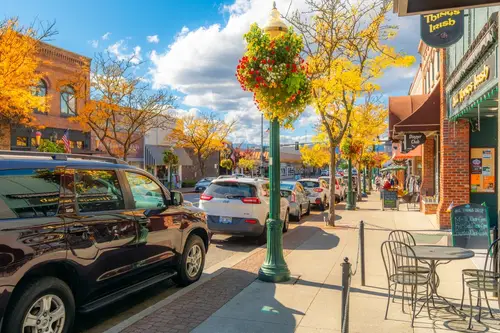
Idaho has gained attention for its natural beauty, outdoor lifestyle, and once-low cost of living. Smaller cities and towns can feel peaceful and community-oriented. Many retirees are drawn to the idea of four seasons without big-city chaos. It often feels like a hidden gem.
Costs have risen sharply as popularity has increased. Idaho does tax Social Security income, which surprises many newcomers. Healthcare access can be limited outside Boise, especially for specialists. Winters can also be long and isolating if you’re not prepared for snow and cold.
10. Montana

Montana appeals to retirees who want space, scenery, and a slower pace of life. There’s no sales tax, which initially sounds very retiree-friendly. The landscape is undeniably beautiful, and small towns can feel close-knit. It’s easy to romanticize life here.
Montana does tax Social Security income for many retirees. Healthcare access is a major challenge, with long distances between providers and limited specialists. Winters are harsh and long, which can affect mobility and mental health. Housing costs in scenic areas have risen dramatically.
11. Colorado
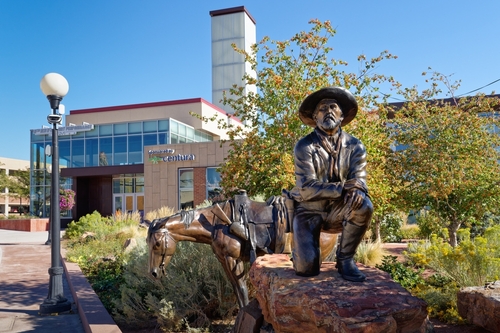
Colorado attracts retirees with its active lifestyle, mountain views, and strong healthcare systems in urban areas. The state offers partial exemptions on Social Security income depending on age. Many people imagine a healthy, outdoorsy retirement. It feels vibrant and modern.
The cost of living is the big reality check. Housing prices are high, even outside Denver and Boulder. Wildfires and smoke have become more common, affecting air quality. Winters can be tough, and mountain driving isn’t for everyone as mobility changes.
12. Utah

Utah often surprises retirees with its clean cities, strong healthcare networks, and scenic surroundings. The state offers credits that reduce taxes on Social Security income. Many communities are safe, well-run, and visually appealing. It looks orderly and stable.
Housing costs have climbed quickly, especially along the Wasatch Front. Utah does still tax Social Security income for many retirees, which can limit savings. Cultural differences can feel isolating for some newcomers. Outdoor recreation is great, but winters and air quality inversions can be challenging.
13. New Hampshire
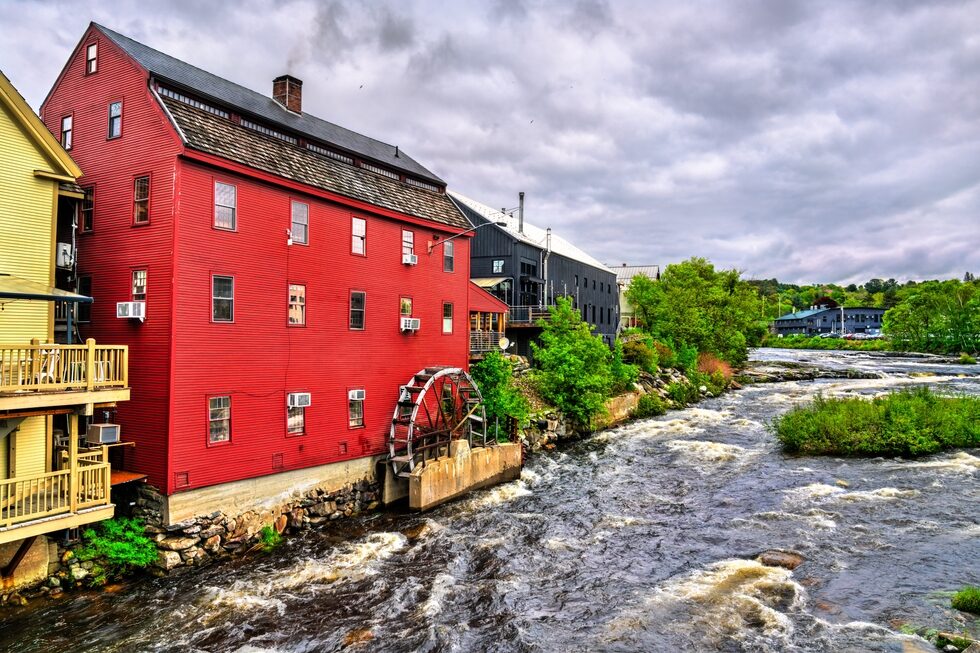
New Hampshire looks like a tax dream with no state income tax and no sales tax. Small towns, natural beauty, and low crime add to the appeal. Many retirees assume this means a low overall tax burden. It feels fiscally friendly at first glance.
Property taxes are among the highest in the country and can shock new residents. Winters are long, cold, and snowy, which can be tough on joints and morale. Heating costs add up quickly. Healthcare is good in some areas but sparse in more rural regions.
14. Pennsylvania
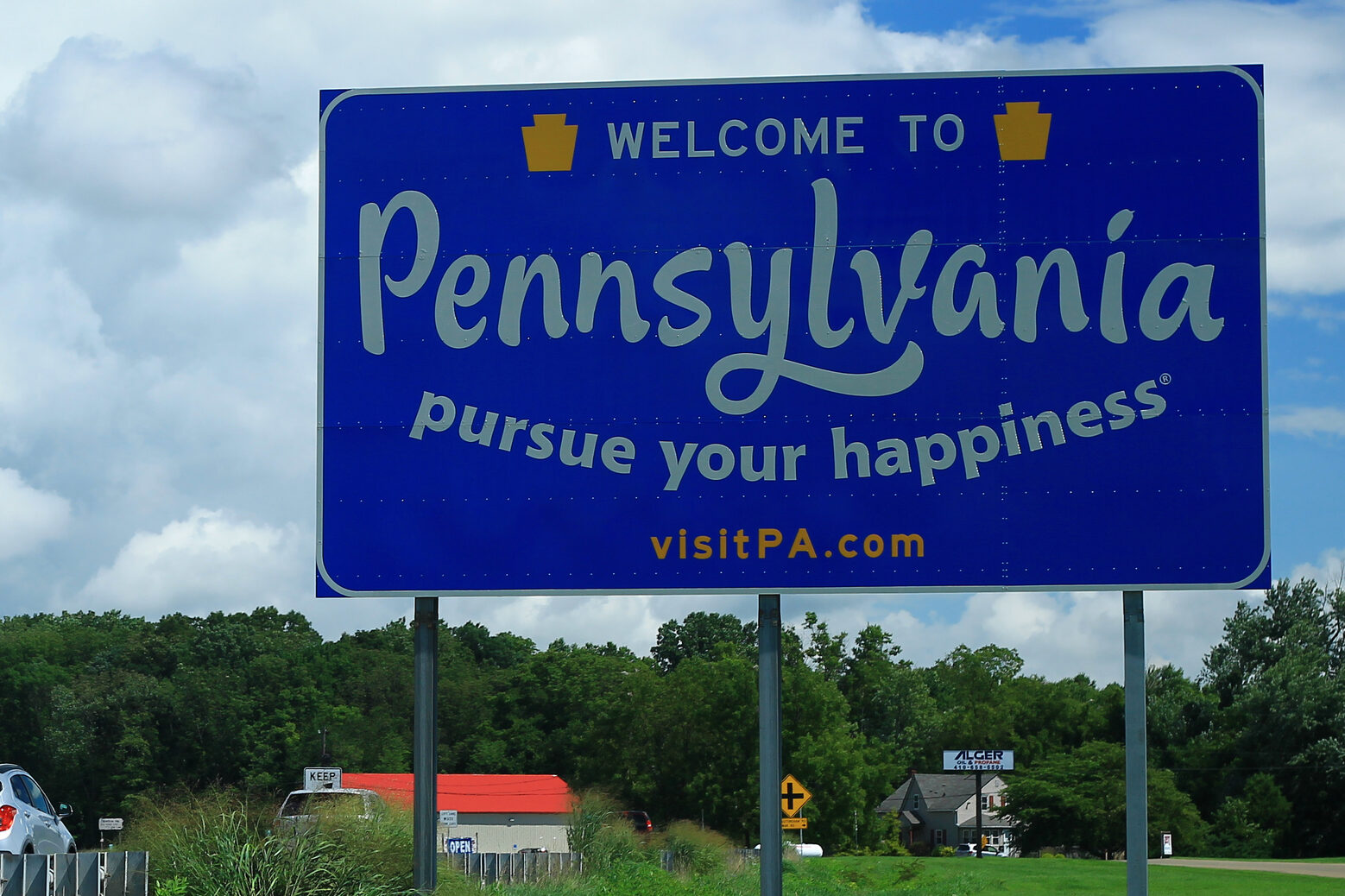
Pennsylvania is often praised for being very friendly to retirees from a tax perspective. Social Security and most retirement income are not taxed. The cost of living can be reasonable, especially outside major cities. It looks like a solid, practical choice.
Property taxes can be high and vary widely by municipality. Winters are cold and gray, which can affect mood and mobility. Rural healthcare access can be limited, requiring travel for specialized care. Aging infrastructure in some areas adds to everyday frustrations.
15. Michigan

Michigan draws retirees with its lakes, natural beauty, and generally affordable housing. Social Security income is not taxed, which helps fixed budgets. Many people like the sense of community in smaller towns. Summers can be absolutely lovely.
Winters are long, snowy, and demanding, especially as you get older. Auto insurance costs are among the highest in the nation. Some pensions are still taxed depending on birth year, which can complicate planning. Healthcare quality varies, particularly outside larger metro areas.
This post 15 States That Look Friendly to Retirees — Until Reality Sets In was first published on Greenhouse Black.
