
1. Bozeman, Montana
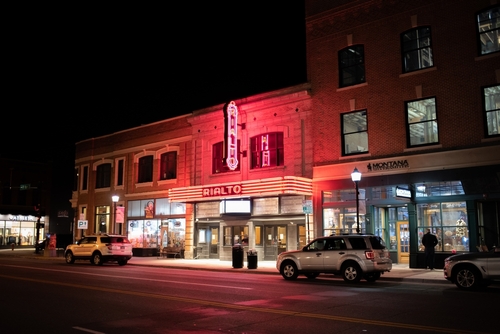
Bozeman’s rapid growth brought new parking restrictions that affect RVs disproportionately. Overnight parking bans expanded in residential neighborhoods. Vehicle size and time limits further restrict options near downtown. These changes arrived through routine code updates.
Bozeman is included because it reflects a shifting attitude in growing Western towns. RVs are increasingly viewed as incompatible with dense neighborhoods. Enforcement has tightened as housing pressures increased. Travelers often find Bozeman less flexible than expected.
2. Santa Monica, California
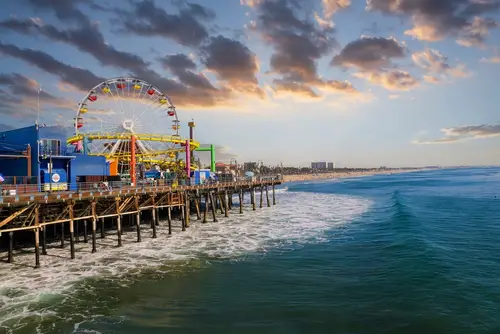
Santa Monica didn’t announce a grand crackdown, but overnight RV parking has become increasingly difficult block by block. The city expanded preferential parking districts and time limits that effectively exclude oversized vehicles. RVs are often restricted by length limits and overnight bans on many residential streets. It’s a slow squeeze that locals notice, even if it never made national news.
What puts Santa Monica on this list is how policy changes layer together rather than arriving all at once. Parking enforcement has become more consistent, especially near the beach and transit corridors. RV dwellers often find legal spots disappearing after routine signage updates. The result is fewer workable options without a single dramatic rule change to point to.
3. San Diego, California
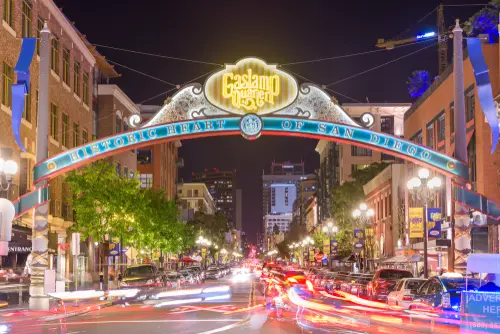
San Diego’s RV rules tightened through a patchwork of ordinances rather than one sweeping ban. Many neighborhoods prohibit oversized vehicle parking between certain hours, often overnight. Coastal and high-demand areas are especially strict, with ticketing and towing becoming more common. The changes were framed around neighborhood access and congestion.
San Diego makes this list because the impact varies sharply by neighborhood. Some streets remain legal during the day but not at night, creating confusion for travelers. Enforcement has increased alongside housing and homelessness policy shifts. RV users often learn the limits only after a citation.
4. Key West, Florida
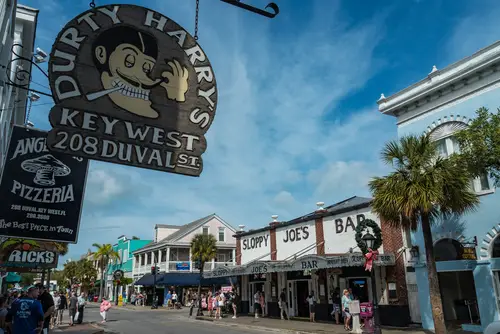
Key West is famously small, and RV parking has quietly become almost impossible within city limits. Overnight street parking is heavily restricted, and size limits eliminate most RVs by default. The city relies on zoning and traffic ordinances rather than RV-specific language. Visitors are generally funneled toward private campgrounds outside the core.
What earns Key West a spot here is how subtle the restrictions appear on paper. Nothing says “RVs banned,” yet legal options are scarce. Enforcement is consistent due to limited space and high tourism pressure. RV travelers often discover the reality only after circling the island.
5. Aspen, Colorado
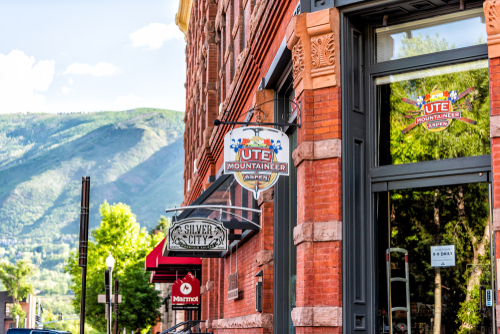
Aspen has long prioritized aesthetics and traffic flow, and RVs are increasingly affected by those policies. Oversized vehicle parking is restricted in many areas, especially overnight. Time limits and permit requirements quietly eliminate long-term stays. These rules are enforced more strictly during peak seasons.
Aspen belongs on this list because the changes align with broader resort-town trends. As housing pressures increased, tolerance for vehicle-based living decreased. RV restrictions were added incrementally through parking code updates. The end result is fewer viable options without a headline-grabbing ban.
6. Bend, Oregon
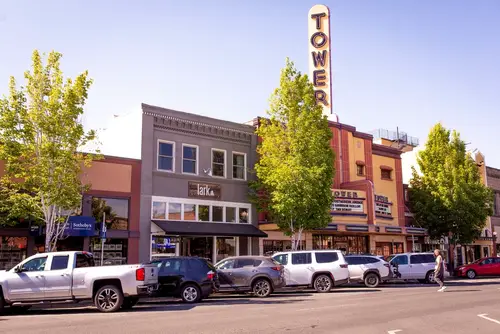
Bend’s growth brought new parking rules that significantly impact RV users. The city expanded overnight parking bans in residential and commercial zones. Length limits and permit-only areas further reduce legal spaces. These changes were often justified as neighborhood livability measures.
Bend is included because enforcement intensified quietly as the city expanded. What once felt loosely enforced is now monitored more closely. RV travelers passing through find fewer safe, legal stops. The shift reflects Bend’s transition from outdoorsy town to fast-growing city.
7. Jackson, Wyoming
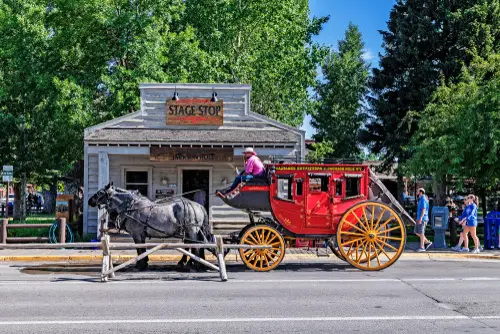
Jackson’s strict parking rules don’t mention RVs often, but they hit them hardest. Overnight parking is prohibited on most public streets within town limits. Size restrictions and seasonal enforcement tighten the net even further. Visitors are steered toward campgrounds well outside town.
Jackson makes the list because its policies reflect a broader trend in gateway towns. High tourism demand and limited space drive stricter enforcement. RV travelers may assume rural Wyoming is flexible, only to find Jackson is not. The contrast catches many by surprise.
8. Burlington, Vermont
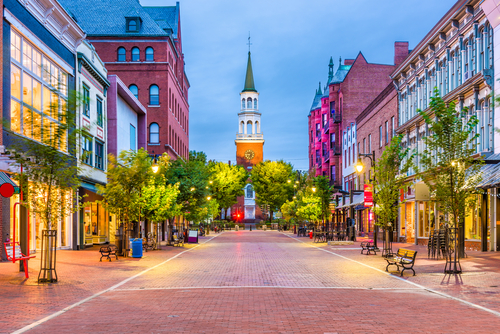
Burlington has quietly reduced RV-friendly parking through expanded overnight bans. Most city streets prohibit overnight vehicle parking regardless of size. Enforcement has become more consistent, especially near downtown and the waterfront. These rules are framed as snow removal and safety measures.
Burlington earns its place because the impact on RVs is indirect but real. The city doesn’t target RVs explicitly, yet few legal overnight options remain. Seasonal enforcement makes compliance even harder for travelers. RV users often must leave city limits entirely.
9. Malibu, California
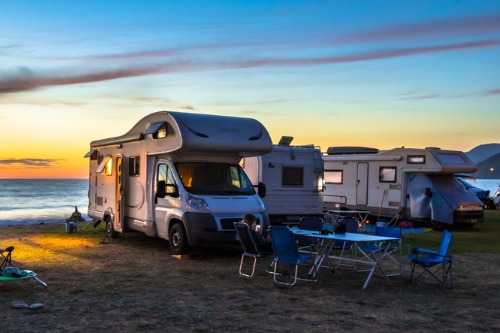
Malibu’s coastline is iconic, but RV parking freedom has steadily disappeared. Overnight parking is banned along much of Pacific Coast Highway. Length restrictions and no-parking zones limit daytime use as well. Enforcement has increased in response to resident complaints.
Malibu belongs on this list because the changes happened quietly over time. What once felt loosely enforced is now actively monitored. The rules emphasize safety and traffic flow rather than RV living. For travelers, the effect is the same: far fewer places to stop.
10. Sedona, Arizona
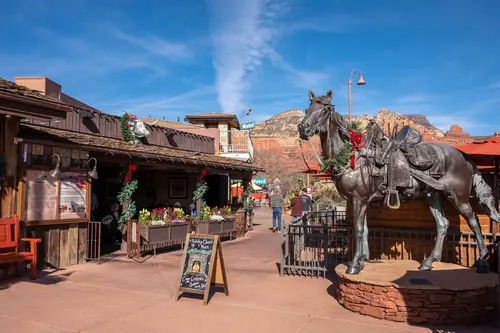
Sedona has long been vocal about protecting its scenery, and RV freedom has narrowed quietly as part of that goal. The city enforces strict parking rules that limit oversized vehicles in residential and commercial areas. Overnight parking is prohibited on most public streets, including popular scenic pullouts. These rules are framed as traffic and safety measures rather than RV-specific bans.
The reason Sedona belongs here is how its tourism growth changed enforcement priorities. As visitation increased, tolerance for RVs lingering overnight decreased. Enforcement now focuses on vehicle size, duration, and location. For RV travelers, that means fewer legal places to stop despite the city’s outdoor-friendly reputation.
11. Santa Barbara, California
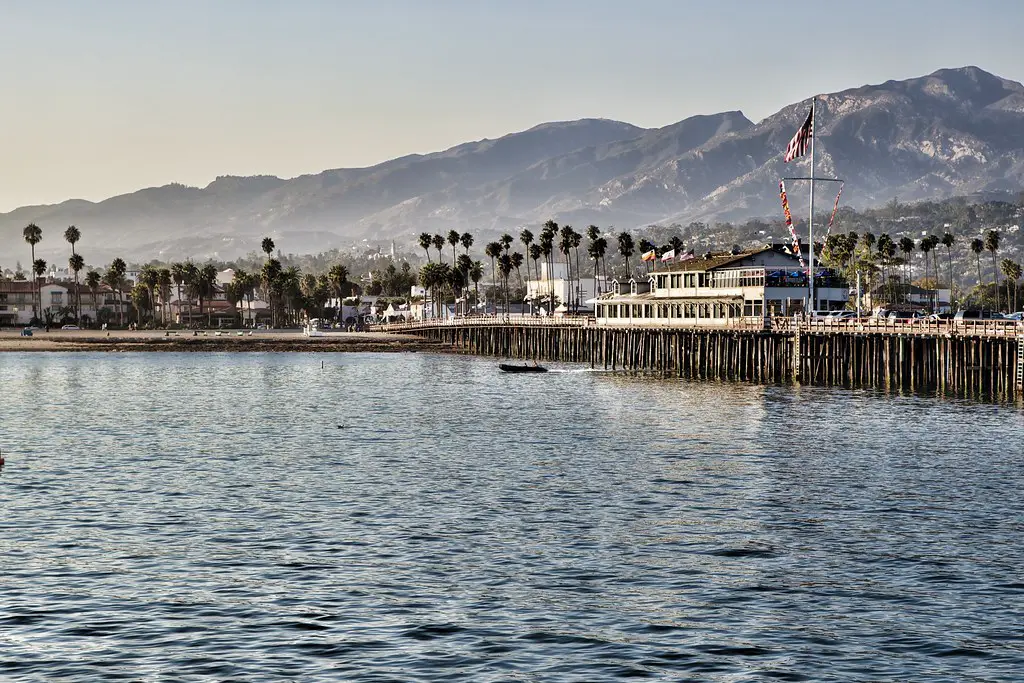
Santa Barbara has long regulated vehicle parking, but recent adjustments narrowed RV options further. Oversized vehicle restrictions apply on many city streets. Overnight parking bans are enforced more consistently than in the past. Coastal and residential zones are especially strict.
Santa Barbara rounds out the list because of how quietly enforcement changed. The city focused on parking management rather than RV policy. Incremental updates added up over time. RV travelers now face a much narrower margin for legal parking without realizing why.
This post Places Where RV Freedom Is Shrinking Without Headlines was first published on Greenhouse Black.
