
1. Front Porches That Actually Get Used
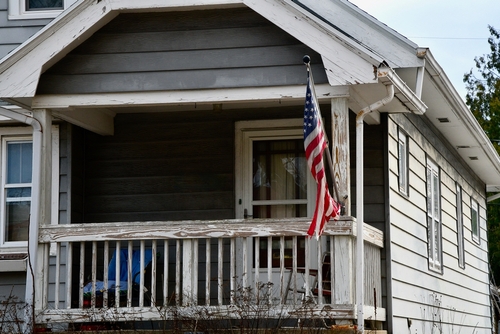
Older homes treated the front porch as a real room, not a decorative afterthought. They were deep enough for chairs, shaded by the roofline, and positioned to catch breezes. This made them comfortable places to sit, not just something you walked past on the way inside. They also created a natural buffer between the street and the home.
There was a social reason for this design, too. Front porches encouraged casual interaction with neighbors and slowed down daily life in a good way. You could watch kids play, greet people walking by, or cool off without turning on a fan. Many newer homes skip porches entirely or shrink them to the point where they no longer function.
2. Windows Designed for Cross-Ventilation
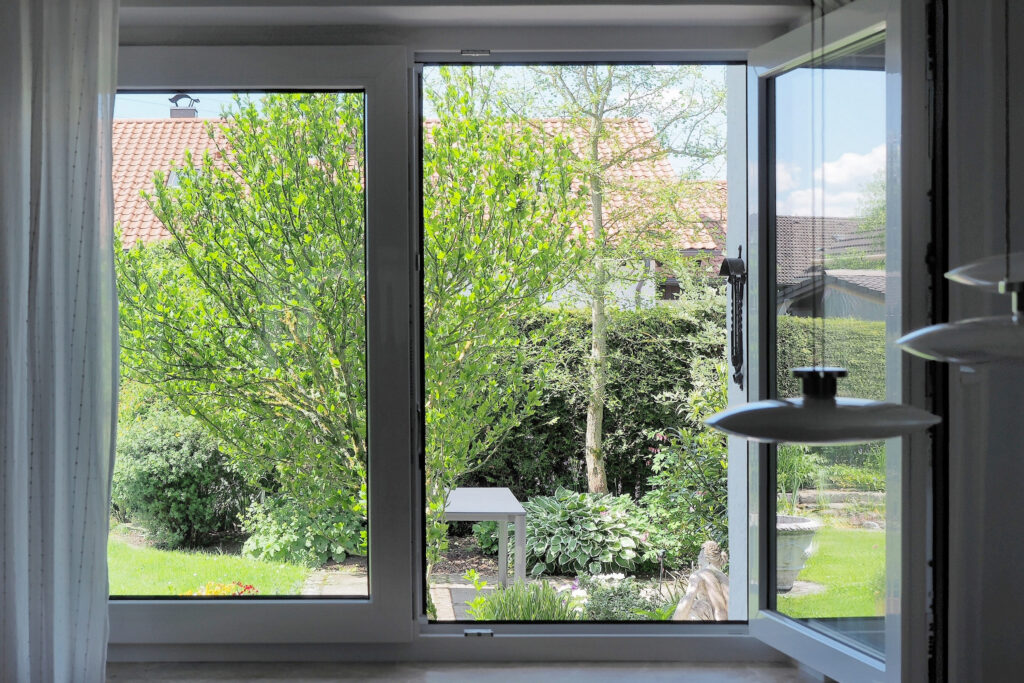
Older homes were often designed before air conditioning was common, so airflow mattered. Windows were placed on opposite walls to allow breezes to move through the house. Double-hung windows could be opened from the top or bottom to control air movement. This made homes more comfortable in warm weather without relying on machines.
In many new builds, window placement is driven by exterior appearance or furniture layouts instead. That can leave rooms with only one small window or none that open widely. The result is a house that feels stuffy unless the HVAC system is running. Older layouts show a clear understanding of how air actually behaves.
3. Plaster Walls Instead of Thin Drywall
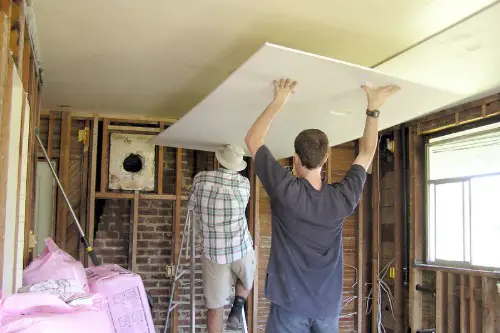
Plaster walls were standard in older homes, and they behave very differently from modern drywall. They are thicker, denser, and harder, which helps reduce noise between rooms. Plaster also adds thermal mass, meaning it can help stabilize indoor temperatures. When properly maintained, plaster can last for generations.
Drywall is faster and cheaper to install, which is why it dominates new construction. However, it dents easily and transmits sound more readily. Anyone who has heard every conversation through a bedroom wall knows the downside. Older homes prioritized durability and comfort over speed of construction.
4. Solid Wood Doors and Trim
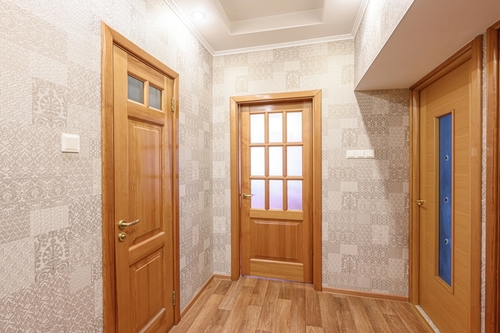
In older houses, interior doors were typically made from solid wood. Trim, baseboards, and window casings were often substantial and milled from real lumber. This gave rooms a sense of weight and permanence. It also meant these elements could be repaired rather than replaced.
Many new homes use hollow-core doors and thin, finger-jointed trim. These materials are lighter and cheaper, but they feel different in daily use. Doors sound hollow when they close, and trim is more prone to damage. The older approach invested in parts of the house people touch every day.
5. Built-Ins That Reduce Clutter
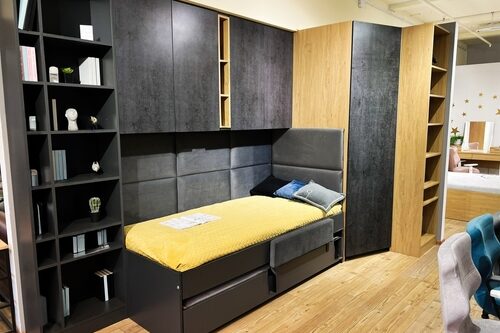
Older homes frequently included built-in bookcases, cabinets, and window seats. These weren’t luxury features but practical storage solutions integrated into the structure. Built-ins made efficient use of wall space and awkward corners. They also reduced the need for bulky furniture.
Modern homes often rely on freestanding storage instead. That can mean more visual clutter and less efficient layouts. Built-ins also tend to last longer because they are custom-fit and well-supported. Their return in renovations shows how useful they still are.
6. Transom Windows for Light and Air
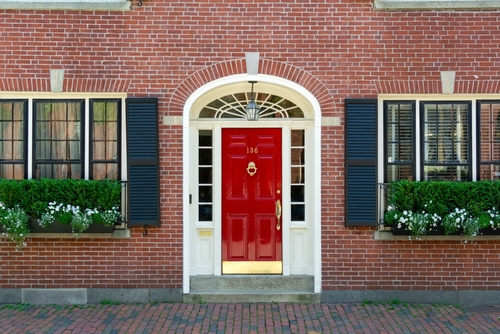
Transom windows above doors were common in older homes, especially in warmer climates. They allowed light and air to move between rooms even when doors were closed. This helped maintain privacy without cutting off ventilation. It was a clever solution before modern mechanical systems.
Today, transoms are often omitted to simplify framing and reduce costs. Interior rooms can end up darker and more closed off as a result. While HVAC systems handle airflow now, they don’t replace natural light. Transoms show how small architectural details can improve daily comfort.
7. Thicker Walls That Muffle Sound

Many older homes have thicker walls due to plaster, masonry, or balloon framing methods. This extra mass helps absorb sound and creates quieter interiors. You’re less likely to hear footsteps or conversations from other rooms. It also adds a sense of solidity when you lean against a wall.
New construction typically uses thinner wall assemblies to maximize square footage and reduce material costs. Sound transmission becomes a common complaint as a result. While soundproofing can be added, it often isn’t by default. Older homes benefited from their construction methods in this quiet, everyday way.
8. Radiator Heating That Feels Comfortable
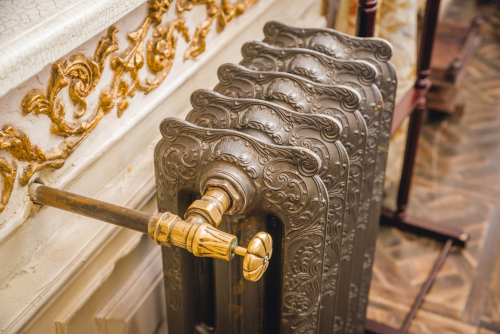
Radiator systems, common in older homes, heat spaces differently than forced-air systems. They provide steady, even warmth without blowing air around. This reduces drafts and helps maintain humidity levels in winter. Many people find radiator heat more comfortable overall.
Forced-air systems are efficient and versatile, but they can create hot and cold spots. They also circulate dust and allergens more easily. Radiators were designed for long-term comfort rather than quick temperature changes. That design goal still resonates with homeowners today.
9. Masonry Fireplaces Built to Last
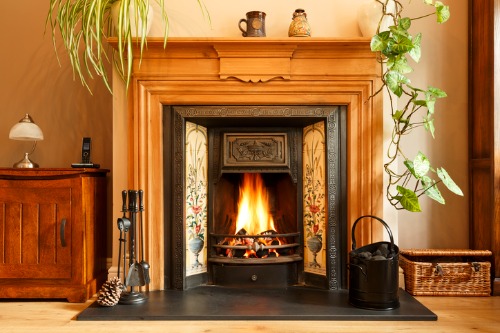
Older homes often featured masonry fireplaces constructed as part of the house itself. These were built from brick or stone and designed to last for decades. Even if no longer used for daily heating, they add structural and aesthetic value. They also reflect a time when craftsmanship mattered.
In newer homes, fireplaces are often prefabricated inserts or purely decorative. They serve a visual purpose but lack the same durability. Masonry fireplaces require maintenance, but they can be repaired rather than replaced. Their longevity is part of their appeal.
10. Defined Rooms With Clear Purposes
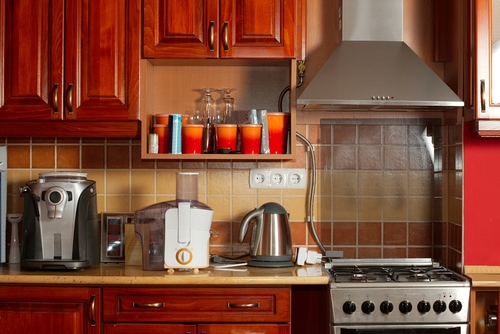
Older homes typically had distinct rooms for specific activities. Kitchens were for cooking, dining rooms for eating, and living rooms for gathering. This helped contain noise, smells, and messes. It also allowed people to use spaces differently at the same time.
Open floor plans dominate new construction, and they work well for some lifestyles. However, they can be noisy and harder to organize. Defined rooms offer flexibility that isn’t always obvious at first. Older layouts understood that separation can be just as valuable as openness.
11. Attics and Basements Designed for Access
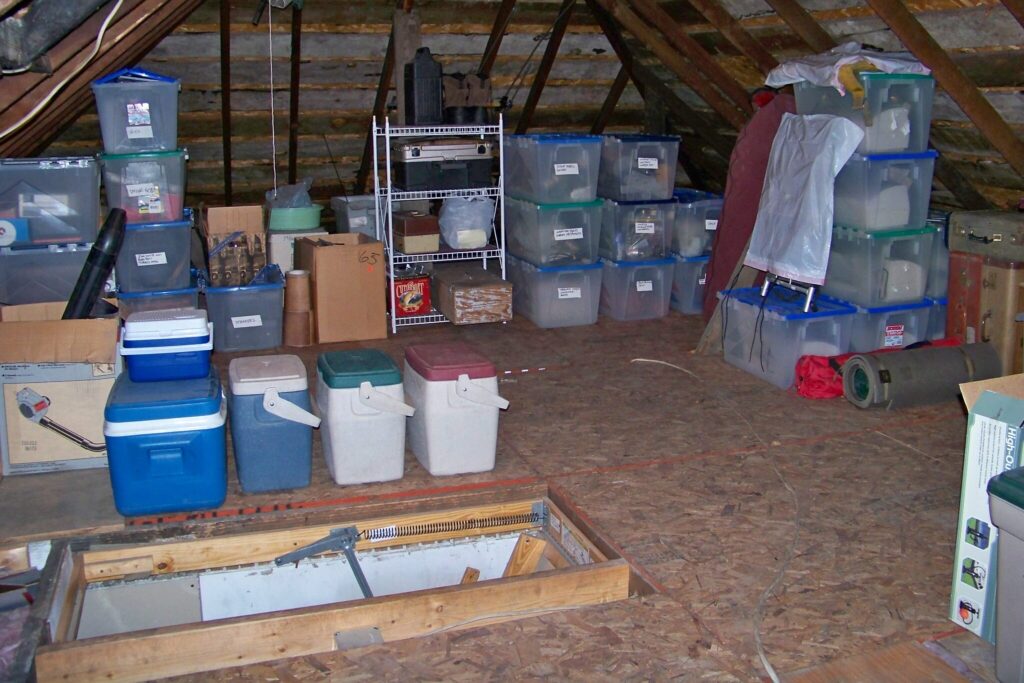
In older homes, attics and basements were often designed to be accessed and used. Basements had full-height ceilings and solid stairs, not ladders. Attics were framed to allow storage, drying laundry, or future expansion. These spaces were considered part of the house’s long-term function.
Many newer homes minimize these areas or make them difficult to reach. That limits storage and future adaptability. Accessible utility spaces also make maintenance easier over time. Older homes planned for change, even if they didn’t call it that.
12. Staircases Built as Architectural Features
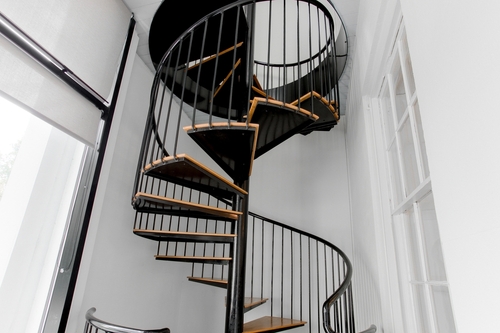
Older homes treated staircases as permanent, visible parts of the house. They were often wide, gently sloped, and finished with solid wood railings and balusters. The stairs felt sturdy underfoot and were designed to be used for generations. In many cases, they served as a visual focal point rather than something to hide.
In newer homes, staircases are often minimized to save space and materials. Narrow treads, steep rises, and basic railings are common compromises. These designs meet code but lack comfort and character. Older homes understood that stairs are used every day and should feel safe and substantial.
13. Kitchens Designed for Work, Not Just Looks
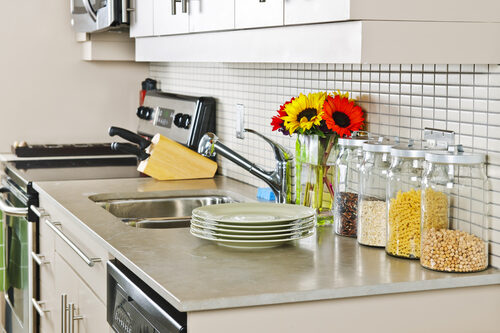
Older kitchens were laid out with efficiency in mind. Work zones were compact, with sinks, stoves, and counters positioned close together. Storage was prioritized over open shelving or oversized islands. The space was designed to function well even with multiple people cooking.
Modern kitchens often emphasize visual impact over practicality. Large islands can interrupt workflow, and open layouts expose clutter. Storage may be sacrificed for style-driven choices. Older kitchens focused on usability first, which still matters in daily life.
14. Real Hardwood Floors That Can Be Refinished

Many older homes feature solid hardwood floors throughout. These floors were thick enough to be sanded and refinished multiple times. Scratches and wear were expected and could be repaired. Over time, the floors developed character instead of needing replacement.
New homes frequently use engineered wood or laminate flooring. These materials are cost-effective but have limited lifespans. Once damaged, they often must be replaced entirely. Older flooring choices favored longevity over convenience.
15. Rooflines Designed for Function
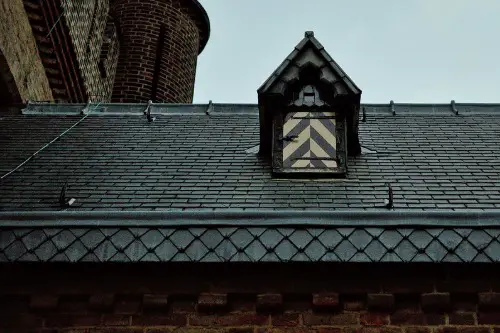
Older homes often had steep roof pitches and generous overhangs. These designs helped shed rain and snow while protecting siding and windows. Overhangs also provided shade, reducing heat gain in warmer months. The roof shape was closely tied to climate needs.
Many modern homes use simplified rooflines to reduce construction costs. Minimal overhangs can lead to faster exterior wear. Flat or shallow roofs may struggle in certain climates. Older designs show how form once followed environmental function.
16. Closet Systems That Were Modest but Efficient
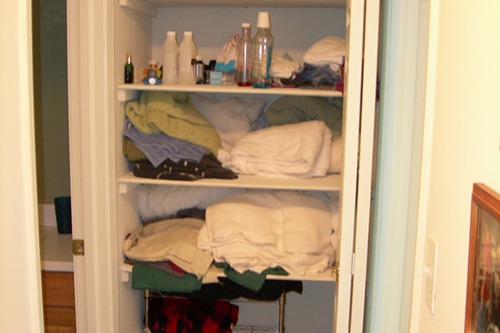
Older homes didn’t rely on massive walk-in closets. Instead, they used smaller closets thoughtfully placed near bedrooms and entries. Storage was supplemented with wardrobes, dressers, and built-ins. This encouraged more intentional use of space.
New homes often allocate significant square footage to closets. While convenient, this can reduce usable living space elsewhere. Large closets can also encourage excess accumulation. Older homes balanced storage with overall layout efficiency.
17. Materials Chosen for Repairability
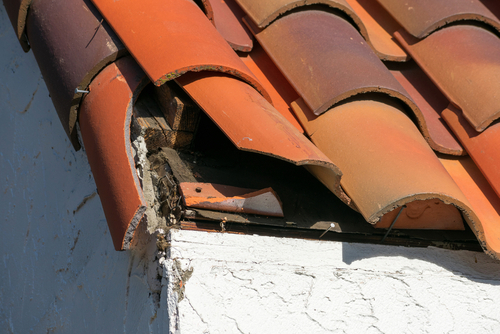
Older homes were built with the expectation that parts would be repaired, not replaced. Wood, plaster, brick, and metal could be fixed by skilled tradespeople. Damage didn’t automatically mean demolition. This extended the life of the house.
Modern construction often uses composite materials that are difficult to repair. When something fails, replacement is usually the only option. This can increase long-term costs and waste. Older homes planned for maintenance as part of ownership.
18. Exterior Details That Served a Purpose
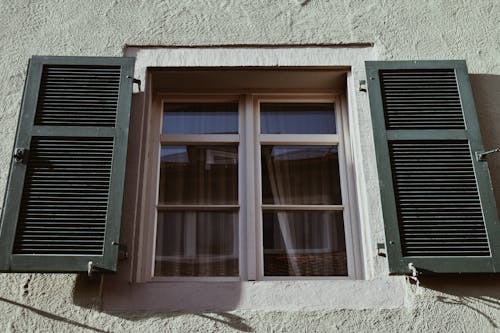
Elements like shutters, awnings, and dormers were common in older homes. These features weren’t just decorative but functional. Shutters could block sun, and awnings provided shade. Dormers added usable attic space and ventilation.
Today, similar features are often purely ornamental. They may be fixed in place or nonfunctional. This removes their practical benefits while keeping the visual reference. Older homes blended aesthetics with utility more consistently.
19. Laundry Areas Designed Around the Task
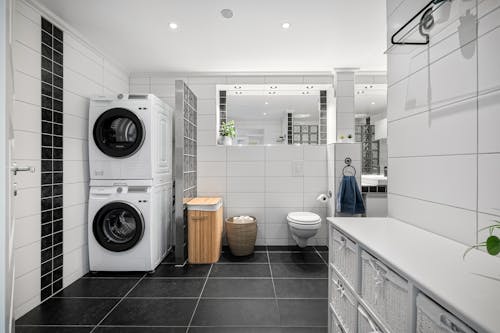
Laundry spaces in older homes were often placed near kitchens, basements, or utility areas. These locations made sense for plumbing and workflow. The rooms were practical rather than hidden. Drying racks and utility sinks were common.
Newer homes sometimes tuck laundry into closets or hallways. While convenient, these spaces can feel cramped and noisy. Ventilation may also be limited. Older layouts treated laundry as real work that deserved proper space.
20. Neighborhood-Oriented House Placement
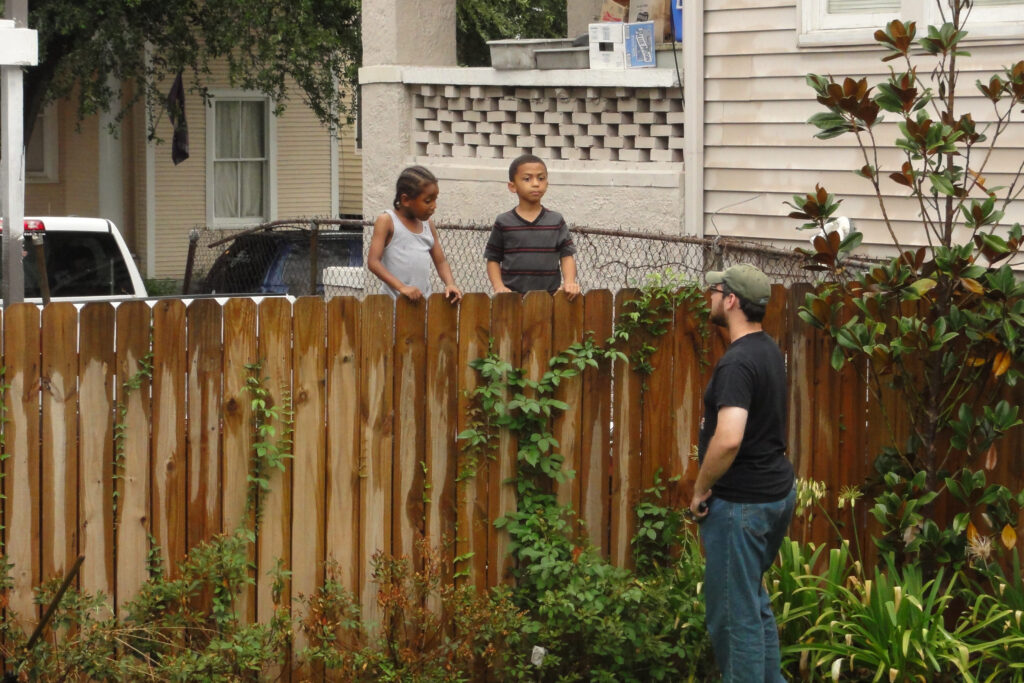
Older homes were often positioned closer to the street. This created stronger connections between houses and sidewalks. Front doors faced the neighborhood, not just the driveway. The design encouraged walking and casual interaction.
Many new homes prioritize garages and driveways instead. Front doors can feel secondary or recessed. This shifts focus away from shared outdoor spaces. Older placement reinforced a sense of community through design.
21. Flexibility Built Into the Structure
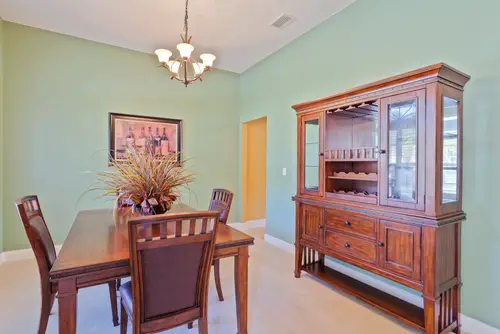
Older homes were often designed to evolve over time. Attics could become bedrooms, and dining rooms could change functions. Load-bearing walls were clearly defined, making renovations predictable. The house wasn’t locked into one lifestyle.
Some modern homes are highly optimized for a specific layout. Structural changes can be costly or impractical later. This limits adaptability as needs change. Older homes quietly planned for an unknown future.
This post Things Older Homes Got Right That New Ones Forgot was first published on Greenhouse Black.
