
1. Reading a Paper Map
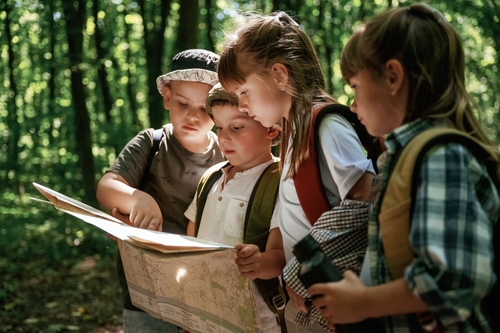
For years, GPS quietly made map reading feel quaint and unnecessary. Turn-by-turn directions trained us to follow instructions instead of understanding geography. When phones died, signals dropped, or apps rerouted people into lakes, confidence evaporated fast. Suddenly, knowing how to orient a map and locate yourself mattered again.
This skill belongs here because navigation failures are common in storms, rural areas, and disasters. Paper maps never lose battery life or depend on satellites. They also provide big-picture awareness that a blue dot can’t. Understanding terrain helps people make safer decisions than an algorithm guessing traffic.
2. Cooking Without a Recipe
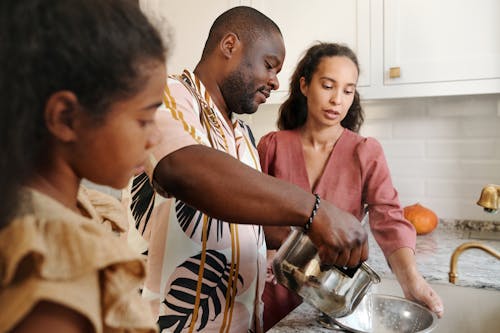
Modern food culture taught us to outsource cooking to apps, boxes, and delivery services. Many people learned to follow steps without learning why they worked. When ingredients were missing or substitutions were needed, progress stalled. That’s when basic cooking intuition became essential again.
This makes the list because food disruptions happen more often than we admit. Knowing how to combine staples, control heat, and adjust seasoning prevents waste. It also keeps people fed when grocery options are limited. Recipe-free cooking is resilience, not gourmet ambition.
3. Basic First Aid
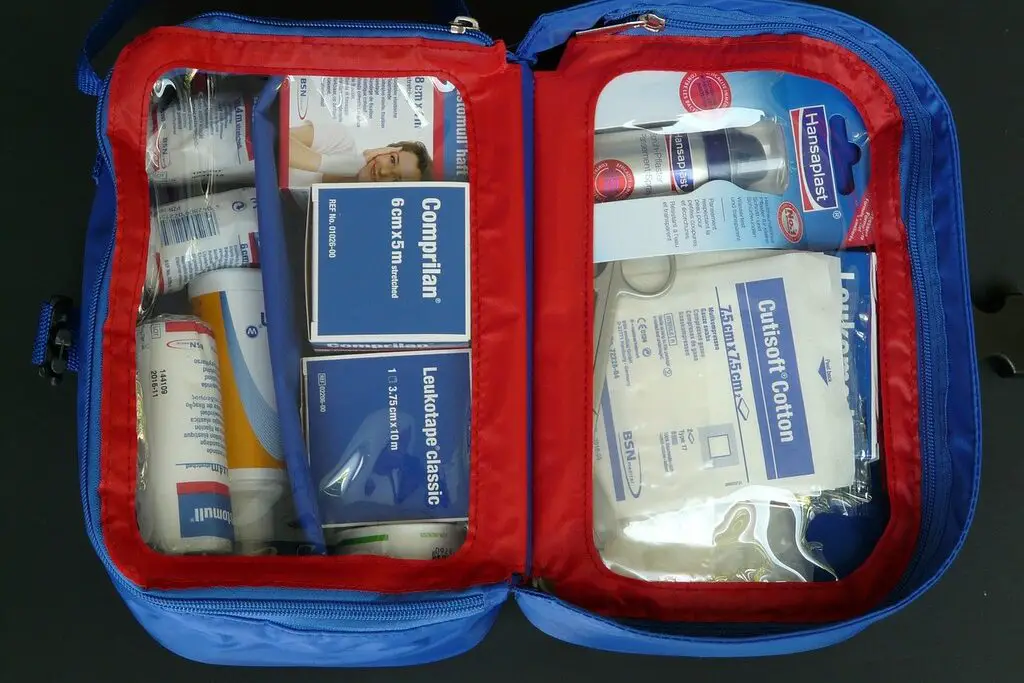
Medical help usually feels close and guaranteed. Response times stretch quickly during disasters, crowded events, or rural emergencies. Minor injuries worsen when no one knows what to do first. That delay is where first aid skills matter most.
This skill earns inclusion because early care changes outcomes. Knowing how to stop bleeding, treat burns, or stabilize injuries saves lives. These are standardized techniques, not guesswork. Modern convenience reduced exposure to them, but emergencies never went away.
4. Writing Things Down by Hand
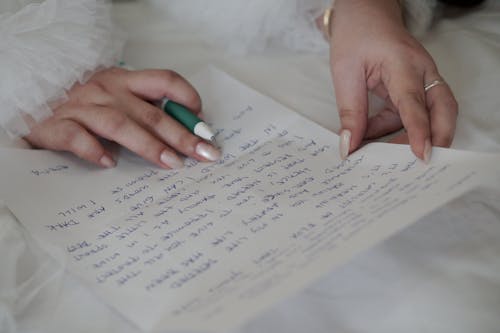
Digital notes promised perfect memory and instant access. Then batteries died, files corrupted, or logins failed at the wrong time. Important information disappeared when it was needed most. Handwritten notes quietly proved more durable.
This belongs here because physical records remain reliable under stress. Writing by hand also improves retention and understanding. In emergencies, clear written instructions reduce confusion. Paper still works when screens fail or overwhelm.
5. Managing Cash
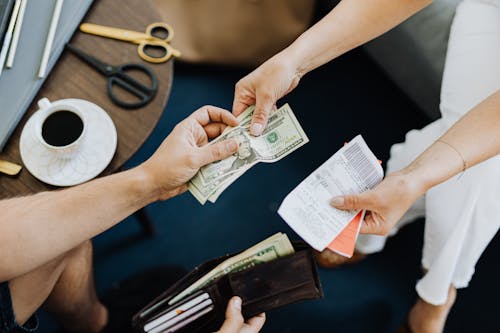
Cashless payments made physical money feel slow and unnecessary. Many people stopped carrying bills entirely. Then payment systems went down or networks failed. Cash suddenly became the only working option.
This skill matters because financial redundancy is practical. Cash works without electricity, software, or permission. It’s accepted during outages, disasters, and system failures. Knowing how to budget and transact in cash prevents panic.
6. Basic Home Repairs
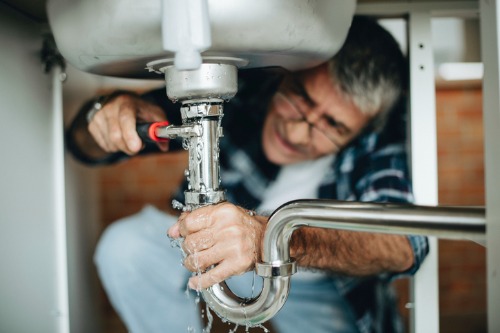
Modern living taught us to call a professional for everything. Even small problems felt off-limits without specialized tools. When services were unavailable or unaffordable, minor issues escalated. Simple repairs became urgent again.
This earns its place because small fixes prevent big damage. Knowing how to stop a leak or reset a breaker saves money. It also buys time during emergencies. Self-sufficiency here isn’t about perfection, just prevention.
7. Growing Some of Your Own Food

Global supply chains made food feel endlessly available. Seasonal knowledge faded as shelves stayed full year-round. When shortages hit, people realized how fragile that system was. Gardening knowledge suddenly felt relevant again.
This skill belongs here because even small-scale growing increases security. Herbs, greens, and basics reduce dependence on stores. Gardening also teaches timing, patience, and resource awareness. It reconnects people to food reality instead of abstraction.
8. Navigating Without Constant Instructions
We grew used to step-by-step guidance for everything. Apps told us where to go, what to do, and when to turn. Without them, many people felt lost immediately. Situational awareness had quietly atrophied.
This matters because independent navigation builds confidence. Understanding landmarks, directions, and spatial cues reduces reliance on tech. It’s especially critical during evacuations or travel disruptions. Being able to think ahead beats waiting for prompts.
9. Talking to Strangers in Real Life

Digital communication reduced the need for face-to-face interaction. Many everyday conversations were replaced with forms and screens. When systems failed, human interaction became unavoidable. Some people realized how rusty they’d become.
This skill earns inclusion because cooperation solves real problems. Asking for help, giving information, and coordinating quickly matter in crises. Clear communication prevents misunderstandings and delays. Human networks still outperform apps when things break.
10. Remembering Phone Numbers and Addresses
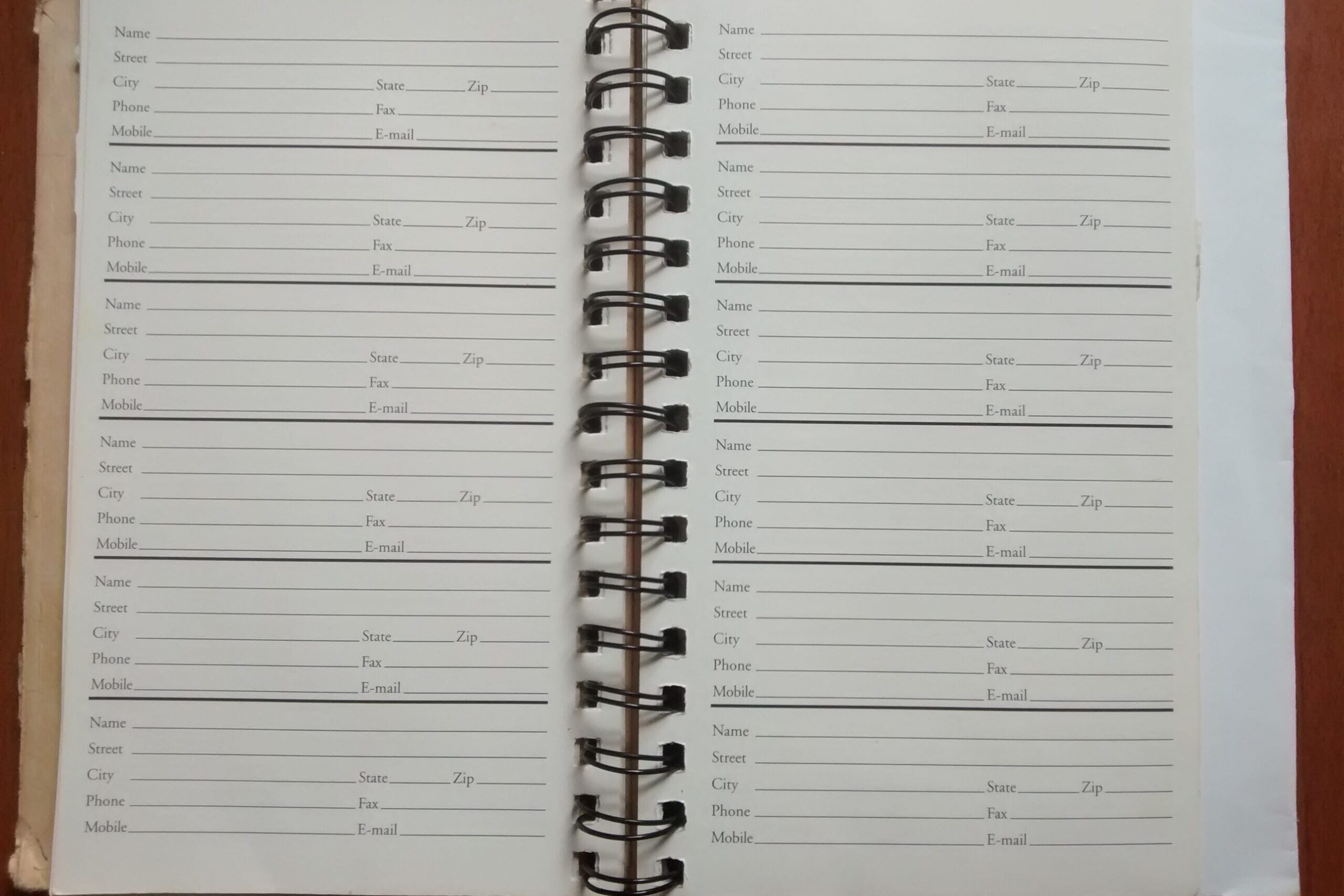
Contacts apps made memorization feel pointless. Few people could recall even close family numbers. When phones were lost or dead, that dependence backfired. Important connections vanished temporarily.
This belongs on the list because memory is portable. Knowing key numbers and addresses enables help-seeking anywhere. It also speeds up emergency response. Some information is too critical to outsource entirely.
11. Repairing and Reusing Instead of Replacing
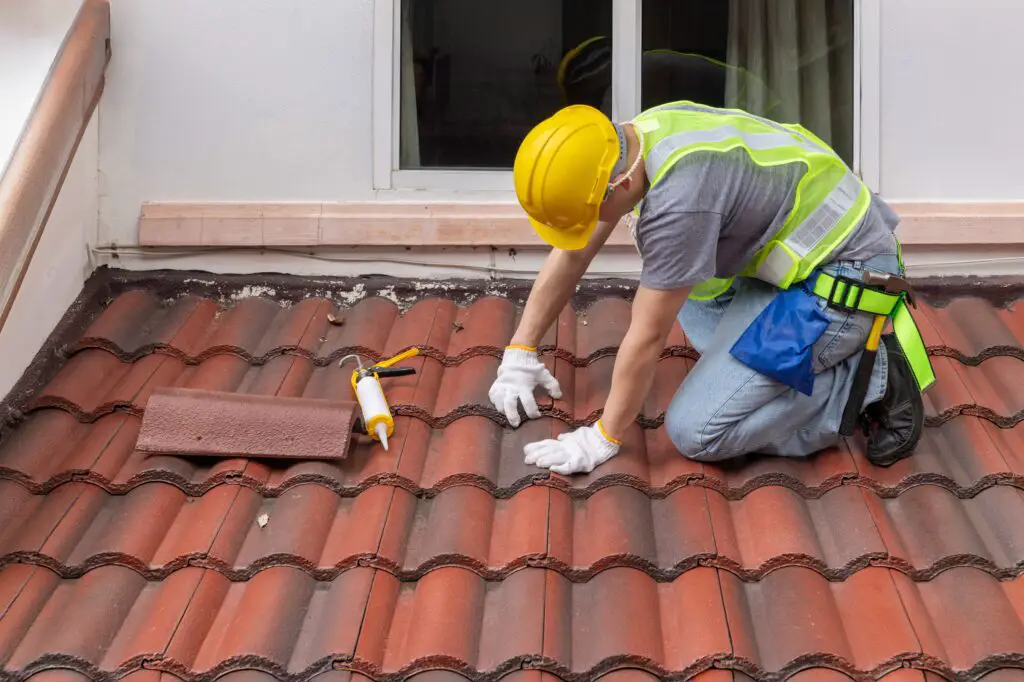
Cheap replacements made repair seem inefficient. Many items were designed to be disposable. When replacements weren’t available, broken things piled up. Repair skills suddenly mattered again.
This earns its place because repair extends resources. Fixing clothing, tools, or appliances reduces waste and cost. It also builds problem-solving skills. Repair culture is sustainability with practical benefits.
12. Staying Calm Without Distraction

Constant entertainment trained us to avoid boredom or discomfort. Silence and waiting felt intolerable. During outages or emergencies, distraction disappeared. Emotional regulation became a real skill again.
This belongs here because panic worsens situations. Staying calm helps people think clearly and act effectively. It also reassures others and stabilizes groups. Resilience isn’t just physical, it’s psychological too.
This post The Skills Modern Living Made Optional — Until They Weren’t was first published on Greenhouse Black.
