
1. Flint, Michigan
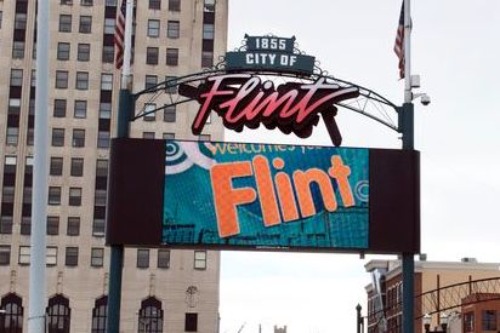
Flint’s name is still closely tied to its water crisis, even years later. The crisis became a national lesson in governance and accountability failures. Although water quality has improved, trust has not fully recovered. Many Americans still associate the city with betrayal and neglect.
Population decline and economic challenges reinforce that perception. Flint has worked to rebuild services and infrastructure, but the shadow remains long. From the outside, progress often goes unnoticed compared to past harm. That imbalance keeps confidence fragile.
2. Los Angeles, California
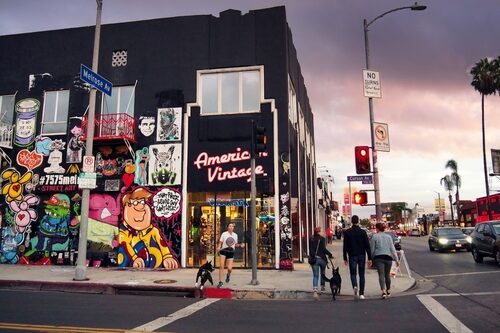
Los Angeles is still a magnet for culture and creativity, but confidence has been eroding around everyday quality of life. Traffic congestion, long commutes, and sprawl are often cited as getting worse rather than better. Homelessness is highly visible across many neighborhoods, shaping how people perceive the city’s stability. For outsiders, it can feel like LA struggles to manage its scale.
Housing affordability also looms large in how Americans talk about Los Angeles. Home prices and rents have far outpaced wage growth for years. Wildfire smoke and drought concerns add another layer of unease about long-term livability. Together, these issues make people wonder whether the city can realistically meet future challenges.
3. Portland, Oregon
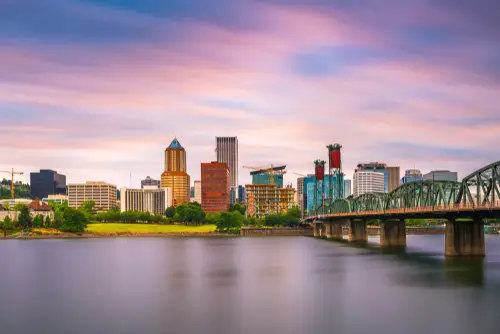
Portland’s reputation took a hit during years of political unrest and pandemic disruption. Images of protests and boarded-up downtown blocks linger in the public memory. Even as daily life has normalized, many Americans still associate the city with instability. That perception has proven slow to fade.
Concerns about homelessness and open drug use also shape declining confidence. Local leaders have acknowledged difficulties delivering visible improvements quickly. Downtown office vacancies remain high compared to pre-2020 levels. For people watching from elsewhere, Portland feels stuck between its old promise and an uncertain reset.
4. Seattle, Washington
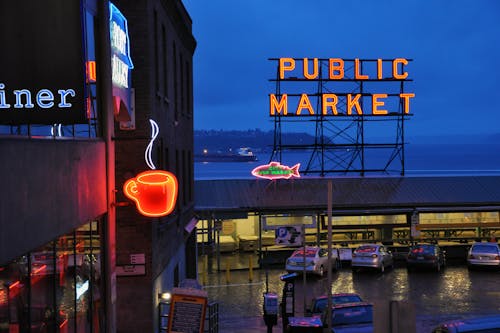
Seattle remains economically strong, but confidence has softened as its growing pains become more visible. Rising housing costs have made the city feel increasingly inaccessible to newcomers. Tech layoffs in recent years punctured the idea of endless growth and stability. That shift changed how Americans talk about Seattle’s future.
Public safety concerns downtown have also influenced perceptions. Office vacancies and reduced retail activity contribute to a sense of emptiness in the urban core. Residents often describe a city still figuring out its post-pandemic identity. From a distance, that uncertainty reads as fragility.
5. Chicago, Illinois
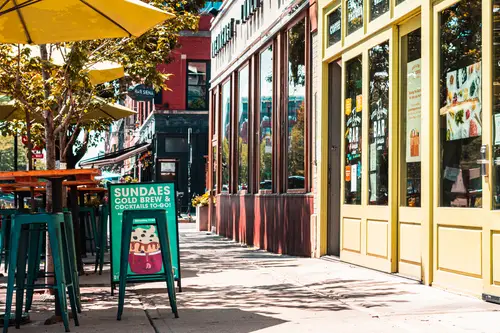
Chicago’s struggles are often framed around crime, whether fairly or not. High-profile incidents dominate national news coverage and shape public opinion. Even though crime varies widely by neighborhood, the city’s overall image has taken a hit. Many Americans quietly question whether things are improving fast enough.
Fiscal challenges also weigh on confidence in Chicago. Pension obligations and budget pressures are frequently cited by analysts and officials. Population decline over the past decade reinforces the idea of a city losing momentum. For outsiders, it can feel like Chicago is constantly fighting uphill.
6. New York City, New York
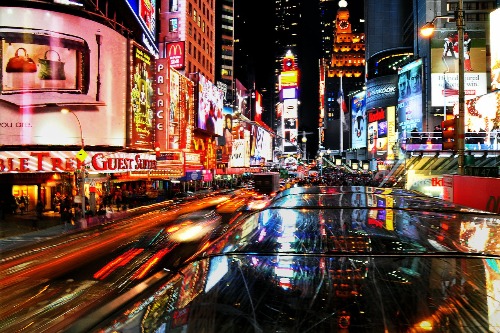
New York is still New York, but the aura of invincibility has dimmed slightly. The pandemic disrupted core assumptions about density, transit, and office life. Remote work reduced daily foot traffic in Manhattan, changing the city’s rhythm. That shift sparked doubts about how fully it can bounce back.
Affordability remains a persistent concern that affects confidence nationwide. Rents have surged again, even as many services feel strained. Subway safety and reliability are frequent talking points among residents and visitors. Americans watching from afar sense a city under pressure, not collapse.
7. New Orleans, Louisiana
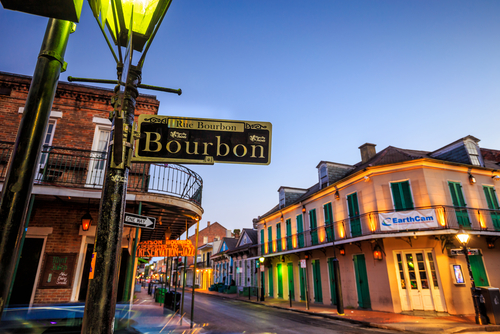
New Orleans inspires deep affection, which makes declining confidence feel especially sad. Infrastructure problems, including frequent power outages and flooding, are hard to ignore. Hurricane recovery has stretched into years, testing public patience. Each storm season revives questions about long-term resilience.
The city also struggles with population loss and public safety concerns. Staffing shortages in essential services have been widely reported. While the culture remains vibrant, people worry about whether the systems supporting it are strong enough. That gap fuels quiet doubt rather than loud criticism.
8. Jackson, Mississippi
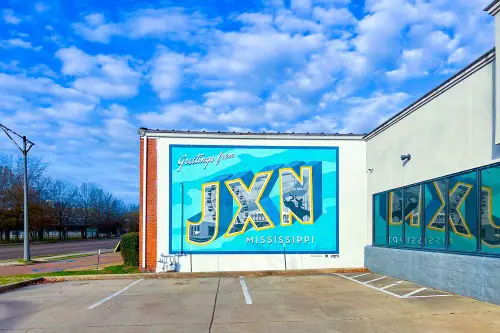
Jackson has become a symbol of infrastructure failure for many Americans. Repeated water system breakdowns made national headlines and shook public trust. Residents have faced boil-water notices and service interruptions for years. Those problems left a lasting impression well beyond the city.
Confidence also suffers because solutions have been slow and politically complicated. Federal and state involvement has helped, but progress feels incremental. For outsiders, Jackson represents what happens when basic systems are neglected too long. That reputation is hard to reverse quickly.
9. San Francisco, California
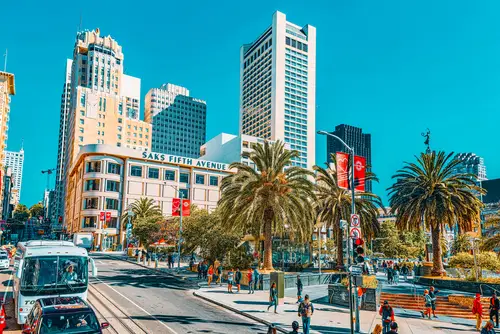
For years, San Francisco symbolized innovation and opportunity, but lately many Americans sound less sure about it. High-profile store closures downtown have fed the sense that the city core is struggling to recover from remote work and reduced foot traffic. Public concerns about visible homelessness and property crime come up again and again in national conversations. Even longtime supporters admit the city feels like it’s in a prolonged transition.
The cost of living remains a major confidence killer for people watching from afar. Housing prices and rents are still among the highest in the country, even after recent dips. That makes it hard for middle-income workers to imagine building a stable life there. When optimism depends on a tech rebound that hasn’t fully arrived, skepticism grows quietly.
10. Baltimore, Maryland
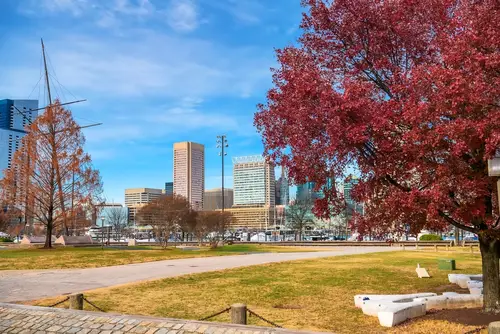
Baltimore’s image is shaped heavily by concerns about crime and inequality. National media coverage often focuses on worst-case stories. Even as neighborhoods vary widely, the city is painted with a broad brush. That narrative has been difficult to change.
Longstanding issues with public schools and governance also affect confidence. Federal investigations and local scandals have left scars on public trust. Population loss over decades feeds the sense of decline. For many Americans, Baltimore feels like a city still searching for stability.
11. Oakland, California
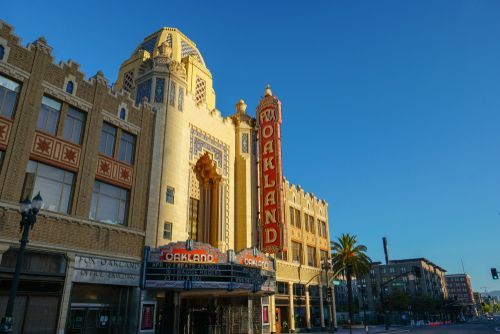
Oakland’s struggles are often discussed alongside San Francisco’s, but with fewer resources. Rising crime rates in recent years have been a major concern for residents. Retail closures and reduced nightlife have changed the city’s feel. Those shifts influence how outsiders judge its trajectory.
Housing costs remain high even as services feel strained. Businesses cite theft and safety issues as reasons for leaving certain areas. The city’s cultural strength is undeniable, but confidence depends on visible improvement. Right now, many people see more questions than answers.
12. Miami, Florida
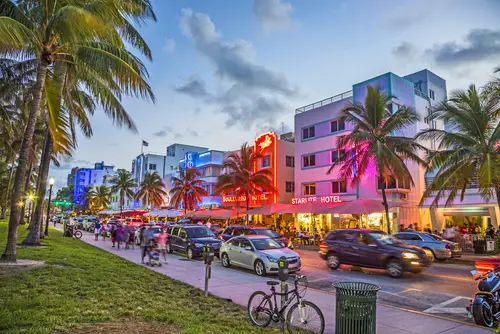
Miami’s boom has also created new doubts. Skyrocketing housing costs have outpaced local wages. Insurance premiums tied to hurricanes and flooding have surged for homeowners. These pressures make the city feel riskier than it once did.
Climate concerns play a growing role in confidence loss. Sea-level rise and flooding are no longer abstract future threats there. Infrastructure upgrades are happening, but the scale of the challenge is daunting. For observers, Miami feels exciting yet precarious.
13. Phoenix, Arizona
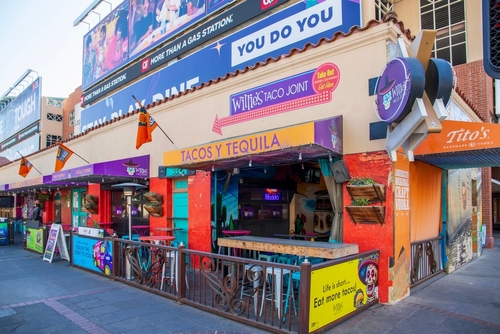
Phoenix has grown rapidly, and that speed is starting to worry people. Extreme heat has become more intense and prolonged in recent summers. Water supply concerns in the Colorado River basin loom over the region. Those environmental factors shape national perceptions.
The city’s infrastructure must keep up with relentless growth. Long-term sustainability questions are harder to dismiss now. While Phoenix still attracts newcomers, confidence hinges on adaptation. Americans watching wonder if growth outpaced planning.
14. Houston, Texas
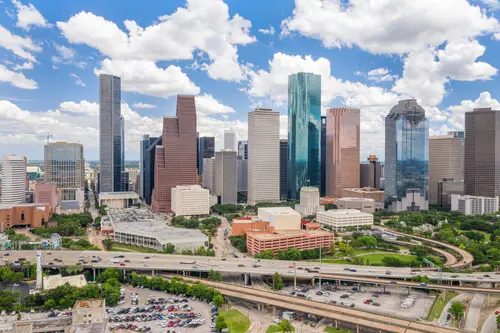
Houston’s economic engine remains strong, but confidence has been shaken by infrastructure failures. Repeated power outages during extreme weather events raised serious questions. Flooding from major storms has highlighted vulnerabilities in drainage and planning. These issues linger in public memory.
The city’s sprawling development adds to those concerns. Evacuation, traffic, and resilience challenges feel unresolved. Even supporters acknowledge the risks of future storms. For outsiders, Houston feels resilient but stretched thin.
This post 14 Places Americans Are Quietly Losing Confidence In was first published on Greenhouse Black.
