
1. Vintage Band and Concert T-Shirts
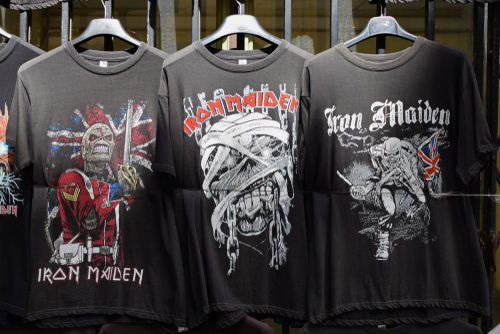
A lot of people clean out drawers and toss old band tees straight into a donation bag. What looks like a faded, cracked shirt can actually be a collectible if it’s from an original tour or early album era. Single-stitch seams, thin cotton, and older tag styles often signal age. Shirts from major tours or defunct venues are especially sought after.
The reason these matter is scarcity, not condition alone. Many were worn hard and thrown away, so surviving examples are limited. Even small details like tour dates on the back can change value dramatically. People often assume “old and worn” means worthless, when collectors often prefer authentic wear.
2. Old Levi’s Jeans
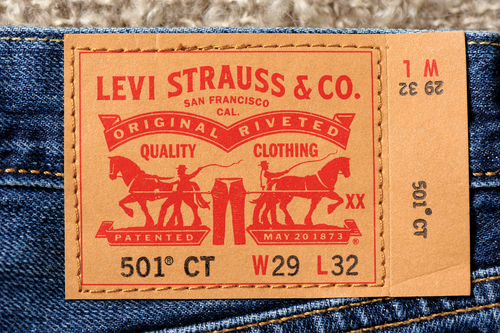
Jeans feel like the safest thing to donate because everyone has too many. But older Levi’s, especially those with a red “Big E” tab or selvedge denim, can be valuable. Details like paper tags, button backs, and where they were made help date them. Some pairs from the mid-20th century sell for far more than people expect.
The reason to check is that vintage denim is no longer manufactured the same way. The looms, fabric weight, and dye methods changed over time. Even ripped or stained jeans can be desirable if they’re from the right era. Donating them without looking is one of the most common regret stories.
3. Vintage Pyrex and CorningWare
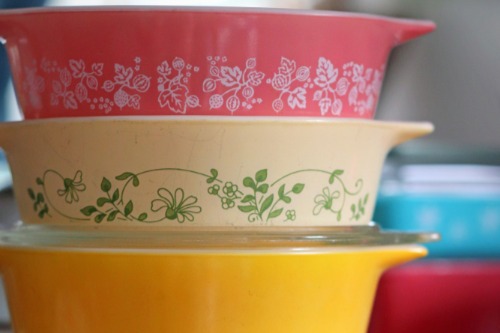
Old kitchenware often gets purged during downsizing or remodels. Certain Pyrex patterns and early CorningWare designs are highly collectible today. Colorful mid-century patterns, especially discontinued ones, are the most searched for. Clear or modern pieces usually aren’t valuable, which adds to the confusion.
The value comes from nostalgia and durability. Many older pieces were made in the U.S. and withstand decades of use. Pattern names and production marks on the bottom are key identifiers. People often assume “used dishes” have no resale value, then regret not checking.
4. Mid-Century Table Lamps
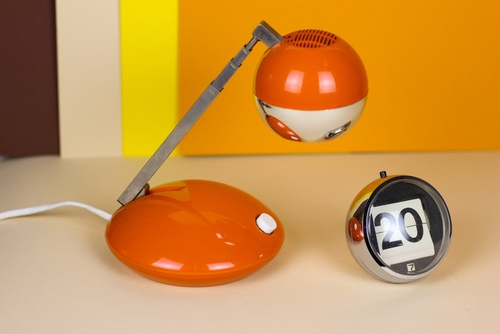
Lamps get donated all the time because they feel bulky and outdated. Mid-century modern lamps, especially those with ceramic, teak, or brass bases, can be worth checking. Original shades, manufacturer labels, and unique silhouettes matter. Even unattributed lamps can have value if the design is right.
The reason these get overlooked is style drift. What once looked old-fashioned is now back in demand. Many people replace lighting quickly without thinking twice. A quick search by shape or material can prevent a very expensive donation.
5. Costume Jewelry with Designer Signatures
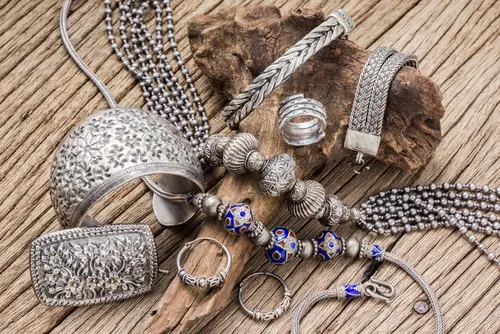
Costume jewelry is often donated in bulk because it isn’t solid gold or silver. Pieces signed by designers like Trifari, Coro, or Napier can still carry value. Hallmarks are usually tiny and easy to miss. Necklaces, brooches, and earrings from certain decades are especially collectible.
The key reason is craftsmanship and brand history. These companies used quality materials and distinctive designs. Collectors care about condition, but signatures matter most. People often assume “not real jewelry” means “not worth anything.”
6. First-Edition or Early-Printing Books
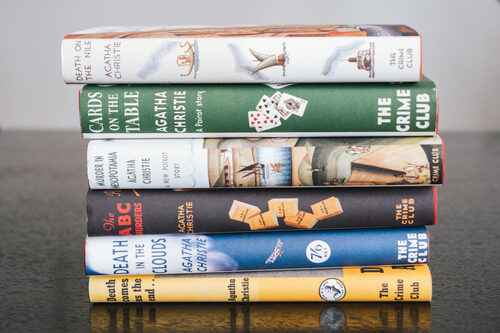
Books are heavy, so donating them feels practical. Some first editions or early printings, especially with intact dust jackets, can be valuable. This applies to classic literature, popular fiction, and even children’s books. The copyright page usually holds the clues.
The reason to pause is that book values depend on small details. A missing jacket can change value dramatically, but presence alone can make a difference. People often donate books thinking libraries and thrift stores are flooded with them anyway. That’s true for most, but not all.
7. Vinyl Records
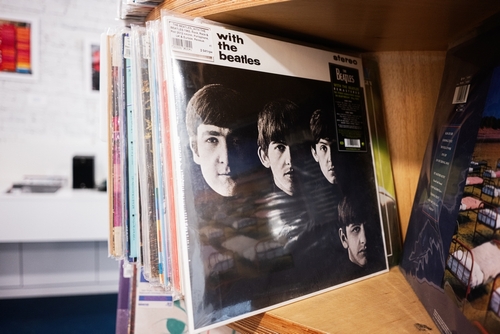
Records often get donated during a switch to digital music. Early pressings, certain genres, and well-preserved albums can be collectible. Labels, catalog numbers, and country of pressing matter more than the artist alone. Condition is important, but rarity can outweigh minor wear.
The reason this is tricky is that most records are common. A few valuable ones mixed into a stack make the whole box worth checking. People assume all vinyl is either priceless or worthless, with no middle ground. That assumption leads to a lot of regret.
8. Retro Video Games and Consoles
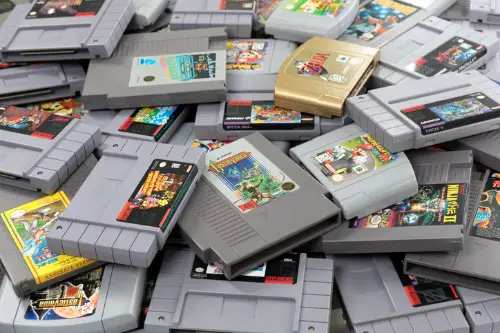
Old video games feel obsolete, so they’re easy donation targets. Early Nintendo, Sega, and handheld systems often retain value, especially with original packaging. Certain cartridges, versions, or limited releases are especially collectible. Even broken systems can be worth something for parts.
The reason to look closer is nostalgia-driven demand. Many people want to rebuy the games they had as kids. Completeness matters more than people realize, including manuals and boxes. Donating them without checking is extremely common.
9. Film Cameras and Lenses

Film cameras are often donated when someone upgrades or stops using photography gear. Certain brands and lenses remain highly desirable, even decades later. Mechanical cameras and prime lenses often age better than early digital ones. Model numbers and lens mounts make all the difference.
The value comes from build quality and optical performance. Some older lenses outperform modern ones in specific ways. People assume “old tech” equals “dead tech,” which isn’t true here. A quick model check can save a costly mistake.
10. Discontinued China and Dinnerware Sets

Plates and bowls feel replaceable, so partial sets get donated easily. Discontinued patterns can be surprisingly valuable to people trying to complete a set. Even single plates or cups can sell individually. Maker marks and pattern names are usually on the underside.
The reason is replacement demand, not display value. People break pieces over time and look for exact matches. Donating extras without checking can mean giving away something someone actively needs. Thrift stores are full of these because donors underestimate that demand.
11. Older Board Games with Complete Pieces

Board games often get donated once families outgrow them. Older editions, especially if complete, can be collectible. Boxes, artwork, and original components matter more than age alone. Games with licensed themes or unusual mechanics are often searched for.
The reason is that many games were lost or damaged over time. A complete set is much rarer than people assume. Donors often think “used game” means low value. Completeness quietly changes that math.
12. Vintage Advertising Items
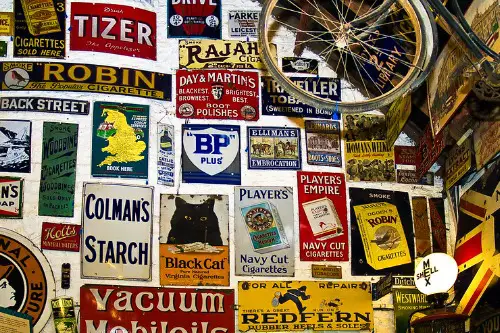
Old signs, tins, and branded giveaways often get tossed during cleanouts. Advertising ephemera from defunct brands or regional businesses can be collectible. Condition matters, but originality matters more. Items made of metal or heavy cardstock tend to survive best.
The reason these are valuable is historical interest. They capture design, language, and culture of a specific era. People often see them as clutter rather than artifacts. That mindset leads to many donated regrets.
13. Military Uniforms, Medals, and Paperwork
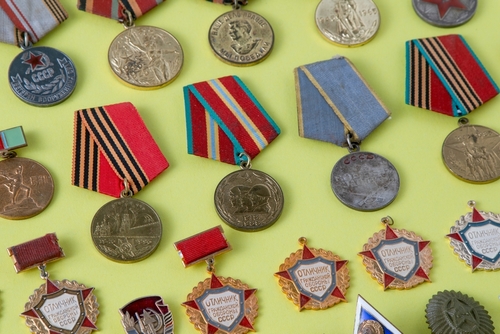
Families often donate military items without researching them. Certain medals, uniforms, and documented groupings can be collectible. Provenance and completeness matter more than shine. Some items are common, but others are historically significant.
The reason to check is respect as much as value. These items can tell a specific story tied to real events. Donors may not realize collectors and museums actively seek them. A quick review helps ensure they go to the right place.
14. Older or Limited-Edition Sneakers
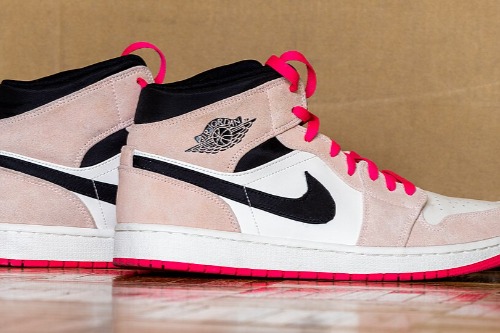
Shoes feel worn-out by definition, so they’re easy to donate. Certain sneaker releases, collaborations, or early production runs are collectible. Box, tags, and model codes can affect value significantly. Even lightly worn pairs can be desirable.
The reason this happens is generational blind spots. What looks like “old shoes” to one person is a grail item to another. Sneaker culture is detail-driven and fast-moving. Donating without checking often leads to instant regret.
This post Stuff People Donated That They Wish They’d Checked First was first published on Greenhouse Black.
