
13. New York City, New York
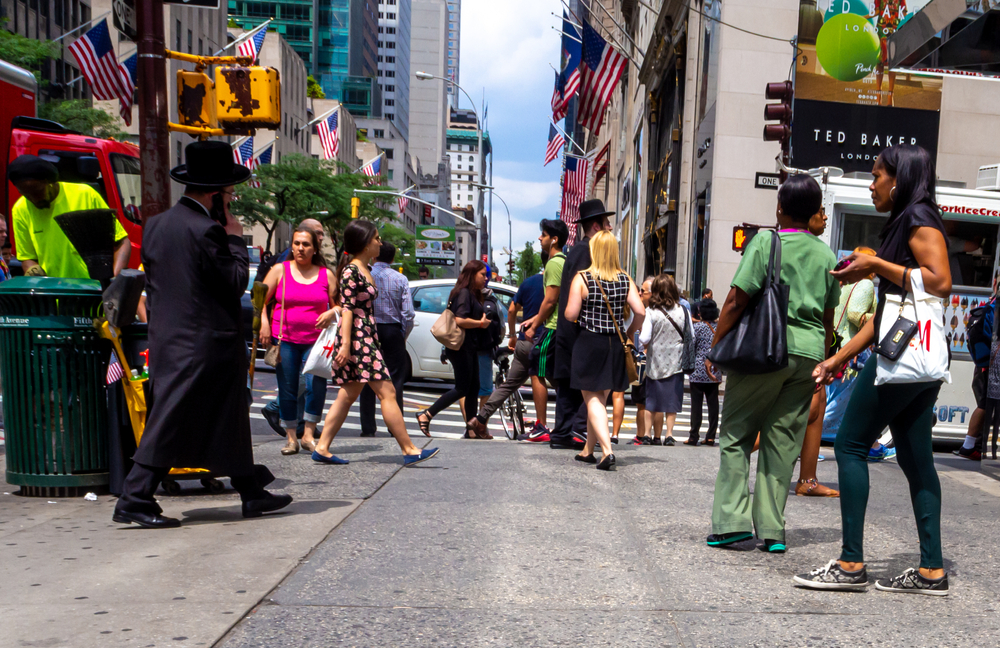
New York City is technically parkable for RVs, but practically challenging. Overnight parking is legal in some areas, but alternate-side parking rules, size limits, and local restrictions complicate everything. Missing a single sign can mean a ticket or tow. Enforcement is routine and unforgiving.
Certain boroughs are more RV-friendly than others, but that can change street by street. Industrial zones may seem safe but often have hidden restrictions. Noise, attention, and tight streets add to the stress. In New York City, RV parking feels like navigating a legal obstacle course.
2. Los Angeles, California
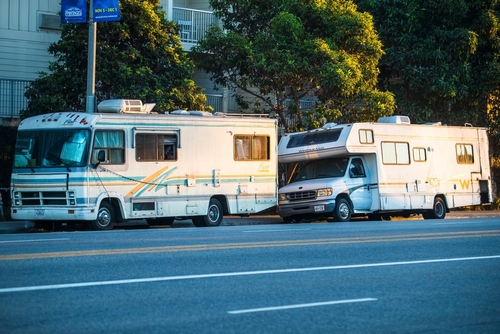
Los Angeles looks RV-friendly on a map, but the reality is much more complicated. The city enforces overnight parking bans for oversized vehicles in many residential areas, with restrictions often running from 2 a.m. to 6 a.m. These rules vary block by block, making it hard to know where you’re truly allowed. Tickets and citations are common, especially in coastal and high-traffic neighborhoods.
Recent years have brought more targeted enforcement tied to complaints and local council districts. Streets near beaches, schools, and parks are especially risky for RV parking. What feels like an empty, harmless curb can suddenly be a no-parking zone after dark. In L.A., RV parking often comes down to local politics as much as posted signs.
3. San Diego, California
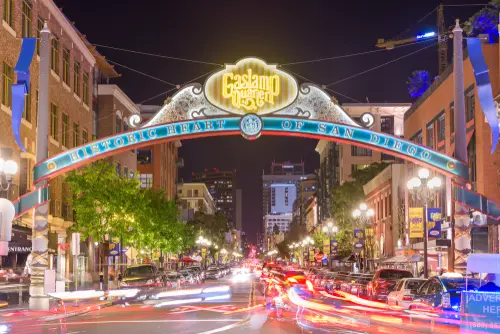
San Diego has tightened RV parking rules, particularly near the coast and in residential neighborhoods. The city enforces time limits and oversized vehicle restrictions that frequently apply overnight. Areas near beaches like Pacific Beach and Ocean Beach are especially sensitive. Enforcement tends to increase during tourist season, catching travelers by surprise.
The city has also experimented with designated safe parking programs, but access is limited and often restricted to local residents. That leaves visitors scrambling for legal options. Industrial zones that once felt safe are now more closely monitored. Parking an RV in San Diego increasingly feels like rolling the dice.
4. Santa Barbara, California
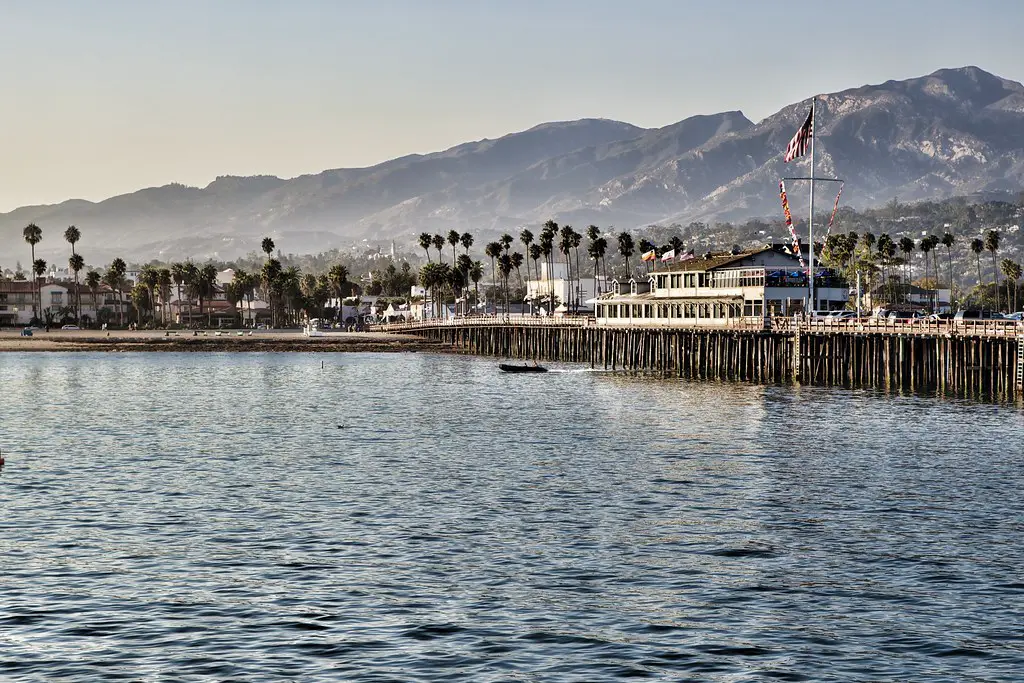
Santa Barbara is beautiful, but it is not welcoming to overnight RV parking. The city enforces strict bans on oversized vehicles during nighttime hours across many neighborhoods. Coastal areas and streets near downtown are particularly off-limits. Tickets and wake-up knocks are common experiences for RV travelers here.
Local ordinances are designed to discourage vehicle dwelling, not accommodate travelers. Even daytime parking can be limited by length and vehicle size. Many RVers assume a laid-back beach town will be flexible, and that assumption often proves expensive. In Santa Barbara, enforcement is consistent and intentional.
5. Santa Cruz, California
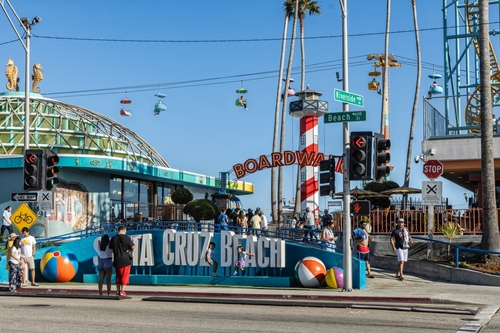
Santa Cruz has become increasingly difficult for RV parking due to local ordinances targeting oversized vehicles. Overnight parking restrictions apply on many city streets, often with clearly posted but easy-to-miss signage. The city actively enforces these rules, especially near the coast and residential zones. What looks like a quiet surf-town street can be a violation after dark.
The city’s focus on managing tourism and housing pressures has put RVs under closer scrutiny. Industrial and commercial areas are no longer reliable backups. Parking enforcement patrols are regular, not occasional. For RVers, Santa Cruz has shifted from risky to routinely unforgiving.
6. Seattle, Washington
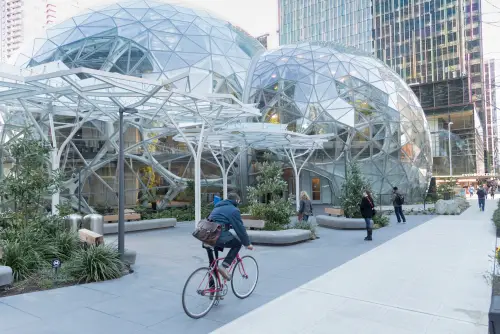
Seattle’s RV parking situation changes frequently, which is part of the problem. The city uses restricted parking zones, time limits, and no-overnight rules that vary by neighborhood. Enforcement often responds to complaints, meaning a spot can be fine one night and targeted the next. RVs are especially noticeable in residential areas.
Seattle has also expanded no-parking zones near parks, schools, and major corridors. Posted signs don’t always tell the full story, as temporary restrictions can appear quickly. Many RVers report tickets despite trying to follow the rules. In Seattle, uncertainty is the biggest risk factor.
7. Portland, Oregon
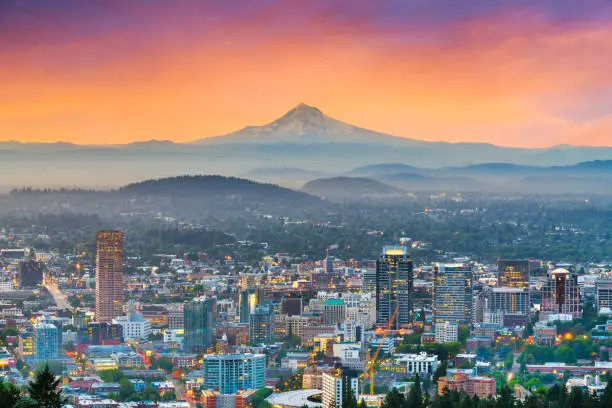
Portland has long been associated with vehicle dwelling, but that reputation is outdated. The city now uses a patchwork of parking limits, enforcement zones, and time restrictions that can be confusing to navigate. Some areas allow short-term parking, while others prohibit overnight stays entirely. Enforcement has become more consistent in recent years.
Designated parking areas exist, but they are limited and often restricted to local programs. Residential neighborhoods are especially sensitive to RVs staying overnight. Industrial areas are no longer a guaranteed safe bet. RV parking in Portland increasingly depends on knowing hyper-local rules.
8. Denver, Colorado
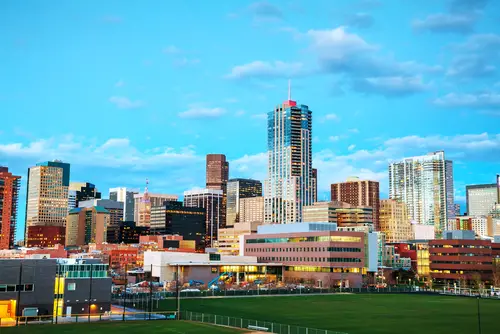
Denver enforces a citywide ban on overnight camping, which includes sleeping in vehicles. While parking an RV during the day may be legal, staying overnight can lead to citations. Enforcement has increased as the city addresses homelessness and public space use. Many RVers are surprised by how strictly the rules are applied.
Areas near downtown, parks, and trailheads are especially risky. Even large retail parking lots are not always safe without explicit permission. The city actively patrols known overnight parking spots. In Denver, legality and practicality rarely line up for RV travelers.
9. Boulder, Colorado
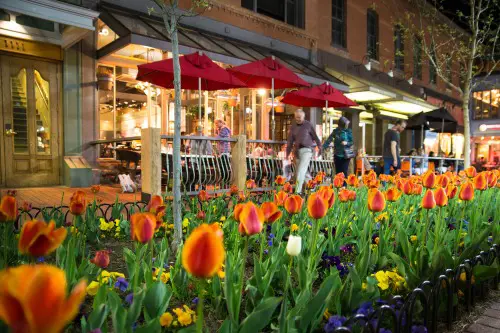
Boulder has some of the most restrictive vehicle dwelling laws in the region. Overnight sleeping in vehicles is prohibited, regardless of where you park. The city enforces these rules consistently, with a focus on residential and commercial areas alike. RVs draw attention quickly in a town this compact.
Parking limits, permit zones, and active patrols leave few gray areas. Visitors often assume outdoor-friendly Boulder will be RV-tolerant, but the opposite is true. Even short overnight stays can result in citations. For RVers, Boulder is a high-risk stop.
10. Moab, Utah
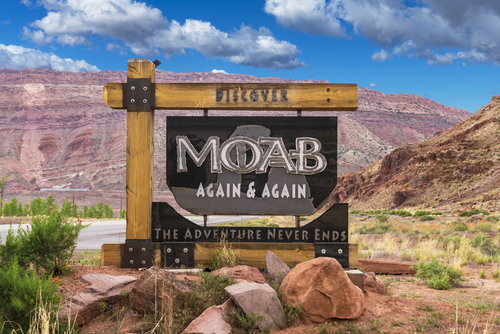
Moab’s popularity has made RV parking increasingly difficult within city limits. Overnight camping and sleeping in vehicles are prohibited on city streets. Enforcement has ramped up as tourism has surged, especially during peak seasons. Many first-time visitors learn this the hard way.
Nearby public lands once offered easy alternatives, but those areas now have stricter rules and limited designated sites. Roads leading out of town are actively monitored. The combination of local bans and crowded public land makes parking unpredictable. In Moab, RV parking requires careful advance planning.
11. Sedona, Arizona
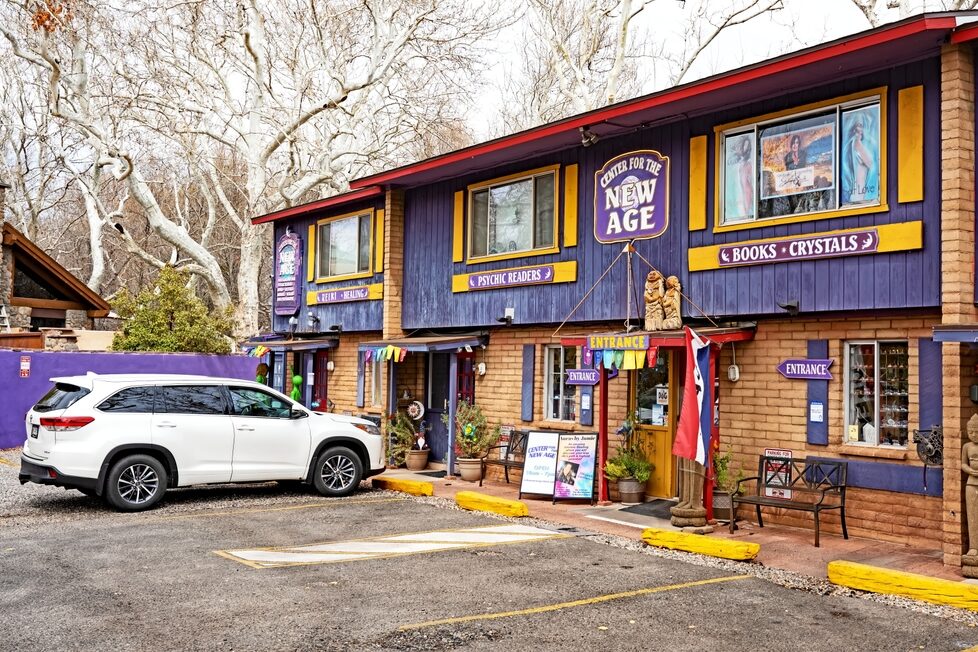
Sedona is another outdoor destination that is surprisingly unfriendly to RV parking. Overnight parking and sleeping in vehicles are prohibited throughout the city. Enforcement is steady, particularly near trailheads and scenic pullouts. RVs are easy to spot in a town focused on aesthetics.
Surrounding areas also have restrictions, including designated no-camping zones on nearby forest roads. What used to be informal overnight spots are now clearly marked and enforced. Visitors often underestimate how seriously Sedona treats these rules. Parking here is less about luck and more about compliance.
12. Key West, Florida
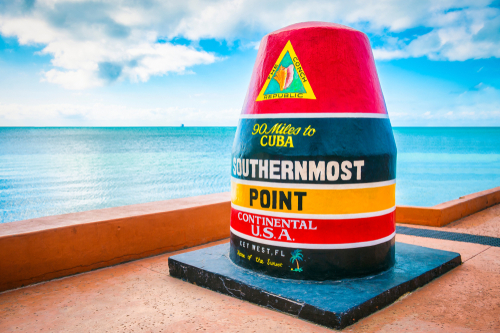
Key West has very limited space and very little tolerance for overnight RV parking. City ordinances restrict oversized vehicles and overnight street parking. Enforcement is active, especially in residential areas and near the waterfront. The island geography leaves few alternatives.
Public parking lots often prohibit RVs entirely or limit hours strictly. Private campgrounds are scarce and book up far in advance. Many RVers arrive assuming flexibility and leave with a ticket. In Key West, RV parking is a gamble you’re likely to lose.
13. San Francisco, California
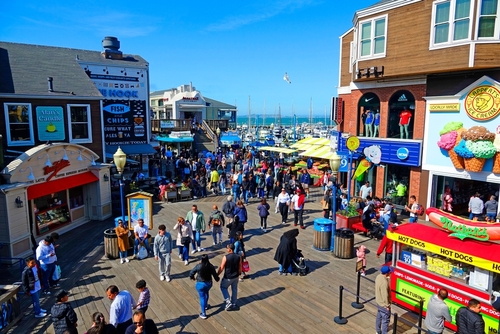
San Francisco has some of the strictest vehicle parking rules in the country, and RVs feel that pressure immediately. Oversized vehicle restrictions, street-cleaning schedules, and permit-only residential zones can turn a quiet night into a costly ticket or tow. Enforcement is active, especially in neighborhoods where RV living has been controversial for years. Even seasoned RVers often find that a spot that worked last year is no longer safe today.
The city has also expanded enforcement around schools, transit corridors, and high-density neighborhoods. Many streets now have two-hour limits that apply overnight, which catches visitors off guard. Industrial areas that once felt like a fallback are increasingly monitored. If you park an RV in San Francisco, you’re often betting on timing rather than legality.
This post 13 Places Where RV Parking Is Becoming a Gamble was first published on Greenhouse Black.
