
1. The HOA Can Raise Dues Without Asking You
Most people assume their monthly or annual dues are locked in, or at least predictable. In reality, many HOA governing documents allow the board to increase dues by a certain percentage without a homeowner vote. That’s because boards need flexibility to cover rising insurance, maintenance, or utility costs. People often wish they’d read this closely when a “small” increase starts happening every year.
This matters because even modest annual hikes compound over time. A $250 monthly fee can quietly become $350 or more within a few years. Buyers sometimes budget based on today’s number, not tomorrow’s reality. The fine print explains exactly how much power the board has here, and it’s rarely as limited as people think.
2. Special Assessments Aren’t Rare Emergencies

Many buyers think special assessments only happen after disasters like hurricanes or major structural failures. In truth, they’re often used for predictable but expensive projects like roof replacements or repaving roads. HOA documents usually spell out when and how these can be levied. Owners are legally obligated to pay them, even if they disagree.
This is important because special assessments can run into the thousands of dollars per household. They can be due in a lump sum or on a tight payment schedule. Sellers don’t always disclose upcoming assessments unless they’re already approved. Reading the fine print can reveal whether the HOA relies on assessments instead of maintaining healthy reserves.
3. Architectural Rules Apply to More Than You Expect

People expect rules about paint colors or fences, but HOAs often regulate much more. Things like window coverings, holiday decorations, landscaping plants, and even front-door styles can require approval. These rules are usually buried in architectural guidelines or CC&Rs. Homeowners often discover them only after receiving a violation notice.
The reason this matters is that violations can lead to fines or forced changes. Even simple upgrades may need written approval before work begins. Approval isn’t guaranteed, even if neighbors have similar features. Reading these sections explains how much control you’re really giving up over your own property.
4. Fines Can Add Up Faster Than You Think

HOA fine schedules are often more aggressive than people expect. Many associations charge daily or weekly fines for ongoing violations. The fine print explains escalation policies, which can turn a minor issue into a serious bill. Some HOAs also charge administrative fees on top of fines.
This becomes critical when fines are left unresolved. Unpaid fines can accrue interest or be sent to collections. In extreme cases, they can even lead to liens against the property. People often wish they’d understood how strict enforcement could be before brushing off early warnings.
5. The HOA May Limit Who You Can Rent To
Rental restrictions are common, especially in communities trying to maintain owner-occupancy rates. HOAs may cap the percentage of homes that can be rented at any time. Some require long waiting periods before new owners can rent their property. These rules are typically outlined clearly in the governing documents.
This matters for homeowners who later need flexibility. Job relocations, financial hardship, or changing life plans can make renting essential. Discovering you’re not allowed to rent when you need to can be financially devastating. The fine print often reveals these limits long before they become a problem.
6. Board Decisions Don’t Always Require Owner Input

Many buyers assume major decisions require a community-wide vote. In practice, boards often have broad authority to make operational and financial choices. The governing documents spell out exactly which decisions require member approval. Owners are often surprised by how short that list is.
This is important because board priorities may not align with yours. Boards can approve contracts, hire vendors, and change rules within their authority. Homeowners usually have limited recourse beyond attending meetings or running for the board. Reading this section shows how much influence you’ll realistically have.
7. Your HOA Can Enforce Rules Unevenly
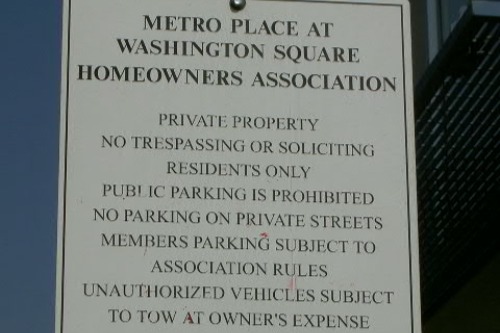
HOA documents typically give boards discretion in enforcement. That means they decide which violations to pursue and how aggressively. While selective enforcement can sometimes be challenged, it’s difficult and time-consuming. Many people assume rules will be enforced consistently, but that’s not guaranteed.
This matters because uneven enforcement breeds frustration and conflict. You may be fined for something your neighbor gets away with. The fine print explains the enforcement process, appeals, and timelines. Knowing this upfront helps set realistic expectations about fairness and consistency.
8. Disputes Often Have Mandatory Resolution Steps

Many HOAs require disputes to go through internal hearings or mediation before legal action. These procedures are usually outlined in detail in the bylaws or rules. Skipping steps can weaken your position or delay resolution. Homeowners often don’t realize this until tensions are already high.
This is important because dispute resolution can take time and emotional energy. You may need to present evidence, attend hearings, or follow strict timelines. Legal options are often the last resort, not the first. The fine print explains how conflicts are supposed to be handled, for better or worse.
9. Amenities Come With Rules, Not Guarantees

Pools, gyms, clubhouses, and parks are big selling points for HOA communities. What buyers don’t always read are the rules governing access, hours, guests, and closures. HOAs can limit use or temporarily close amenities for repairs or budget reasons. These details are typically spelled out in the rules and regulations.
This matters because amenities often justify higher dues. Discovering restricted hours or frequent closures can feel like a bait-and-switch. Guest limits can also affect entertaining or family visits. The fine print clarifies what you’re actually entitled to use, and when.
10. Resale and Disclosure Requirements Can Affect Your Sale

When it’s time to sell, the HOA often controls part of the process. Many require resale disclosure packages, transfer fees, and HOA approval before closing. These requirements are usually non-negotiable and outlined in the governing documents. Sellers are responsible for paying these fees.
This is important because these costs can surprise homeowners. Delays in obtaining documents can slow or even derail a sale. Buyers may walk away if disclosures reveal financial or legal issues within the HOA. Reading this section early helps you understand future exit costs and obligations.
11. State Laws Don’t Override Everything

People often assume state law will protect them from unreasonable HOA behavior. While state laws do regulate HOAs, they usually allow wide latitude. Governing documents often fill in the gaps with stricter rules. The fine print explains how state law and HOA rules interact.
This matters because “illegal” isn’t always what people think it is. Many frustrating HOA practices are perfectly legal under state statutes. Challenging them can be expensive and uncertain. Knowing what the HOA is legally allowed to do helps homeowners decide if the trade-offs are worth it.
This post The Fine Print People Wish They’d Read Before Moving Into an HOA Neighborhood was first published on Greenhouse Black.
