
1. A Visible Real Estate Lockbox Long After Purchase
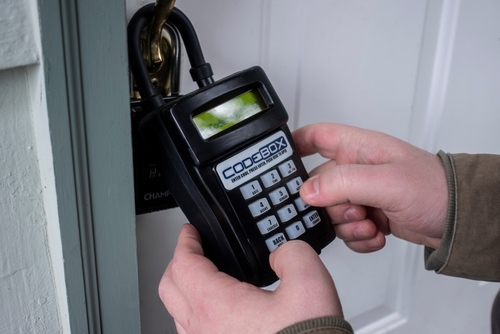
Lockboxes are practical during showings and inspections. When one stays on the door months later, it sends confusing signals. Some people assume the house is still vacant or transitioning ownership. Others wonder if the home is being rented informally.
This matters because vacancy signals attract attention. Empty or semi-empty homes are more likely to be targeted for theft or vandalism. A forgotten lockbox quietly undermines the idea of an occupied, attentive household. It’s a small object with outsized meaning.
2. A Permanently Blue Porch Light

Many homeowners install a blue porch light simply because they like the color. In much of the U.S., blue lights are widely associated with support for law enforcement. Some people also interpret them as memorials for fallen officers. That meaning isn’t universal, but it’s common enough to register.
The signal matters because symbols get read whether you intend them or not. Neighbors may assume your political or social stance based on that single bulb. In rare cases, it can even affect how solicitors or protestors interact with the home. If the color choice was purely aesthetic, the interpretation may come as a surprise.
3. Purple Paint on Trees or Fence Posts

To homeowners, purple paint might seem like an artistic or practical choice. In many states, however, purple paint legally signifies “No Trespassing” without a posted sign. Hunters, hikers, and rural residents are trained to recognize it instantly. It’s not decoration to those who know the code.
The reason it sends a strong signal is that it implies enforcement. People often assume the owner is highly protective, litigious, or confrontational. That may not be true, but the paint carries legal weight in multiple jurisdictions. Anyone fact-checking will find state statutes that back this up.
4. An Upside-Down Pineapple Motif

Pineapples have long symbolized hospitality in home décor. When displayed upside down, though, some people interpret it as a sign of participation in swinger or alternative lifestyle communities. This association appears in real estate anecdotes, cruise culture, and social signaling discussions. It is not universal, but it is widely referenced.
The reason it belongs on this list is misunderstanding, not judgment. Many homeowners choose pineapple décor with no knowledge of the alternate meaning. Neighbors or guests who do recognize the symbol may make assumptions that were never intended. It’s a classic example of cultural shorthand colliding with innocent design.
5. Security System Stickers Without a System
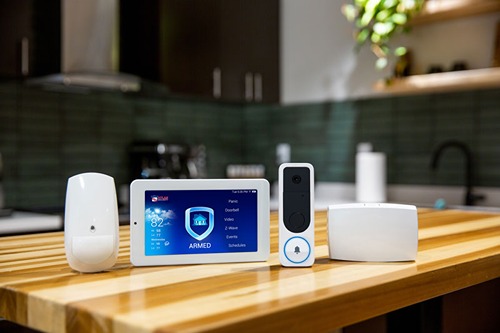
Yard signs and window decals for alarm companies are easy to buy online. Some homeowners use them as a deterrent without installing actual equipment. Experienced burglars know this trick and often test doors or windows anyway. The sign can backfire if it’s clearly outdated or mismatched.
This sends a signal about risk tolerance rather than security. It can suggest the homeowner wants protection but cut corners. In some cases, it implies the house once had a system that is no longer maintained. That gap between appearance and reality is what creates the unintended message.
6. Overly Bright Exterior Lighting All Night

Floodlights blazing from dusk to dawn often feel like a safety upgrade. To others, they can signal fear, past break-ins, or distrust of the neighborhood. Excessive lighting is also associated with surveillance rather than welcome. The intention may be safety, but the read can be defensive.
The reason this matters is behavioral interpretation. Studies on environmental design show that extreme lighting changes how people perceive spaces. Neighbors may avoid the home or assume tension with nearby residents. The light doesn’t just illuminate the yard, it communicates mood.
7. Leaving Big-Box Packaging at the Curb
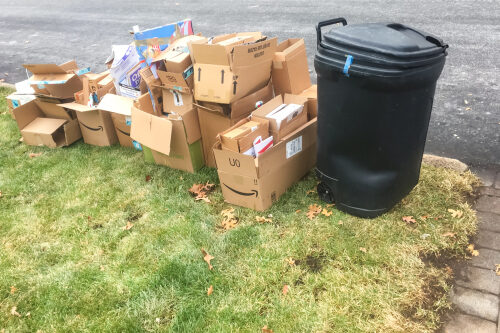
That pile of TV, computer, or appliance boxes can feel harmless once trash day rolls around. To passersby, it clearly announces that something new and valuable just entered the house. This can unintentionally attract opportunistic theft or curiosity from neighbors you barely know. It’s one of the most common signals homeowners send without realizing it.
The reason this matters is visibility and timing. Trash often sits out for hours or days, especially after holidays or weekends. Burglars have long admitted they look for cues like this when choosing targets. Breaking down boxes or delaying disposal reduces the message entirely.
8. Political Flags or Banners Left Up Year-Round
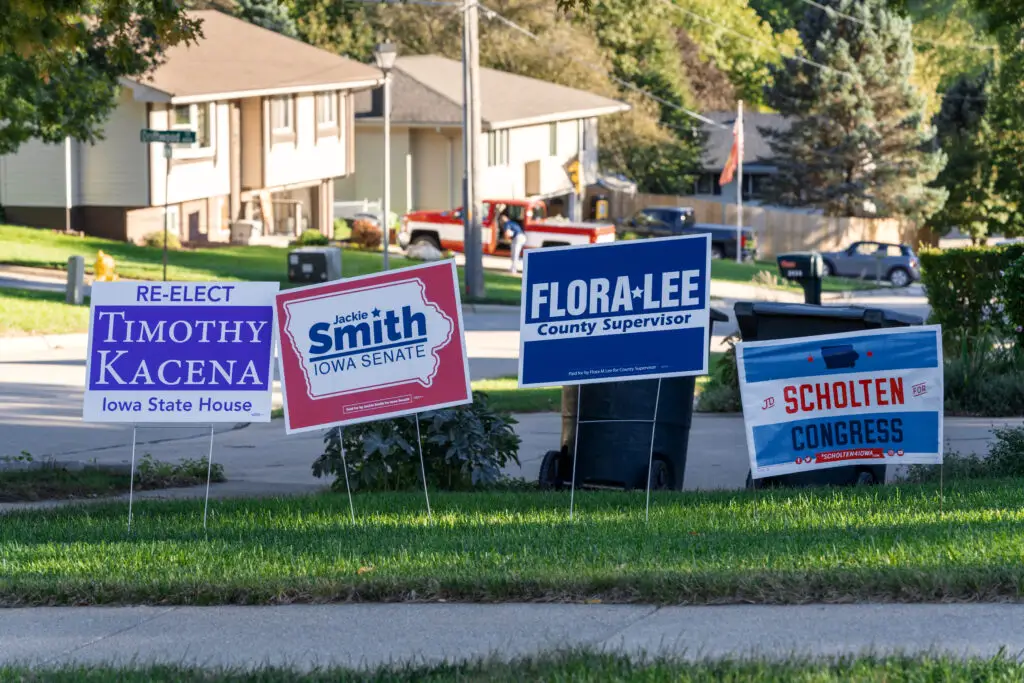
Homeowners often display flags to express pride or civic engagement. When political banners remain long after an election, they can feel less like participation and more like identity branding. Neighbors and strangers alike read them as firm, ongoing statements. That interpretation happens whether you want it or not.
The reason this belongs here is social signaling. Research on political symbols shows they influence assumptions about values, openness, and even conflict tolerance. Some people may avoid interaction based solely on the display. A personal belief becomes a permanent broadcast.
9. An Open Garage Door During the Day
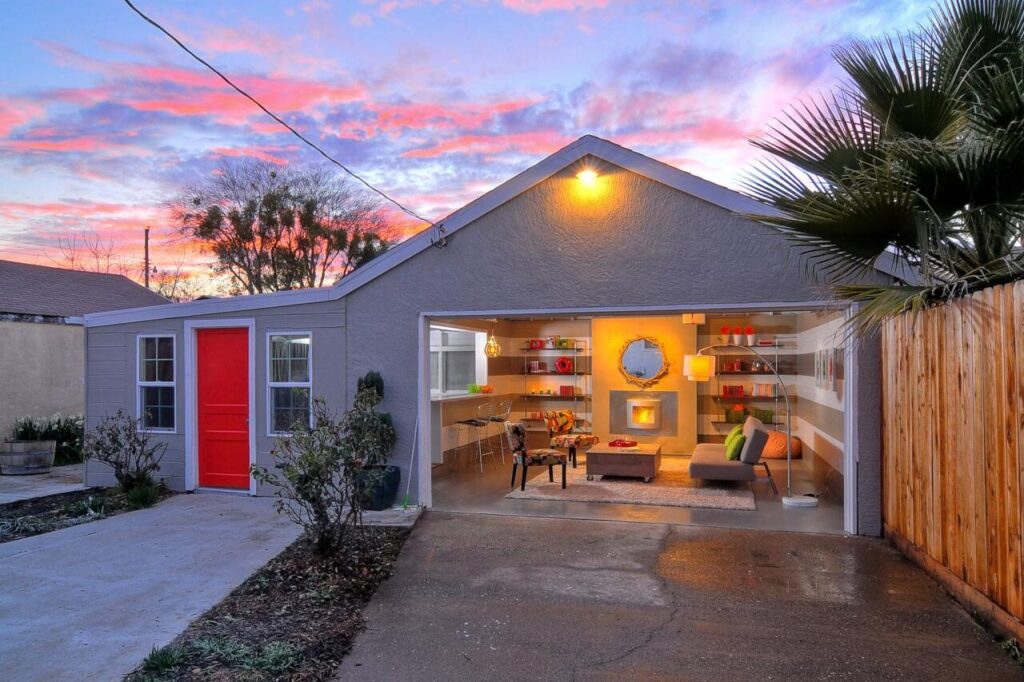
Leaving the garage door open can feel neighborly or convenient. It also reveals tools, storage habits, and sometimes direct access to the house. Many police departments advise against it for exactly this reason. Visibility changes risk calculations.
The unintended signal is about awareness. An open garage can suggest the homeowner is distracted or overly trusting. It can also reveal expensive equipment without meaning to. What feels casual to one person reads as careless to another.
10. A Wi-Fi Network Name That Shares Personal Details
Custom Wi-Fi names are often chosen as jokes or identifiers. Names that include surnames, apartment numbers, or daily routines reveal more than expected. Anyone scanning for networks can see them instantly. The homeowner usually forgets it’s public.
This matters because data aggregation is easy. Small details can be combined with social media or public records. Security experts regularly warn against identifiable network names for this reason. The signal sent is openness, not privacy.
11. A Meticulously Perfect Lawn in a Casual Neighborhood

A flawless lawn can be a point of pride. In a relaxed or mixed-maintenance neighborhood, it can also signal judgment or HOA-style enforcement. Neighbors may assume complaints or code reports are coming. The intention might be personal satisfaction, but the message travels outward.
The reason this is included is social contrast. Environmental psychology shows people read norms based on visible cues. Being the outlier changes how others interpret your behavior. Even good upkeep can send an unintended message when context shifts.
This post Home Choices That Send Signals Owners Never Intended was first published on Greenhouse Black.
