
1. Vintage Cast Iron Cookware
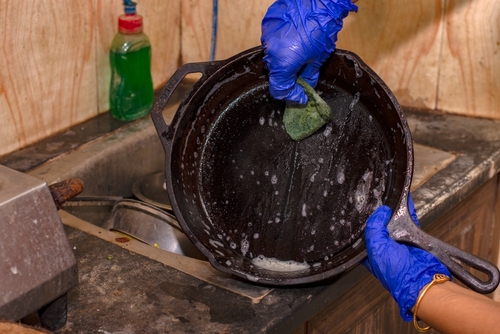
Cast iron pans often sit quietly in a cabinet, looking nearly indestructible and slightly boring. When the market heats up, brand names like Griswold and Wagner become instantly recognizable to informed buyers. These pans were machined smoother than most modern equivalents. That translates to better cooking performance and higher resale value.
The demand is rooted in function, not nostalgia alone. Properly maintained cast iron can last multiple lifetimes with no loss of quality. Many collectors and home cooks actively seek older pieces. What looked like a basic skillet becomes a sought-after kitchen tool.
2. Solid Wood Dining Tables
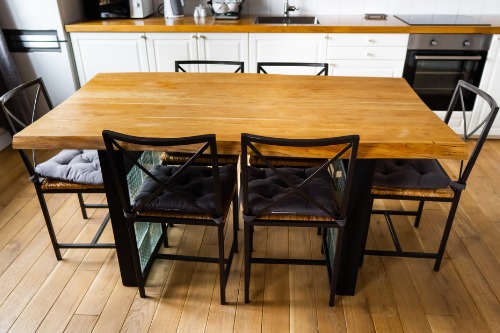
At first glance, a heavy wood dining table just feels like a practical place to eat. But once buyers start shopping seriously, they notice joinery, wood species, and whether it’s veneer or solid lumber. Solid oak, maple, and walnut tables consistently outperform particleboard pieces on the resale market. They can be refinished multiple times, which keeps them relevant for decades.
The reason these tables wake up on the market is longevity paired with scarcity. Older solid wood tables cost far more to reproduce today due to lumber prices and labor. Buyers who care about durability know this and will pay accordingly. That “just a table” suddenly reads as a long-term asset.
3. Original Hardwood Flooring Planks
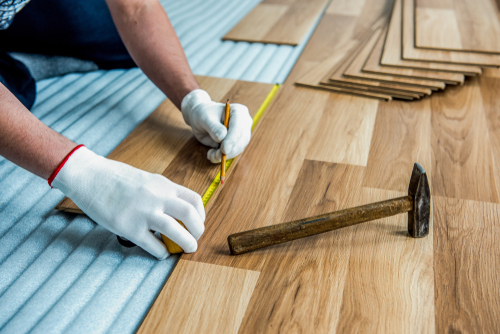
Hardwood floors feel like background features until buyers start comparing homes. Original planks, especially oak, heart pine, or maple, signal quality and permanence. Unlike engineered flooring, they can be sanded and refinished several times. That flexibility adds real market appeal.
Once listings go live, buyers quickly notice the difference between authentic wood and thin top-layer products. Older planks are often wider and made from denser, slower-grown trees. Those materials are expensive or unavailable today. Suddenly, “old floors” become a selling point.
4. Mid-Century Table and Floor Lamps
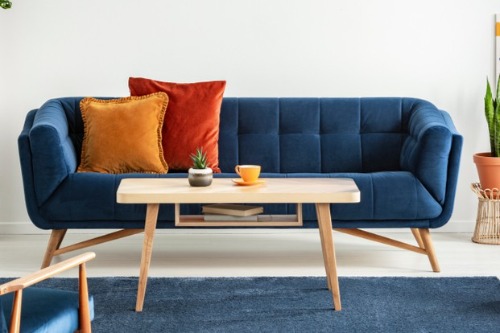
A simple lamp can blend into a room for years without comment. When interest in mid-century design surges, those same lamps attract serious attention. Designers like Gerald Thurston and brands like Laurel Lamp Company are consistently collected. Even unmarked pieces with period-correct forms perform well.
The reason is proportion and craftsmanship. Many older lamps use solid wood, brass, or ceramic bases instead of hollow composites. Rewiring is straightforward, which removes functional risk for buyers. Once demand spikes, that ordinary lamp looks intentional and valuable.
5. Solid Brass Cabinet Hardware
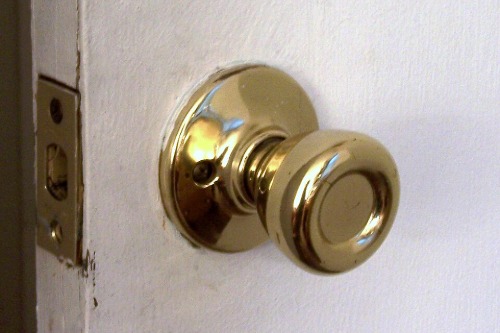
Cabinet pulls and knobs rarely get credit until someone replaces them. Solid brass hardware from older homes often weighs more and wears better than modern plated versions. When polished or left with natural patina, it signals quality. Buyers and renovators actively search for authentic pieces.
The market wakes up because replacement costs are high. Solid brass is expensive, and many manufacturers now use thin coatings over zinc. Original hardware saves money and preserves character. What once felt like a minor detail becomes a quiet selling advantage.
6. Vintage Pyrex and Fire-King Dishware
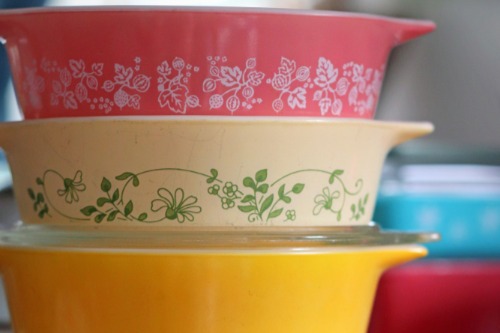
These dishes often live unnoticed in cupboards for decades. Certain patterns and colors, especially from mid-century lines, have well-documented collector demand. Pyrex made before the 1980s uses different glass formulations than newer versions. That difference matters to collectors.
The appeal is both visual and functional. These pieces were designed for everyday use and have survived because they work. As awareness grows, casual kitchenware turns into display-worthy collectibles. Ordinary bowls suddenly command real interest.
7. Built-In Bookshelves
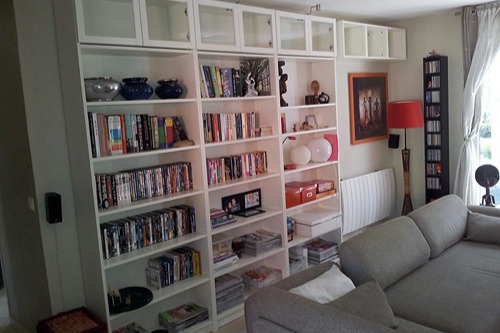
Built-ins can feel static compared to trendy modular furniture. When buyers start touring homes seriously, they recognize the craftsmanship and space efficiency. Custom shelving uses better materials and fits the room precisely. That’s expensive to replicate today.
Market interest rises because built-ins add usable square footage without clutter. They also suggest the home was thoughtfully designed rather than minimally finished. Buyers see permanence and value. What once seemed old-fashioned now feels intentional.
8. Wool Area Rugs
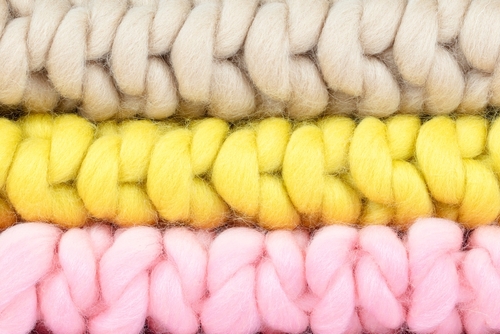
A wool rug might look like just another soft surface underfoot. When buyers learn the difference between wool and synthetic fibers, perception changes quickly. Wool lasts longer, resists crushing, and can be professionally restored. Handwoven and older rugs perform especially well.
The resale interest comes from durability and repairability. Synthetic rugs are often disposable, while wool rugs age slowly. Even worn examples can be cleaned or reconditioned. That makes them attractive once the market starts paying attention.
9. Original Wood Interior Doors
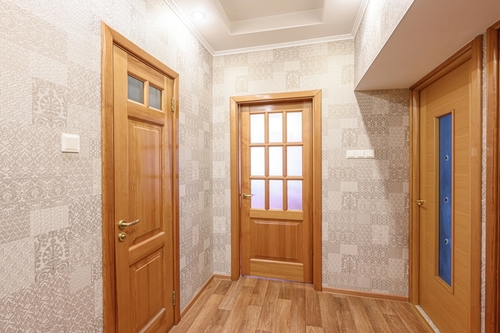
Plain wood doors can fade into the background of a house. Once renovations or listings begin, solid-core or paneled doors stand out. Older doors are typically heavier and made from better lumber. That difference is immediately noticeable.
Buyers value them because replacements are costly and often inferior. New hollow-core doors don’t offer the same sound control or feel. Original doors also maintain architectural consistency. What seemed standard becomes a premium feature.
10. Classic Kitchen Stand Mixers
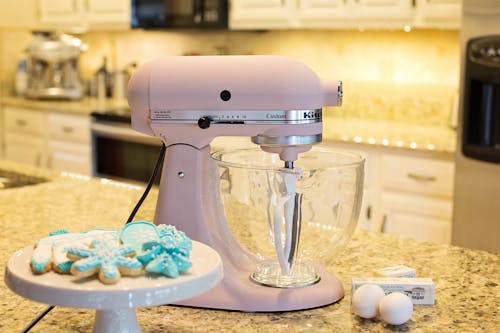
A countertop mixer can look like just another appliance. Certain brands and older models, particularly all-metal versions, maintain strong resale demand. They’re known for longevity and repairability. Replacement parts are widely available.
The market wakes up because performance is proven over time. Buyers trust tools that have worked for decades. As newer appliances trend toward disposable designs, older mixers gain appeal. That everyday machine turns into a dependable investment.
11. Ceramic Tile from Earlier Renovations

Ceramic tile often gets overlooked in favor of newer finishes. Older tile, especially handmade or regionally produced styles, gains attention during renovations. Many of these tiles are thicker and more durable than modern equivalents. Some patterns are no longer manufactured.
Interest increases because authenticity matters. Designers and homeowners seek original materials to maintain character. Matching or sourcing replacements can be difficult, which raises perceived value. That “dated” tile becomes a distinguishing feature.
12. Fireplace Surrounds and Mantels
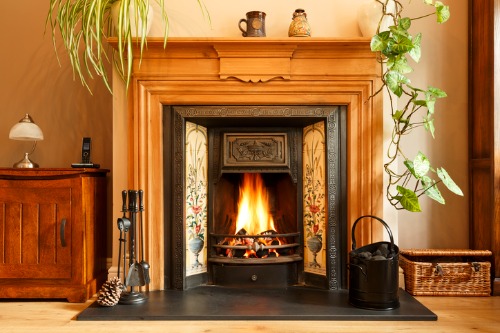
A simple mantel can feel purely decorative. When the market heats up, original stone or wood surrounds draw interest. Carved wood and natural stone are expensive to source today. Older examples often show better craftsmanship.
Buyers see these features as anchors of a room. They add structure and focal value without needing updates. Removing them would cost more than preserving them. What once blended in becomes a highlight.
13. Solid Wood Dressers and Chests
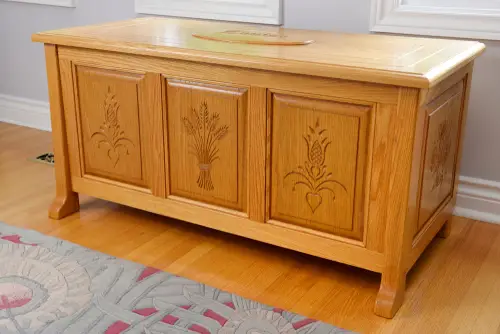
A plain dresser might seem interchangeable with any big-box option. Solid wood versions, especially dovetailed drawers, tell a different story. They hold up better under repeated use and moves. That construction matters to buyers.
The market recognizes these pieces because replacement quality is rare. New furniture often prioritizes low cost over longevity. Older solid wood storage remains functional and adaptable. What looked ordinary becomes clearly better once compared side by side.
This post 13 Objects That Look Ordinary Until the Market Wakes Up was first published on Greenhouse Black.
