
1. Charleston, South Carolina
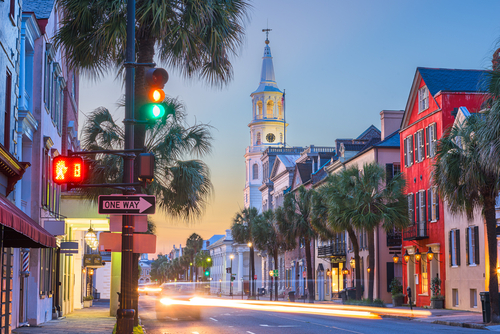
Charleston offers history, coastal beauty, and a slower Southern pace that many retirees love. Flooding has become more frequent, even outside major storms. Insurance costs and mitigation expenses are rising accordingly. Some neighborhoods now factor tide schedules into daily planning.
The summer heat and humidity can be intense and long-lasting. Medical care is solid, but access can be strained during tourist seasons. Traffic has increased as the region grows. Retirees who imagined an easy coastal lifestyle sometimes find it more complicated.
2. Naples, Florida
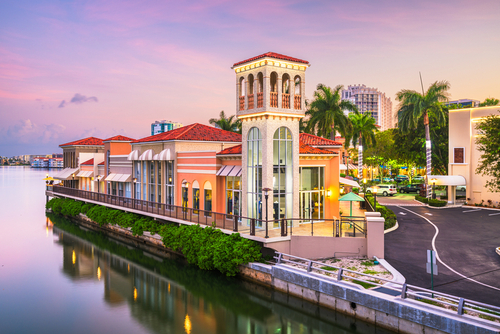
Naples has long been a go-to for retirees who want sunshine, beaches, and a polished lifestyle. Lately, many are pausing because homeowners insurance premiums have surged, and some insurers have pulled out entirely. Even well-off retirees are feeling squeezed by rising HOA fees tied to storm mitigation and repairs. Add in heavier seasonal crowds, and the relaxed pace people expected can feel harder to find.
Healthcare is excellent by Florida standards, but access can be uneven during peak winter months. New residents are often surprised by how competitive it is to get timely specialist appointments. Property taxes may be manageable, but overall carrying costs are no longer predictable year to year. For retirees on fixed incomes, that uncertainty is causing second thoughts.
3. Austin, Texas

Austin has been popular with active retirees who like music, food, and a younger energy. Home prices have risen sharply, and property taxes are a frequent shock for newcomers. Even without a state income tax, total tax burden can feel heavier than expected. Traffic congestion has also worsened, making daily errands more stressful.
Healthcare quality is strong, but demand has grown faster than infrastructure in some areas. Retirees who moved for “mid-size city” living often find it feels much bigger now. Summers are long, humid, and increasingly hot. For those seeking affordability and ease, Austin can feel like a mismatch.
4. Asheville, North Carolina
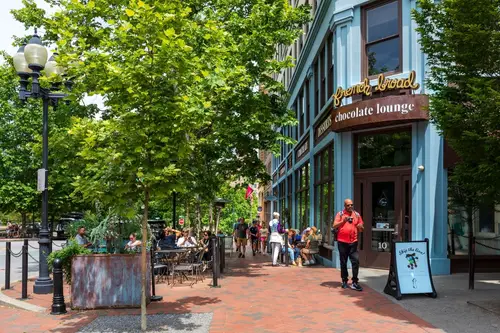
Asheville appeals with its mountain setting, arts scene, and mild summers. Housing costs have climbed as remote workers and second-home buyers compete for limited inventory. Retirees sometimes struggle to find single-level homes close to town. The charm is still there, but it comes at a higher price.
Healthcare access is a common concern, especially for specialized care. Many residents travel to larger cities like Charlotte for certain treatments. Tourism crowds can make downtown noisy and congested during peak seasons. Some retirees realize they prefer a quieter mountain town with better medical depth.
5. Boise, Idaho
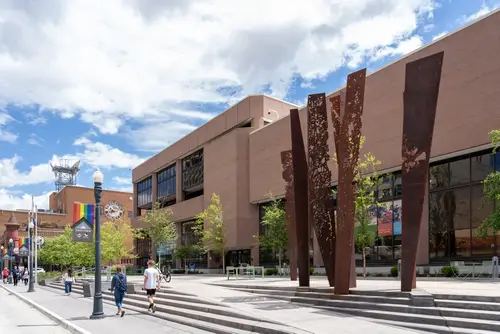
Boise drew retirees with its clean feel, access to nature, and formerly low cost of living. Home prices rose quickly, narrowing the affordability gap that once set it apart. Property taxes remain moderate, but overall housing costs surprise newcomers. Winters can also be colder and longer than some expect.
Healthcare options are improving, but they are still limited compared to larger metro areas. Specialized care often requires travel to Salt Lake City or Seattle. Smoke from regional wildfires has become a seasonal issue. For retirees prioritizing health access and predictability, Boise now raises questions.
6. Phoenix, Arizona

Phoenix attracts retirees with warm winters, golf communities, and relatively affordable housing compared to coastal cities. The reconsideration often starts with summer heat that now regularly stretches for months above 100 degrees. Many retirees find themselves indoors far more than they expected, which undercuts the outdoor lifestyle appeal. Cooling costs can also spike, especially in older homes.
Water concerns are another quiet worry, particularly as Arizona adjusts to long-term Colorado River shortages. While cuts are managed, the issue weighs on people planning decades ahead. Healthcare access varies by neighborhood, with long waits in fast-growing suburbs. For some retirees, Phoenix feels less comfortable and more complex than it once did.
7. Santa Fe, New Mexico
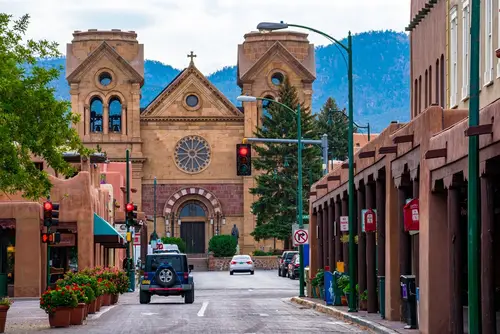
Santa Fe attracts retirees with its arts scene, culture, and high-desert beauty. The city’s elevation can be challenging for people with heart or lung conditions. Healthcare options are limited locally, particularly for advanced or specialized care. Many residents rely on Albuquerque for major services.
Housing prices have risen, especially for well-maintained homes close to downtown. Winters are colder than many expect, with snow and icy roads. The pace is slow, which some love and others find isolating. Retirees increasingly weigh lifestyle appeal against practical needs.
8. Las Vegas, Nevada

Las Vegas lures retirees with no state income tax and active adult communities. Extreme summer heat is a growing concern, keeping people indoors for long stretches. Utility bills can climb quickly during peak cooling months. The desert climate isn’t as forgiving as many assume.
Healthcare access has improved, but specialist shortages remain an issue. Some retirees feel the city’s growth has outpaced its infrastructure. Water scarcity is another long-term consideration, even with conservation efforts. For those seeking stability and calm, Las Vegas can feel unpredictable.
9. San Diego, California

San Diego’s climate is nearly perfect, making it a dream retirement location. The cost of living, however, is among the highest in the country. Housing prices and state taxes can strain even well-prepared retirement budgets. Downsizing doesn’t always bring the savings people expect.
Healthcare quality is excellent, but demand is high. Traffic and density have increased, changing the feel of some neighborhoods. Wildfire risk in inland areas adds another layer of concern. Many retirees love San Diego but quietly question the long-term affordability.
10. Bend, Oregon
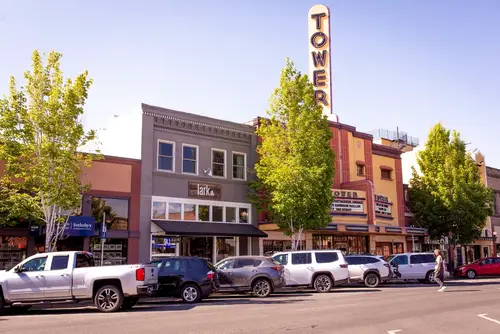
Bend became popular with retirees who value outdoor recreation and a small-city feel. Housing costs have risen sharply, driven by limited supply and strong demand. Even modest homes can be priced beyond what many retirees planned for. Property taxes are manageable, but total housing costs are not.
Wildfire smoke has become a recurring summer issue. Healthcare access is limited for specialized care, requiring travel to Portland or Eugene. Winters bring snow and icy conditions that aren’t ideal for everyone. Bend remains beautiful, but practicality is prompting reconsideration.
11. Hilton Head Island, South Carolina
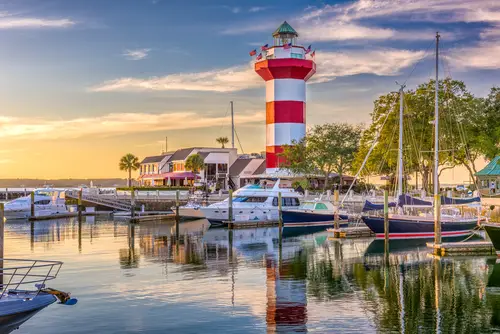
Hilton Head is known for golf, beaches, and a well-managed resort environment. Rising insurance costs are a major concern, especially for properties near the water. HOA fees can increase as communities invest in storm resilience. These expenses add up quickly.
Healthcare options on the island are limited, with many residents traveling to Savannah or Charleston. Seasonal tourism can make the island feel crowded at times. Evacuation planning is a reality during hurricane season. Retirees are increasingly weighing serenity against vulnerability.
12. Denver, Colorado

Denver attracts retirees who want culture, sunshine, and mountain access. Housing costs have climbed steadily, particularly in walkable neighborhoods. Property taxes are moderate, but overall expenses are higher than many expect. Winter weather can also be more demanding than advertised.
Altitude affects some retirees, especially those with respiratory issues. Traffic congestion has increased with population growth. Healthcare is strong, but competition for providers is real. For retirees seeking simplicity, Denver can feel surprisingly intense.
13. Palm Springs, California
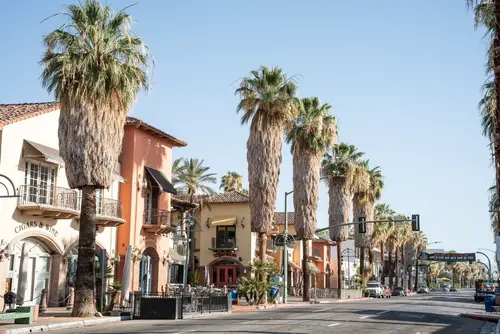
Palm Springs has long been a retirement favorite for its design, golf, and social scene. Summer heat is extreme, often keeping residents indoors for months. Cooling costs can be substantial, especially in older homes. Water use and conservation rules are also a growing concern.
HOA fees are common and can rise quickly. Healthcare access is decent but limited for certain specialties. Seasonal population swings change the town’s rhythm. Some retirees decide the lifestyle works better part-time than year-round.
14. The Florida Keys, Florida
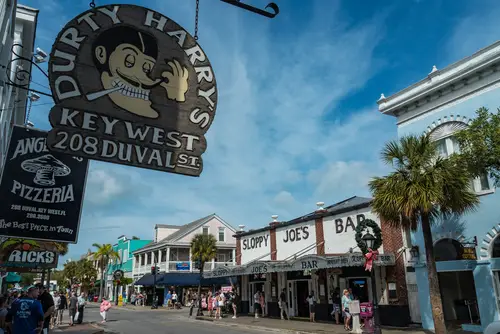
The Florida Keys offer unmatched scenery and a laid-back island vibe. Insurance availability and cost are major stress points for homeowners. Hurricanes and flooding risks are part of everyday planning. Maintenance costs are higher due to salt air and storm exposure.
Healthcare access is limited, with many residents traveling to the mainland for serious care. Housing is expensive, and options are constrained. Evacuation during storms can be logistically challenging. Retirees are increasingly realistic about the trade-offs of island living.
This post 14 Places Retirees Are Quietly Reconsidering was first published on Greenhouse Black.
