
1. The Milkman’s Regular Route

Daily or weekly milk delivery used to be a standard part of neighborhood life. Refrigeration improved, supermarkets expanded, and the economic model simply stopped working in most places. By the late twentieth century, picking up milk during a grocery run felt more efficient and cheaper. The milkman didn’t get a farewell, just fewer customers.
This norm mattered because it shaped routines and relationships. The milkman knew which families were home and who needed extra bottles. Losing that service also meant losing a small but steady human connection. Convenience replaced familiarity without much reflection.
2. Answering the Phone With Your Last Name
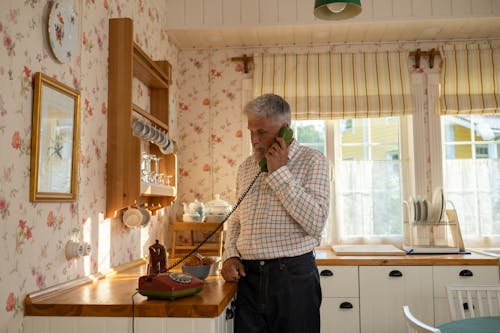
There was a time when picking up the phone meant announcing your family name, not just saying hello. It made sense when multiple people shared one line and callers needed to know if they had reached the right household. This norm faded quietly as caller ID and personal cell phones made identification automatic. Once phones became personal objects instead of household fixtures, the practice stopped feeling useful.
The shift also reflected a broader move toward informality in daily life. Saying your last name implied a level of formality and openness that now feels oddly exposed. Today, many people don’t even answer unknown numbers at all. The silence that replaced this custom says a lot about how trust has changed.
3. Dressing Up for Air Travel

Flying once came with an unspoken dress code that leaned toward formal. Passengers wore suits, dresses, and polished shoes because flying was considered an event. As air travel became more affordable and common, the ritual aspect disappeared. Comfort gradually won over presentation.
The reason this norm vanished is tied to how flying is perceived now. It’s transportation, not a social occasion. Packed cabins and long security lines also discouraged formalwear. The shift mirrors how prestige faded as accessibility grew.
4. Calling Cards Left at the Door

Visitors once left small printed cards if no one answered the door. These cards served as proof of a visit and a polite way to say you were thinking of someone. As phones and later texts made instant contact possible, the need vanished. The ritual slipped away without ceremony.
This norm mattered because it emphasized intention and effort. You had to physically go somewhere to show you cared. Today, unread messages pile up with little emotional weight. The disappearance reflects how communication became easier but less deliberate.
5. Printed Phone Books Delivered to Every Home
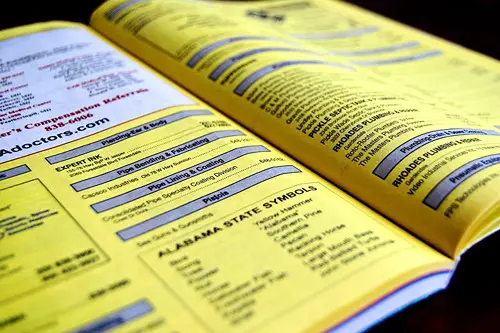
Phone books used to arrive automatically, thick with listings and local ads. They were essential for finding numbers before digital search existed. As online directories and smartphones took over, printing and delivering them became wasteful. Many households barely noticed when they stopped coming.
The phone book was more than a tool; it was a snapshot of a community. You could see which businesses existed and which families lived nearby. Its disappearance marked the shift from local reference to global search. Convenience again quietly rewrote the rules.
6. Smoking Indoors Almost Everywhere

Smoking indoors was once the default in homes, offices, airplanes, and restaurants. Health research made the risks of secondhand smoke undeniable over time. Laws and social pressure followed, reshaping public spaces. The old norm collapsed quickly once change began.
This shift matters because it shows how science can alter everyday behavior. What was once polite to offer now feels unacceptable. People adapted faster than many expected. The goodbye happened through signage and enforcement, not conversation.
7. Writing Checks as a Primary Payment Method

Checks were once a standard way to pay bills and make purchases. They provided a paper trail and felt safer than carrying cash. Debit cards, online banking, and mobile payments made checks slow by comparison. Their use dwindled without much nostalgia.
The norm mattered because it required trust and patience. Someone had to process the payment later, and delays were expected. Now payments clear instantly, and waiting feels like a problem. Speed replaced deliberation as the default value.
8. Kids Roaming the Neighborhood Unsupervised

It used to be normal for children to play outside for hours without adults hovering nearby. Cultural fears, traffic increases, and changing parenting standards altered that expectation. Gradually, supervision became the norm instead of the exception. No announcement marked the shift.
This change matters because it reshaped childhood independence. Kids once learned boundaries by testing them physically and socially. Today, safety is prioritized over freedom. The balance moved quietly but decisively.
9. Ironing Clothes as a Daily Expectation

Wrinkle-free clothing used to signal respectability and self-discipline. Fabrics improved, workplaces relaxed dress codes, and time became scarcer. Ironing stopped being a daily habit for many households. It wasn’t rejected so much as forgotten.
The norm mattered because it reflected pride in appearance. Even casual outfits were expected to look pressed. Now comfort and practicality dominate clothing choices. The iron sits unused in many closets.
10. TV Stations Signing Off at Night

Television once ended each day with an official sign-off. Stations played the national anthem or a closing message before going dark. Cable, streaming, and 24-hour programming erased the need. Viewers stopped expecting an ending.
This mattered because it gave structure to time. Late-night sign-offs subtly told people it was time to sleep. Endless content removed that cue entirely. The day now ends whenever you decide to stop scrolling.
11. Handwritten Thank-You Notes as the Default

Thank-you notes used to be an expected follow-up to gifts and favors. Writing by hand showed effort and appreciation. Emails and texts made gratitude faster but less tangible. The handwritten note faded without objection.
This norm mattered because it slowed people down. You had to sit, reflect, and choose your words carefully. Digital messages often happen in seconds. Thoughtfulness became optional instead of assumed.
This post Household Norms That Vanished Without a Goodbye was first published on Greenhouse Black.
