
1. Seattle
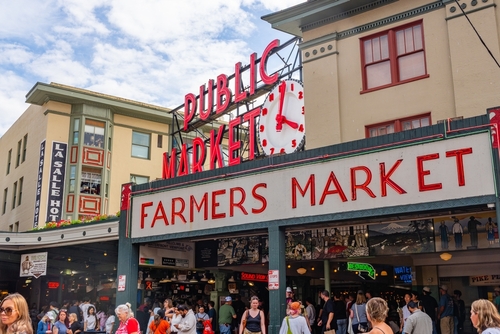
Seattle’s market fatigue is closely tied to the tech cycle. Hiring freezes and layoffs have made buyers more conservative, even if they’re financially secure. Prices haven’t fallen enough to fully offset higher rates. That math keeps many buyers on the sidelines.
Weather and lifestyle trade-offs also factor into buyer psychology. Some buyers are reconsidering whether the cost premium still makes sense. When emotional motivation fades, transactions slow. The result is a market that feels cautious and subdued.
2. Los Angeles
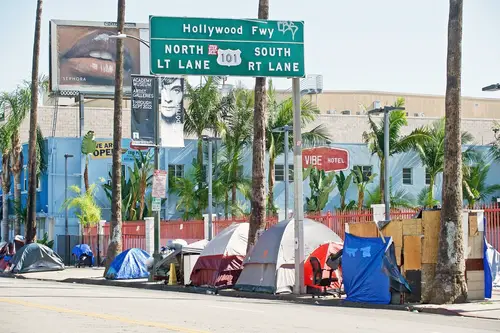
Los Angeles buyers are running into a wall of stubborn affordability issues. Home prices remain high, while insurance costs and maintenance expenses are climbing across much of Southern California. Mortgage rates amplify the pain because even modest homes now come with very large monthly payments. Buyers often feel like they’re stretching too far for too little space.
At the same time, inventory isn’t compelling enough to create excitement. Many listings feel recycled, with homes returning to market after failed escrows. Buyers notice when sellers haven’t meaningfully adjusted expectations. That repetition contributes to a sense that the market is stalled rather than evolving.
3. New York City
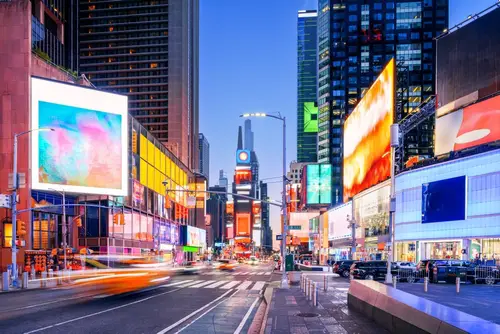
New York City feels tired because high prices are colliding with changing lifestyle priorities. Many buyers are still interested, but they’re more selective about space, light, and building amenities. Co-op rules, high monthly maintenance fees, and property taxes weigh heavily on decision-making. Even well-qualified buyers often pause when they see the total monthly carrying cost.
The return-to-office push has also added uncertainty instead of clarity. Some buyers want flexibility, not longer commutes or smaller apartments. Sellers who price based on pre-2022 demand patterns often miss today’s reality. That gap slows deal flow and dampens enthusiasm.
4. Austin

Austin is a classic example of a fast-growing market that overshot during the boom. Prices surged rapidly from 2020 to 2022, and many sellers are still anchored to those highs. Buyers today are more analytical and aware of recent price declines. That makes them less willing to jump quickly.
There’s also a sense that inventory has normalized faster than demand. New construction and resale listings give buyers options, reducing urgency. When buyers feel like they can wait, they usually do. The result is a market that feels busy but emotionally flat.
5. Phoenix
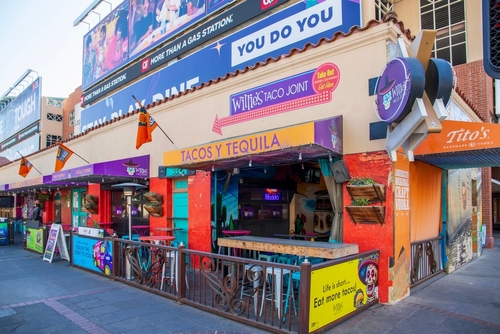
Phoenix feels tired largely because it became one of the most investor-heavy markets in the country. As appreciation slowed, investors pulled back, leaving more homes competing for fewer buyers. Many listings reflect similar layouts and suburban locations, which can blur together. Buyers struggle to feel excitement when options feel interchangeable.
Heat-related concerns also play a subtle role. Rising utility costs and long-term climate questions are part of buyer conversations now. Combined with higher rates, those factors push buyers toward caution. The market isn’t dead, but it’s noticeably less energized.
6. Boise

Boise’s fatigue comes from how quickly it transitioned from hidden gem to national headline. Prices rose sharply as out-of-state buyers flooded in, then cooled just as quickly. Local buyers now face affordability challenges that didn’t exist a few years ago. That creates frustration and hesitation.
Out-of-state buyers, meanwhile, are no longer rushing in blindly. Many are comparing Boise to other Western metros with more established amenities. When expectations reset, demand slows. That shift has left the market feeling quieter and more uncertain.
7. Denver

Denver buyers are feeling squeezed between price and value. Home prices remain elevated, while insurance and HOA costs have crept upward. Mortgage rates have made once-manageable payments feel heavy. Buyers often question whether they’re getting enough in return.
There’s also a growing sense of patience in the market. Inventory has improved compared to the frenzy years, giving buyers leverage. Instead of competing, they’re negotiating or walking away. That slower pace makes the market feel worn down rather than dynamic.
8. San Francisco Bay Area
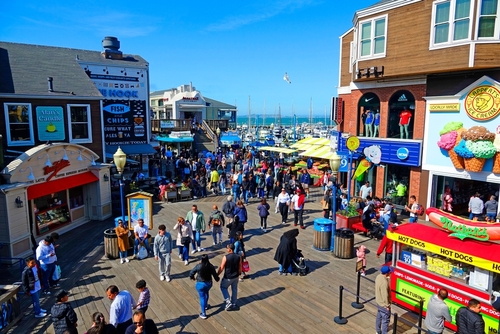
The Bay Area feels tired to buyers because prices remain extremely high relative to recent tech-sector uncertainty. Even with some price softening, single-family homes in many counties are still far above what current mortgage rates comfortably support. Layoffs and hiring slowdowns in tech have made buyers cautious about long-term income stability. That hesitation shows up in longer days on market and fewer bidding wars.
There’s also a sense that the region hasn’t fully reset from its pandemic-era assumptions. Many sellers are still pricing homes as if remote work demand is surging. Buyers, meanwhile, are questioning whether the lifestyle trade-offs still justify the cost. That disconnect creates fatigue on both sides of the transaction.
9. Portland
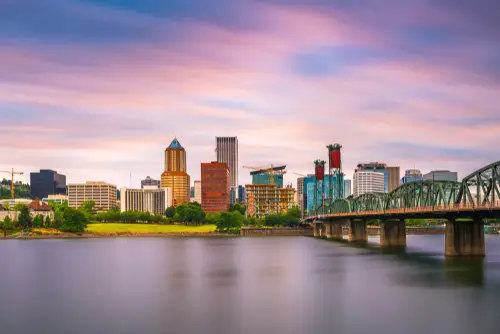
Portland feels tired because buyer confidence has taken a hit. Concerns about local governance, public safety, and economic growth come up frequently in buyer conversations. Even motivated buyers tend to move slowly and negotiate hard. Sellers feel that shift almost immediately.
At the same time, prices haven’t dropped enough to create a clear value moment. Buyers sense uncertainty without seeing a corresponding discount. That combination leads to hesitation. Homes linger longer, reinforcing the tired feeling.
10. Chicago

Chicago’s fatigue comes from steady prices paired with high ownership costs. Property taxes are a major consideration and often surprise first-time buyers. Even when home prices seem reasonable, the monthly numbers add up quickly. That reality cools enthusiasm.
Population trends also weigh on buyer sentiment. Some buyers worry about long-term appreciation and tax stability. Those concerns don’t stop transactions, but they slow them. The market feels functional rather than exciting.
11. Miami
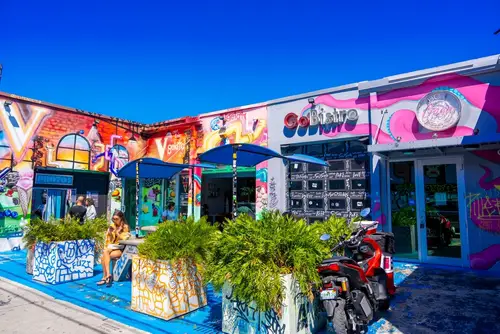
Miami feels tired because insurance costs have become a serious obstacle. Rising homeowners insurance premiums, especially for condos, have changed affordability calculations overnight. Buyers now scrutinize building financials more than ever. That added friction slows decision-making.
There’s also a sense that peak migration demand has passed. Prices surged as remote workers arrived, but that wave has cooled. Buyers today are more cautious and comparison-driven. The energy is lower, even if interest remains.
12. Atlanta
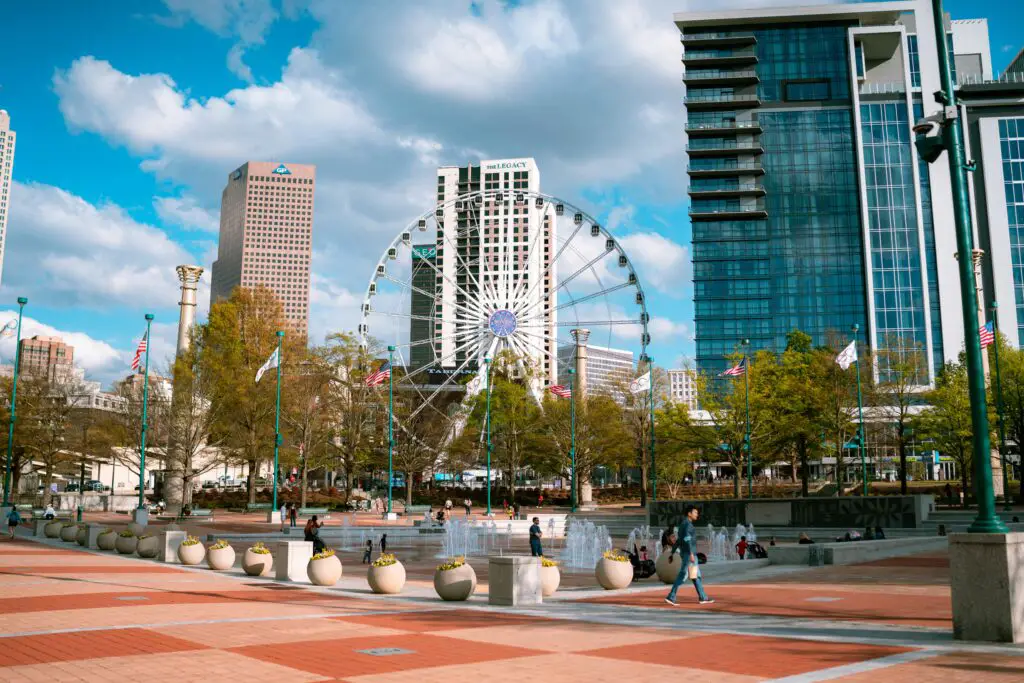
Atlanta’s market fatigue is tied to sprawl and traffic realities. As prices rose, buyers moved farther out, increasing commute times and transportation costs. That trade-off feels less appealing with higher gas prices and return-to-office trends. Buyers are pausing to reassess priorities.
Inventory has also improved, giving buyers more breathing room. Instead of rushing, they’re shopping carefully and negotiating. Sellers feel the shift in tone immediately. The market still moves, but it no longer feels urgent.
This post Why Certain Metro Areas Feel “Tired” to Buyers Right Now was first published on Greenhouse Black.
