
9. Tampa
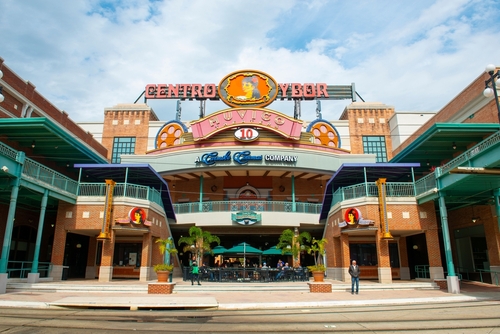
Tampa’s population growth and tax advantages keep it in the spotlight. Demand from relocations remains real. However, buyers react quickly to ownership costs beyond the mortgage. Insurance availability and pricing heavily influence behavior.
Homes in higher-risk zones face longer days on market. Buyers ask detailed questions about roofs, elevation, and prior claims. Even motivated buyers hesitate if costs feel unpredictable. That caution tempers what otherwise looks like a booming market.
2. Austin

Austin’s population growth and job headlines keep its reputation strong. New residents still arrive expecting bidding wars and instant appreciation. But buyers on the ground behave cautiously and negotiate hard. Inventory growth over the last few years has changed expectations.
Price reductions are now part of the normal search process. Buyers compare new construction incentives against resale homes aggressively. Many are willing to wait, assuming better deals will appear. That patience is a major shift from Austin’s recent past.
3. Phoenix

Phoenix often looks resilient because of long-term migration and housing demand. The city still attracts retirees, remote workers, and investors scanning for growth. Yet buyer behavior reveals sensitivity to interest rates and monthly payments. Traffic drops quickly when affordability tightens.
Investors who once bought sight unseen are now far more selective. Buyers focus heavily on price-per-square-foot and rent potential. Homes that miss those benchmarks stall. This creates sharp contrasts between well-priced listings and everything else.
4. Miami
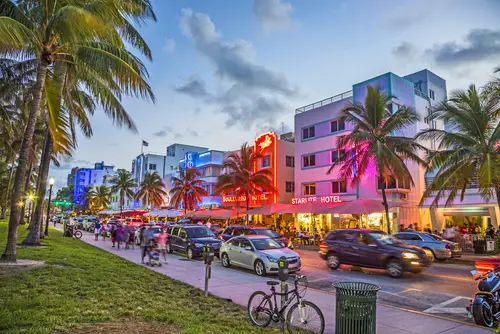
Miami’s luxury sales and international attention create an image of nonstop momentum. Waterfront listings and cash deals reinforce that perception. But everyday buyers are more cautious than the headlines imply. Insurance costs and condo assessments shape decisions quickly.
Buyers scrutinize flood zones and building financials before making offers. Condo buyers often walk away after reviewing association budgets. Single-family homes still move, but price sensitivity is real. The market looks hot until you notice how many deals fall apart in due diligence.
5. Nashville

Nashville’s growth narrative is strong and mostly deserved. Job expansion and cultural appeal keep demand flowing. Still, buyers behave differently once they start touring homes. New construction options give them leverage.
Builders frequently offer rate buydowns and closing cost incentives. Buyers compare those deals against older resales very carefully. Many will pass on charm in favor of predictable costs. That behavior quietly slows resale velocity.
6. Boise

Boise became a symbol of pandemic-era housing booms. Prices rose fast and national attention followed. Today, buyers act far more cautiously than that reputation suggests. Affordability limits are top of mind for local buyers.
Out-of-state buyers are less aggressive than they were in 2021. Homes that feel overpriced relative to local wages sit. Buyers expect sellers to meet the market rather than chase past highs. The confidence gap is noticeable once you track showing activity.
7. Denver

Denver still benefits from strong lifestyle appeal and job diversity. At a glance, demand appears steady across the metro. But buyer behavior shows growing resistance to added costs. HOA fees and insurance premiums matter more than ever.
Condo buyers in particular are selective about buildings. Townhomes and single-family homes outperform attached units with high monthly fees. Buyers walk away quickly when numbers don’t pencil. That creates uneven performance across similar-looking listings.
8. Seattle
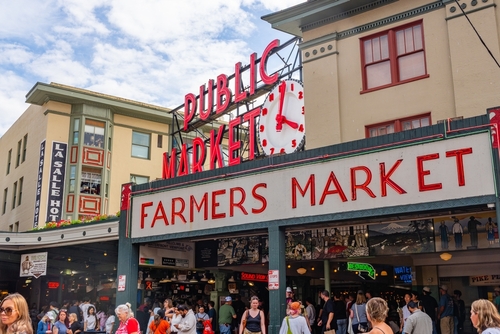
Seattle’s tech-driven economy gives it an aura of stability. High incomes support higher price points in many neighborhoods. Yet buyers are more conservative than the city’s averages suggest. Layoff news and stock volatility influence confidence.
Buyers take longer to commit and often include stronger contingencies. Many prioritize newer homes or recent renovations to avoid surprise costs. Multiple-offer situations still happen, but only on standout properties. Average listings face longer decision timelines.
9. San Francisco
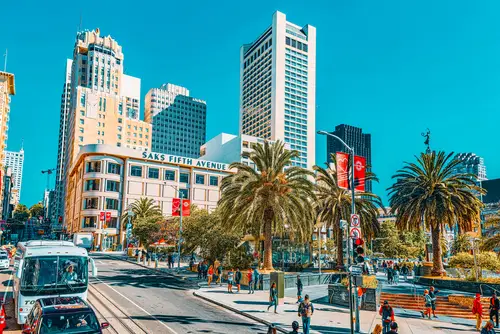
From the outside, San Francisco still looks expensive and supply-constrained. Prices remain high enough to scare off casual shoppers, which makes the market seem bulletproof. But when you watch buyer behavior, hesitation shows up fast. Buyers are far more selective about neighborhoods, building quality, and transit access than they were pre-2020.
Condos in particular tell the story. Many buyers are avoiding older buildings with high HOAs and deferred maintenance. Single-family homes still attract competition, but only when they are turnkey and well-located. Anything that feels compromised sits longer than the headline numbers suggest.
10. Charlotte
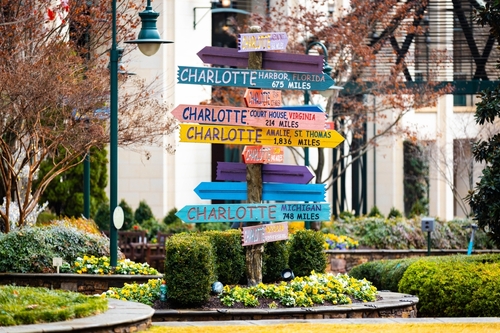
Charlotte appears strong thanks to banking, jobs, and steady in-migration. New neighborhoods and suburbs continue expanding. But buyers show clear preferences once they start shopping seriously. New builds set the tone for expectations.
Resale sellers often compete with builder incentives. Buyers expect concessions or price flexibility in return. Homes that feel dated struggle more than headlines suggest. Buyer leverage is stronger than surface data implies.
11. Atlanta
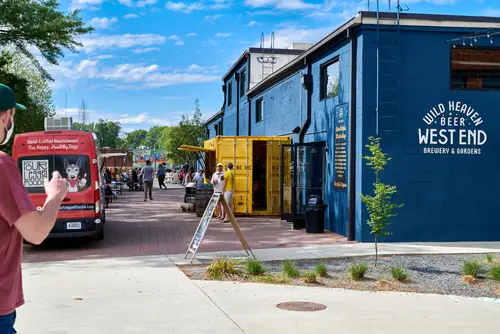
Atlanta’s size and economic diversity give it a durable image. Investors historically played a large role in many neighborhoods. Recently, buyer behavior has shifted away from speculation. End users are more cautious and value-driven.
Homes that once attracted quick investor offers now rely on traditional buyers. Those buyers take longer and negotiate more. Days on market quietly increase in many areas. The strength is real, but thinner than it looks.
12. Las Vegas

Las Vegas is known for volatility, but recent years made it look surprisingly strong. Migration and investor interest boosted demand. Buyer behavior, however, remains highly price-sensitive. Small changes in rates affect activity quickly.
Cash investors pull back faster than in other metros. Owner-occupants focus closely on monthly payment comfort. Listings that miss the pricing window go stale fast. Momentum exists, but it is fragile.
13. San Diego
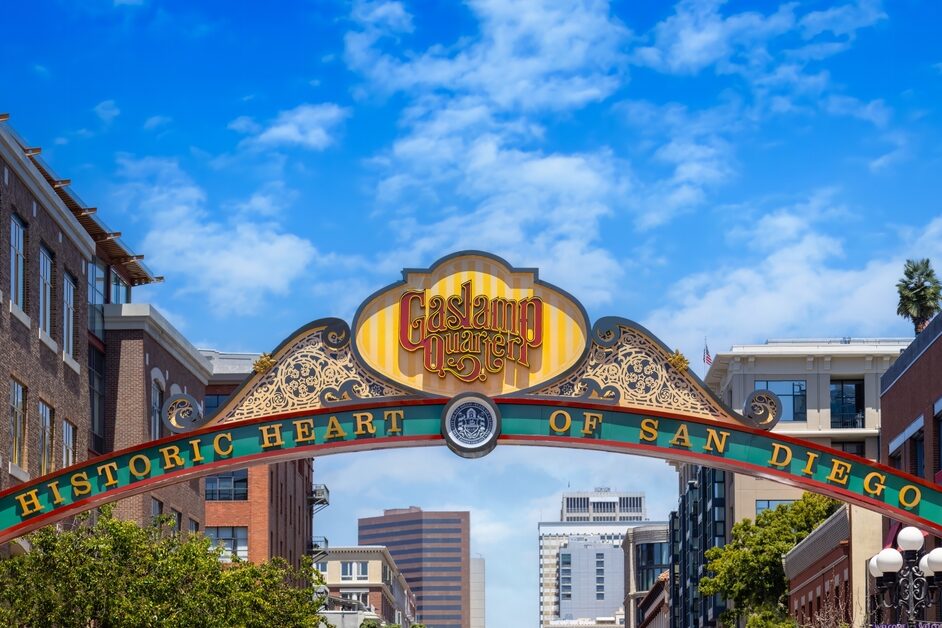
San Diego’s coastal appeal and limited land create lasting demand. Prices often suggest unshakable strength. But buyer behavior shows a widening gap between neighborhoods. Coastal and inland markets behave very differently.
Buyers scrutinize commute times, schools, and renovation costs closely. Many are unwilling to stretch just to be in the city. Homes that need work face longer marketing periods. The market rewards precision more than optimism.
This post 13 Cities That Look Strong Until You Watch Buyer Behavior Closely was first published on Greenhouse Black.
