
1. Smart Doorbells
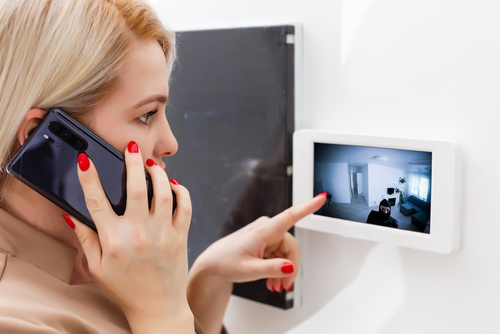
A smart doorbell can suggest heightened concern about security. Visitors may assume the homeowner is cautious or distrustful. This impression comes from the visible camera and motion alerts tied to surveillance. Often, though, people install them simply to catch packages or missed deliveries.
There’s also an assumption that the homeowner is tech-forward or data-comfortable. Smart doorbells require apps, accounts, and updates, which not everyone enjoys. Still, their popularity makes them feel like a personality marker. The feature suggests vigilance even when convenience is the real motivator.
2. Open Floor Plans
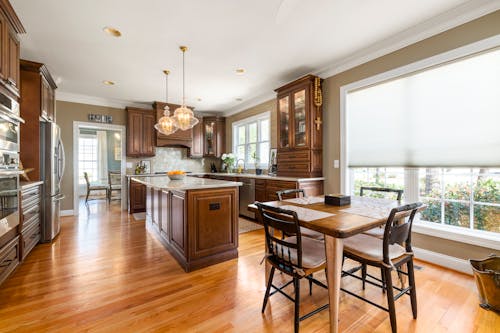
An open floor plan often suggests the homeowner values togetherness and casual living. People may assume you host often or want eyes on kids while cooking. The layout became popular through new construction and renovation shows, which tied it to modern lifestyles. Even if you just like light and airflow, others may read it as a social statement.
There’s also a quiet assumption about noise tolerance and clutter tolerance. Open plans can imply you’re okay with mess being visible from every angle. That perception persists even though many people choose them simply because walls are expensive to move. The feature ends up signaling personality when it’s often just a structural choice.
3. All-White Kitchens
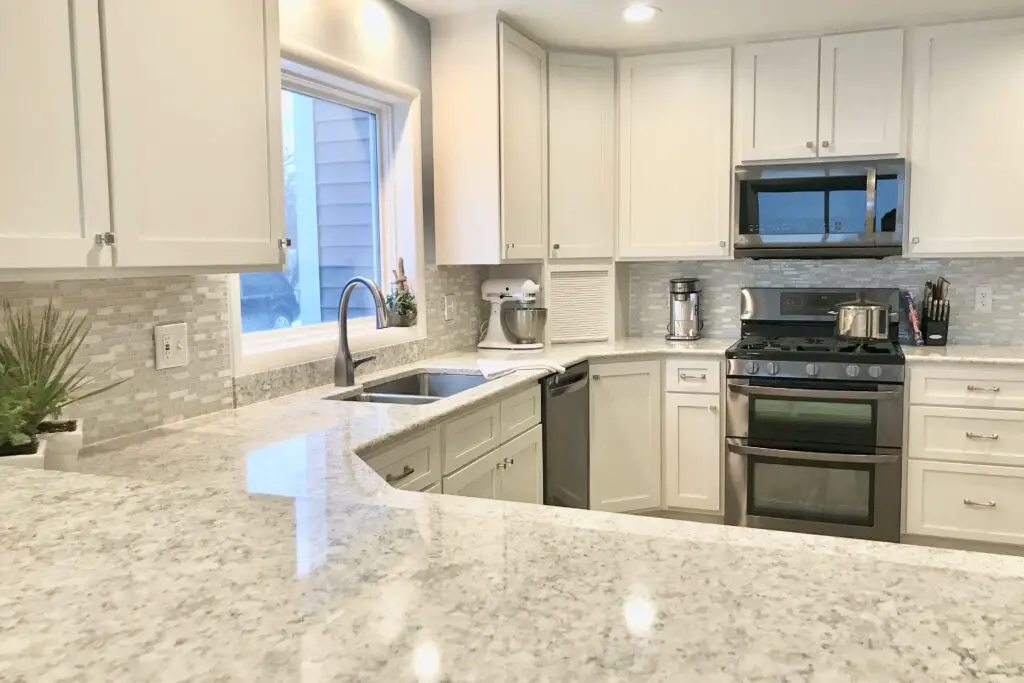
A white kitchen often suggests a preference for cleanliness and order. People may assume the homeowner is meticulous or even high-maintenance. This association comes from how easily white surfaces show stains and wear. In reality, many choose white because it reflects light and feels timeless.
There’s also an unspoken link to resale value and trend awareness. White kitchens have dominated listings and design magazines for years. That visibility makes them read as safe, conventional, or influencer-inspired. Even if you picked it ten years ago, it can still carry that baggage.
4. Wall-to-Wall Carpet
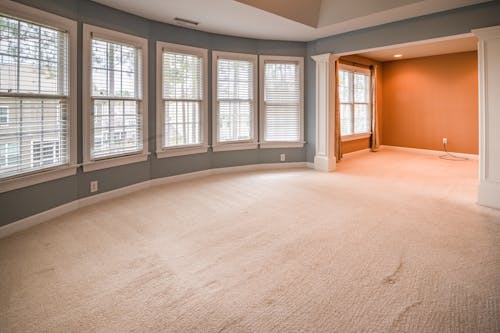
Wall-to-wall carpet often suggests comfort-first priorities. People may assume the homeowner values coziness over style. This perception comes from carpet’s association with bedrooms and older homes. In practice, it’s frequently chosen for warmth, noise reduction, or budget reasons.
There’s also an unfair link to cleanliness concerns. Some assume carpet traps dirt or allergens more than hard flooring. Modern carpets and cleaning methods complicate that assumption. Still, the stereotype persists because flooring choices feel very visible.
5. Solar Panels

Solar panels often suggest environmental consciousness. Neighbors may assume the homeowner is politically or ethically motivated. That connection exists because solar adoption has been tied to sustainability messaging. However, many homeowners install panels primarily for long-term cost savings.
There’s also an assumption of upfront financial flexibility. Solar panels can signal that someone had capital or financing access. This overlooks leasing programs and regional incentives. The panels end up implying values and resources that may only partially be true.
6. Backyard Trampolines

A backyard trampoline suggests an active, kid-centered household. People may assume children live there or visit often. This association is fairly accurate statistically, but not universal. Some adults use trampolines for exercise or recreation.
There’s also a quiet assumption about risk tolerance. Trampolines are linked to injury discussions, which colors perception. That can make homeowners seem carefree or unconcerned with safety. In reality, many follow strict rules and supervision.
7. Wine Fridges
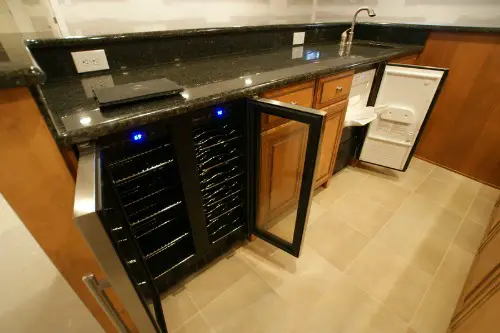
A wine fridge often suggests sophistication or entertaining habits. Guests may assume the homeowner is knowledgeable about wine. This comes from wine storage being framed as a hobby rather than simple refrigeration. Many people, though, just want drinks at the right temperature.
There’s also an assumption about consumption levels. A dedicated fridge can read as indulgent or extravagant. That perception ignores how small and energy-efficient many models are. The appliance implies lifestyle more than actual behavior.
8. Home Gyms in Garages
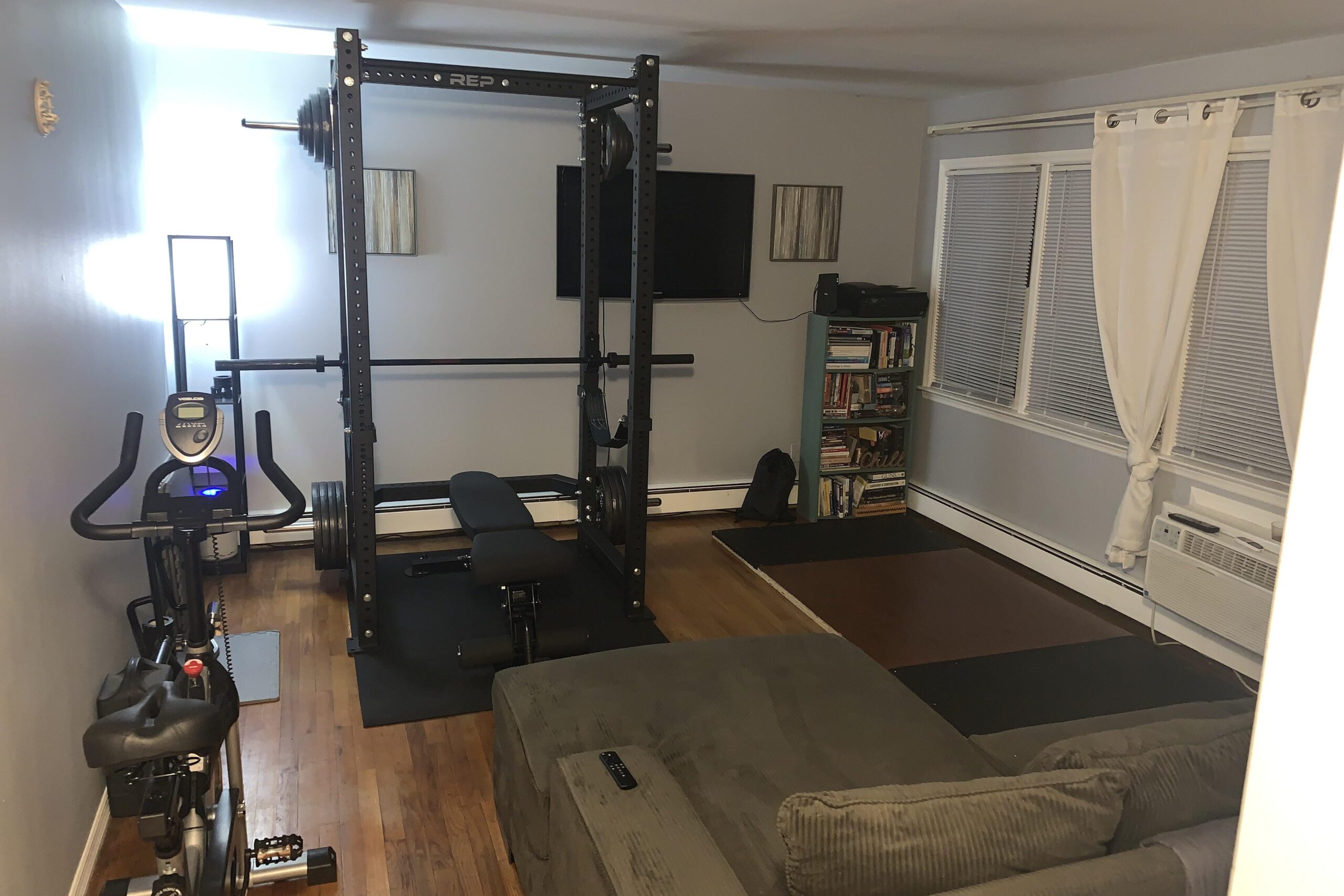
A home gym suggests discipline and health focus. People may assume the homeowner works out regularly and values fitness. This impression is reinforced by visible equipment like racks or bikes. In reality, some gyms are aspirational purchases.
There’s also an assumption about time flexibility. Home gyms can imply a schedule that allows frequent workouts. That may not be true if the space is used sporadically. The setup ends up signaling routine even when usage varies.
9. Built-In Bookshelves
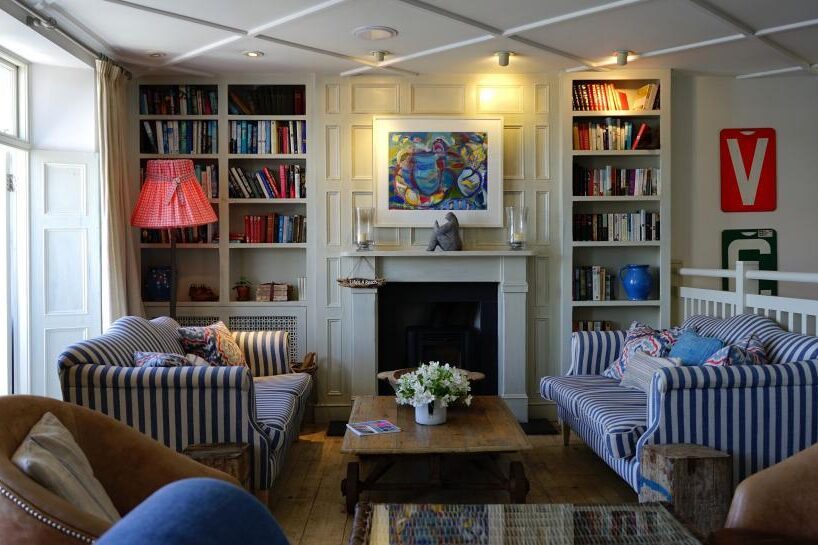
Built-in bookshelves often suggest intellectual interests. Visitors may assume the homeowner reads frequently or values learning. This association comes from books being cultural markers of curiosity. Sometimes, though, shelves are filled for symmetry or storage.
There’s also an assumption about permanence. Built-ins suggest long-term commitment to a home. That can make owners seem settled or rooted. In reality, they’re often added to increase appeal or functionality.
10. Blackout Curtains
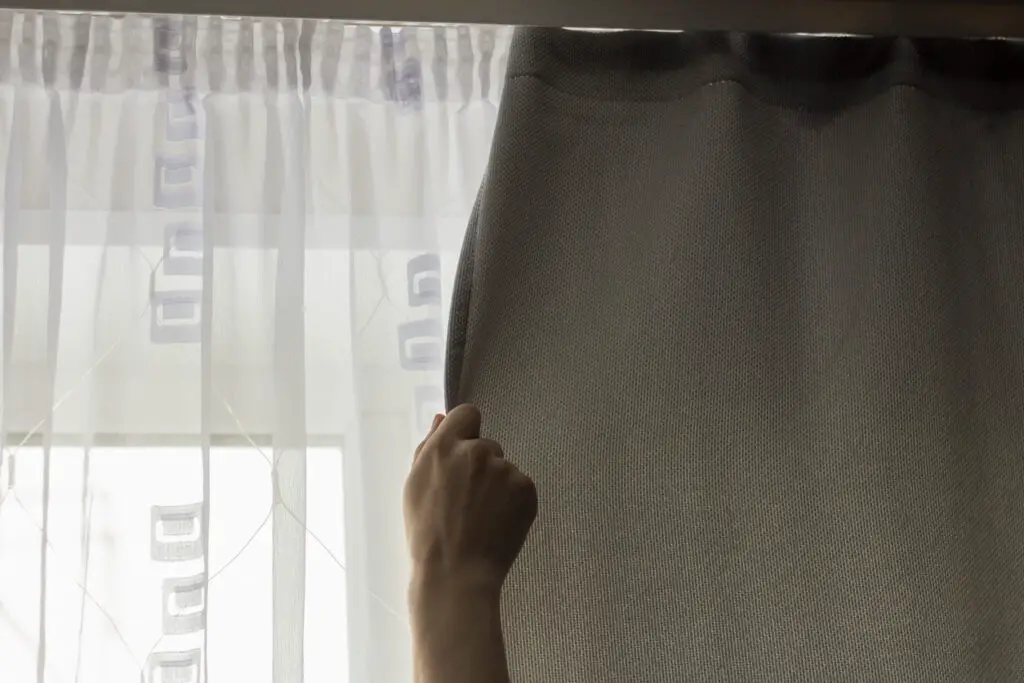
Blackout curtains often suggest a need for sleep control. People may assume the homeowner works nights or values rest highly. This comes from their common use in bedrooms and nurseries. Many install them simply to block heat or streetlights.
There’s also an assumption about lifestyle rhythms. Blackout curtains can imply irregular schedules or young children. That reading isn’t always accurate. The feature solves practical problems but still invites speculation.
11. Finished Basement Bars
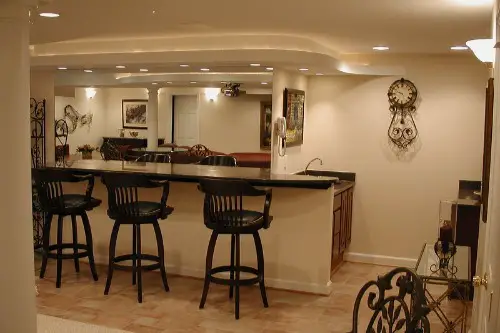
A finished basement bar suggests social hosting. Guests may assume the homeowner entertains often or enjoys nightlife at home. This association comes from bars being linked to gathering spaces. Many basement bars, however, are used occasionally or seasonally.
There’s also an assumption about indulgence or leisure priorities. A bar can imply frequent drinking or party culture. That overlooks how often these spaces double as game rooms or storage-adjacent builds. The feature signals fun even when it’s rarely used.
This post What Certain Home Features Suggest — Even If Unfairly was first published on Greenhouse Black.
